

Looking for a way to control mosquitoes without harming bees, butterflies, birds, or other local wildlife? We are excited to share the Mosquito Bucket Challenge, a simple, effective, and pollinator-friendly solution promoted by Homegrown National Park.
Instead of using fogging sprays, which kill far more than just mosquitoes, the Mosquito Bucket Challenge uses a bucket of standing water combined with a natural soil bacterium called Bti (found in mosquito dunks). This safely targets mosquito larvae before they hatch, protecting your yard and the island’s biodiversity.
It is safe for pollinators, safe for kids and pets, and it targets mosquito breeding at the source.
Want to take part? Visit Homegrown National Park to learn how to set up your own mosquito bucket and help protect both your family and our local ecosystem. Share your photos online using #MosquitoBucketChallenge and help spread the word.

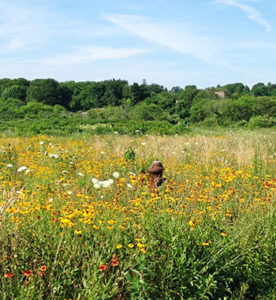
Photos by Homegrown National Park


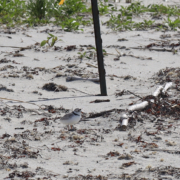
Photo by Anna White
Spring Migratory Bird Count 2025
When: Sunday, May 11th at 8:00 am
Where: Meet outside of the Community Center
We invite you to join us for our annual Spring Migratory Bird Count on Sunday, May 11th. This seasonal tradition offers a great opportunity to observe birds returning to their northern breeding grounds while exploring a variety of habitats across the island.
The morning will begin outside the Fishers Island Community Center at 8 am, where we will gather before setting out in groups. Guided by Dr. Adam Mitchell of Tarleton State University, along with birding experts Emily Baisden and Will Almeida, the group will visit 15 designated stops from the West End to the East End of the island. Each stop lasts five minutes, following established Audubon count methods, as we identify and record bird species seen and heard along the way.
All are welcome to attend. No prior birding experience is needed. If you have binoculars, we encourage you to bring them. A limited number will also be available to borrow. Please wear comfortable walking shoes and dress for the weather.
This annual count supports the Conservancy’s long-term efforts to monitor bird populations and contributes valuable information to regional conservation work.