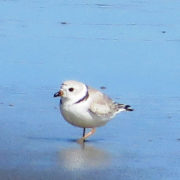
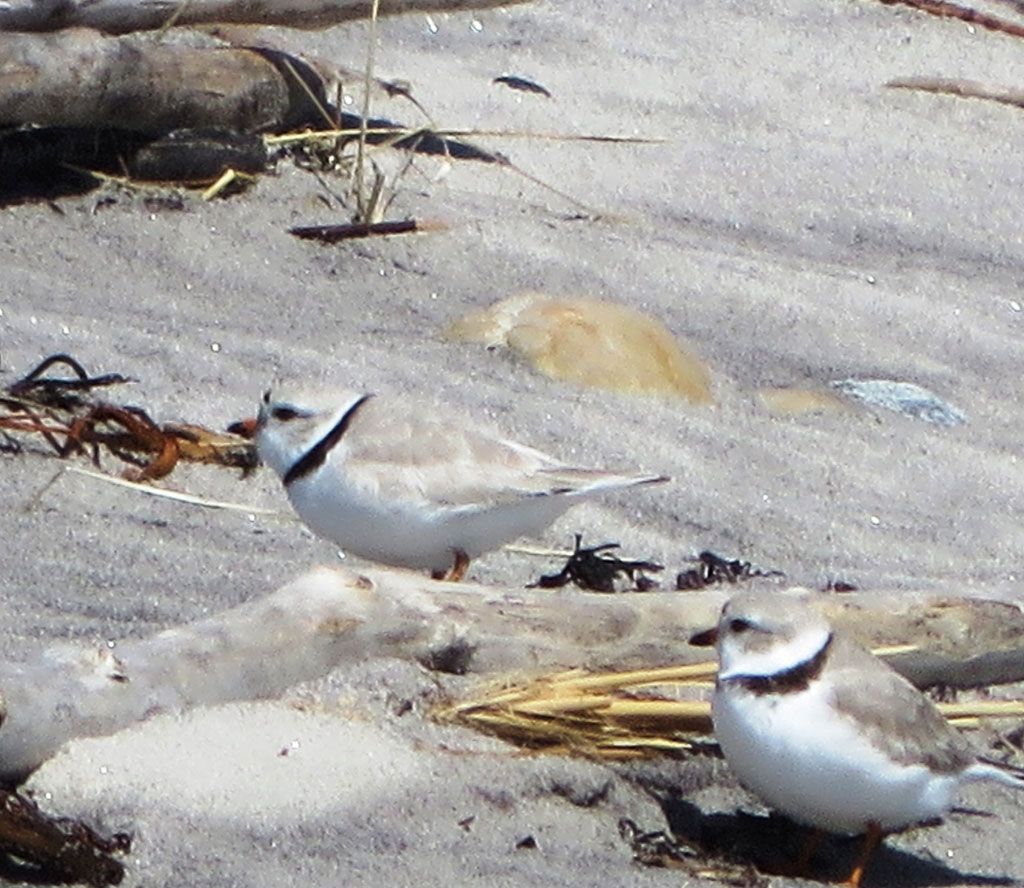
For the first time ever, I saw 8-10 piping plovers (adult and growing chicks) scurrying around “together” on Sanctuary of Sands.

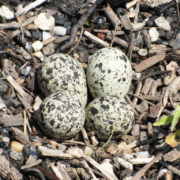
Fishers Island’s piping plover chicks were born in two separate hatchings on Sanctuary of Sands and near the Race Point Parking area in late May.

In 2014 and 2015, I spotted only a single piping plover at the Big Club Beach and had documented none on the West End. How exciting to see “our” piping plover community expanding!

The New York Times recently reported that Fire Island’s piping plover population has nearly doubled since Hurricane Sandy struck in 2012. Sand and seawater washed over the island during the storm, and the combination of new sand flats and coastal repair increased plover habitat by 50 percent. (Piping plovers like to nest on dry flat sand close to the shoreline.)

From the Field, Field Note Justine Kibbe June 26, 2019

The Fishers Island Conservancy’s 2019 Sunset on the Beach will be held Saturday July 20th, from 6-8 pm on the Big Club Beach. Join us for a celebration of Fishers Island’s natural resources!

Pictures do not do justice to the amazing transformation along South Beach Road approaching the Parcourse FitCircuit. Individual stops along the circuit are now visible, as is access to South Beach in the distance.

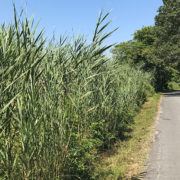
Phragmites: A relentless enemy.  The towering reeds grow an inch apart and are choking the Island’s tidal marshes, overtaking native vegetation and leaving no room for ducks, herons and egrets to land. FIConservancy plans to fight back, starting in November.

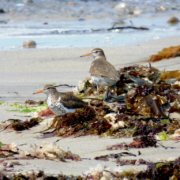
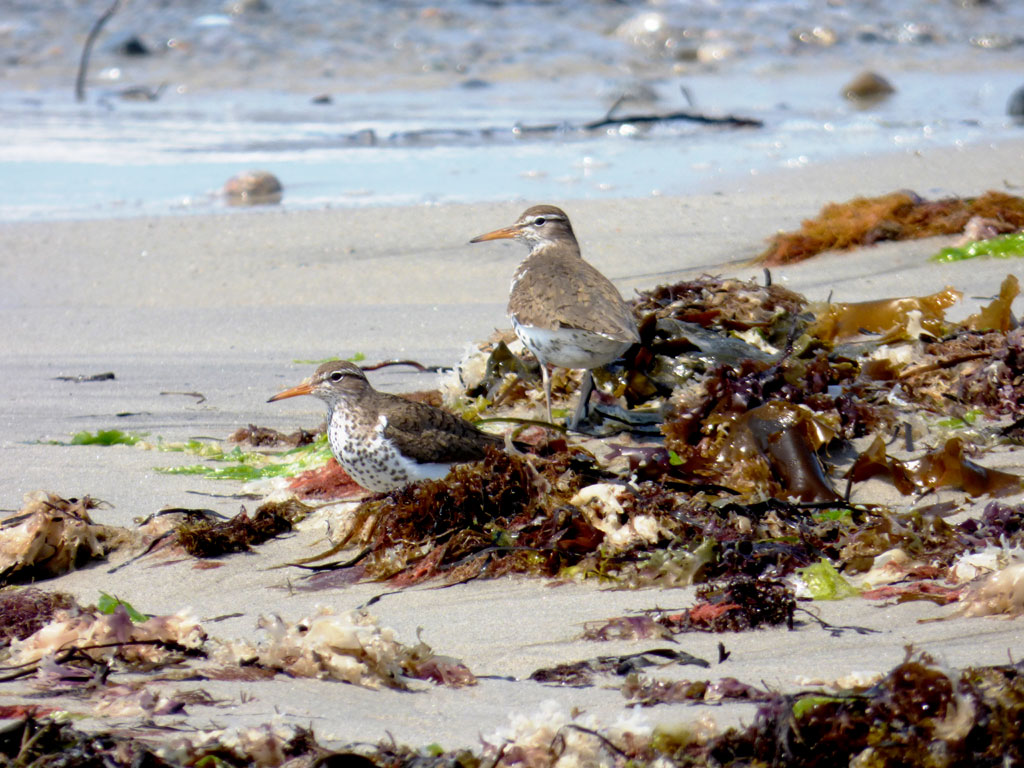
I am so happy to have seen a spotted sandpiper pair south of the airport runway on Sanctuary of Sands. A lone sandpiper has arrived every spring since 2015, and now there are a pair of these exquisite shorebirds!

According to the Cornell Lab of Ornithology:

The spotted sandpiper occurs across North America. It has richly spotted breeding plumage, a teetering gait, stuttering wingbeats and showy courtship dances.

Female spotted sandpipers arrive at breeding grounds early to establish and defend territory. Females also may mate with four different males at a time, but it is the male that incubates the eggs and cares for the young.

From the Field, Field Note Justine Kibbe June 3, 2019

FIConservancy Naturalist Justine Kibbe reported: “As Fishers Island prepares for a very busy July and August, it’s wonderful to witness the rallying of community to protect our precious wildlife.”