moth

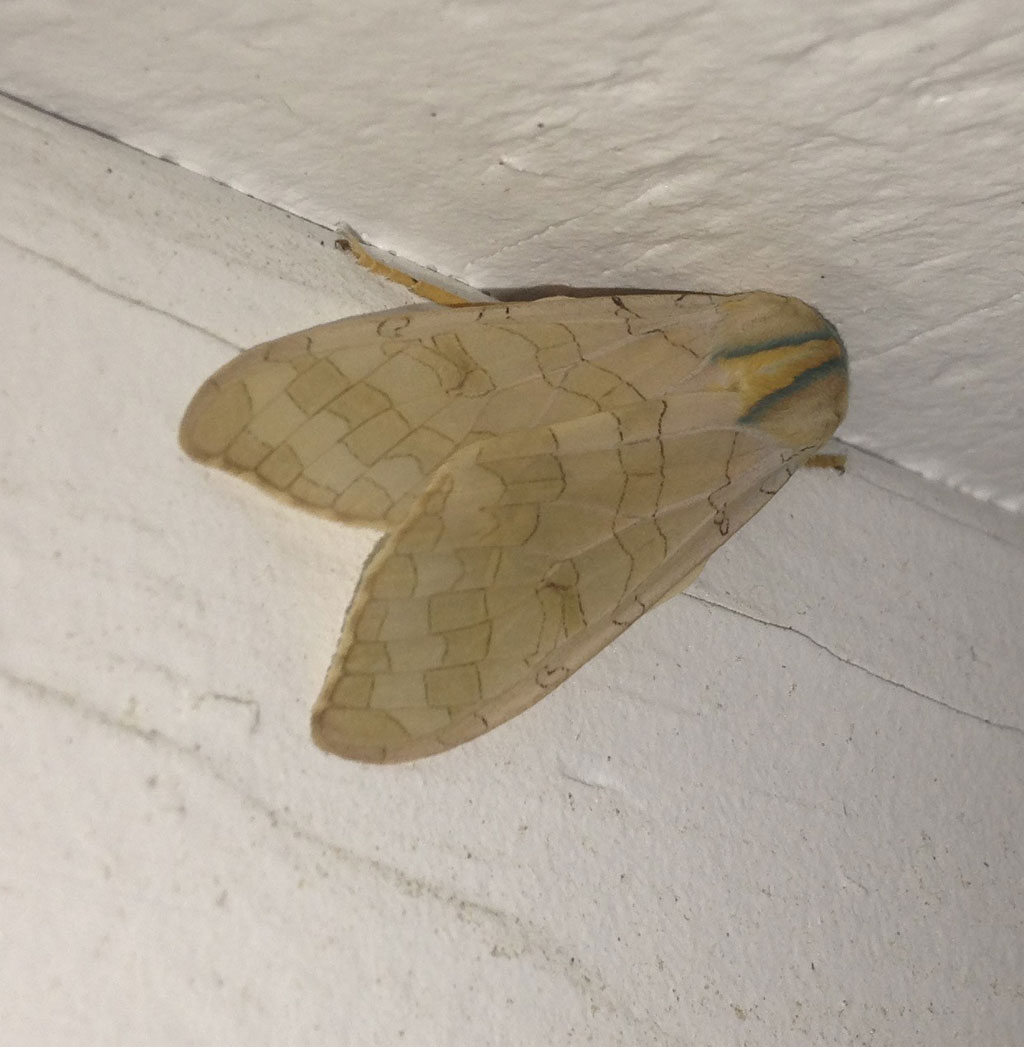
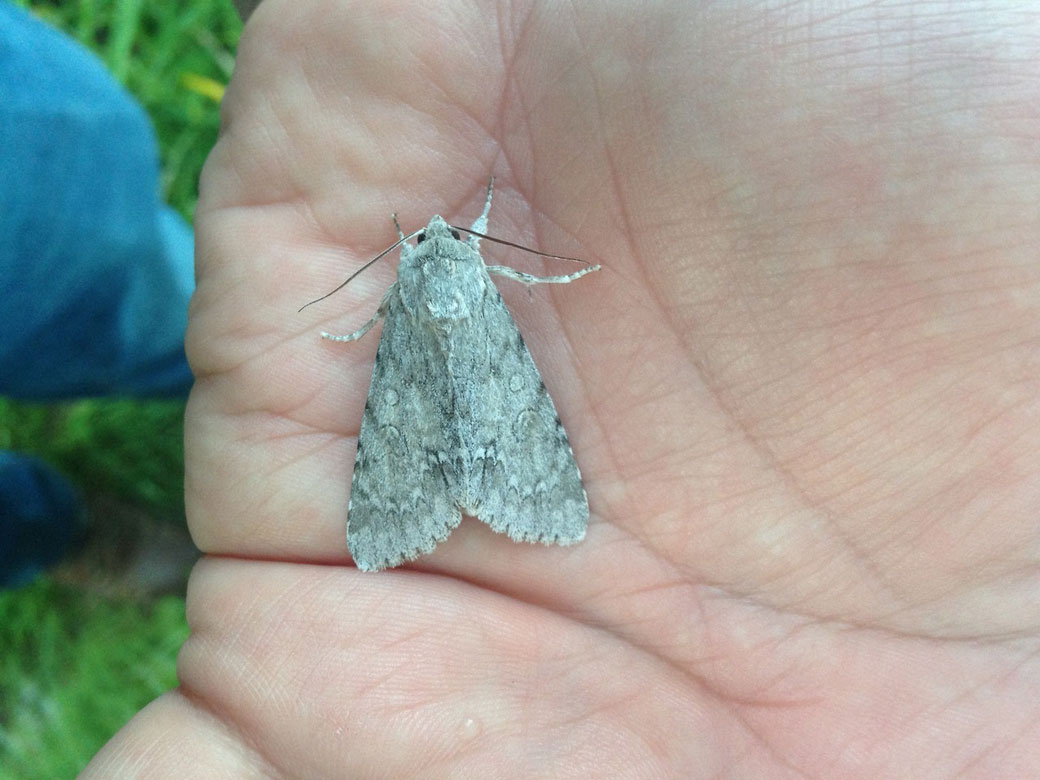
Common Name: American Dagger moth, Fishers Island, NY, June 2017.

Scientific Name: Acronicta Americana

Season: One generation in the Northeast. Adults in early summer, with caterpillars from July into the fall.

Food: Ash, elm, hickory, maple oak, poplar, willow.

Ecology: A forest moth, American dagger caterpillars can be found feeding on many deciduous trees. The caterpillars are covered in yellow tufts of hair that can cause irritation to the skin in some people.

Adam Mitchell Photo
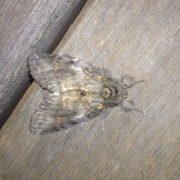
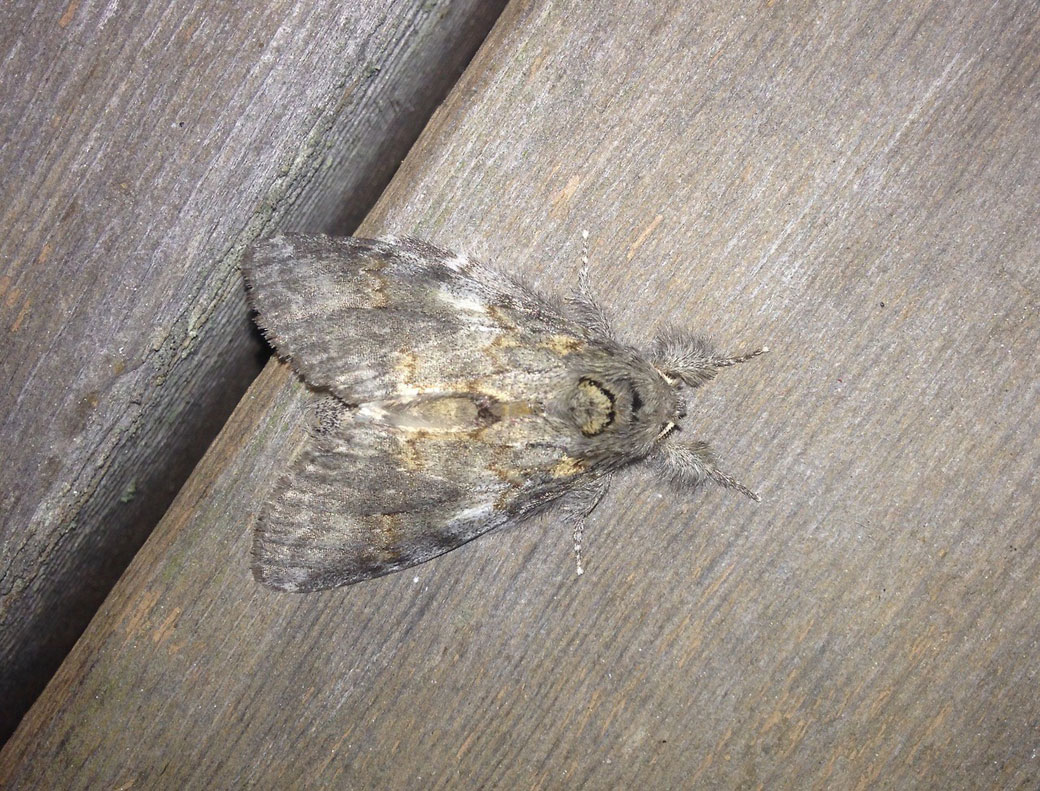
mothCommon name: Angulose prominent, Fishers island NY, June 2017.

Scientific name: Peridea angulosa

Season: Two generations in the Northeast. Adults, late spring into June, and again in late summer. Caterpillars through summer and late into fall. Caterpillars overwinter as pupae and seek out sites to pupate when the leaves fall.

Food: Exclusively, species of oak.

Ecology: Caterpillars of the angulose prominent are specialist feeders, meaning they can only feed on one or two species of plants to grow and develop. When disturbed, the caterpillars coil up like snakes, although they are completely harmless.

Adam Mitchell Photo

Banded tussock moth

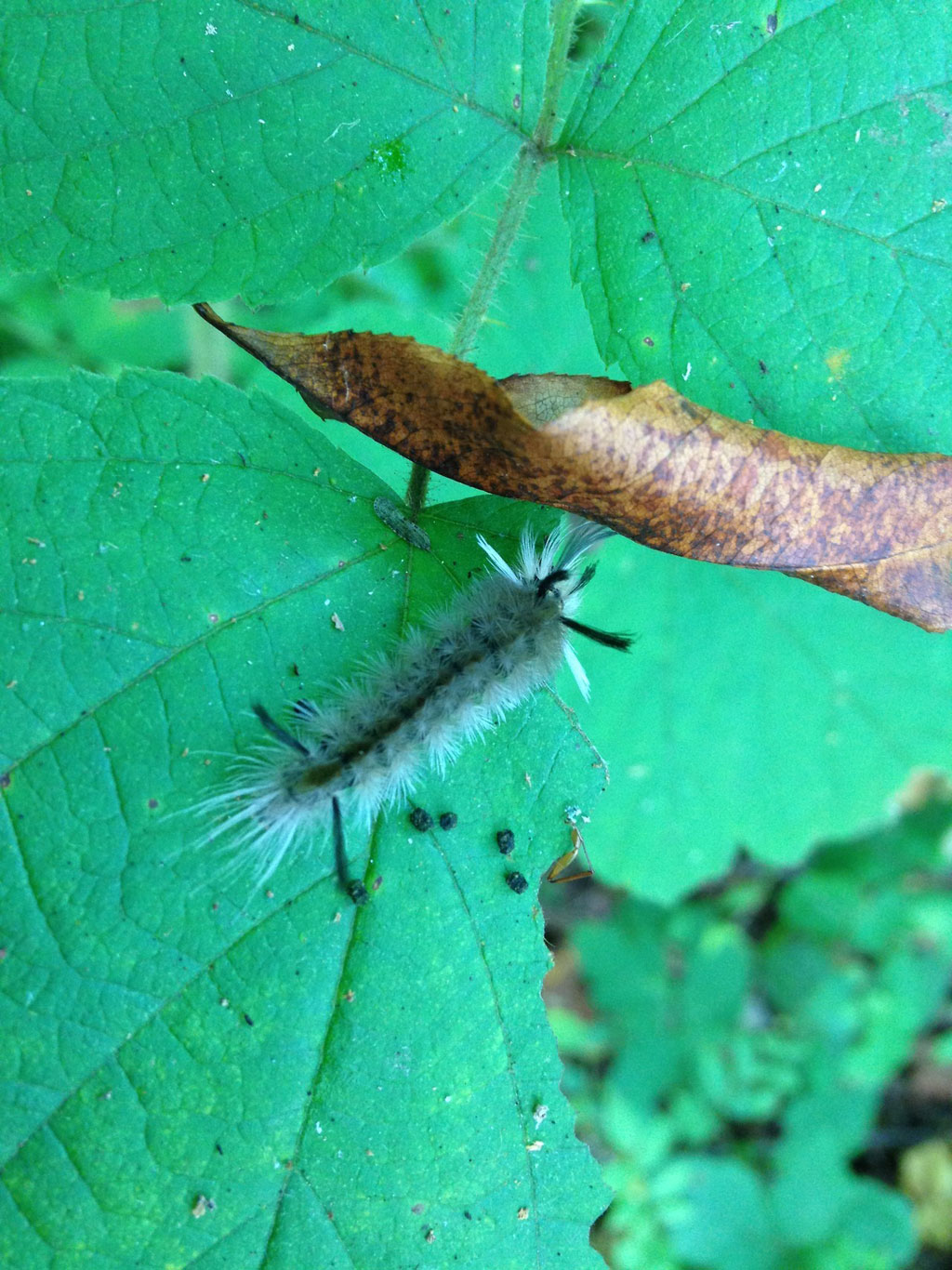
Common name: Banded tussock moth, Fishers Island NY, June 2017

Scientific name: Halysidota tessellaris

Season: One generation in the Northeast, although caterpillars and adults are active throughout the summer and fall.

Food: You can find these guys in the summer on just about any tree or shrub in the forest.

Ecology: The species name for the moth (tessellaris) stands for “little square stone” in Latin (rough), which refers to the blocky pattern on the moth’s wing. As a caterpillar, it is covered in tufts of hair that makes it unattractive as a food item for birds (although the birds don’t mind eating the adults!). Picture of  caterpillar is from Newark DE, August 2014.

moth

Common name: Banded tussock moth, Fishers Island NY, June 2017

Scientific name: Halysidota tessellaris

Season: One generation in the Northeast, although caterpillars and adults are active throughout the summer and fall.

Food: You can find these guys in the summer on just about any tree or shrub in the forest.

Ecology: The species name for the moth (tessellaris) stands for “little square stone” in Latin (rough), which refers to the blocky pattern on the moth’s wing. As a caterpillar, it is covered in tufts of hair that makes it unattractive as a food item for birds (although the birds don’t mind eating the adults!). Picture of  caterpillar is from Newark DE, August 2014.

moth

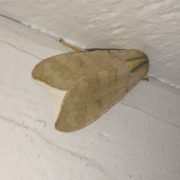
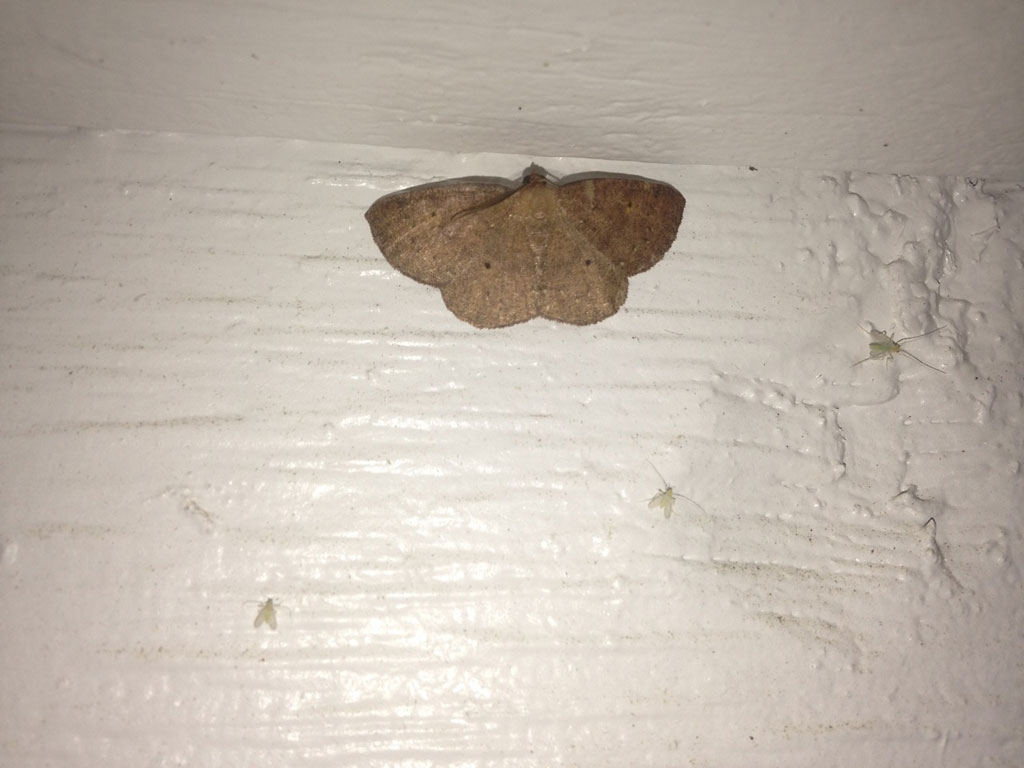
Common name: Black-dotted ruddy, Fishers Island, NY, June 2017.

Scientific name: Ilecta intractata

Food: As caterpillars, black-dotted ruddy moths are specialist feeders, meaning they can feed on only one or two kinds of plants in order to grow and develop. Black-dotted ruddy moths feed on American holly trees, and can be a common inchworm in suburban environments where holly trees are planted.

Ecology: This species is attracted to artificial lighting, which can increase predation risk, disrupt behaviors such as feeding, flight and reproduction, and interfere with dispersal among habitat patches.

moth

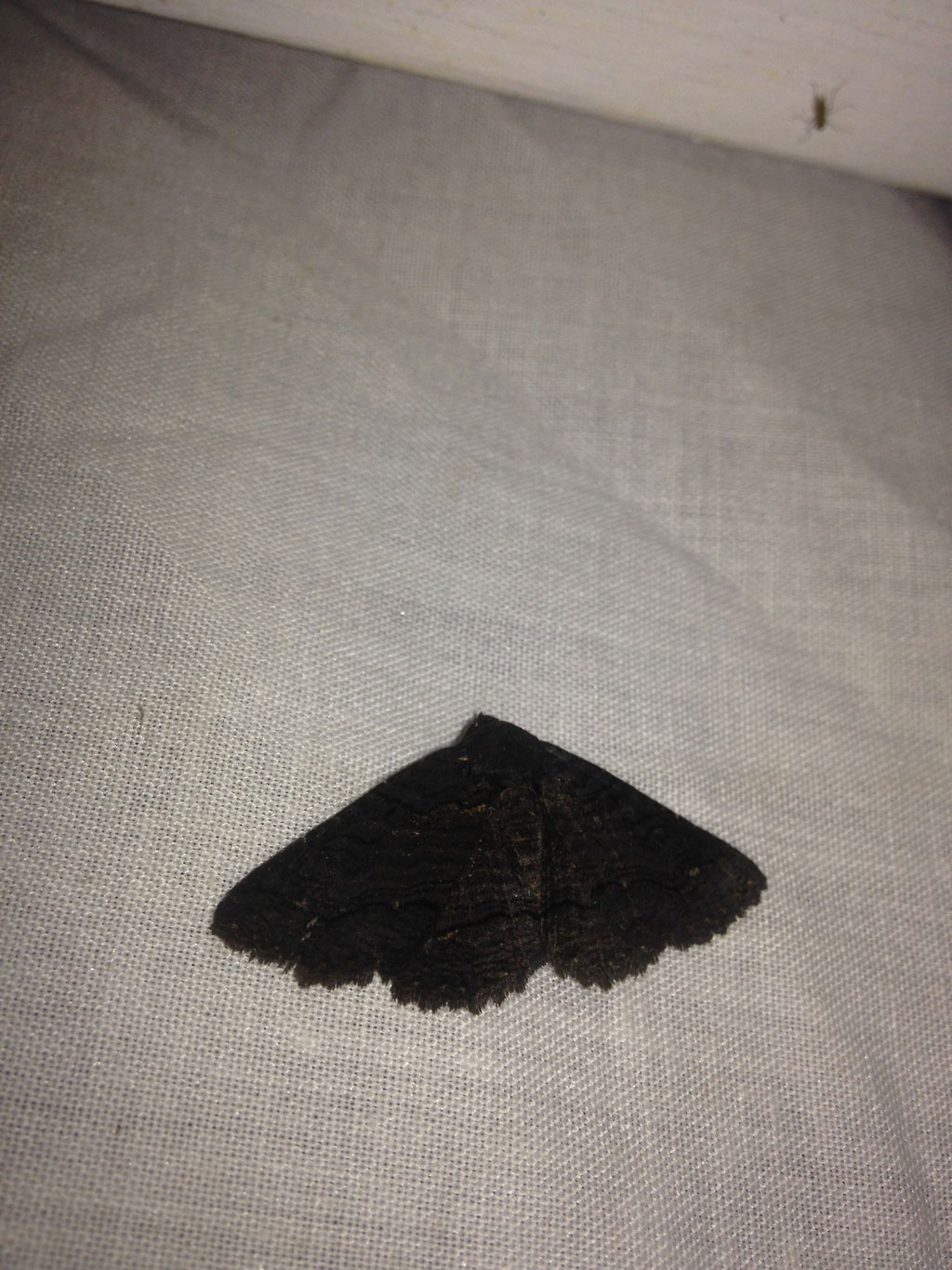
Common name: Black zale, Fishers Island NY, June 2017

Scientific name: Zale undularis

Season: Adults start flying in the Northeast in late spring and into September. Caterpillars are common by June.

Food: The caterpillars feed exclusively on locust trees.

Ecology: This dark-colored moth is able to camouflage itself against the bark of trees, whereas its caterpillars feed on the underside of leaves to hide from predators. The caterpillars are incredibly muscular, and when alarmed, will launch themselves from leaves to avoid capture.