Fishers Island Conservancy
  • Home
  • Who We Are
    • Our Mission
    • Our History
    • Our People
    • Contact Us
  • What We Do
    • Shorebird Monitoring
    • Annual Bird Counts
    • Marine Debris Clean Up
    • Island Sentinels
    • Research and Survey Team
    • Grassland Restoration
    • Mosquito Control
    • Invasive Plant Management
  • How To Help
    • Donate
    • Join Us
  • News
  • Events
    • Calendar
Wednesday, April 29, 2026
Fishers Island Conservancy
  • Home
  • Who We Are
    • Our Mission
    • Our History
    • Our People
    • Contact Us
  • What We Do
    • Shorebird Monitoring
    • Annual Bird Counts
    • Marine Debris Clean Up
    • Island Sentinels
    • Research and Survey Team
    • Grassland Restoration
    • Mosquito Control
    • Invasive Plant Management
  • How To Help
    • Donate
    • Join Us
  • News
  • Events
    • Calendar
Fishers Island Conservancy
  • Home
  • Who We Are
    • Our Mission
    • Our History
    • Our People
    • Contact Us
  • What We Do
    • Shorebird Monitoring
    • Annual Bird Counts
    • Marine Debris Clean Up
    • Island Sentinels
    • Research and Survey Team
    • Grassland Restoration
    • Mosquito Control
    • Invasive Plant Management
  • How To Help
    • Donate
    • Join Us
  • News
  • Events
    • Calendar
Copyright 2026 - All Right Reserved
Current EventsEventsFeatureNews

Wildlife in Trouble? We’re Here to Help

by Anna White July 1, 2025

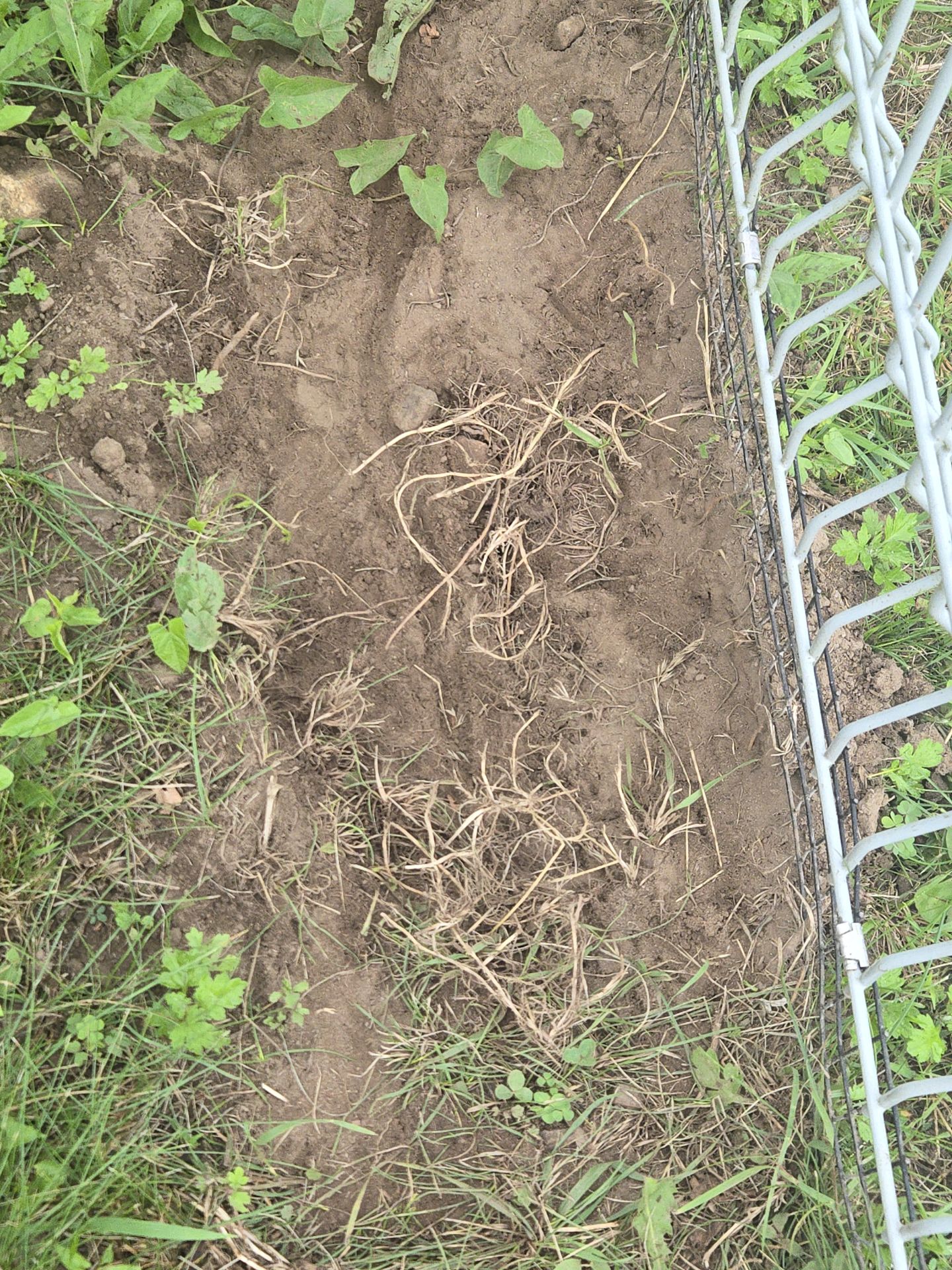
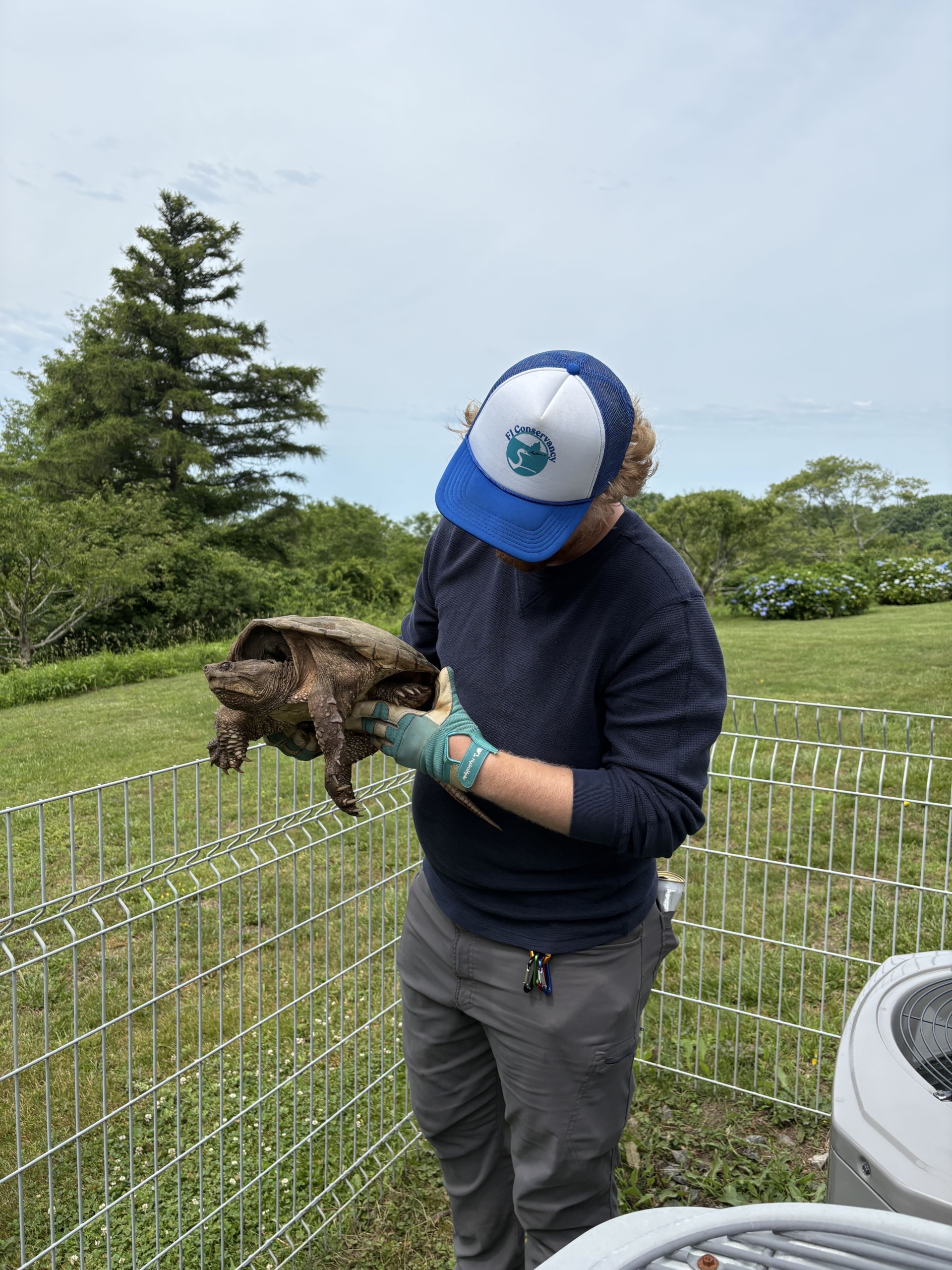
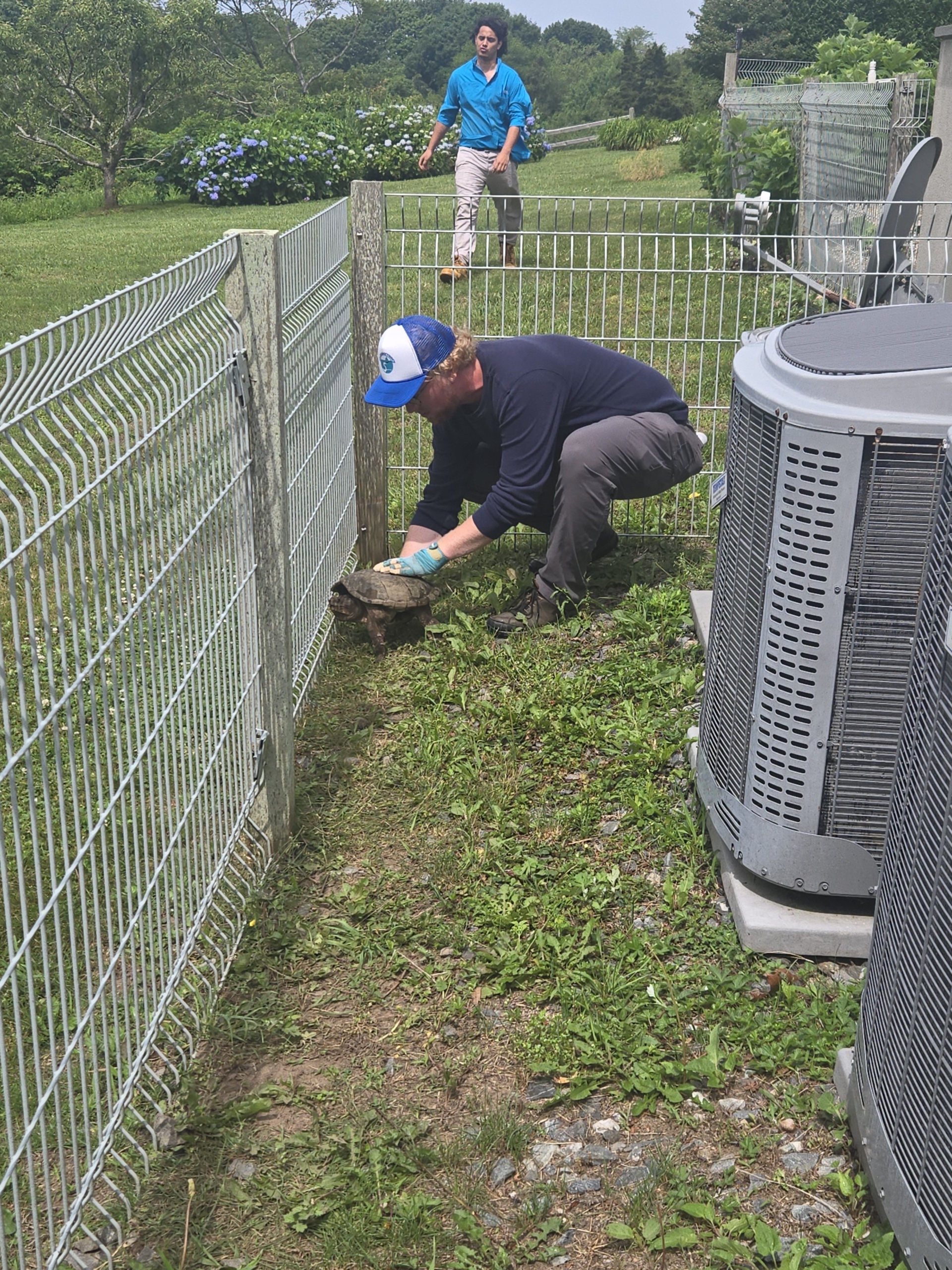
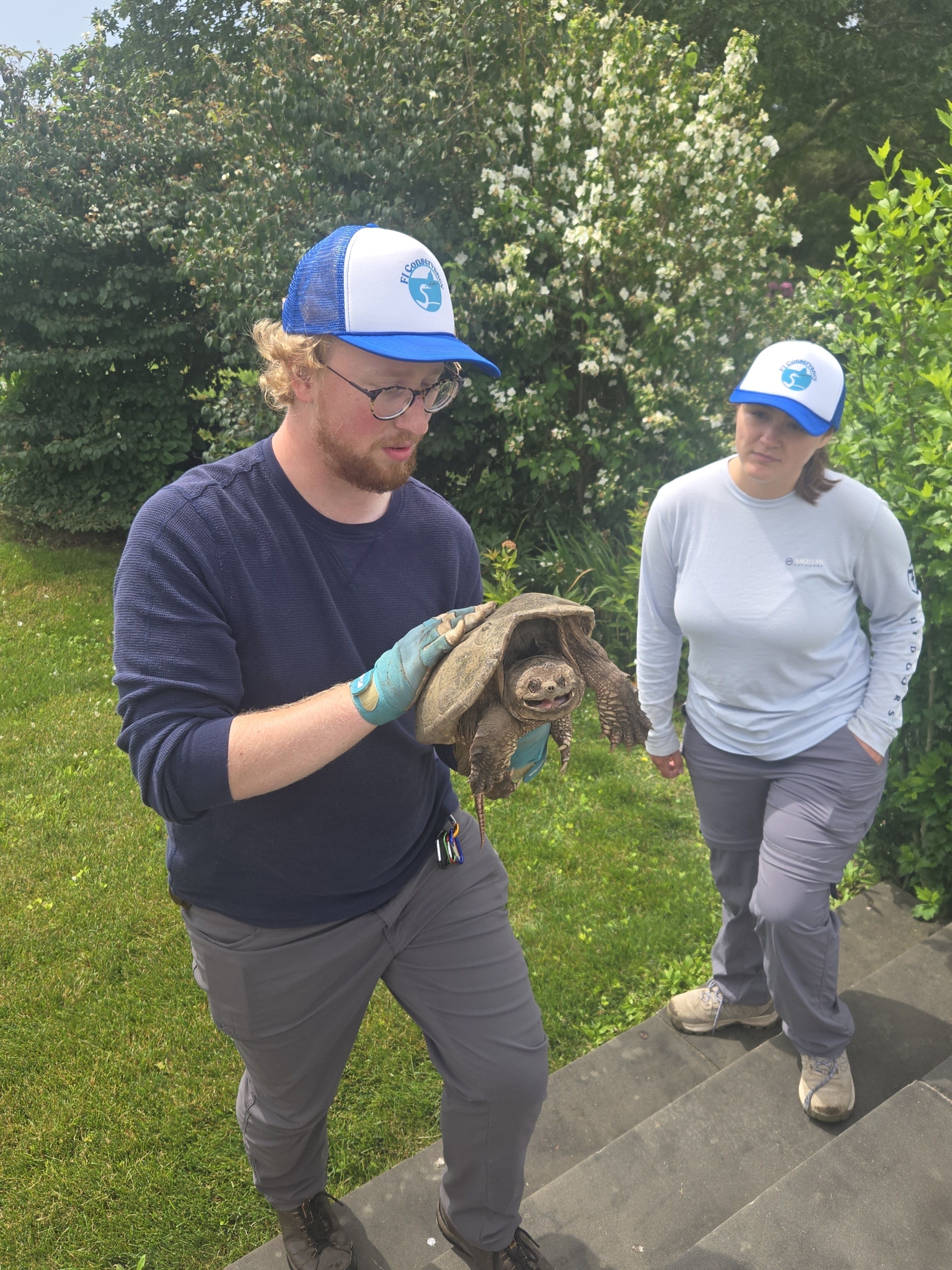
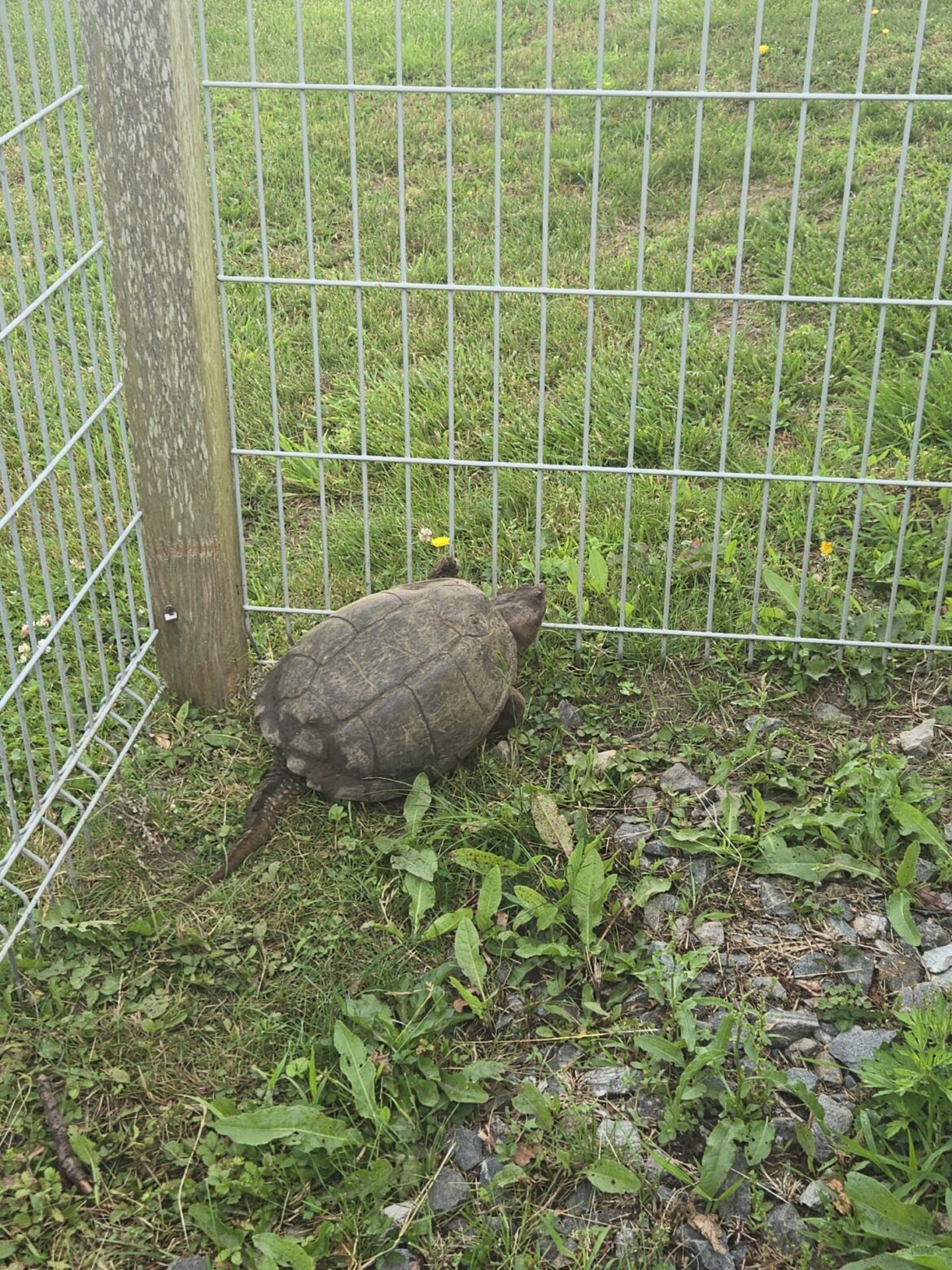
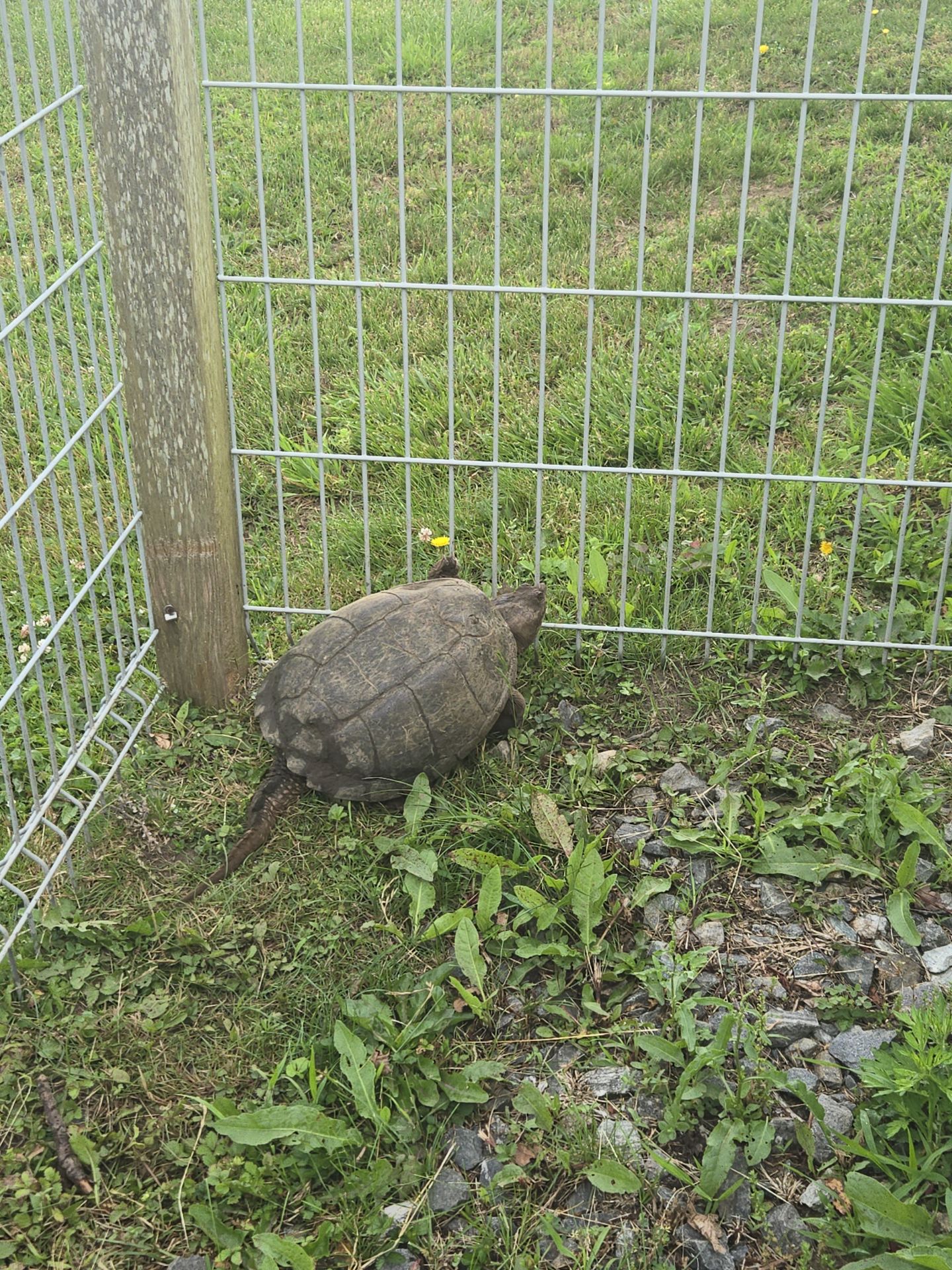
A concerned community member recently reached out after discovering a snapping turtle trapped in a fenced enclosure near their HVAC condensers while attempting to nest.

We are here for a quick response when situations like this arise. Wildlife becoming stuck, disoriented, or nesting in unsafe areas is more common than many realize, especially during active seasons like spring and summer. Recently, we’ve seen a noticeable increase in turtle nesting across the island, and this event reminds us how important it is to stay alert to the needs of our local wildlife.

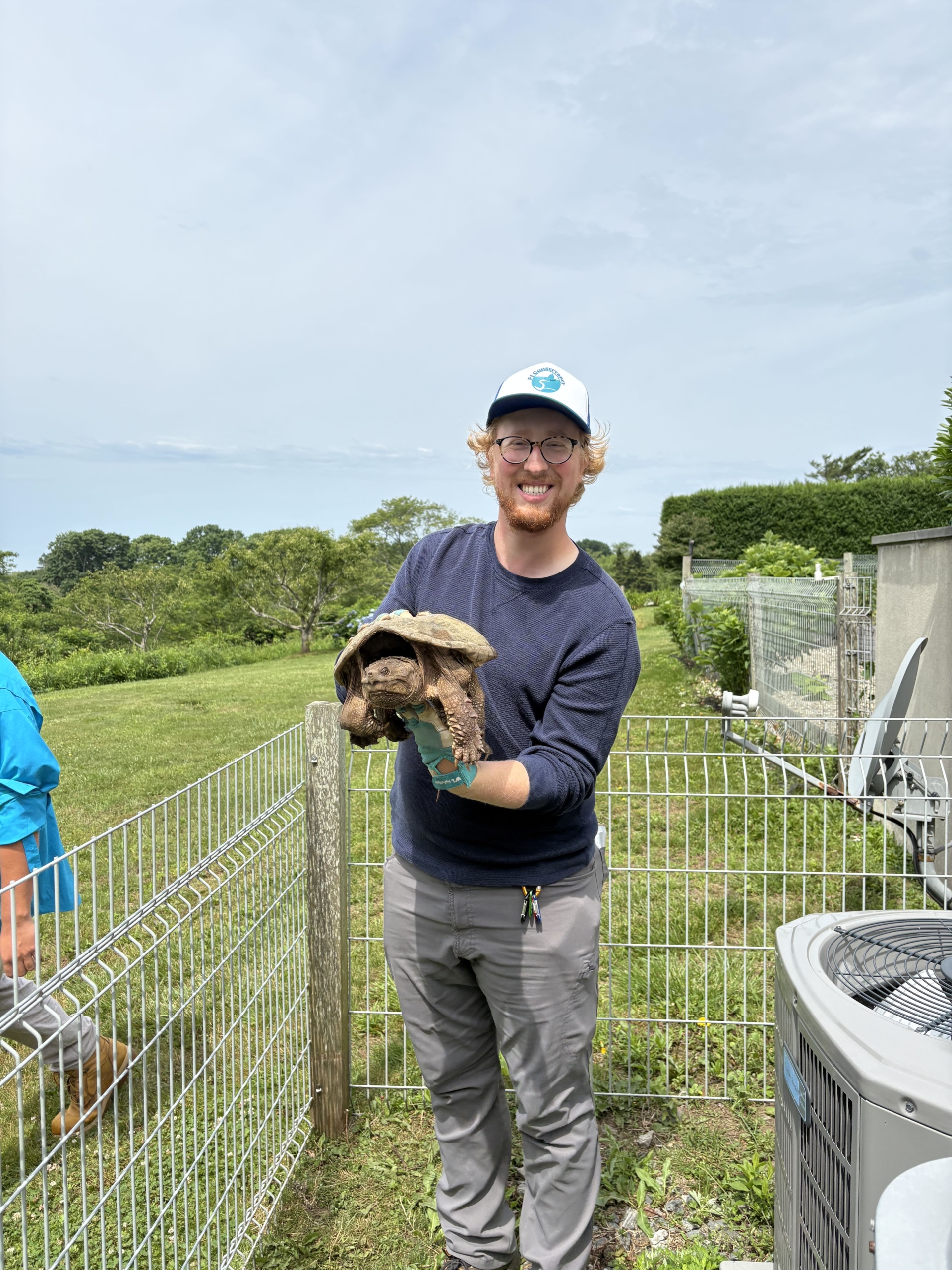
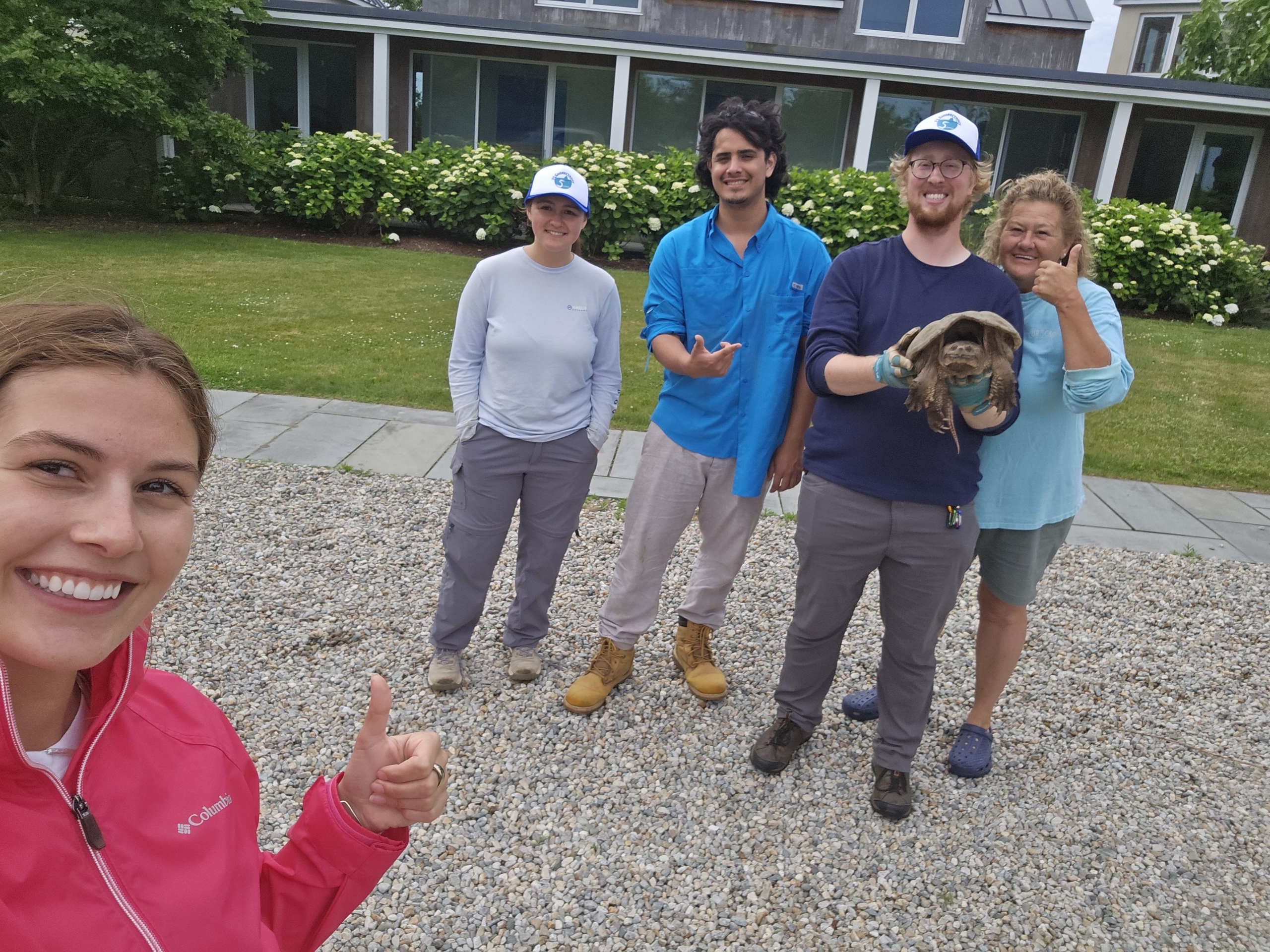
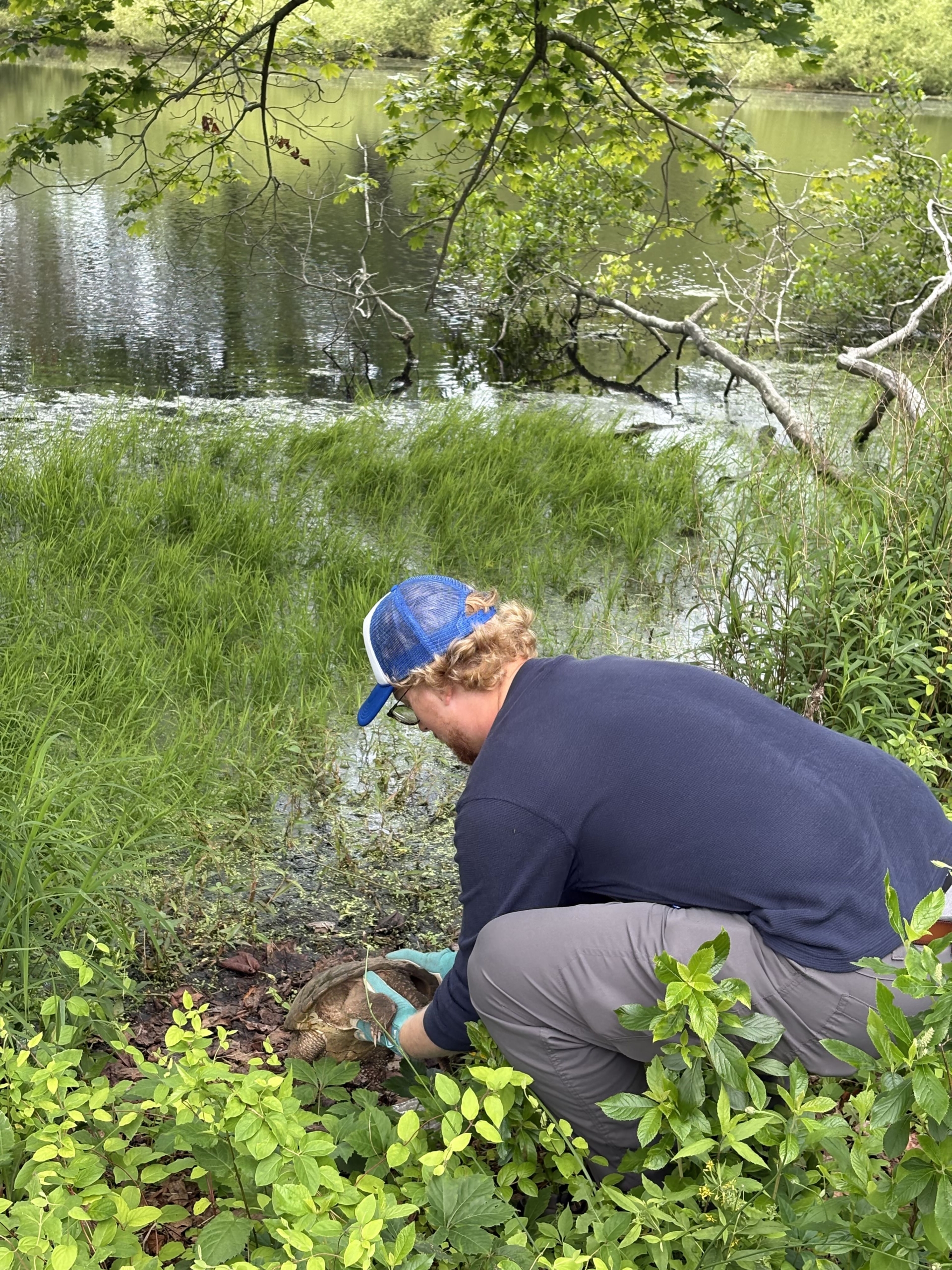
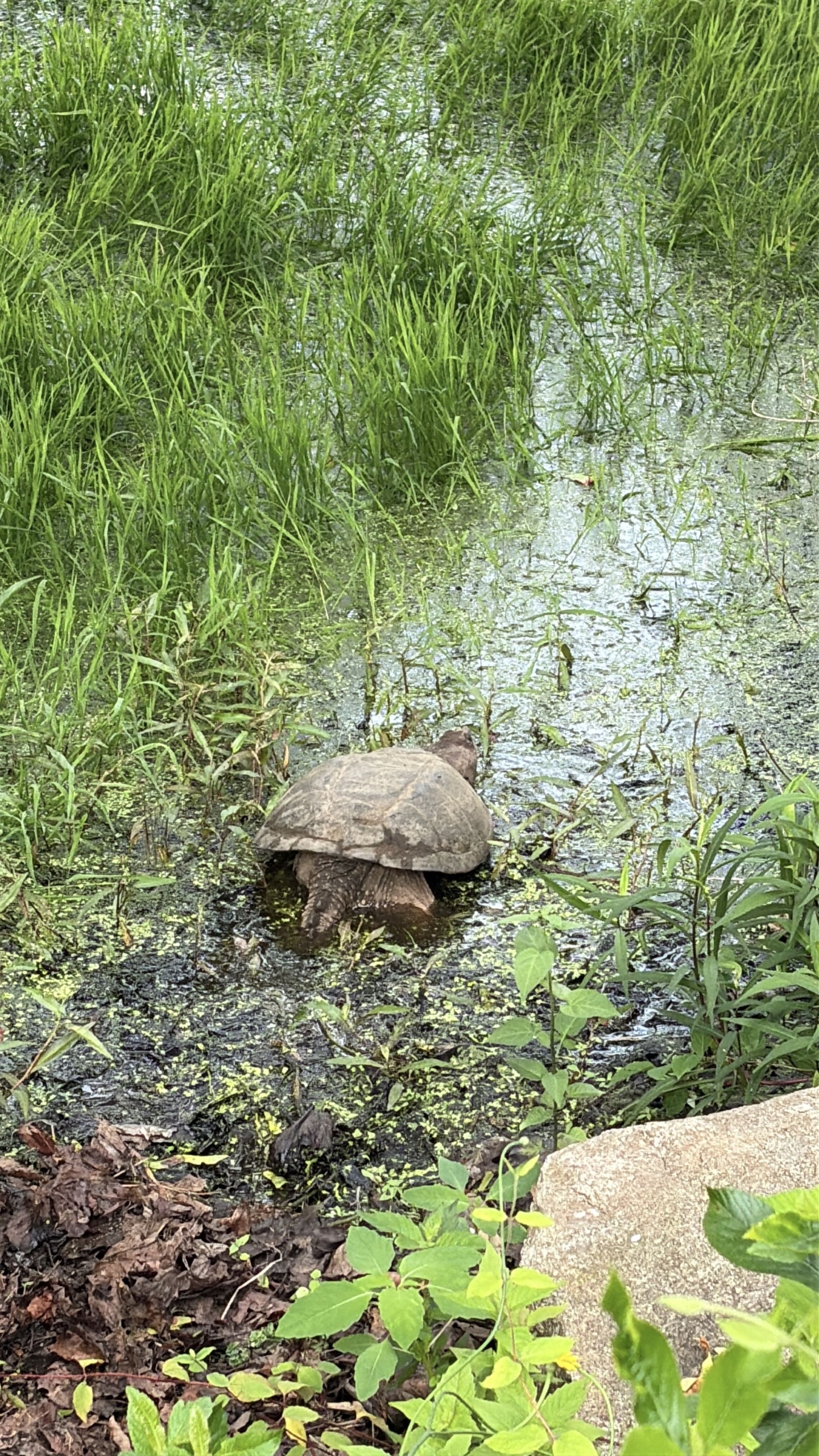
Michele, our Marine Debris Coordinator, responded immediately with members of the FIRST team. Ph.D. student Tyler McMahon is a permitted wildlife handler and authorized to assist with the safe relocation of wildlife safely. Tyler was able to relocated the turtle to Duck Pond, where it can nest safely among many others this season.

While this story involves a snapping turtle, the Conservancy is available to help with any wildlife situation.  Our goal is to protect and support all wildlife on Fishers Island.

If you come across any wild animal in distress, trapped, or nesting in a dangerous spot, please reach out.

Contact Us
Anna White [annarwfic@gmail.com] | [575-915-5969]
 
July 1, 2025 30 views
Current EventsEventsFeatureNews

Buzzing About Bees with FIWMD

by Anna White June 30, 2025
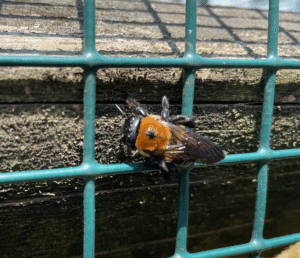
Eastern Carpenter Bee by Kristen Peterson (iNaturalist)

Eastern Carpenter Bee by Kristen Peterson (iNaturalist)

The Fishers Island Conservancy is helping Fishers Island Waste Management District get people buzzing about why bees are so important to the ecosystem and what are the non-lethal ways to reduce bees being drawn to our waste areas.

If you have an allergy or are otherwise concerned, please ask our attendants to dispose of your household trash and recycling for you. Your safety is our priority.

Why Bees Sting (and Why It’s Rare)

Please note that typically, the act of a bee stinging someone is far more dangerous to the bee itself than the person they are attempting to sting. This is because the stinger is often barbed and difficult to remove from the skin of a vertebrate—in some cases, the stinger itself remains embedded and the insect disembowels itself in the process of trying to get free.

Honeybee workers, which can have up to thousands in the hive, are expendable and their hive can afford the workers to sacrifice themselves like this.

Our native bees rarely sting as they are mostly solitary; however, both solitary and honeybees would likely be attracted to the same kind of lethal trap or poison that might be considered an option.

Why Bee Traps Don’t Work

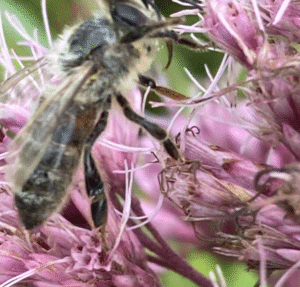
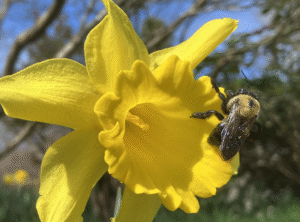
Western Honey Bee by Murray Fisher (iNaturalist)

Western Honey Bee by Murray Fisher (iNaturalist)

Bee traps are ineffective in reducing the numbers of bees, and are even potentially counterproductive because they are baited to attract bees.

Sugary residues, food waste, and certain scents naturally attract them, especially when alternative foraging options are limited.

What You Can Do

While there will likely be no foolproof way to keep the bees from being attracted to any sweet-smelling waste, there are ways to mitigate the situation.

Pick up your complementary green 7-gallon bucket from the Compost Station and start separating your food scraps from your household trash. This diverts heavy wet materials from being a waste that is shipped off island into a resource that turns into beautiful free compost for your garden.

This also means less sweet-smelling household trash at the transfer station which will in turn attract fewer bees.

Rinse your recycling—this will also lessen the attractiveness to bees.

And, again, please know that our attendants are there to help you and can dispose of your trash and recycling on your behalf.

A Healthy Bee Population is a Good Sign

Seeing bees around the island is actually a good sign! It reflects the health and resilience of our local ecosystems and shows that our island continues to support a strong pollinator population.

Pollinator gardens provide high-quality food sources away from human areas, helping reduce direct bee-human encounters.

Traps, on the other hand, are largely ineffective because they kill indiscriminately, often harming beneficial or harmless species, and they don’t address the real attractants like unwashed recycling or food waste.

Broader native habitat improvements, like invasive plant removal and native species planting, will go a long way toward creating sustainable solutions that benefit pollinators and the larger ecosystem.

Bee ID: Who’s Buzzing Around?

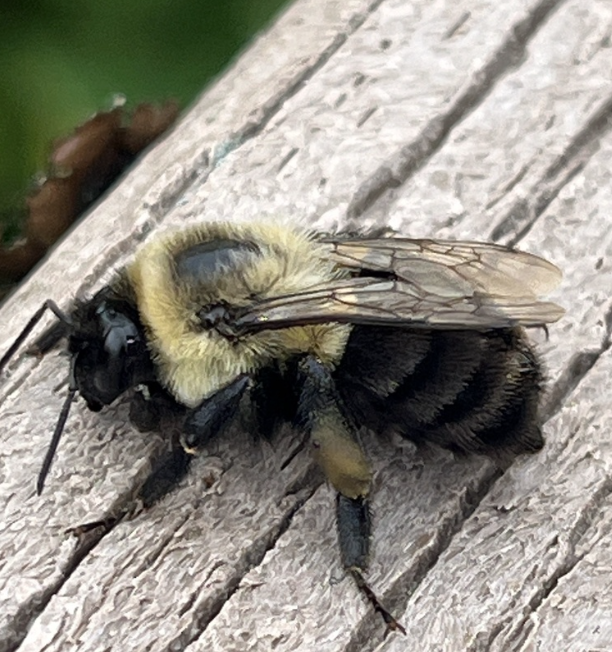
Common Eastern Bumble Bee by Steffen Kucsera

Common Eastern Bumble Bee by Steffen Kucsera

Not all bees are the same, and not all are likely to sting or even live in colonies. Here’s how to tell some of our most common bee visitors apart:

Honey Bees
These bees are small and golden-brown with fuzzy bodies. They live in large colonies and are social pollinators. Honey bees are the ones that produce honey and can sting, but usually only when threatened.

Bumble Bees
Bumble bees are larger and rounder, with very fuzzy black-and-yellow bodies. They’re also social but tend to be gentle. Bumble bees are excellent pollinators and rarely sting.

Carpenter Bees
Carpenter bees look similar in size to bumble bees but have shiny, hairless black abdomens. They’re often spotted near wooden structures, where they create small nesting holes. Males don’t sting, and females usually won’t unless directly handled.

Knowing which bee you’re seeing helps reduce fear and encourages appreciation for the vital role they play in our environment!

June 30, 2025 29 views
Bird CountsCurrent EventsEventsFeatureNews

June 2025 Bird Count Results

by Anna White June 27, 2025

FIRST members Francisco Salgado and Jose Alvarez

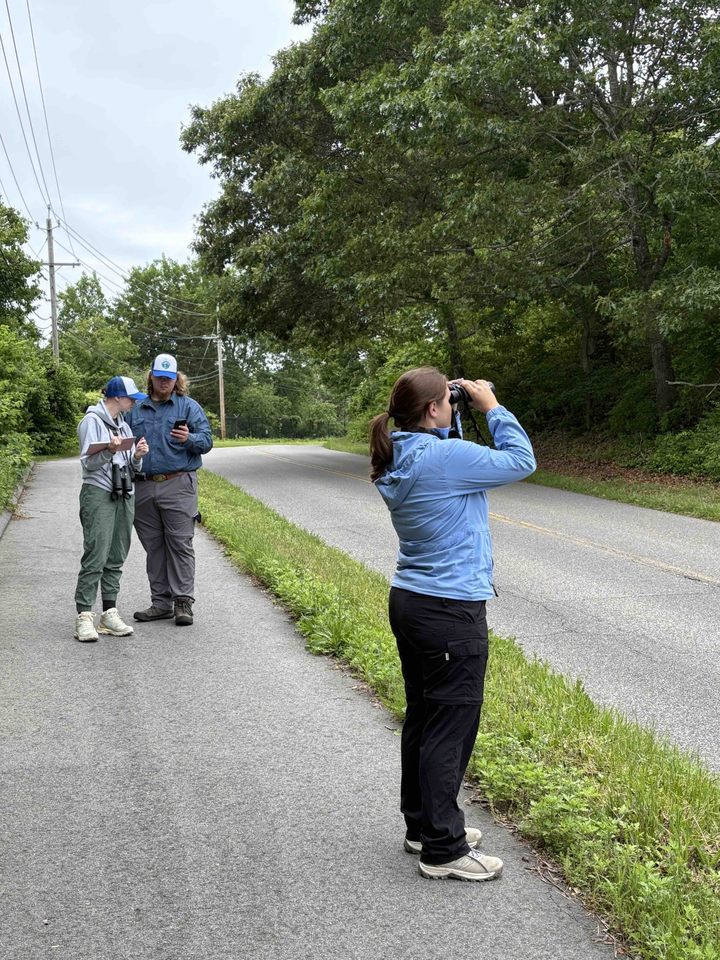
On Sunday, June 15th, the Fishers Island Research and Survey Team (FIRST) conducted a standardized bird survey as part of its ongoing biodiversity monitoring efforts. Following Audubon’s established point count methodology, team members visited multiple predetermined locations across the island, pausing at each for a fixed 5-minute interval to record every bird seen or heard. This method ensures consistency and comparability year after year… a critical component in understanding trends in bird populations over time.

What did they find? A remarkable total of 52 distinct bird species, reflecting the ecological richness of Fishers Island in early summer!

June 2025 Bird Count
American Crow
American Goldfinch
American Redstart
American Robin
Bank Swallow
Barn Swallow
Bewicks Wren
Black-Capped Chickadee
Blue Jay
Brown-Headed Cowbird
Carolina Wren
Cedar Waxwing
Chesnut-Sided Warbler
Chimney Swallow
Chimney Swift
Common Grackle
Common Tern
Common Yellowthroat
Double Crested Cormorant
Dove sp.
Downy Woodpecker
Eastern Towhee
Eastern Wood-Peewee
European Starling
Fish Crow
Great Black Backed Gull
Great Crested Flycatcher
Grey Catbird
Hairy Woodpecker
Herring Gull
House Finch
House Sparrow
Killdeer
Mourning Dove
Mute Swan
Northern Cardinal
Northern House Wren
Northern Mockingbird
Osprey
Red-Bellied Woodpecker
Red-Eyed Vireo
Red-Winged Blackbird
Ring-Necked Pheasant
Song Sparrow
Tree Swallow
Tufted Titmouse
White Throated Sparrow
White-Breasted Nuthatch
White-Eyed Vireo
Willow Flycatcher
Wood Thrush
Yellow Warbler

The significance of these observations goes far beyond simple numbers. Each sighting contributes to a growing dataset that helps track the presence, abundance, and habitat preferences of avian species on the island. This is especially important in the face of ongoing environmental changes and land management practices.

Francisco Salgado, a returning FIRST member and bird researcher, is using data like this to examine bird box occupancy and breeding success in Fishers Island’s restored grasslands.

Birds are more than just beautiful visitors… they are indicators of ecosystem health.

Stay tuned as the team continues to share their work in conservation, research, and stewardship throughout the summer!

June 27, 2025 28 views
Conservancy NewsCurrent EventsEventsFeatureNews

A Weekend with Dr. Douglas Tallamy

by Anna White June 27, 2025

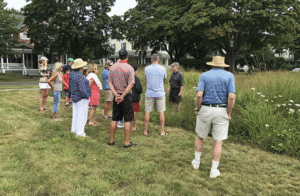
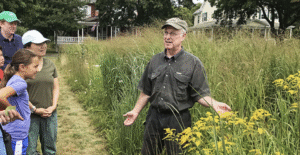
The Fishers Island Conservancy is pleased to announce that Professor Douglas Tallamy, the renowned entomologist and conservationist, will be visiting Fishers Island July 18-20. Professor Tallamy will be receiving the first Conservancy medal, honoring his contributions to our understanding of biodiversity, conservation, and sustainable gardening practices. While on the island, Professor Tallamy will be giving an illustrated talk on native planting best practices, offering tours of the Parade Grounds, and will be available for some very limited home site visits.  Dr. Tallamy has been a key advisor to the Fishers Island Conservancy in the transformation of the Parade Grounds, lending his ecological expertise and guiding the use of native plants to maximize insect and bird biodiversity. His contributions have helped shape the site into a living example of habitat restoration, and his involvement has inspired continued efforts to expand native planting across the island. The Parade Grounds and Demonstration Garden now serve not only as habitat but also as educational resources for visitors and residents alike.
Dr. Tallamy’s simple message that native plants support diverse insect populations, which help sustain birds and other wildlife, has resonated with home gardeners across the country. His seminal book, “Bringing Nature Home,” has garnered widespread acclaim and serves as a guide for homeowners, landscapers, and conservationists, encouraging the use of native plants in gardens and urban environments. His second book, Nature’s Best Hope, became a New York Times bestseller and further established his role as a national leader in ecological gardening and grassroots conservation.
In addition, Dr. Tallamy has authored numerous books and scientific articles that contribute to the body of knowledge regarding the interactions between plants and insects. His efforts to educate the public about the ecological consequences of landscaping choices have helped foster a national movement towards more sustainable gardening practices. He emphasizes the idea that individual actions, such as planting native species, can collectively have a substantial impact on local ecosystems.
As a passionate environmentalist, Tallamy has also been involved in various initiatives aimed at promoting conservation and sustainability. He has collaborated with organizations like the National Wildlife Federation to develop programs that encourage home gardeners to create habitats for wildlife. He is also the co-founder of the Homegrown National Park initiative,  a grassroots movement that encourages people to partially convert lawns into native plant gardens, reflecting his commitment to changing how we view and interact with our landscapes. His educational and environmental stewardship has inspired countless individuals to rethink their gardening practices and the ways they contribute to local ecosystems.
The Fishers Island Conservancy looks forward to welcoming and honoring Dr. Tallamy this summer and continues to be inspired by his ongoing commitment to environmental education and awareness.

During his visit, Dr. Tallamy will lead guided nature walks through the Parade Grounds on both Saturday, July 19 and Sunday, July 20 at 9:30 a.m., and deliver a public talk and book signing at the Henry L. Ferguson Museum on Sunday, July 20 at 4:00 p.m.

We hope you’ll join us for this special weekend of learning, inspiration, and celebration of the native landscapes that support life on Fishers Island and beyond.

June 27, 2025 31 views
Current EventsEventsNews

Feral Cats of Fishers Island – 2025 Strategies

by Anna White June 23, 2025

To address the increased population of feral cats that have taken up home at the FI Waste Management District (FIWMD) Transfer Station, we are pleased to announce a renewed collaborative effort with FIWMD.

You may remember the cat program from several years ago. The program works to trap the cats for spay and neutering in order to control the population and improve the overall health of the feral cats going forward. Feral cats can destroy songbird populations. The FIWMD is committed to supporting the amazing work done by the Conservancy with the Parade Grounds bird sanctuary.
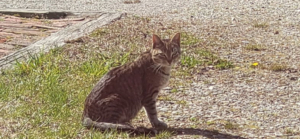
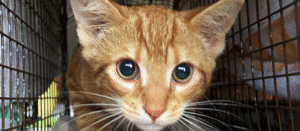
In the 2000s, the feral cat population surged on Fishers Island, with numbers estimated to be in the hundreds.
Contributing factors were residents and visitors who allowed their unneutered cats to roam and breed or left them behind when departing the Island.
In response, the Fishers Island Conservancy developed a humane approach by instituting a volunteer-managed program of trap, neuter, and release on the Island’s West End.
After a few years of successful efforts, it is thought that coyotes provided a natural form of population control.

Photo by Kristen Peterson

In the last couple of years, we have started to see an uptick in the feral cat population, particularly at the Transfer Station. This has coincided with a decrease in the coyote population and an increase in human interaction with the cats. There has been an ad hoc feeding program started at the Transfer Station, and the FIWMD and FI Conservancy would like to formalize the cat feeding program to work towards the eventual capture and spay/neuter of the cat population.

FIWMD and FI Conservancy do not deny that the cats have a certain value to the station, potentially keeping the rodent population at bay. A lower rodent population will mean less residential poison being used, which is also better for the birds, so there is a delicate balance we want to maintain.
We want to ensure the public understands that feeding cats is a key component of the humane control of the cat population.
Feeding them makes it possible to trap them for the spay/neuter program.
They need to be somewhat comfortable with human interaction for the program to succeed.

FI Conservancy has looked into numerous avenues since the Jackie Williamson era, and unfortunately there are a lot of logistical and state issues with trying to get TAG vans to the island. So our best option is to take them to town to a vet hospital.

A volunteer will take the cats to the vet visit. We are exploring spay/neuter options with Stonington Vet Hospital and Nutmeg Spay/Neuter Clinic in Stratford (203 690 1550) / https://www.nutmegclinic.org. We are also looking for forever homes for any kittens we can.

Both FI Conservancy and FIWMD are committing funds to the program.

This will not be an overnight fix but rather a community effort, and we ask for your understanding, awareness, and patience as individuals are setting up and working on gathering information and resources to be able to execute this plan. We are starting with some identification procedures and data collection to understand some of the challenges and opportunities, since the feral cat population is variable and impacted by multiple factors like natural selection and an increase in residents adopting kittens over the last seven years. Thank you to all who have opened your doors!

We ask that people interested in supporting this important work contact the FI Conservancy for more information and make donations for the program through the FI Conservancy at https://www.ficonservancy.org/donate/.

Anyone interested in dropping off food for the program can bring bags of dry cat food to the Transfer Station.

We want to thank our dedicated volunteers for their support in launching this renewed effort.

Anyone interested in volunteering can contact the FI Conservancy at https://www.ficonservancy.org/get-involved/

June 23, 2025 39 views
Current EventsEventsNews

Sunset on the Beach 2025

by Anna White June 3, 2025

[av_one_half first min_height=” vertical_alignment=’av-align-top’ space=” row_boxshadow=” row_boxshadow_width=’10’ row_boxshadow_color=” custom_margin=” margin=’0px’ av-desktop-margin=” av-medium-margin=” av-small-margin=” av-mini-margin=” mobile_breaking=” mobile_column_order=” border=” border_style=’solid’ border_color=” radius=” min_col_height=” padding=” av-desktop-padding=” av-medium-padding=” av-small-padding=” av-mini-padding=” svg_div_top=” svg_div_top_color=’#333333′ svg_div_top_width=’100′ svg_div_top_height=’50’ svg_div_top_max_height=’none’ svg_div_top_flip=” svg_div_top_invert=” svg_div_top_front=” svg_div_top_opacity=” svg_div_top_preview=” svg_div_bottom=” svg_div_bottom_color=’#333333′ svg_div_bottom_width=’100′ svg_div_bottom_height=’50’ svg_div_bottom_max_height=’none’ svg_div_bottom_flip=” svg_div_bottom_invert=” svg_div_bottom_front=” svg_div_bottom_opacity=” svg_div_bottom_preview=” column_boxshadow=” column_boxshadow_width=’10’ column_boxshadow_color=” background=’bg_color’ background_color=” background_gradient_direction=’vertical’ background_gradient_color1=’#000000′ background_gradient_color2=’#ffffff’ background_gradient_color3=” src=” background_position=’top left’ background_repeat=’no-repeat’ highlight=” highlight_size=” animation=” animation_duration=” animation_custom_bg_color=” animation_z_index_curtain=’100′ parallax_parallax=” parallax_parallax_speed=” av-desktop-parallax_parallax=” av-desktop-parallax_parallax_speed=” av-medium-parallax_parallax=” av-medium-parallax_parallax_speed=” av-small-parallax_parallax=” av-small-parallax_parallax_speed=” av-mini-parallax_parallax=” av-mini-parallax_parallax_speed=” css_position=” css_position_location=” css_position_z_index=” av-desktop-css_position=” av-desktop-css_position_location=” av-desktop-css_position_z_index=” av-medium-css_position=” av-medium-css_position_location=” av-medium-css_position_z_index=” av-small-css_position=” av-small-css_position_location=” av-small-css_position_z_index=” av-mini-css_position=” av-mini-css_position_location=” av-mini-css_position_z_index=” link=” linktarget=” link_hover=” title_attr=” alt_attr=” mobile_display=” mobile_col_pos=’0′ id=” custom_class=” template_class=” aria_label=” av_uid=’av-196mt67′ sc_version=’1.0′]

[av_textblock fold_type=” fold_height=” fold_more=’Read more’ fold_less=’Read less’ fold_text_style=” fold_btn_align=” textblock_styling_align=” textblock_styling=” textblock_styling_gap=” textblock_styling_mobile=” size=” av-desktop-font-size=” av-medium-font-size=” av-small-font-size=” av-mini-font-size=” font_color=” color=” fold_overlay_color=” fold_text_color=” fold_btn_color=’theme-color’ fold_btn_bg_color=” fold_btn_font_color=” size-btn-text=” av-desktop-font-size-btn-text=” av-medium-font-size-btn-text=” av-small-font-size-btn-text=” av-mini-font-size-btn-text=” fold_timer=” z_index_fold=” id=” custom_class=” template_class=” av_uid=’av-liwcz47g’ sc_version=’1.0′ admin_preview_bg=”]

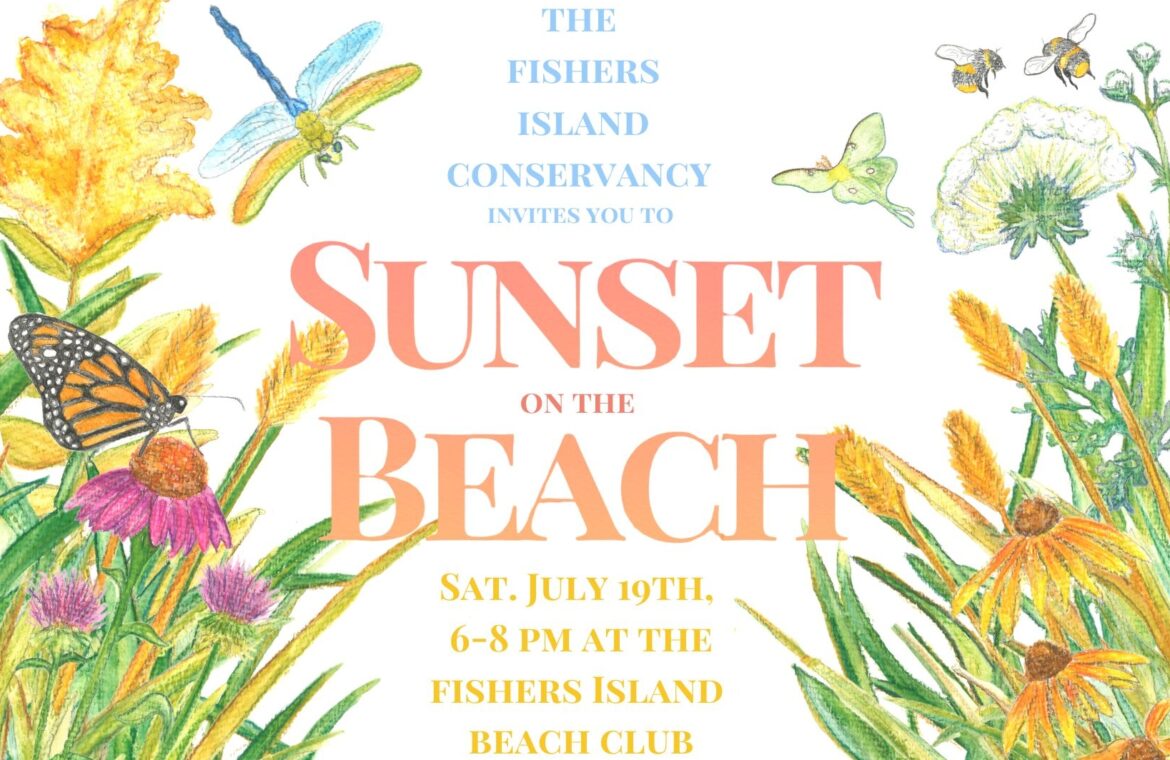
Please join us on the Big Club Beach to celebrate the work we are doing together to conserve and preserve Fishers Island.

Saturday, July 19th
6-8 pm

[/av_textblock]

[av_textblock fold_type=” fold_height=” fold_more=’Read more’ fold_less=’Read less’ fold_text_style=” fold_btn_align=” textblock_styling_align=” textblock_styling=” textblock_styling_gap=” textblock_styling_mobile=” size=” av-desktop-font-size=” av-medium-font-size=” av-small-font-size=” av-mini-font-size=” font_color=” color=” fold_overlay_color=” fold_text_color=” fold_btn_color=’theme-color’ fold_btn_bg_color=” fold_btn_font_color=” size-btn-text=” av-desktop-font-size-btn-text=” av-medium-font-size-btn-text=” av-small-font-size-btn-text=” av-mini-font-size-btn-text=” fold_timer=” z_index_fold=” id=” custom_class=” template_class=” av_uid=’av-lix8vn26′ sc_version=’1.0′ admin_preview_bg=”]

featuring
Open Bar, Hors d’Oeuvres and Raw Bar on the Big Club Beach

We’re looking forward to seeing you there!

[/av_textblock]

[av_hr class=’invisible’ icon_select=’yes’ icon=’ue808′ font=’entypo-fontello’ position=’center’ shadow=’no-shadow’ height=’30’ custom_border=’av-border-thin’ custom_width=’50px’ custom_margin_top=’30px’ custom_margin_bottom=’30px’ custom_border_color=” custom_icon_color=” id=” custom_class=” template_class=” av_uid=’av-l2xo4v’ sc_version=’1.0′ admin_preview_bg=”]

[av_textblock textblock_styling_align=” textblock_styling=” textblock_styling_gap=” textblock_styling_mobile=” size=” av-desktop-font-size=” av-medium-font-size=” av-small-font-size=” av-mini-font-size=” font_color=” color=” id=” custom_class=” template_class=” av_uid=’av-lj7fg6t8′ sc_version=’1.0′ admin_preview_bg=”]

Sponsorship Opportunities

$1200 Sponsorship (4 tickets)
$600 Sponsorship (2 tickets)

[/av_textblock]

[av_hr class=’invisible’ icon_select=’yes’ icon=’ue808′ font=’entypo-fontello’ position=’center’ shadow=’no-shadow’ height=’20’ custom_border=’av-border-thin’ custom_width=’50px’ custom_margin_top=’30px’ custom_margin_bottom=’30px’ custom_border_color=” custom_icon_color=” id=” custom_class=” template_class=” av_uid=’av-lix92hzj’ sc_version=’1.0′ admin_preview_bg=”]

[av_codeblock wrapper_element=” wrapper_element_attributes=” codeblock_type=” alb_description=” id=” custom_class=” template_class=” av_uid=’av-liwd0pzx’ sc_version=’1.0′]


Sunset Sponsor Levels

How to list your Sponsorship


[/av_codeblock]

[av_textblock fold_type=” fold_height=” fold_more=’Read more’ fold_less=’Read less’ fold_text_style=” fold_btn_align=” textblock_styling_align=” textblock_styling=” textblock_styling_gap=” textblock_styling_mobile=” size=” av-desktop-font-size=” av-medium-font-size=” av-small-font-size=” av-mini-font-size=” font_color=” color=” fold_overlay_color=” fold_text_color=” fold_btn_color=’theme-color’ fold_btn_bg_color=” fold_btn_font_color=” size-btn-text=” av-desktop-font-size-btn-text=” av-medium-font-size-btn-text=” av-small-font-size-btn-text=” av-mini-font-size-btn-text=” fold_timer=” z_index_fold=” id=” custom_class=” template_class=” av_uid=’av-lwgvdwyg’ sc_version=’1.0′ admin_preview_bg=”]

Corporate Opportunities Available

(Inquire Below)

The Osprey Level $5000
The Oystercatcher Level $2500

[/av_textblock]

[av_codeblock wrapper_element=” wrapper_element_attributes=” codeblock_type=” alb_description=” id=” custom_class=” template_class=” av_uid=’av-lwi81brl’ sc_version=’1.0′]


Corporate Levels


[/av_codeblock]

[av_hr class=’short’ icon_select=’yes’ icon=’ue808′ font=’entypo-fontello’ position=’center’ shadow=’no-shadow’ height=’50’ custom_border=’av-border-thin’ custom_width=’50px’ custom_margin_top=’30px’ custom_margin_bottom=’30px’ custom_border_color=” custom_icon_color=” id=” custom_class=” template_class=” av_uid=’av-liwd087f’ sc_version=’1.0′ admin_preview_bg=”]

[av_textblock fold_type=” fold_height=” fold_more=’Read more’ fold_less=’Read less’ fold_text_style=” fold_btn_align=” textblock_styling_align=” textblock_styling=” textblock_styling_gap=” textblock_styling_mobile=” size=” av-desktop-font-size=” av-medium-font-size=” av-small-font-size=” av-mini-font-size=” font_color=” color=” fold_overlay_color=” fold_text_color=” fold_btn_color=’theme-color’ fold_btn_bg_color=” fold_btn_font_color=” size-btn-text=” av-desktop-font-size-btn-text=” av-medium-font-size-btn-text=” av-small-font-size-btn-text=” av-mini-font-size-btn-text=” fold_timer=” z_index_fold=” id=” custom_class=” template_class=” av_uid=’av-lix927pr’ sc_version=’1.0′ admin_preview_bg=”]

Individual Tickets (Age 30 and up)

[/av_textblock]

[av_codeblock wrapper_element=” wrapper_element_attributes=” codeblock_type=” alb_description=” id=” custom_class=” template_class=” av_uid=’av-lix8u6x4′ sc_version=’1.0′]


Sunset Tickets


[/av_codeblock]

[av_hr class=’invisible’ icon_select=’yes’ icon=’ue808′ font=’entypo-fontello’ position=’center’ shadow=’no-shadow’ height=’20’ custom_border=’av-border-thin’ custom_width=’50px’ custom_margin_top=’30px’ custom_margin_bottom=’30px’ custom_border_color=” custom_icon_color=” id=” custom_class=” template_class=” av_uid=’av-1bkd8a7′ sc_version=’1.0′ admin_preview_bg=”]

[av_textblock fold_type=” fold_height=” fold_more=’Read more’ fold_less=’Read less’ fold_text_style=” fold_btn_align=” textblock_styling_align=” textblock_styling=” textblock_styling_gap=” textblock_styling_mobile=” size=” av-desktop-font-size=” av-medium-font-size=” av-small-font-size=” av-mini-font-size=” font_color=” color=” fold_overlay_color=” fold_text_color=” fold_btn_color=’theme-color’ fold_btn_bg_color=” fold_btn_font_color=” size-btn-text=” av-desktop-font-size-btn-text=” av-medium-font-size-btn-text=” av-small-font-size-btn-text=” av-mini-font-size-btn-text=” fold_timer=” z_index_fold=” id=” custom_class=” template_class=” av_uid=’av-lwgvf0vx’ sc_version=’1.0′ admin_preview_bg=”]

Junior Ticket (Age 29 and under) $75

[/av_textblock]

[av_codeblock wrapper_element=” wrapper_element_attributes=” codeblock_type=” alb_description=” id=” custom_class=” template_class=” av_uid=’av-lwgwveun’ sc_version=’1.0′]


Sunset Junior Entries


[/av_codeblock]

[av_hr class=’invisible’ icon_select=’yes’ icon=’ue808′ font=’entypo-fontello’ position=’center’ shadow=’no-shadow’ height=’30’ custom_border=’av-border-thin’ custom_width=’50px’ custom_margin_top=’30px’ custom_margin_bottom=’30px’ custom_border_color=” custom_icon_color=” id=” custom_class=” template_class=” av_uid=’av-lix946z0′ sc_version=’1.0′ admin_preview_bg=”]

[av_textblock fold_type=” fold_height=” fold_more=’Read more’ fold_less=’Read less’ fold_text_style=” fold_btn_align=” textblock_styling_align=” textblock_styling=” textblock_styling_gap=” textblock_styling_mobile=” size=” av-desktop-font-size=” av-medium-font-size=” av-small-font-size=” av-mini-font-size=” font_color=” color=” fold_overlay_color=” fold_text_color=” fold_btn_color=’theme-color’ fold_btn_bg_color=” fold_btn_font_color=” size-btn-text=” av-desktop-font-size-btn-text=” av-medium-font-size-btn-text=” av-small-font-size-btn-text=” av-mini-font-size-btn-text=” fold_timer=” z_index_fold=” id=” custom_class=” template_class=” av_uid=’av-lix908lb’ sc_version=’1.0′ admin_preview_bg=”]

Kindly purchase tickets by July 10th.

For questions or additional information on Corporate Sponsorship, please contact Caroline Mehta at caroline.mehta@gmail.com.

[/av_textblock]

[/av_one_half][av_one_half min_height=” vertical_alignment=’av-align-top’ space=” row_boxshadow=” row_boxshadow_width=’10’ row_boxshadow_color=” custom_margin=” margin=’0px’ av-desktop-margin=” av-medium-margin=” av-small-margin=” av-mini-margin=” mobile_breaking=” mobile_column_order=” border=” border_style=’solid’ border_color=” radius=” min_col_height=” padding=” av-desktop-padding=” av-medium-padding=” av-small-padding=” av-mini-padding=” svg_div_top=” svg_div_top_color=’#333333′ svg_div_top_width=’100′ svg_div_top_height=’50’ svg_div_top_max_height=’none’ svg_div_top_flip=” svg_div_top_invert=” svg_div_top_front=” svg_div_top_opacity=” svg_div_top_preview=” svg_div_bottom=” svg_div_bottom_color=’#333333′ svg_div_bottom_width=’100′ svg_div_bottom_height=’50’ svg_div_bottom_max_height=’none’ svg_div_bottom_flip=” svg_div_bottom_invert=” svg_div_bottom_front=” svg_div_bottom_opacity=” svg_div_bottom_preview=” column_boxshadow=” column_boxshadow_width=’10’ column_boxshadow_color=” background=’bg_color’ background_color=” background_gradient_direction=’vertical’ background_gradient_color1=’#000000′ background_gradient_color2=’#ffffff’ background_gradient_color3=” src=” background_position=’top left’ background_repeat=’no-repeat’ highlight=” highlight_size=” animation=” animation_duration=” animation_custom_bg_color=” animation_z_index_curtain=’100′ parallax_parallax=” parallax_parallax_speed=” av-desktop-parallax_parallax=” av-desktop-parallax_parallax_speed=” av-medium-parallax_parallax=” av-medium-parallax_parallax_speed=” av-small-parallax_parallax=” av-small-parallax_parallax_speed=” av-mini-parallax_parallax=” av-mini-parallax_parallax_speed=” css_position=” css_position_location=” css_position_z_index=” av-desktop-css_position=” av-desktop-css_position_location=” av-desktop-css_position_z_index=” av-medium-css_position=” av-medium-css_position_location=” av-medium-css_position_z_index=” av-small-css_position=” av-small-css_position_location=” av-small-css_position_z_index=” av-mini-css_position=” av-mini-css_position_location=” av-mini-css_position_z_index=” link=” linktarget=” link_hover=” title_attr=” alt_attr=” mobile_display=” mobile_col_pos=’0′ id=” custom_class=” template_class=” aria_label=” av_uid=’av-pxoe6n’ sc_version=’1.0′]
[av_image src=’https://www.ficonservancy.org/wp-content/uploads/2025/06/SOTB-Invite-2025-Square-Final-300×300.png’ attachment=’24734′ attachment_size=’medium’ src_dynamic=” copyright=” caption=” image_size=’large’ styling=” box_shadow=’none’ box_shadow_width=’10’ box_shadow_color=” align=’center’ font_size=” overlay_opacity=’0.4′ overlay_color=’#000000′ overlay_text_color=’#ffffff’ link=” link_dynamic=” target=” animation=’no-animation’ animation_duration=” animation_custom_bg_color=” animation_z_index_curtain=’100′ parallax_parallax=” parallax_parallax_speed=” av-desktop-parallax_parallax=” av-desktop-parallax_parallax_speed=” av-medium-parallax_parallax=” av-medium-parallax_parallax_speed=” av-small-parallax_parallax=” av-small-parallax_parallax_speed=” av-mini-parallax_parallax=” av-mini-parallax_parallax_speed=” hover=” blur_image=” grayscale_image=” fade_image=” appearance=” css_position=” css_position_location=’,,,’ css_position_z_index=” av-desktop-css_position=” av-desktop-css_position_location=’,,,’ av-desktop-css_position_z_index=” av-medium-css_position=” av-medium-css_position_location=’,,,’ av-medium-css_position_z_index=” av-small-css_position=” av-small-css_position_location=’,,,’ av-small-css_position_z_index=” av-mini-css_position=” av-mini-css_position_location=’,,,’ av-mini-css_position_z_index=” transform_perspective=” transform_rotation=’,,,’ transform_scale=’,,’ transform_skew=’,’ transform_translate=’,,’ av-desktop-transform_perspective=” av-desktop-transform_rotation=’,,,’ av-desktop-transform_scale=’,,’ av-desktop-transform_skew=’,’ av-desktop-transform_translate=’,,’ av-medium-transform_perspective=” av-medium-transform_rotation=’,,,’ av-medium-transform_scale=’,,’ av-medium-transform_skew=’,’ av-medium-transform_translate=’,,’ av-small-transform_perspective=” av-small-transform_rotation=’,,,’ av-small-transform_scale=’,,’ av-small-transform_skew=’,’ av-small-transform_translate=’,,’ av-mini-transform_perspective=” av-mini-transform_rotation=’,,,’ av-mini-transform_scale=’,,’ av-mini-transform_skew=’,’ av-mini-transform_translate=’,,’ mask_overlay=” mask_overlay_shape=’blob’ mask_overlay_size=’contain’ mask_overlay_scale=’100%’ mask_overlay_position=’center center’ mask_overlay_repeat=’no-repeat’ mask_overlay_rotate=” mask_overlay_rad_shape=’circle’ mask_overlay_rad_position=’center center’ mask_overlay_opacity1=’0′ mask_overlay_opacity2=’1′ mask_overlay_opacity3=” title_attr=” alt_attr=” img_scrset=” lazy_loading=’disabled’ id=” custom_class=” template_class=” av_element_hidden_in_editor=’0′ av_uid=’av-mccbagu9′ sc_version=’1.0′ admin_preview_bg=”][/av_image]
[/av_one_half]

June 3, 2025 50 views
Marine Reports

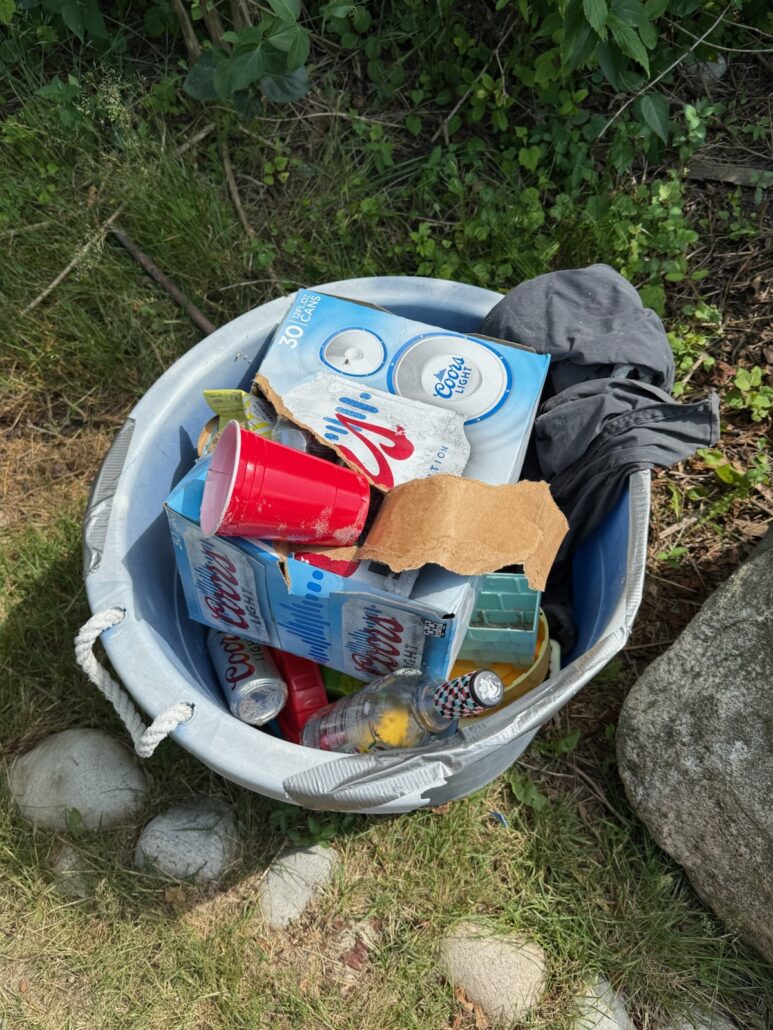
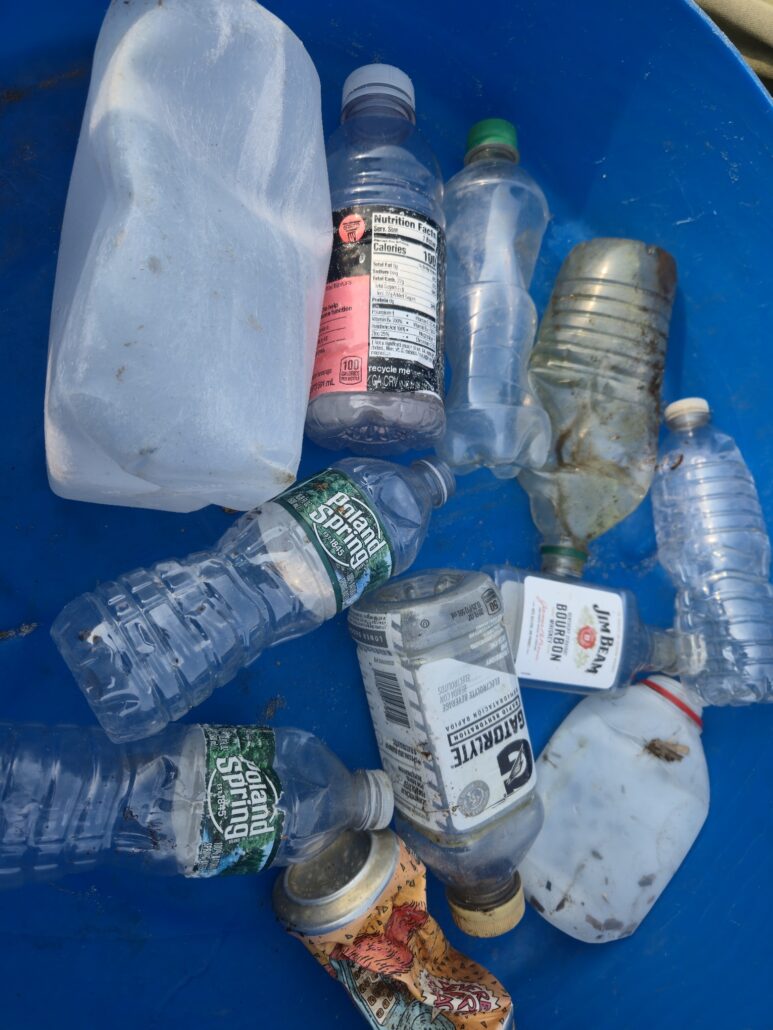
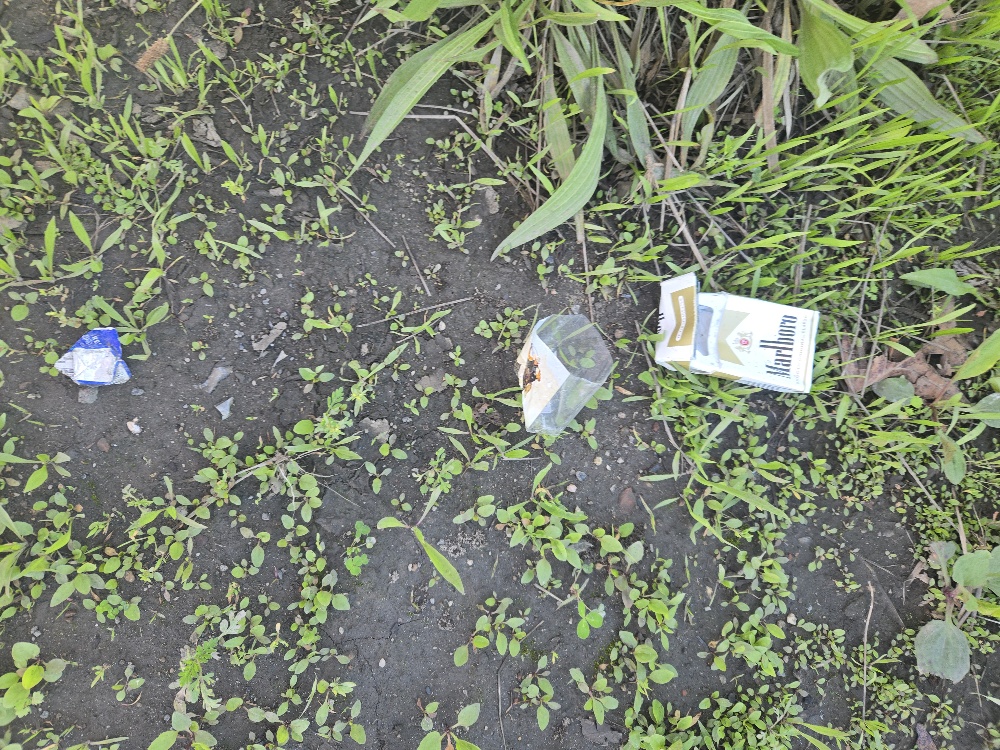
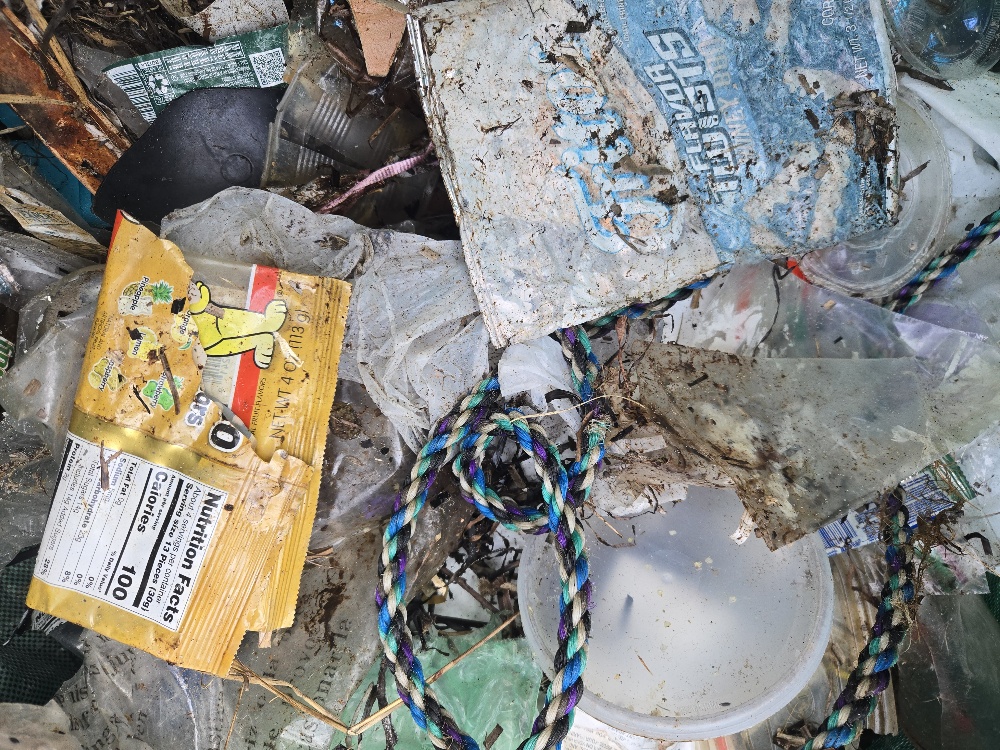
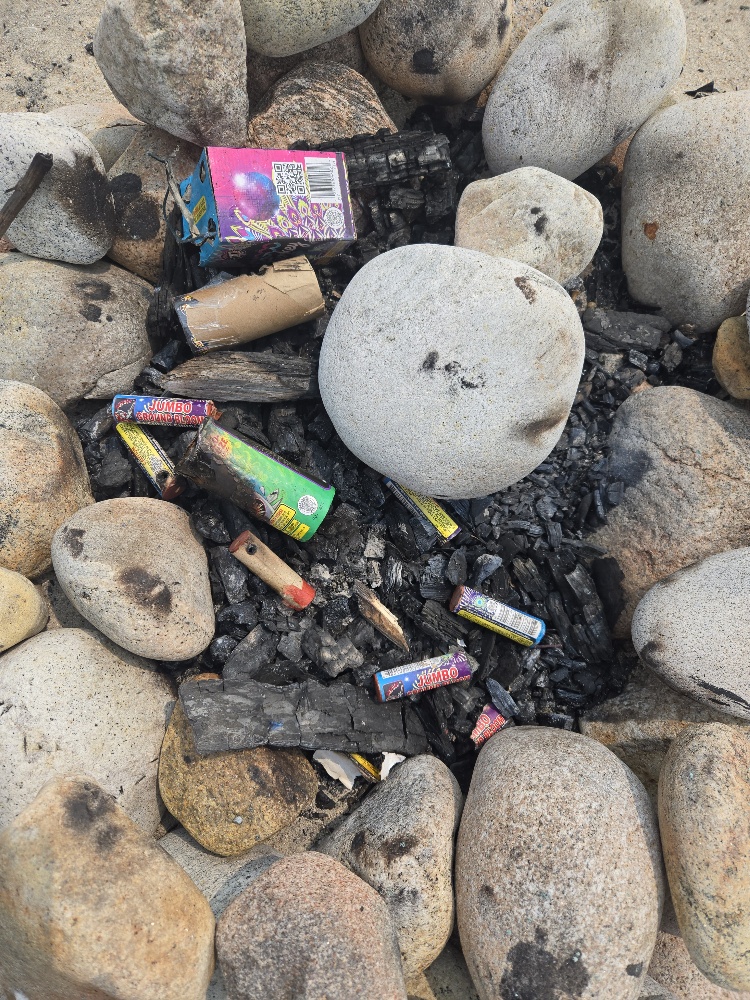
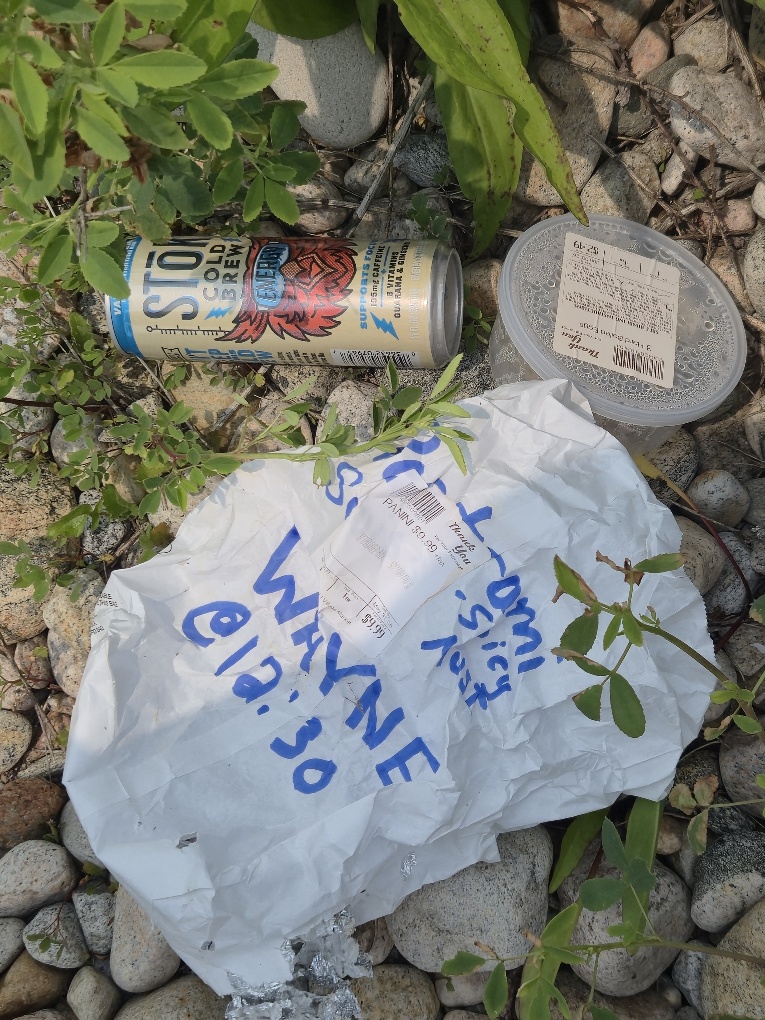
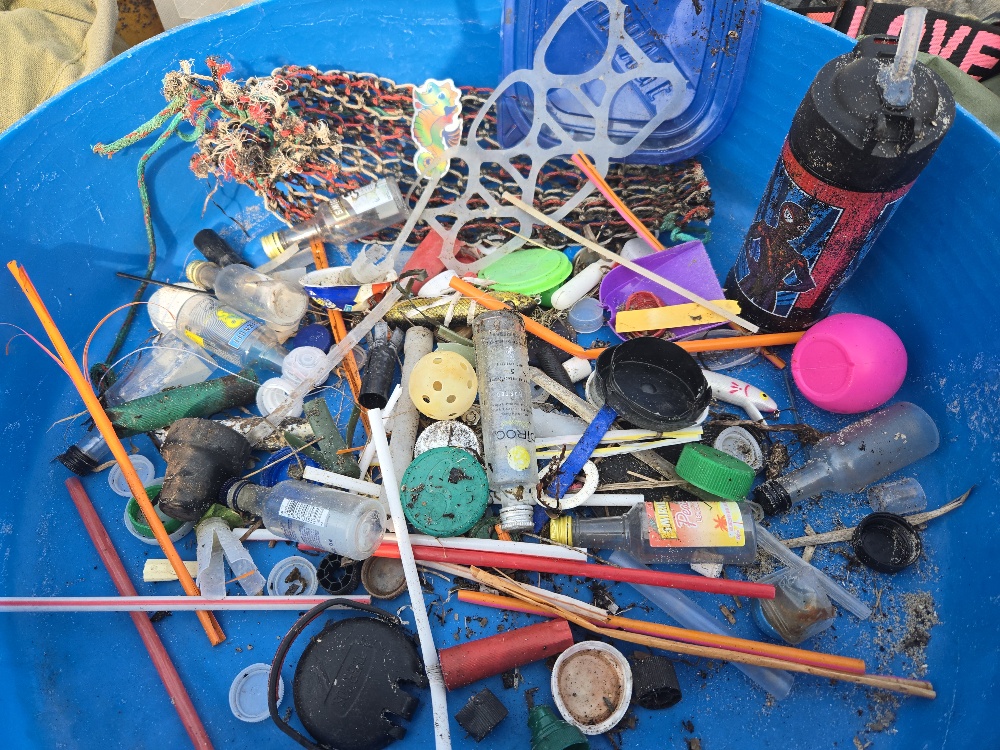
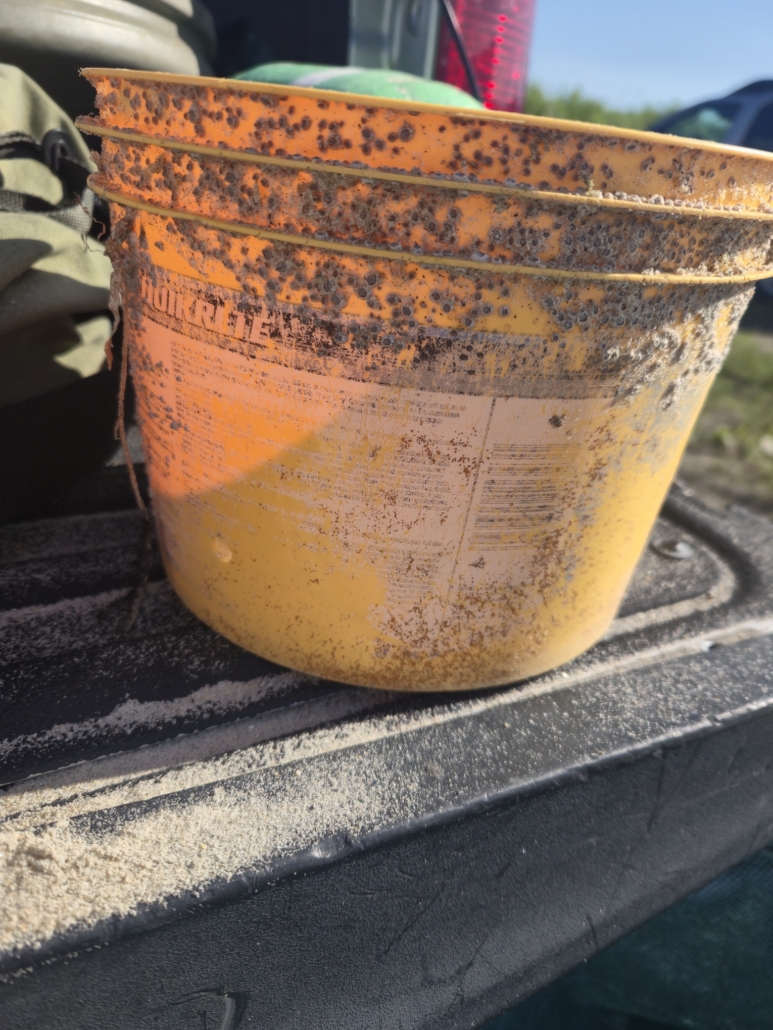
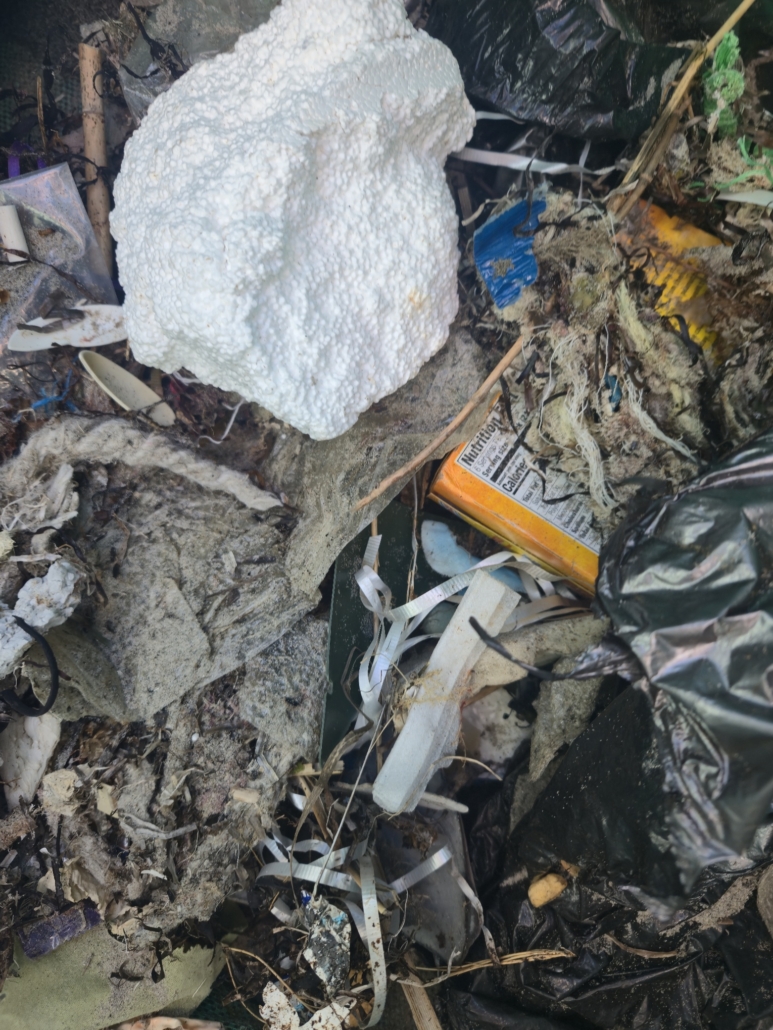
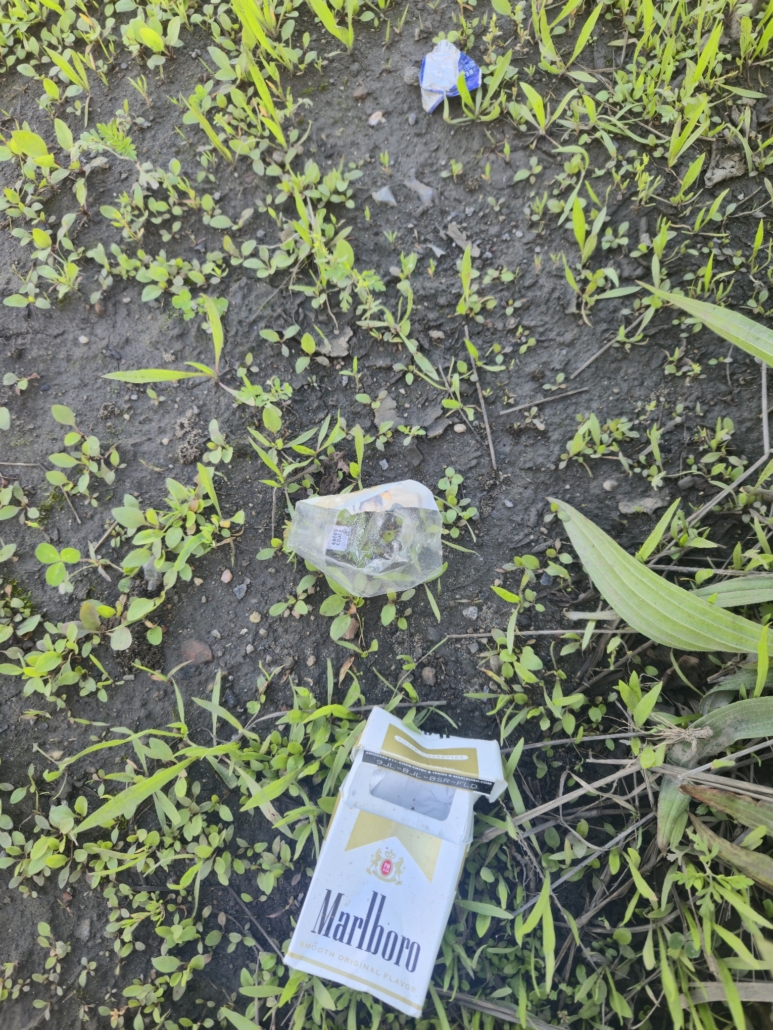
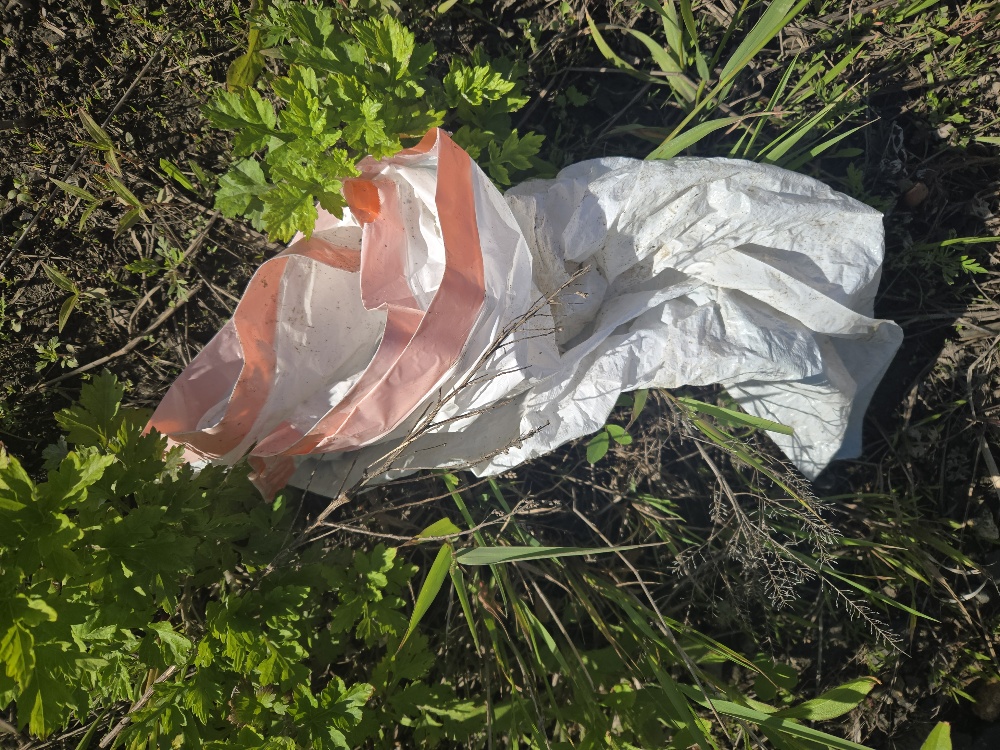
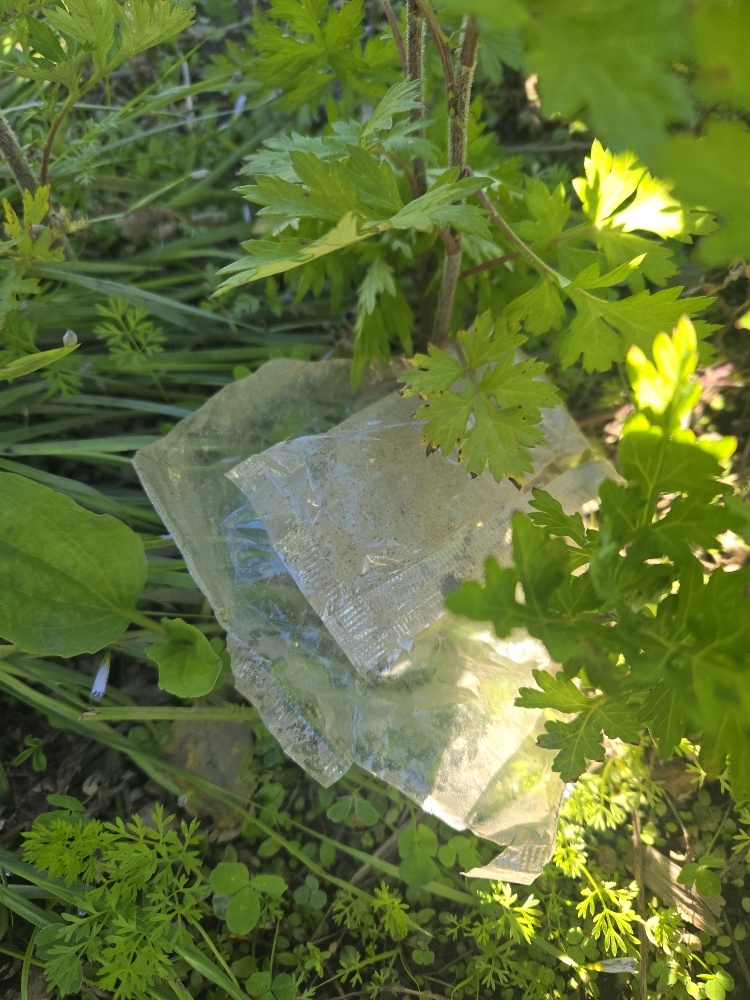
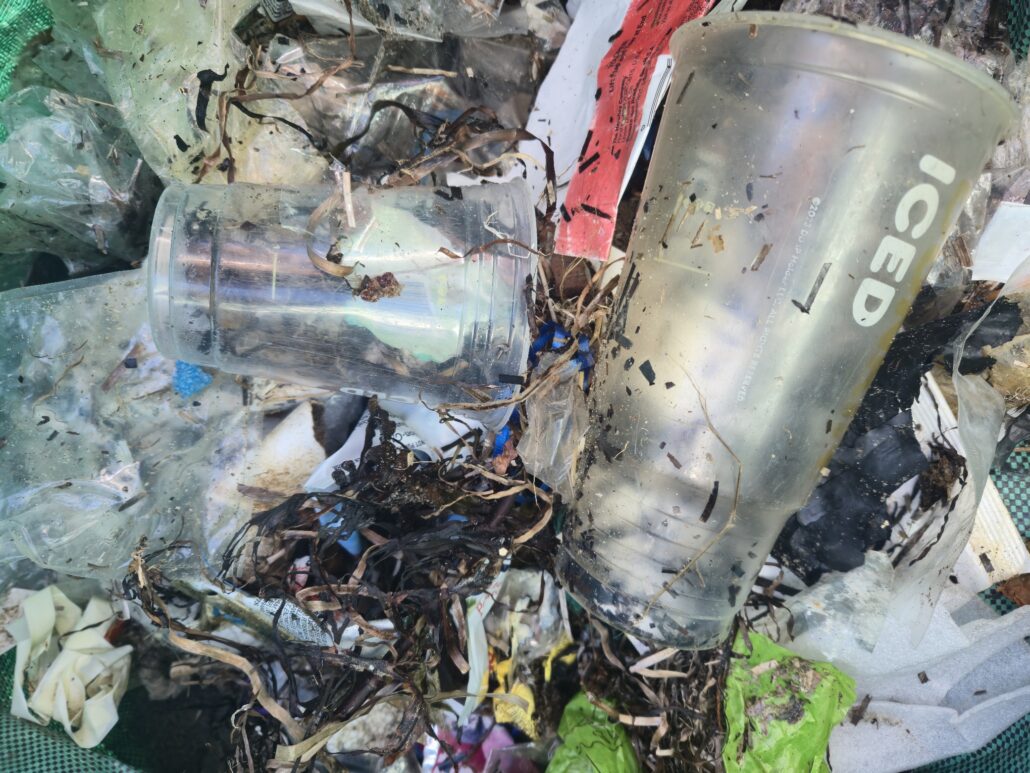
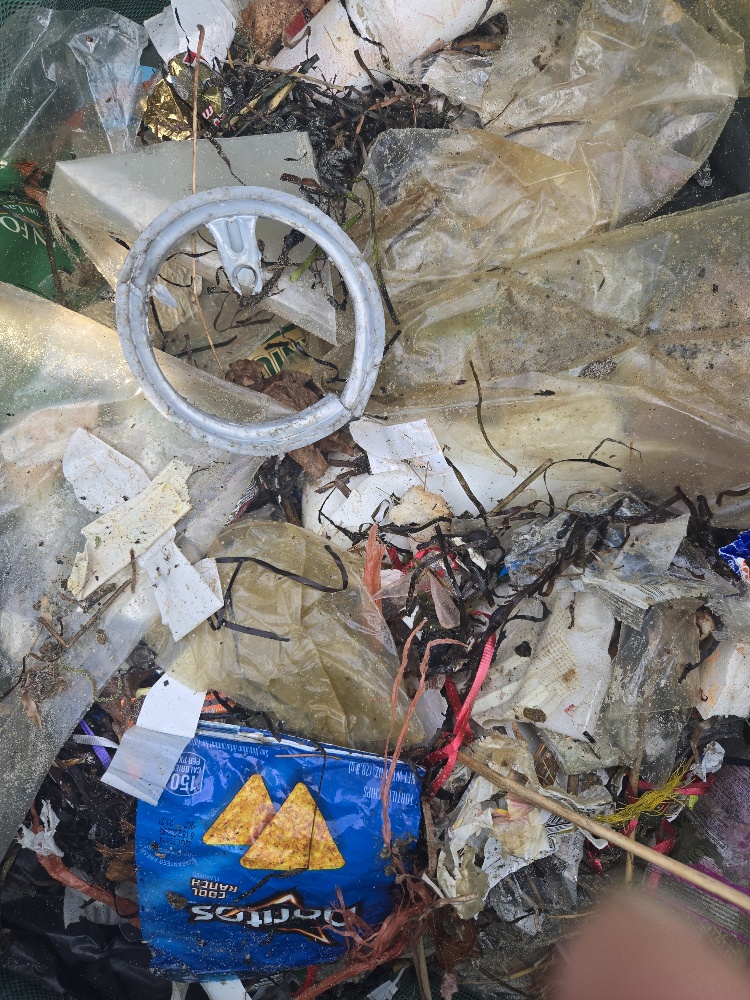
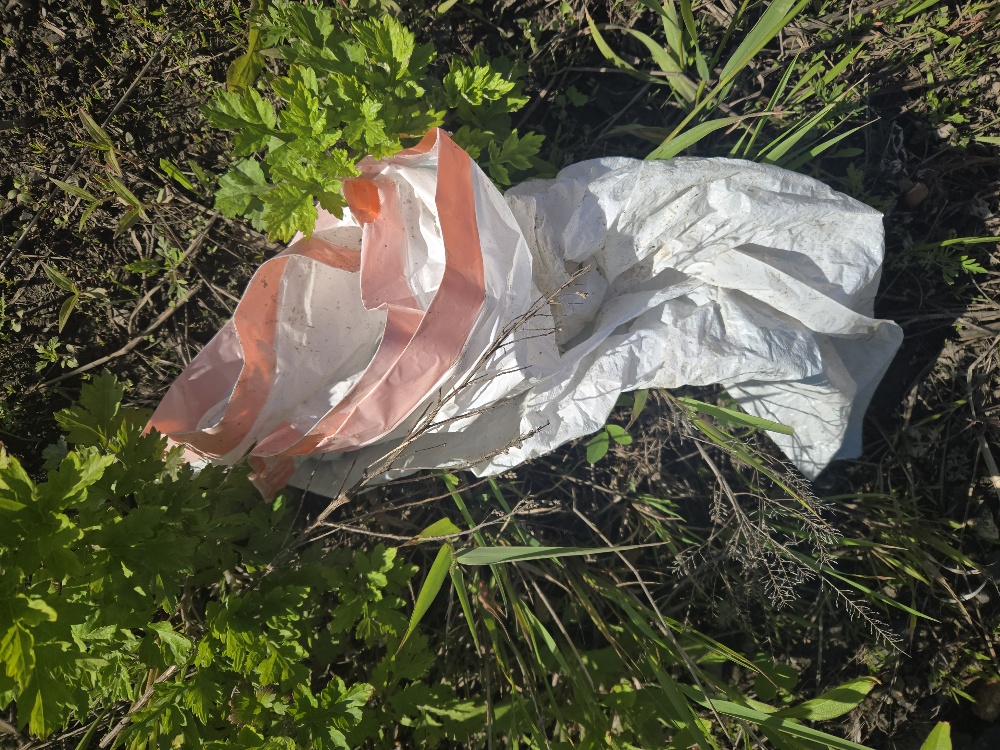
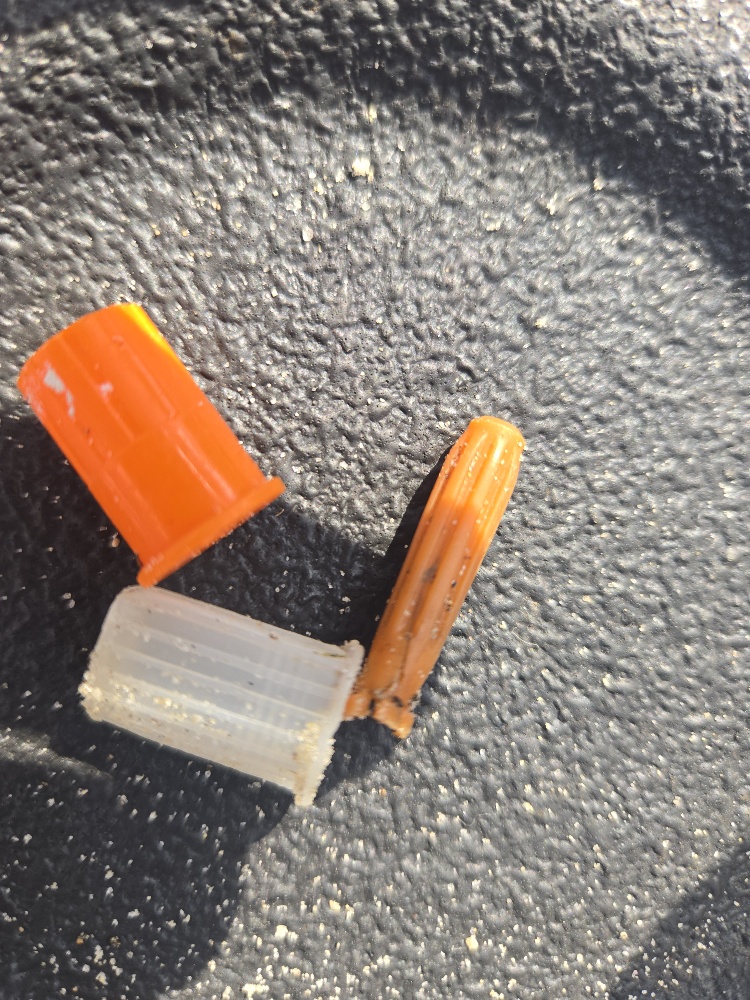
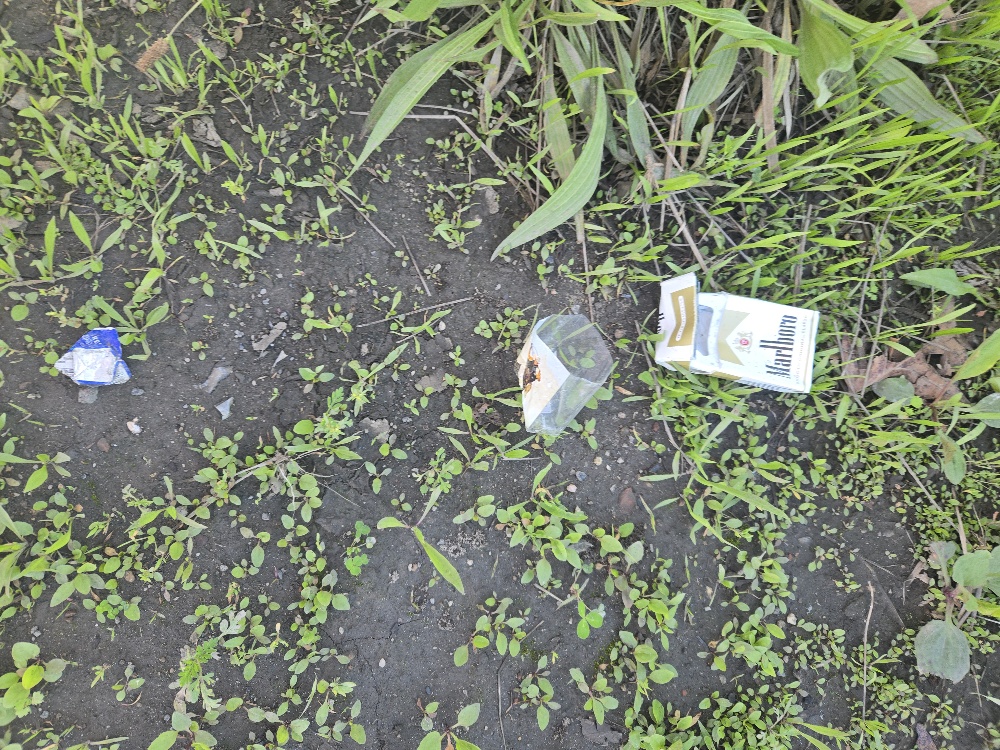
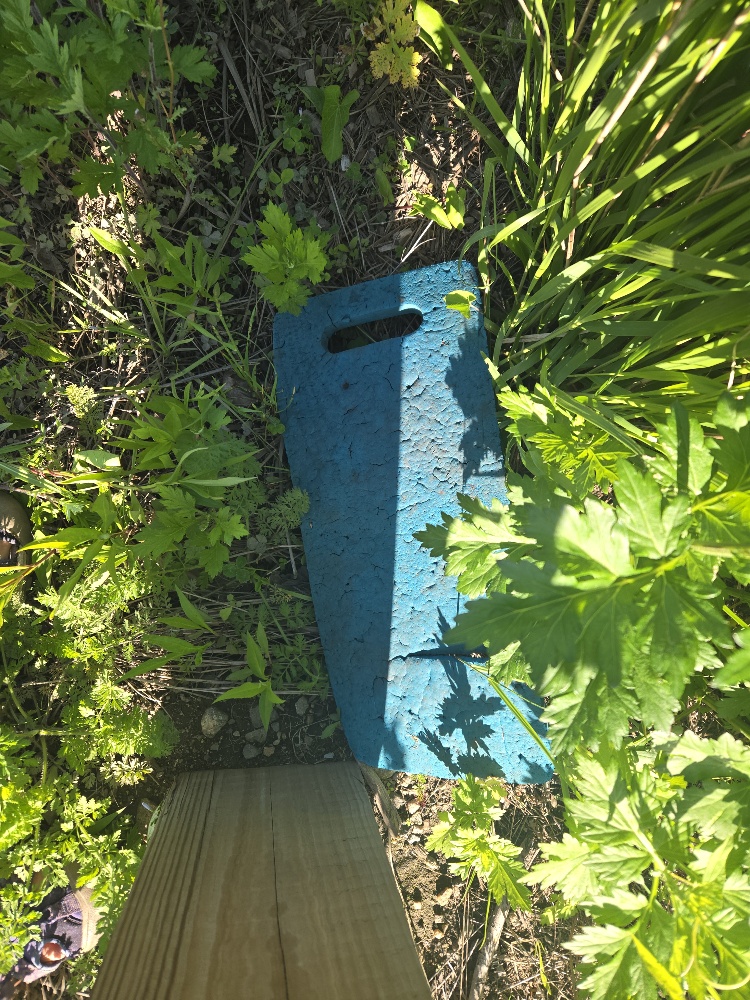
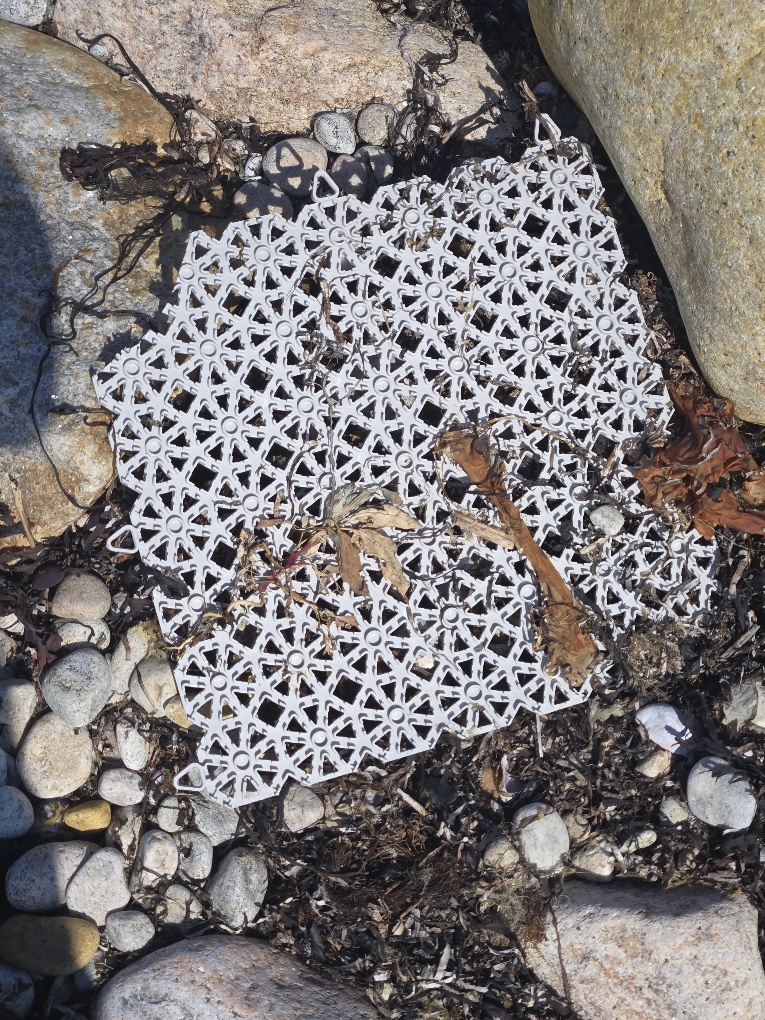
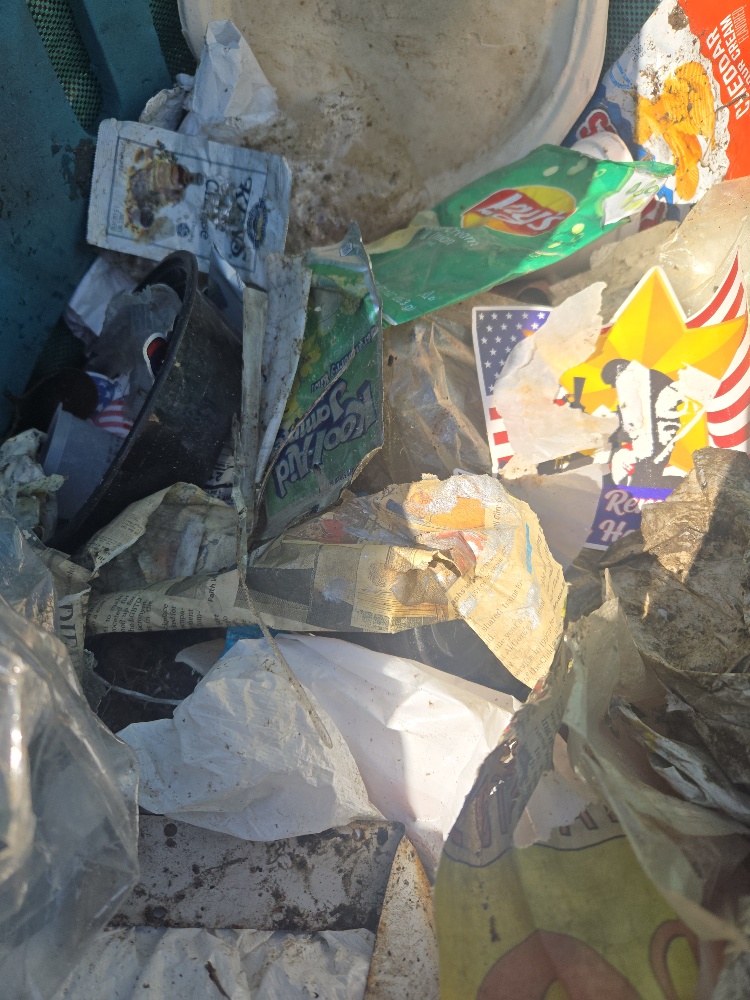
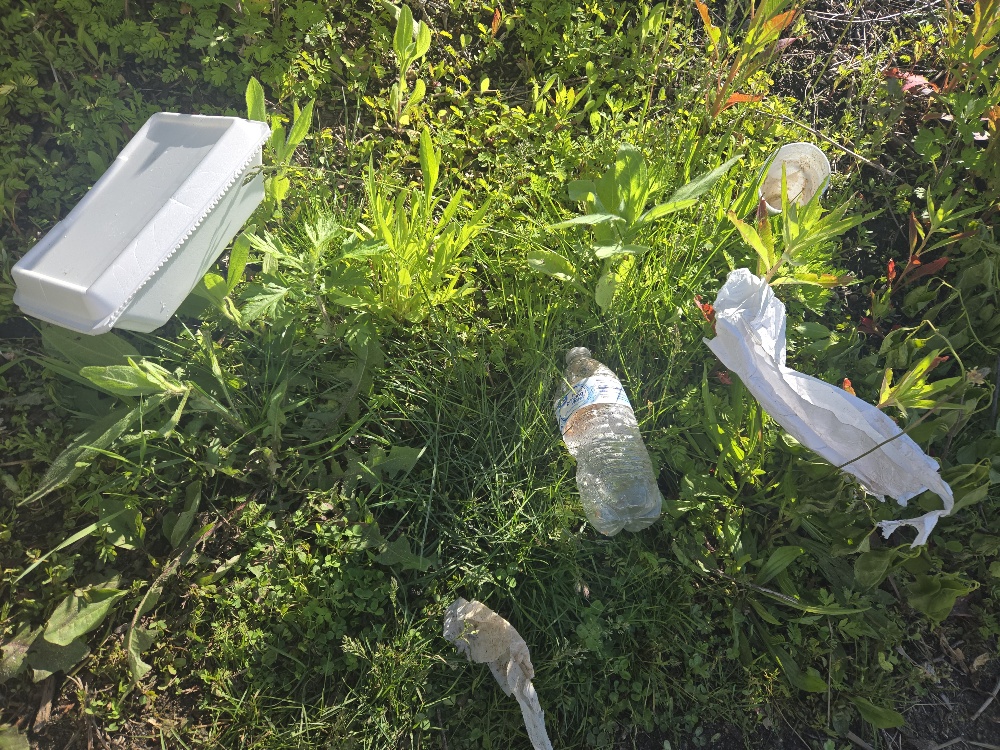
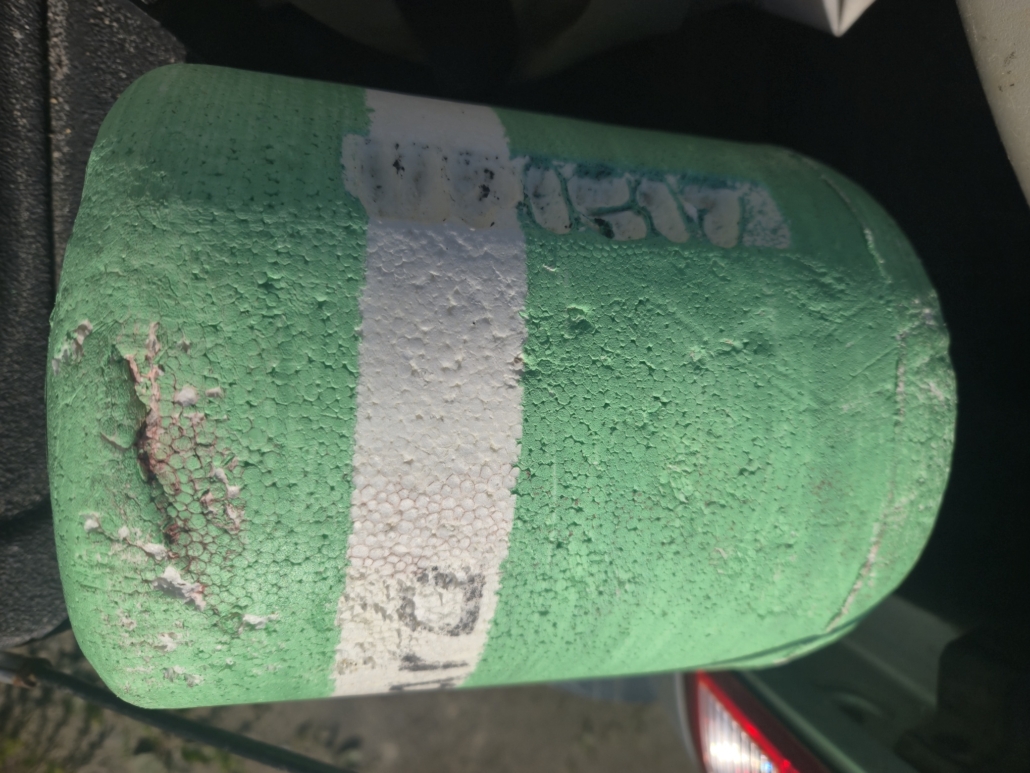
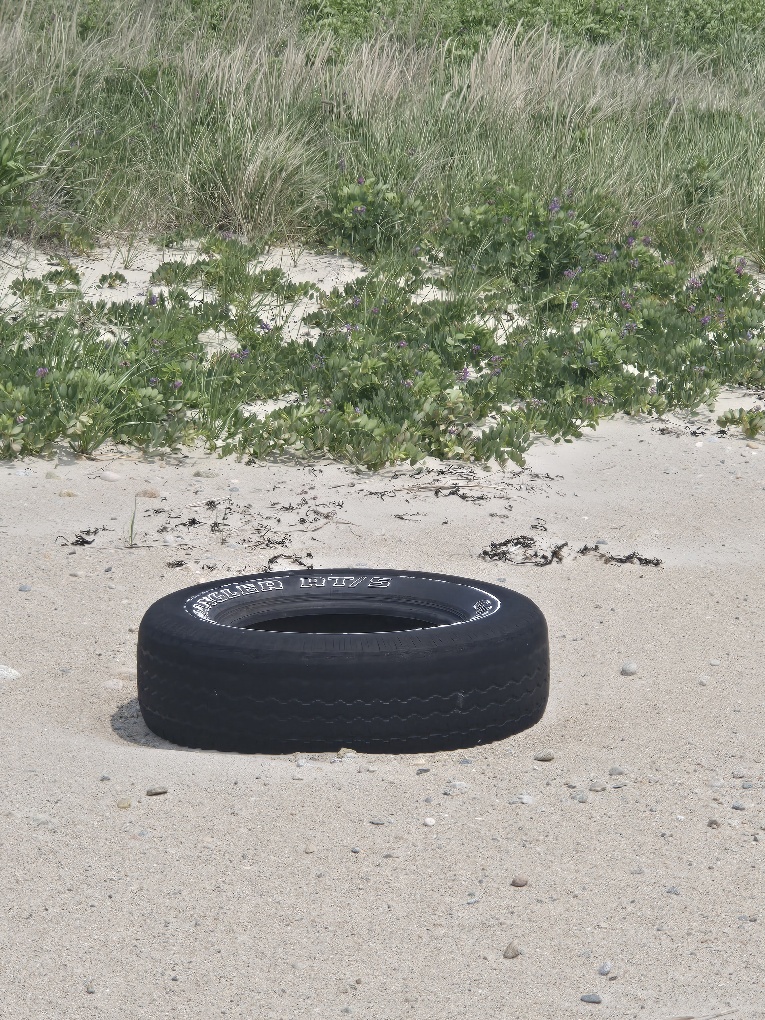
Marine Debris June 2025

by Anna White June 1, 2025

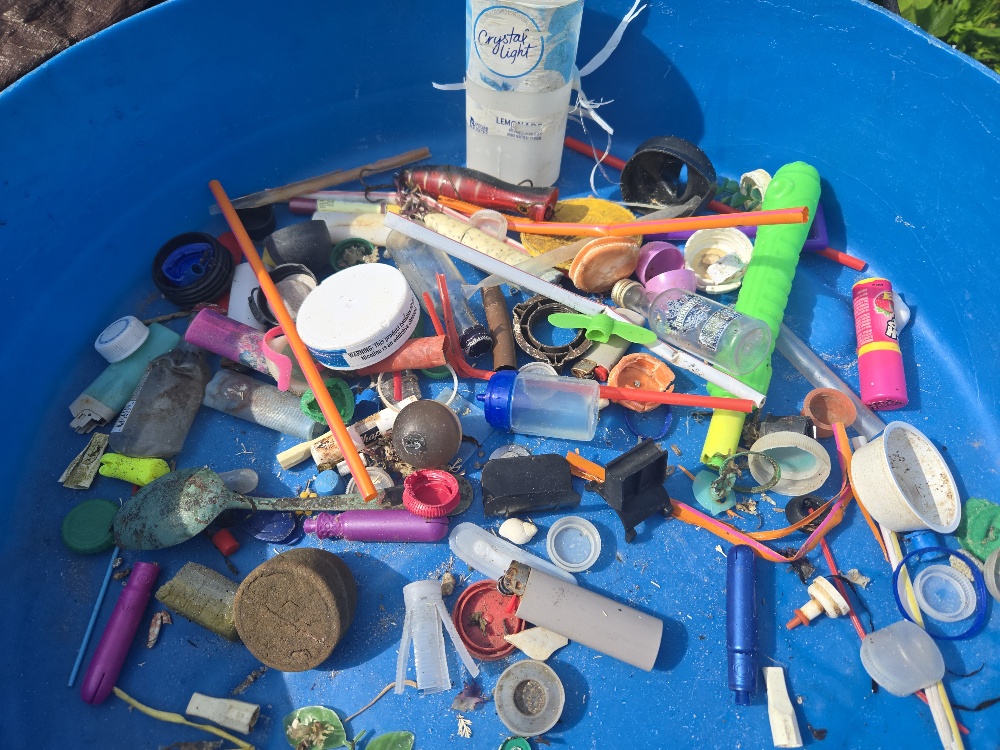
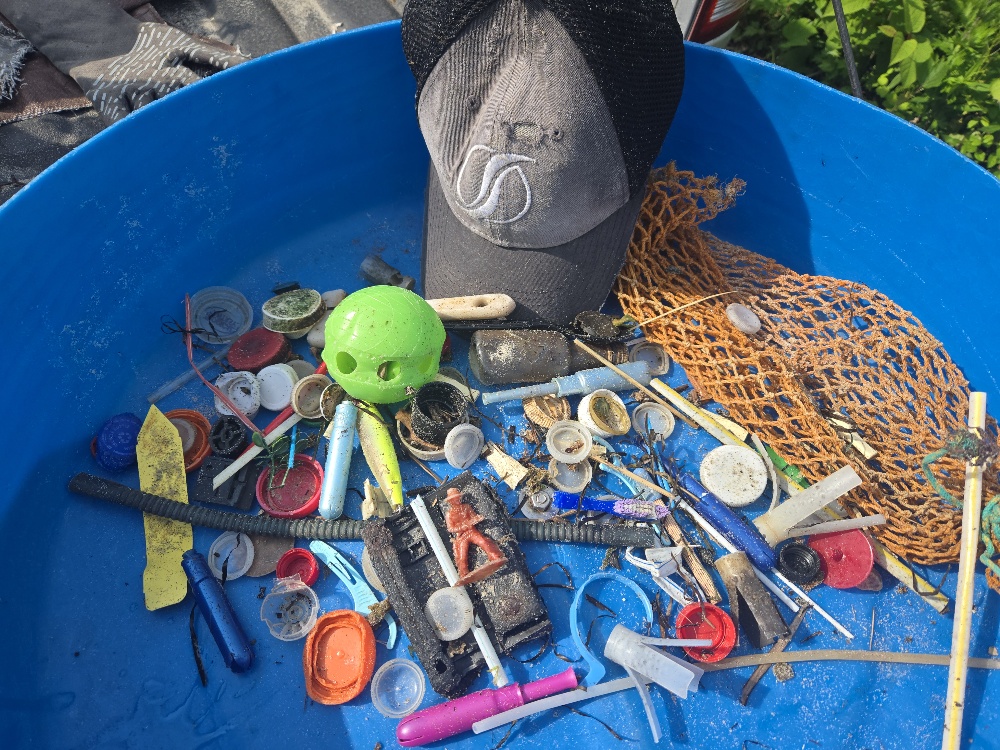
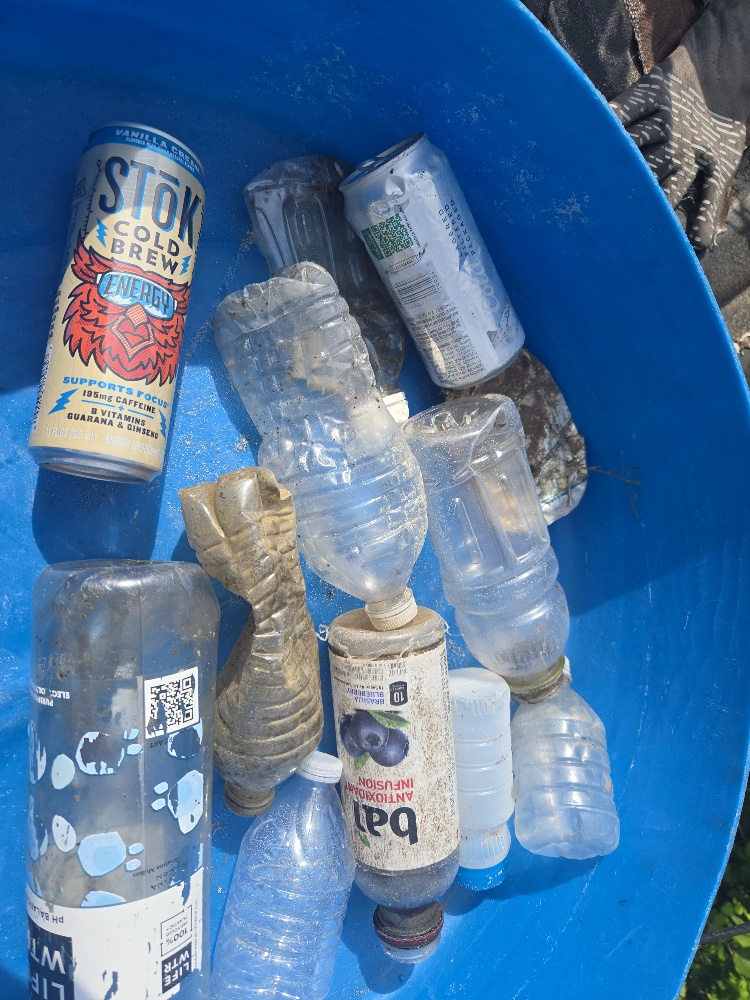
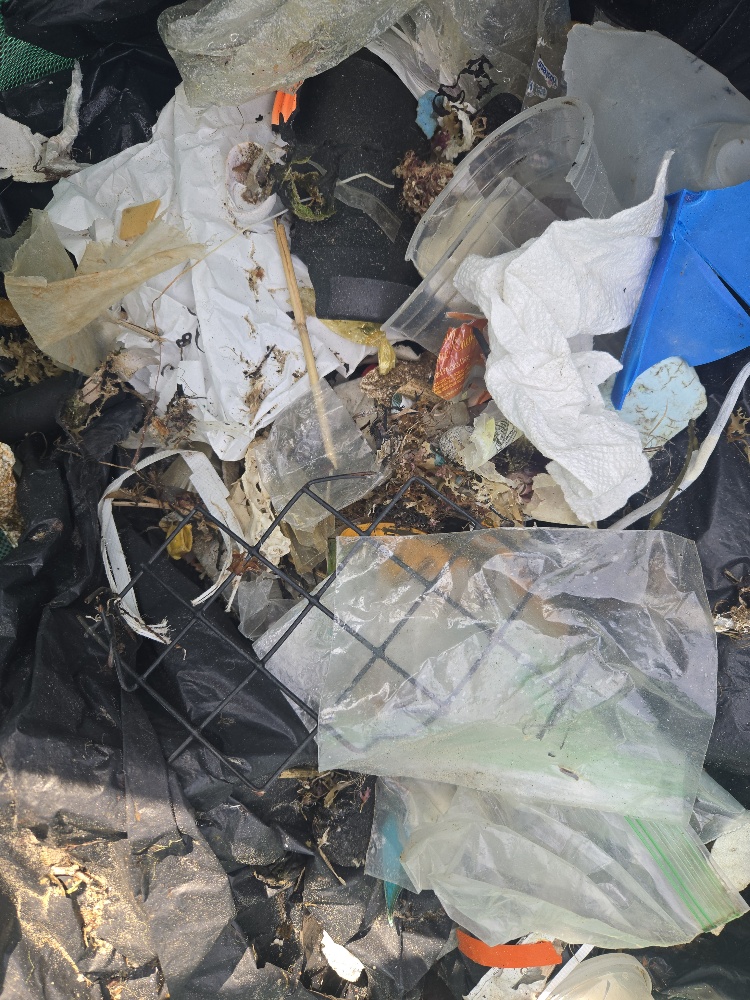
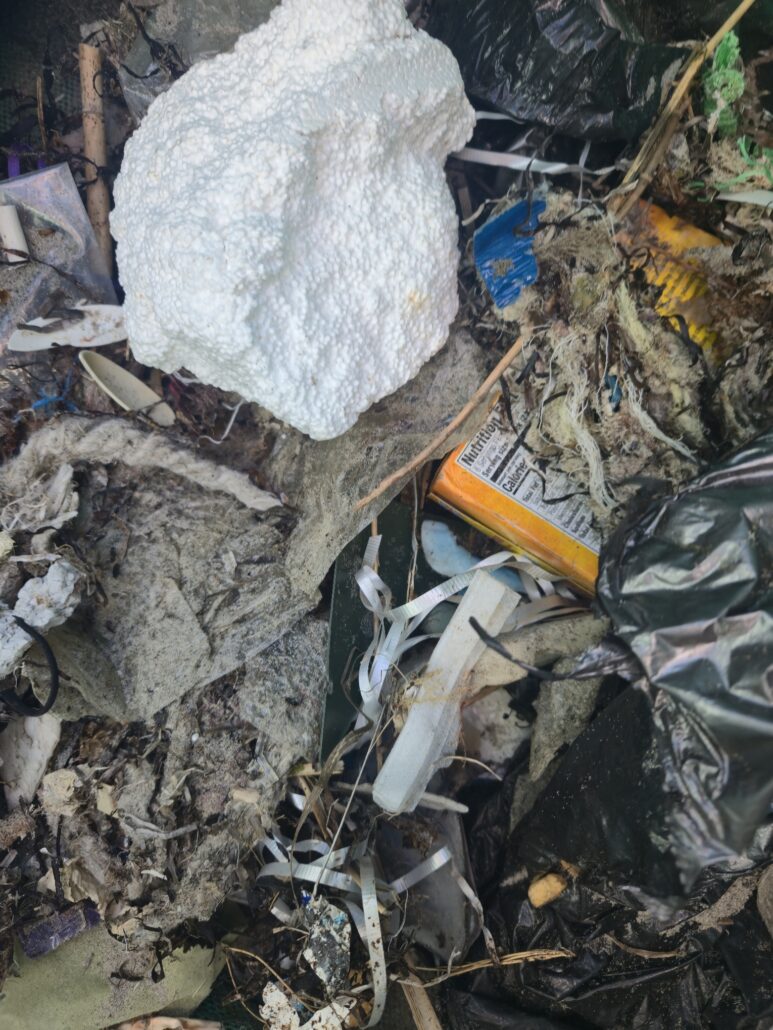
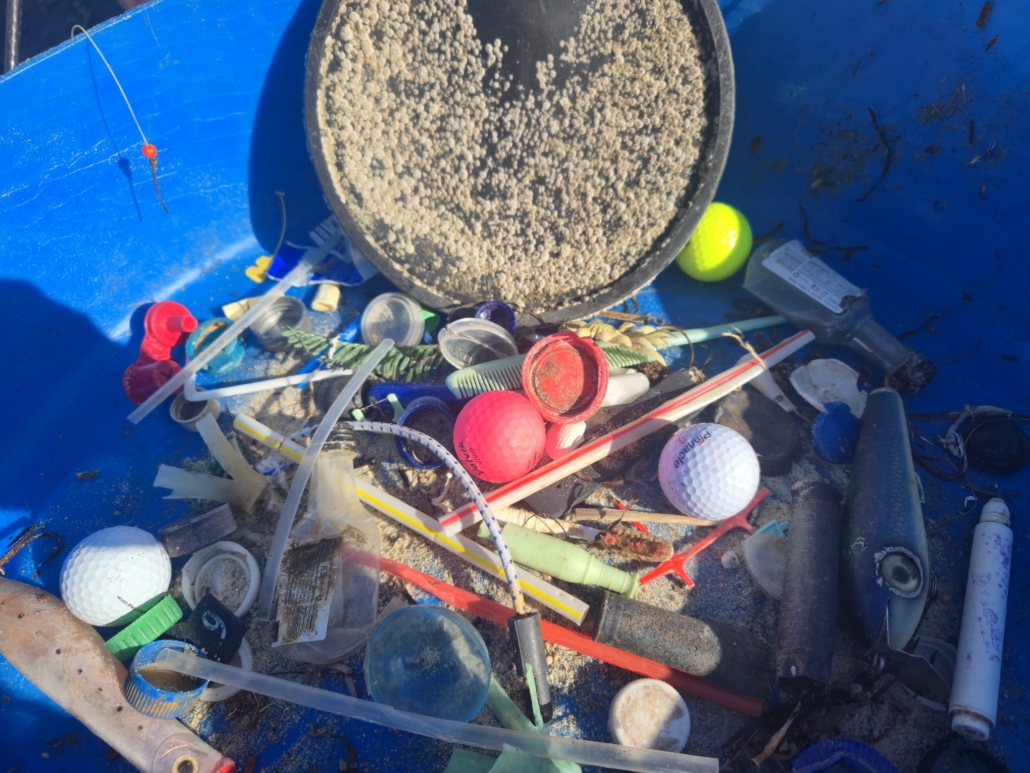
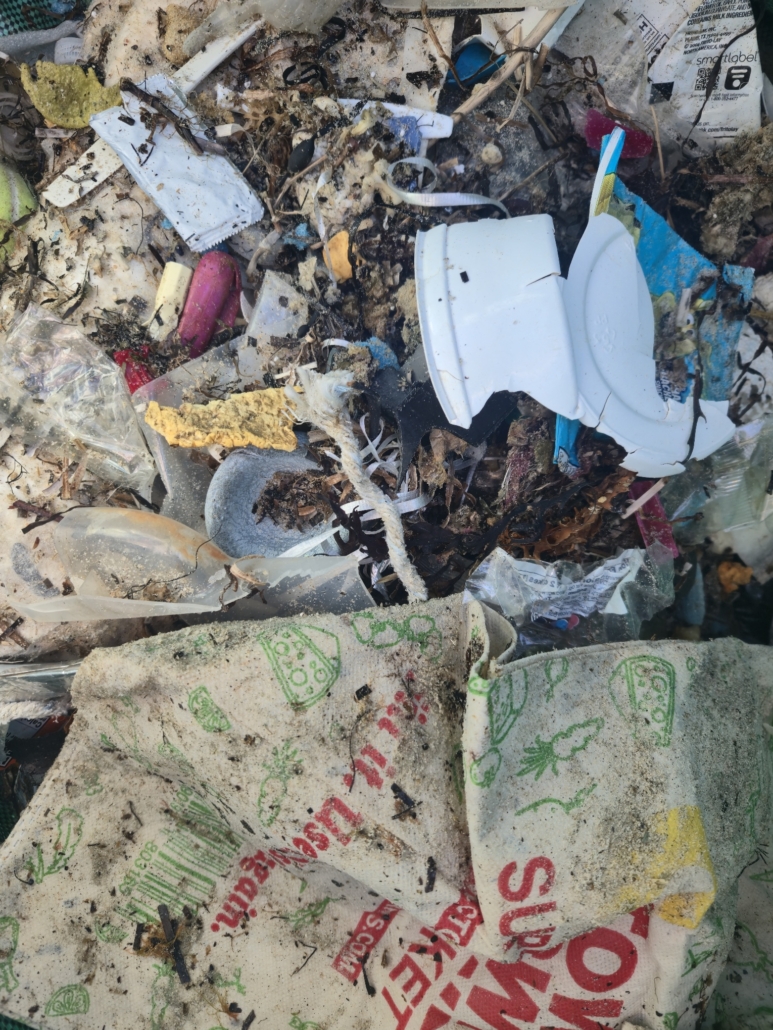
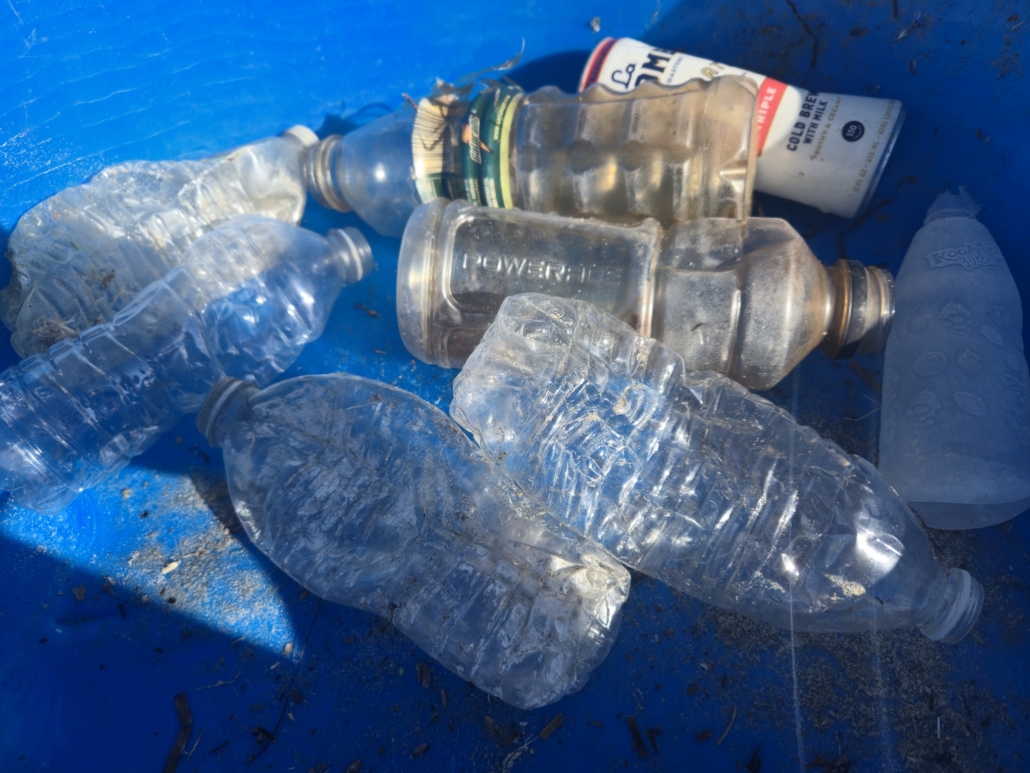
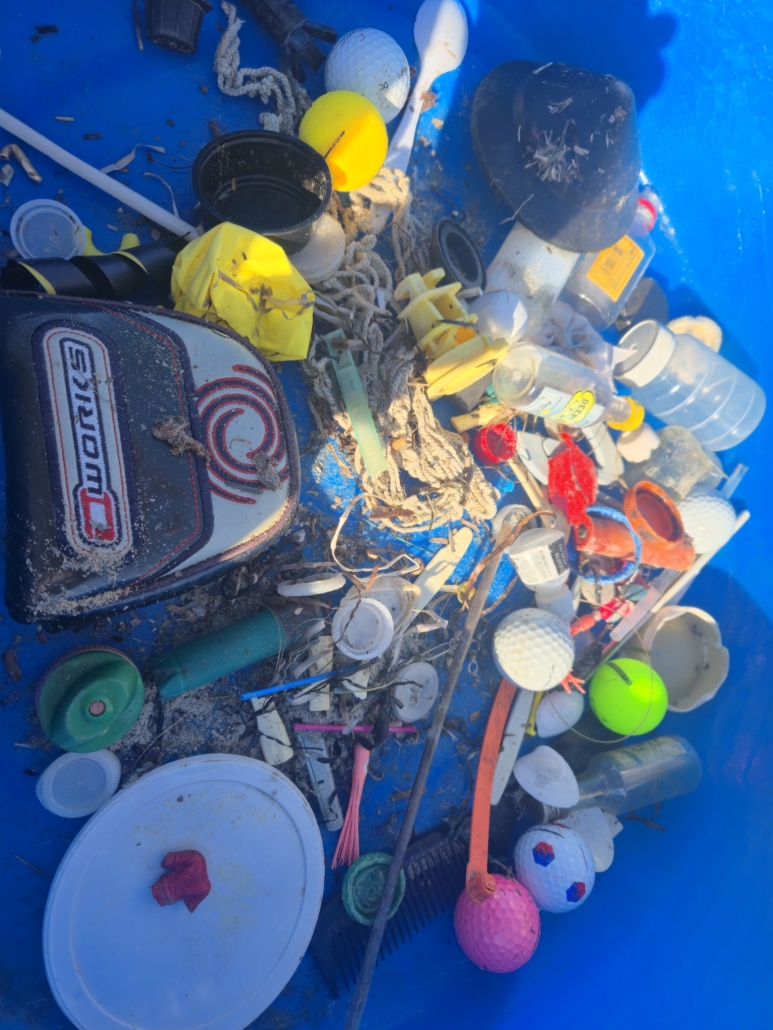
Marine Debris Report
June 2025

Collected across island beaches
Total weight: 873  lbs | Total hours: 136
~ Michele Klimczak

DATEZONELOCATIONWEIGHT (LBS)HOURS
6/2/2025S3Chocomount beach374
6/2/2025S2Isabella beach413.5
6/3/2025S2Wilderness Point, South beach, Sanctuary of Sands to Race Rock458.5
6/4/2025N1Airport beaches, Ordinance, Ferry Park, Silver Eel Cove, Little Stony, Holiday House beaches368
6/5/2025N6North Hill beaches, Dock beach, Clay Point Rd beaches, Brick yard Rd beaches448.5
6/6/2025N5Chocomount cove beaches through Hungry Point beaches458
6/9/2025E4All Latimer Light beaches to Castle North side628.5
6/10/2025E4Castle Rd beaches to behind Money Pond384
6/10/2025–In shed sorting3.5
6/11/2025S3Beaches before Big Club through far end of chocomount568
6/12/2025S2Wilderness Point ends to S. Beach to Sanctuary of Sands through Race Rock397.5
6/13/2025N1Airport beaches to Ordinance Ferry Park to Silver Eel Cover to Little Stony to Holiday House Beaches327.5
6/16/2025N6N. Hill beaches, Dock beach, Clay Point Rd beaches448
6/17/2025N5Chocomount Cove beaches through Hungry Point beaches487.5
6/20/2025E4All of Latimer Light beaches787.5
6/23/2025E4Behind Money Pond to Castle476
6/24/2025S3Before Big Club through Chocomount366
6/26/2025S2Isabella + Wilderness Point416
6/27/2025S2Far end of South Beach through Sanctuary of Sands to the Race387.5
6/30/2025N1Airport beaches to Ordinance Ferry Park to Silver Eel Cover to Little Stony to Holiday House Beaches668

View the Marine Debris Gallery Below

June 1, 2025 47 views
Current EventsEventsNews

Our Little Visitors Are Here

by Anna White May 30, 2025

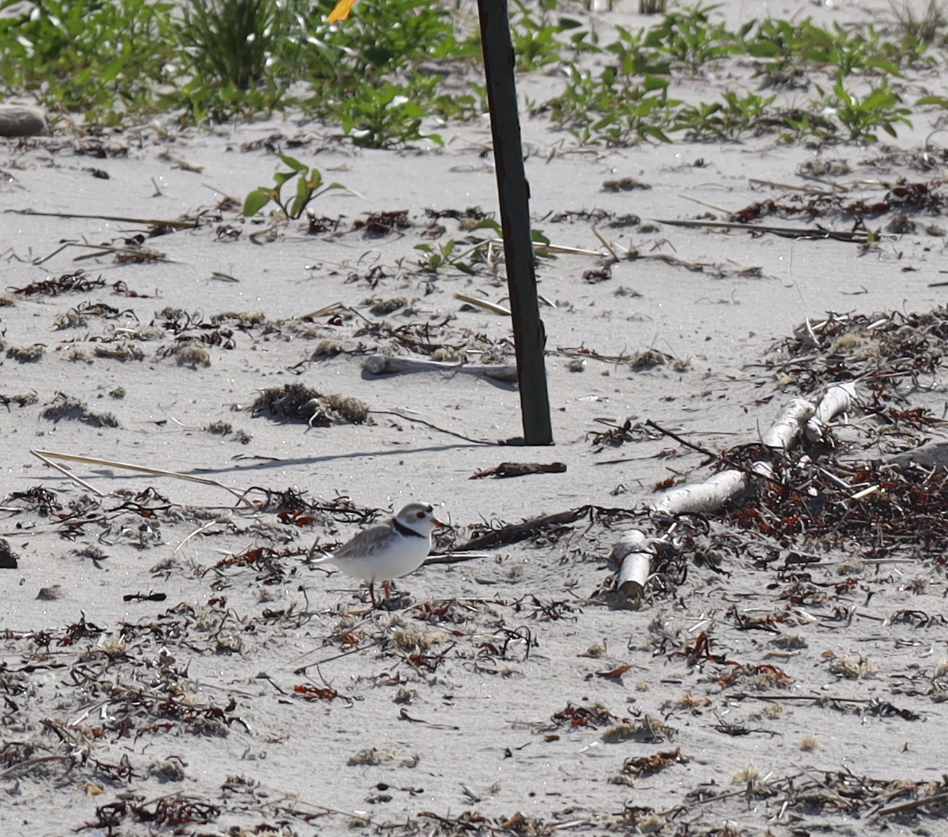
Our tiniest visitors are back after traveling a long way just to call our beaches home for the summer. The piping plovers have arrived, and we are already seeing successful hatchings, like this one where two proud parents are raising two chicks. Check out the video!

Adult Piping Plover near protected area by Anna White

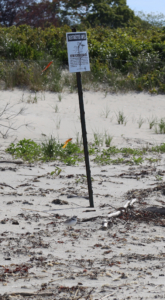
With this year’s official plover surveys now underway, you may notice protective fencing and signs set up around some beach areas. These measures help create safe spaces where the plovers can nest, hatch, and raise their young during this important season. Piping plovers are a federally protected species under the Endangered Species Act, meaning their nesting areas are given extra care and attention to help their populations recover.

  • Piping plovers typically arrive by mid March, and during May and June, they lay about one egg every other day until they complete their usual clutch of four eggs.
  • If an early nest fails, they may make a second or even third nesting attempt, though those later clutches often have just three eggs.
  • Piping plovers frequently share nesting beaches with colonies of least terns.
  • Both parents take part in incubating the eggs, which usually begins once the final egg is laid. This incubation period lasts about 25 to 31 days.
  • Once the chicks hatch, they leave the nest quickly and are surprisingly independent, fledging (or learning to fly) in about 28 to 35 days.

Did you know – many adult piping plovers return to the same nesting sites year after year and may even reunite with the same mate. Some individuals have been tracked for many years — one bird recaptured on Long Island was recorded to be 14 years old! 

The fencing stays in place while the birds are actively nesting and raising their chicks, and it is removed once the season has safely wrapped up. While some older signs mention September or October, our team closely monitors the sites and ensures the fencing comes down when no longer needed!

We appreciate everyone’s understanding and support as we work to protect these special shorebirds. Together we can help make sure they continue to return to our beaches year after year.

Please reach out to the conservancy if you have any questions, comments or concerns!

If you would like to learn more, check out these resources

New York State DEC piping plover fact sheet
https://www.dec.ny.gov/animals/7086.html

US Fish and Wildlife Service piping plover conservation
https://www.fws.gov/species/piping-plover-charadrius-melodus

Atlantic Coast piping plover recovery plan (USFWS)
https://www.fws.gov/library/collection/piping-plover-recovery

May 30, 2025 44 views
Conservancy NewsCurrent EventsEventsNews

Join the Mosquito Bucket Challenge

by Anna White May 28, 2025

Looking for a way to control mosquitoes without harming bees, butterflies, birds, or other local wildlife? We are excited to share the Mosquito Bucket Challenge, a simple, effective, and pollinator-friendly solution promoted by Homegrown National Park.

Instead of using fogging sprays, which kill far more than just mosquitoes, the Mosquito Bucket Challenge uses a bucket of standing water combined with a natural soil bacterium called Bti (found in mosquito dunks). This safely targets mosquito larvae before they hatch, protecting your yard and the island’s biodiversity.

It is safe for pollinators, safe for kids and pets, and it targets mosquito breeding at the source.

Want to take part? Visit Homegrown National Park to learn how to set up your own mosquito bucket and help protect both your family and our local ecosystem. Share your photos online using #MosquitoBucketChallenge and help spread the word.

Photos by Homegrown National Park

May 28, 2025 52 views
Conservancy NewsCurrent EventsEventsFIRSTNews

The 2025 FIRST Team

by Anna White May 26, 2025

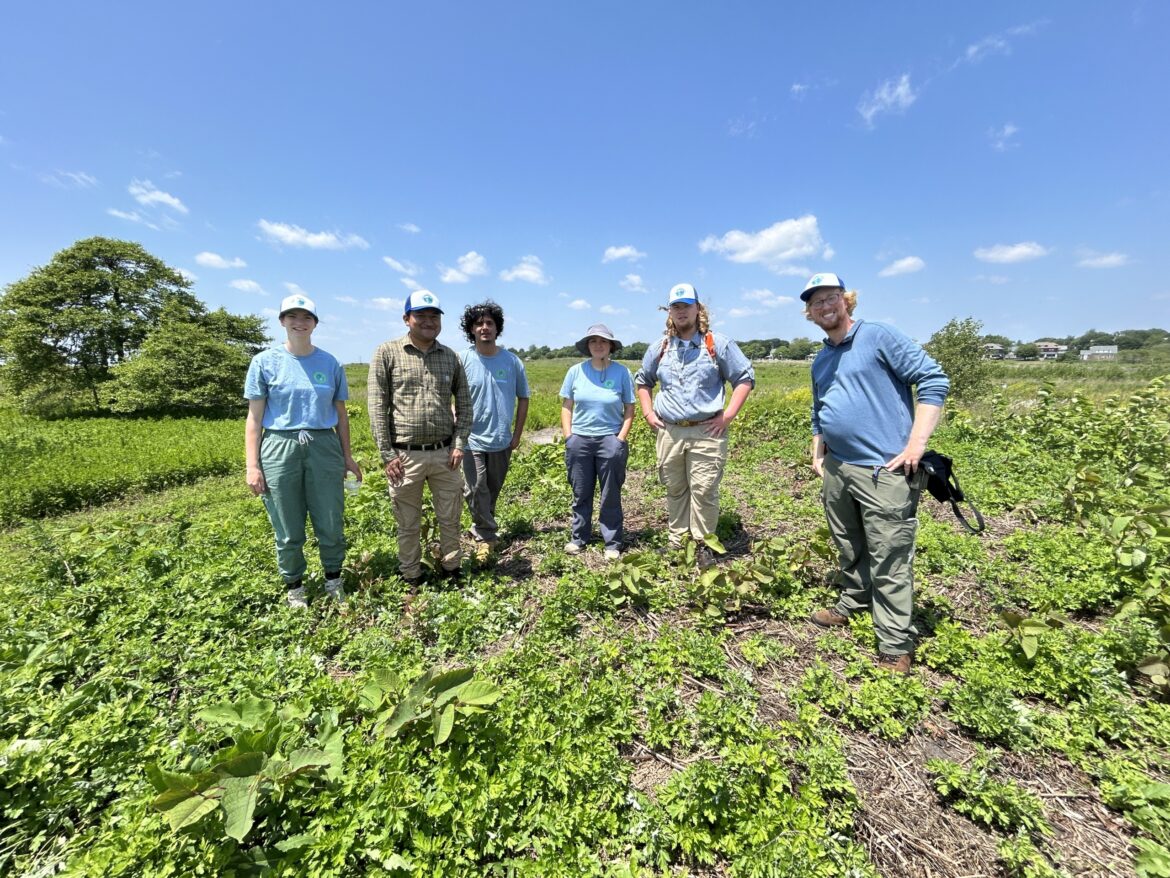
the 2025 FIRST Team

The 2025 field season marks our second year partnering with the Fishers Island Research and Survey Team from Tarleton State University. This collaboration continues to strengthen the Conservancy’s long term ecological monitoring across the island.

Under the guidance of Dr. Adam Mitchell, this year’s team supported vegetation surveys, bird and insect monitoring, invasive species management, and long term data analysis. Some students spent their days in the field conducting hands on surveys, while others worked behind the scenes digitizing specimens and analyzing years of collected data.

Each student brought curiosity, dedication, and a strong interest in conservation. Together, they contributed meaningful research that will help guide future stewardship decisions on Fishers Island.

Team Members

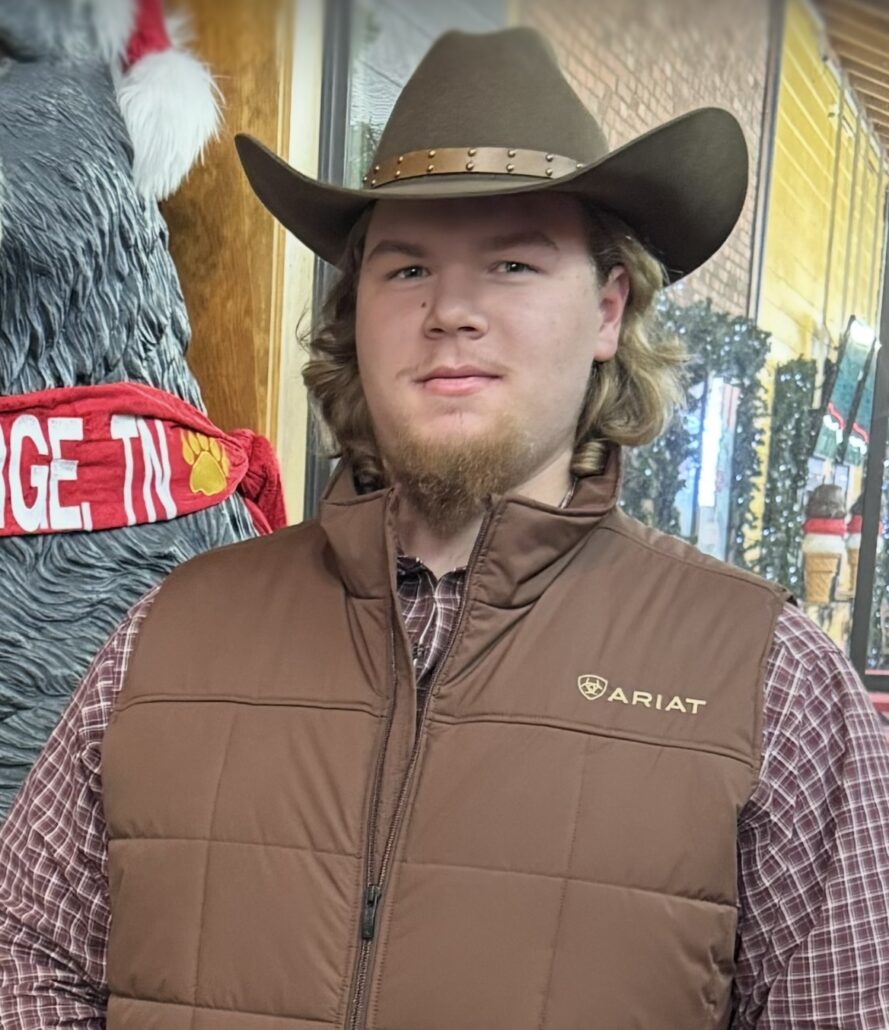
Tyler McMahon

Tyler is a first year PhD student in Wildlife and Natural Resources. His previous research examined how bison reintroduction in Illinois tallgrass prairies influenced moth diversity. On Fishers Island, Tyler led field surveys, supported invasive species management, and expanded the nocturnal insect sampling program. His enthusiasm for moths and butterflies added a new dimension to our insect monitoring work.

Tyler McMahon
Learn more about Tyler

Jose Alvarez

Jose is a junior majoring in Wildlife Ecology and Management. Interested in habitat management and conservation outreach, he spent the summer building hands on research skills and exploring questions related to local wildlife, including carnivore ecology.

Jose Alvarez

Walker Barak

Walker, also a junior in Wildlife Ecology and Management, hopes to pursue a career working with carnivores and rangeland systems. On the island, he focused on understanding species interactions and how habitat management shapes wildlife communities.

Walker Barak

Emma Clarke

Emma is a senior majoring in Zoo and Confined Wildlife Biology and Management. With an interest in endangered species recovery, she contributed to shorebird monitoring efforts and helped evaluate protection strategies for nesting species on the island.

Emma Clarke

Francisco Salgado

Francisco is a sophomore in Zoo and Confined Wildlife Biology and Management and returned for his second summer with FIRST. His work centered on grassland bird monitoring and evaluating the use of bird boxes in restored habitats.

Francisco Salgado

Naomi Zahn

Naomi, a junior in Wildlife Ecology and Management, also returned for a second season. Passionate about insect–plant interactions, she led research examining how invasive species management practices affect arthropod communities.

Naomi Zahn

Catalina Berry

A graduate student focused on grassland bird ecology, Catalina previously served as a FIRST team lead and now supports the project from Tarleton. She assisted with data analysis and species distribution modeling.

Jake Davis

Jake, a senior majoring in entomology, focused on invasive species management and digitized insect specimens from past field seasons to strengthen long term biodiversity records.

Carter Perez

Carter is a sophomore in Agricultural Education who previously helped establish baseline data on vegetation, insects, and birds. This year, he supported the team by organizing and analyzing past survey data.

2025 Research Findings

This season, several team members led independent research projects that explored how management decisions influence wildlife and habitat health on Fishers Island.

Tyler McMahon

Plant-Arthropod Interactions in Restored Grasslands

Tyler studied how invasive and native plant communities influence insect populations in restored maritime grasslands on Fishers Island. Because arthropods respond quickly to environmental change and play essential roles in ecosystem function, understanding their relationship with vegetation is key to evaluating restoration success.

During the field season, Tyler sampled vegetation and insect communities across a gradient ranging from native-dominated to nonnative-dominated plant cover. Insects were collected using pitfall traps and identified by taxonomic group and ecological function, such as herbivores and parasitoids. This approach allowed him to examine how both abundance and community structure shift across different vegetation types.

His findings showed that overall insect abundance increased with greater vegetation cover, regardless of whether plants were native or nonnative. However, different functional groups responded in opposite ways, with herbivorous insects increasing in areas dominated by nonnative plants, while parasitoids were more associated with native vegetation . Despite these differences, insect community composition remained relatively similar across the vegetation gradient.

Tyler’s research highlights the complex ways that plant invasion influences insect communities and ecosystem function. His work provides important insight for land management decisions and supports continued monitoring to better understand long-term ecological changes in restored grassland systems.

View Tyler McMahon's Research Poster

Naomi Zahn

Arthropod Communities and Knotweed Management

Naomi examined how mowing Japanese knotweed affects arthropod diversity in maritime grasslands. Japanese knotweed is a highly invasive plant that forms dense monocultures along the East Coast, often displacing native vegetation.

During the summer of 2025, Naomi sampled nine 2.5 meter quadrats before mowing and again one month after treatment. Using vacuum sampling and pitfall traps, she collected arthropods and identified specimens to the family level, grouping them by ecological function such as pollinators, predators, and detritivores.

Her findings showed that overall diversity metrics such as species richness and Shannon diversity remained similar between mowed and unmowed plots. However, the composition of arthropod communities shifted. Both treatments were dominated by detritivores, with relatively low numbers of pollinators and predators.

The results suggest that while mowing may reduce knotweed structure, it does not immediately restore functional diversity. Naomi’s work highlights the need for integrated management approaches that consider both vegetation control and wildlife response.

Future work will expand sampling efforts, improve taxonomic resolution, and evaluate additional treatment methods to better inform invasive species management strategies.

View Naomi Zahn's Research Poster

Emma Clarke

Symbolic Fencing and Piping Plover Monitoring

Emma focused on monitoring piping plovers, a migratory shorebird listed as endangered in New York State due to habitat loss and disturbance.

Building on the Conservancy’s partnership with the New York State Department of Environmental Conservation, Emma helped survey several state owned beaches during the 2024 and 2025 nesting seasons. In 2025, symbolic fencing and signage were installed at three nesting sites to reduce human disturbance while allowing natural predator interactions.

Emma compared the number of nesting pairs, nests, eggs, and fledglings between 2024 and 2025 to evaluate the effectiveness of symbolic fencing. Preliminary results suggest that symbolic fencing had neutral effects on overall production, while offering a low impact method of reducing human disturbance.

Her work contributes to ongoing evaluation of shorebird protection strategies on Fishers Island. Continued monitoring will help clarify the influence of seasonal variation and other environmental factors on nesting success.

View Emma Clarke's Research Poster

Francisco Salgado

Tree Swallow Nesting in Restored Grasslands

Francisco studied the use of bird boxes by tree swallows in the western restored maritime grasslands. Bird boxes can support grassland bird conservation, but their placement and design influence success.

Over the summer, Francisco surveyed ten bird boxes. Seven were occupied by breeding tree swallows, while three remained unoccupied. Two of the occupied boxes experienced nesting failures.

He also documented differences in box height and design that may have influenced occupancy. One especially low box was not used by birds but instead housed Eastern bumblebees. Francisco also observed other breeding grassland birds nearby, including territorial red winged blackbirds, which may have influenced swallow nesting patterns.

His findings provide valuable insight into how bird box design and placement affect nesting outcomes in isolated grassland systems like Fishers Island. Continued monitoring, earlier season surveys, and more frequent checks will help determine long term nesting success and guide future placement decisions.

View Francisco Salgado's Research Poster

Jake Davis 

Insect Biodiversity and Reference Network Development

Jake examined insect diversity within restored maritime grasslands on Fishers Island, with a focus on improving how insect communities are documented and understood over time. Insects play a critical role in ecosystem function, but they are often underrepresented in local biodiversity records, making it difficult to track changes or evaluate restoration success.

Using pitfall traps, Jake collected insect specimens from grassland sites and identified them to the family level. Through this process, he documented over 70 different insect families, indicating that restored areas are supporting a wide range of insect life despite past disturbance and invasive species presence.

In addition to documenting diversity, Jake developed a structured, digital reference network using visualization software. This system organizes insect groups into a connected framework, where each taxonomic group is linked with ecological information. The goal of this tool is to make insect data more accessible and useful for long-term monitoring and management.

Jake’s work provides an important baseline for understanding insect communities on Fishers Island. His project helps bridge the gap between field data and usable conservation tools, supporting future research, biodiversity tracking, and more informed restoration strategies.

View Jake Davis's Research Poster

Walker Barak

Bat Acoustic Monitoring on Fishers Island

Walker studied bat communities on Fishers Island using acoustic monitoring to better understand species presence in restored grassland systems. Bats play an important ecological role, particularly in controlling insect populations, yet many species are in decline and remain understudied in coastal environments.

During the summer field season, Walker deployed acoustic recording devices across seven sites in the western portion of the island. These sites were selected based on features that support bat activity, including canopy cover, access to water, and potential roosting habitat. The monitors recorded ultrasonic echolocation calls overnight, which were later analyzed to identify species.

Through this approach, Walker confirmed that acoustic monitoring is an effective method for detecting bats on Fishers Island, with species such as the big brown bat, eastern red bat, and silver-haired bat identified through their unique call patterns . His work establishes an important baseline for understanding bat diversity on the island, where data has previously been limited.

Walker’s findings highlight the need for expanded monitoring and continued conservation efforts, particularly as land management decisions may impact bat populations and their insect prey. Future work will include increasing survey coverage, incorporating additional environmental data, and partnering with state agencies to further refine species identification and conservation strategies.

View Walker Barak's Research Poster

Jose Alvarez

Disturbance Impacts on Piping Plover Nesting Habitat

Jose studied the effects of human and environmental disturbance on nesting habitat for the piping plover, a federally threatened shorebird that relies on undisturbed sandy beaches. Because of their sensitivity to changes in their environment, piping plovers serve as an important indicator species for coastal ecosystem health.

During the summer field season, Jose used trail cameras placed along symbolic fencing at a public beach to monitor disturbance near nesting sites. The cameras captured images at short intervals when motion was detected, resulting in over 2,000 recorded disturbance events throughout the study period. These events were categorized by source, including human activity, dogs, boats, gulls, and encampments .

His findings showed that while disturbance was generally infrequent, it could be highly concentrated during short periods, such as holidays, when human presence near nesting areas increased significantly. Notably, disturbance was observed even within protected fencing areas, suggesting that current management strategies may not fully prevent disruptions to nesting birds .

Jose’s research highlights the importance of evaluating how and when disturbances occur in order to improve conservation strategies. His work supports the need for continued monitoring and the development of more effective, less intrusive methods to protect nesting piping plovers on Fishers Island.

View Jose Alvarez's Research Poster
May 26, 2025 94 views
Newer Posts
Older Posts

Upcoming Events

Notice
There are no upcoming events.

Keep in touch

Facebook Instagram Youtube

Recent Posts

  • What to Do if You Find a Stranded Animal

  • Update on Phragmites Work and New Wetlands Regulations

  • SPOTTED in New London!

  • 2025 Fall Migratory Bird Count Results

  • Fall 2025 Migratory Bird Count

  • FIRST Summer Highlights 2025

  • Shorebirds Take Flight- The 2025 Season Wrap-Up

  • Buzz Be Gone- Final Spray of the Season

  • Silver Eel–Race Point Coastal Trail Opens with Dedication to Janet Harvey

  • August Shorebird Update

Explore

    • Home
    • Who We Are
    • What We Do
    • How To Help
    • News
    • Events

Connect

    • Join Us
    • Donate
    • Contact Us
Facebook Instagram Youtube
© 2026 All Right Reserved. Fishers Island Conservancy
Fishers Island Conservancy
  • Home
  • Who We Are
    • Our Mission
    • Our History
    • Our People
    • Contact Us
  • What We Do
    • Shorebird Monitoring
    • Annual Bird Counts
    • Marine Debris Clean Up
    • Island Sentinels
    • Research and Survey Team
    • Grassland Restoration
    • Mosquito Control
    • Invasive Plant Management
  • How To Help
    • Donate
    • Join Us
  • News
  • Events
    • Calendar