Fishers Island Conservancy
  • Home
  • Who We Are
    • Our Mission
    • Our History
    • Our People
    • Contact Us
  • What We Do
    • Shorebird Monitoring
    • Annual Bird Counts
    • Marine Debris Clean Up
    • Island Sentinels
    • Research and Survey Team
    • Grassland Restoration
    • Mosquito Control
    • Invasive Plant Management
  • How To Help
    • Donate
    • Join Us
  • News
  • Events
    • Calendar
Wednesday, April 29, 2026
Fishers Island Conservancy
  • Home
  • Who We Are
    • Our Mission
    • Our History
    • Our People
    • Contact Us
  • What We Do
    • Shorebird Monitoring
    • Annual Bird Counts
    • Marine Debris Clean Up
    • Island Sentinels
    • Research and Survey Team
    • Grassland Restoration
    • Mosquito Control
    • Invasive Plant Management
  • How To Help
    • Donate
    • Join Us
  • News
  • Events
    • Calendar
Fishers Island Conservancy
  • Home
  • Who We Are
    • Our Mission
    • Our History
    • Our People
    • Contact Us
  • What We Do
    • Shorebird Monitoring
    • Annual Bird Counts
    • Marine Debris Clean Up
    • Island Sentinels
    • Research and Survey Team
    • Grassland Restoration
    • Mosquito Control
    • Invasive Plant Management
  • How To Help
    • Donate
    • Join Us
  • News
  • Events
    • Calendar
Copyright 2026 - All Right Reserved
Bird CountsCurrent EventsEventsFeatureNews

2025 Fall Migratory Bird Count Results

by Anna White September 23, 2025

  Announcing the Results of the Fall 2025 Migratory Bird Count

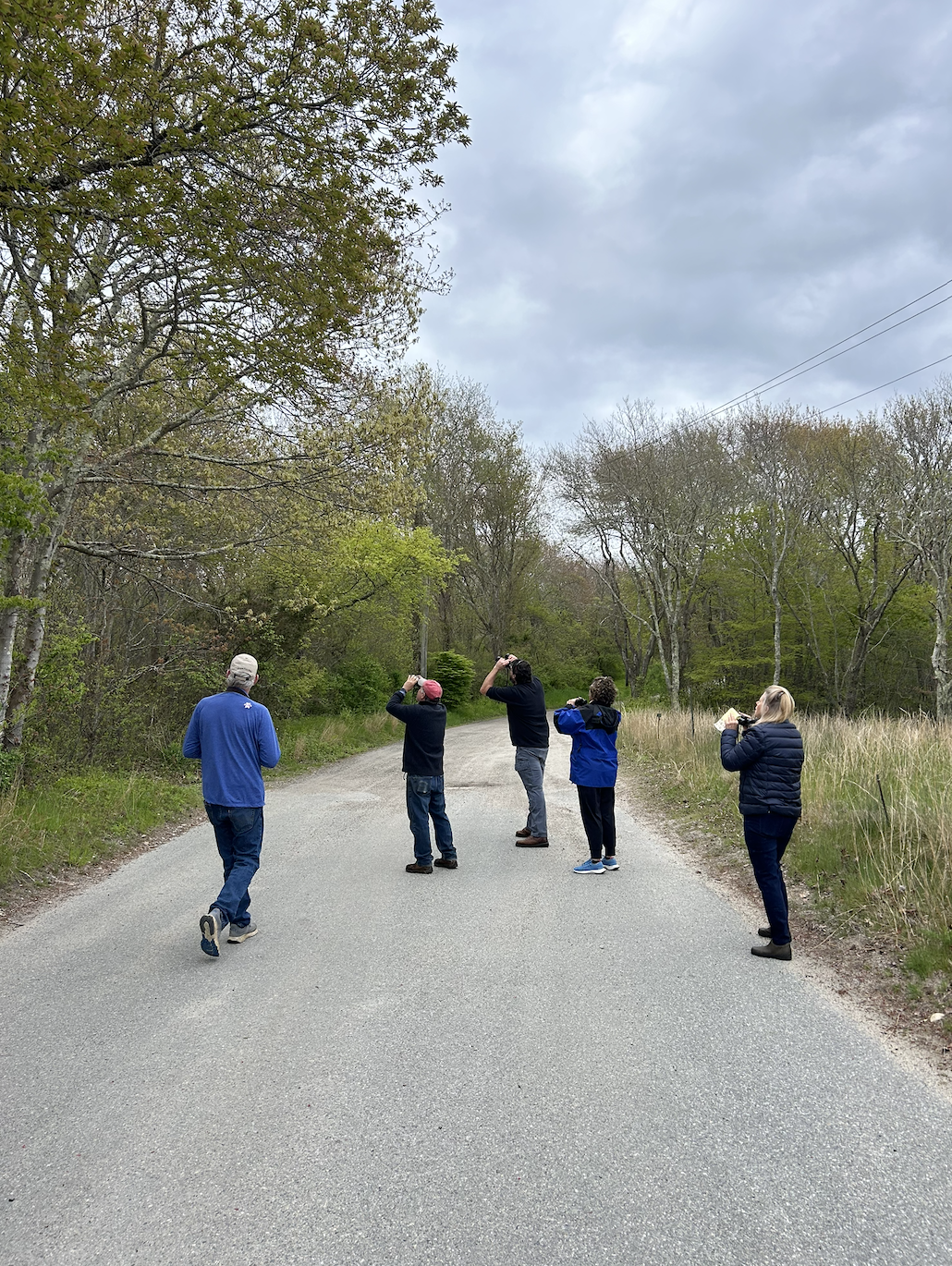
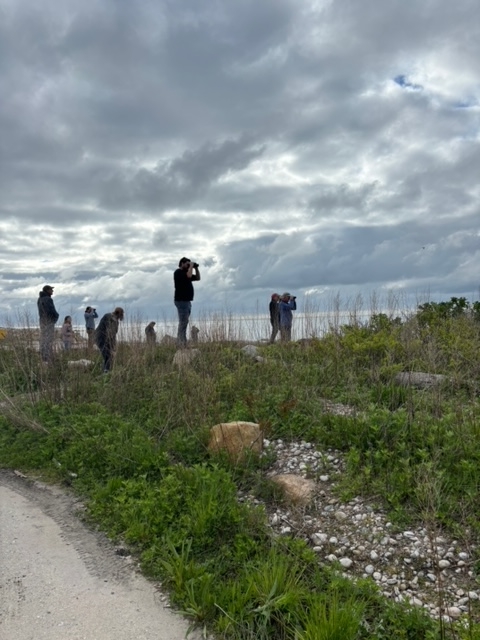
We are excited to share the results of this year’s Fall 2025 Migratory Bird Count. With the help of our wonderful volunteers, we recorded 41 bird species, which is right in line with the long-term average of about 40 species for the fall season.

This year’s count had some exciting highlights. A bobolink was recorded calling in flight over the Parade Grounds, and we saw more ruby-throated hummingbirds and northern harriers than in previous years. At the same time, a few species were noticeably absent, including yellow warblers, most sparrows aside from the song sparrow, and the swallows that are usually common on the island.
The slightly lower number compared to last year’s 45 species and 50 species in 2023 may be explained by a few different factors. As many participants noted, the season felt quieter overall, since birds are less vocal during fall migration than they are in the spring. Weather and climate patterns also play a role. Prolonged summer temperatures, drought in New England, and the effects of El Niño across North America can all influence when different species decide to move south.

In addition to the official count, we also kept a running count throughout the weekend, which brought our total up to 52 species. Beyond the birds, we recorded around 26 monarch butterflies and were greeted by fields of goldenrod, both promising signs of migration still to come.
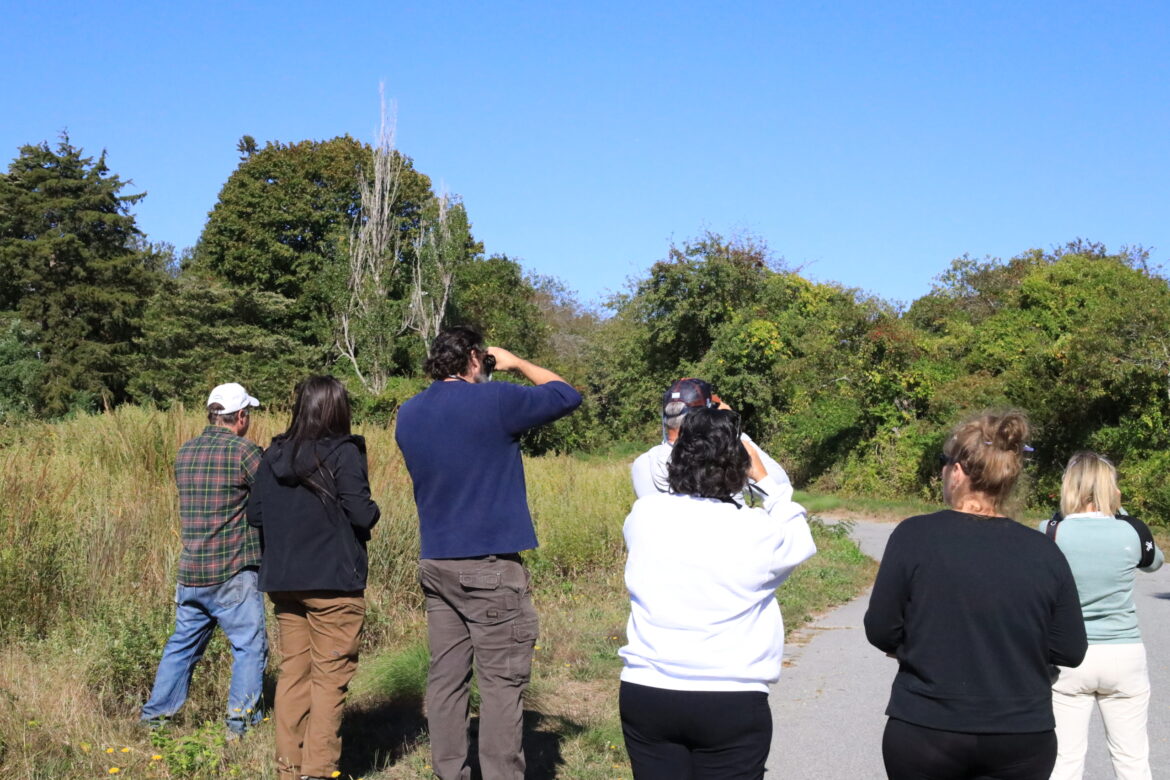
One of the best parts of this year’s event was the community that came together! We were thrilled to welcome 13 participants on Saturday, which was our largest turnout yet. Thank you to everyone who joined us and brought such energy and enthusiasm to the day. And to our regulars who couldn’t make it this year, you were missed!

Why Bird Counts Matter

Annual bird counts give us a chance to connect with nature while also helping us better understand the rhythms of migration and the health of our local ecosystems. Each year of observations adds to a long-term record that supports conservation efforts and deepens our appreciation for the island’s biodiversity.

Here is the list of species we encountered in our Fall 2025 Migratory Bird Count.

Fall 2025 Bird Count
American crow
American goldfinch
American kestrel*
American robin
Bald eagle*
Baltimore oriole
Black-and-white warbler
Black-capped chickadee
Blue jay
Bobolink
Brant*
Canada goose*
Carolina wren
Cedar waxwing
Common eider
Common raven
Common tern*
Common yellowthroat
Double-crested cormorant
Downy woodpecker
Eastern phoebe
Eastern towhee
European starling
Gray catbird
Great black-backed gull*
Great blue heron
Great-crested flycatcher
Great egret
Green heron
Herring gull
House wren
Laughing gull*
Mallard*
Mourning dove
Mute swan
Northern cardinal
Northern flicker
Northern harrier
Northern mockingbird
Northern parula
Osprey
Palm warbler
Pine warbler*
Red-bellied woodpecker
Rock dove*
Ruby-throated hummingbird
Snowy egret*
Song sparrow
Tufted titmouse
Veery
White-breasted nuthatch
White-eyed vireo

September 23, 2025 41 views
Current EventsEventsFeatureNews

Fall 2025 Migratory Bird Count

by Anna White September 15, 2025

Join us for our annual Fall Migration Bird Count!

Event Details:
Date: Saturday, September 20th
Time: 8:00 AM
Location: Community Center

We’ll begin the morning at the Community Center at 8:00 AM before heading out to count.

Please come prepared for a long walk, and remember your binoculars!

Following Audubon bird count guidelines, participants will stop 15 times along the route from the West End to the East End of Fishers Island. Each stop will last five minutes, during which birders will identify and call out the species they see. Our knowledgeable team will guide the group and be available to answer questions along the way.

Fishers Island is an amazing place for birdwatching during fall migration. Situated on the Atlantic Flyway, the island provides an important resting place for birds traveling from northern breeding grounds in Canada to their southern wintering habitats. By late September, our local summer residents begin to move on, while many migratory species pass through overhead.

Whether you’re a seasoned birder or new to the activity, this is the perfect chance to experience the diversity of birds moving through the island during their fall journey!

Last year, despite a high-pressure system that limited activity, we observed 45 species which was well above the average of 39.9 species recorded in previous fall surveys.

September 15, 2025 34 views
Marine Reports

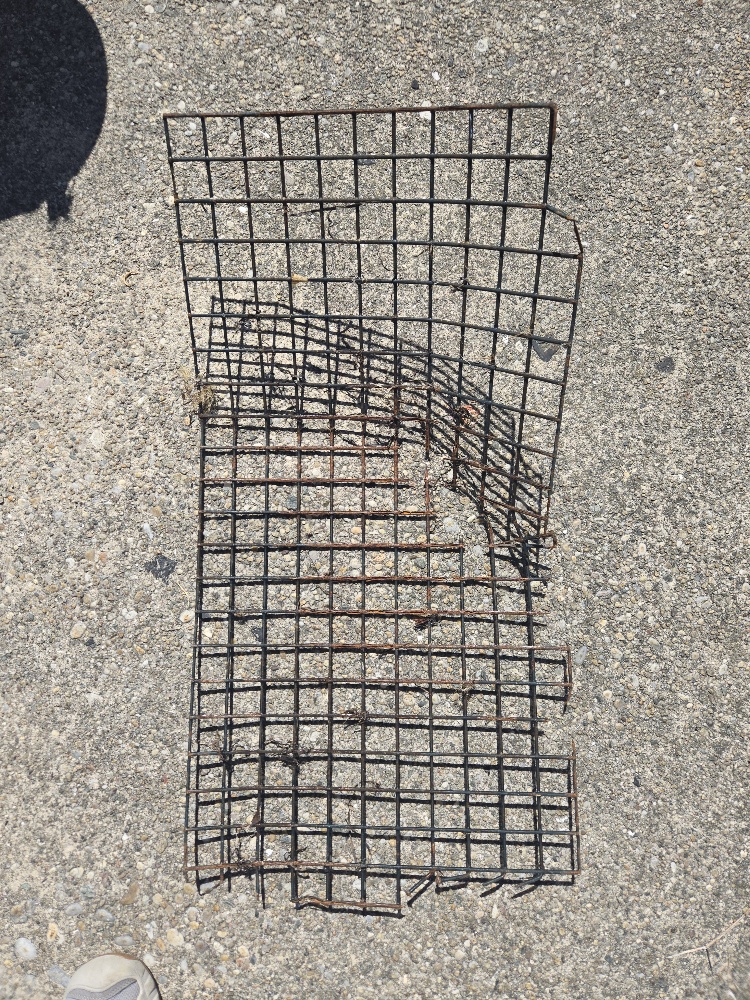
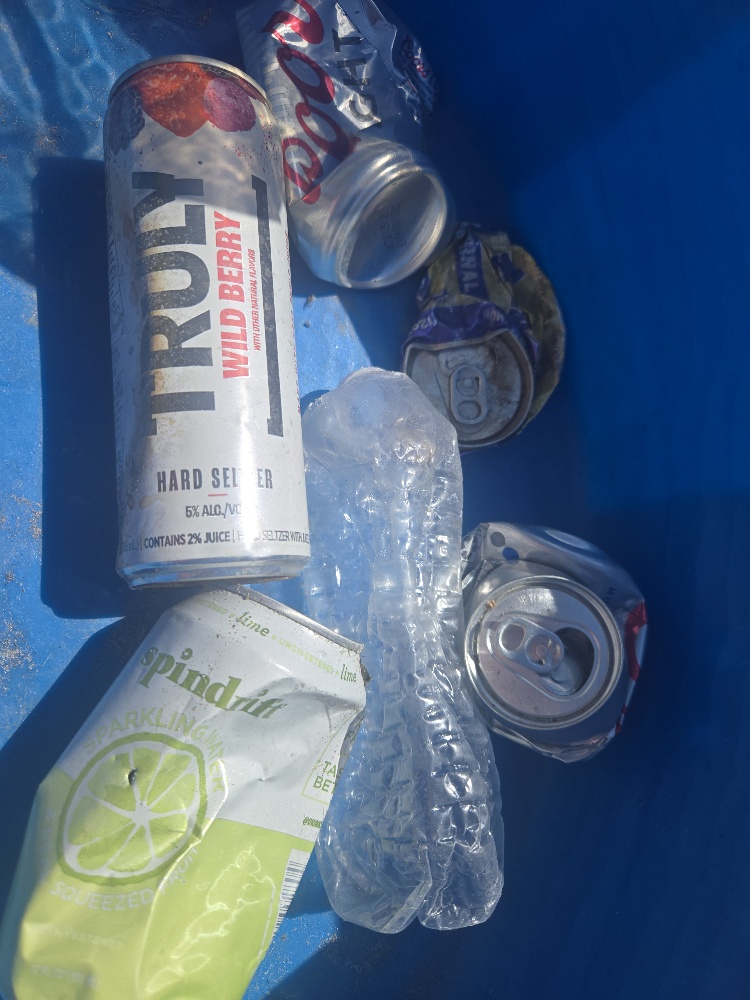
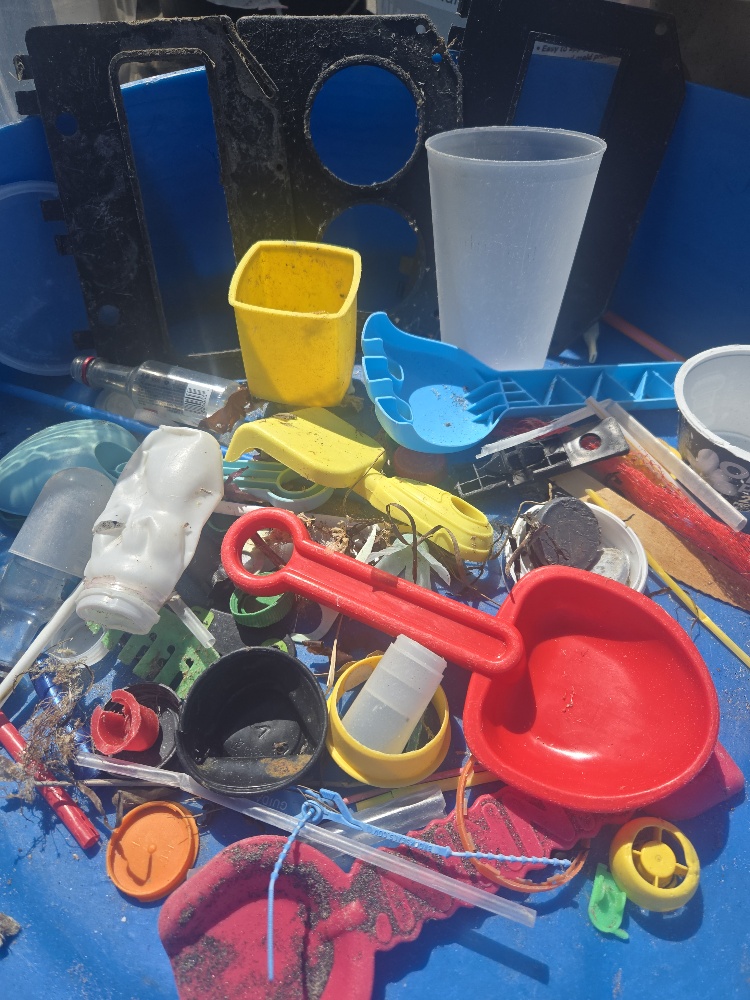
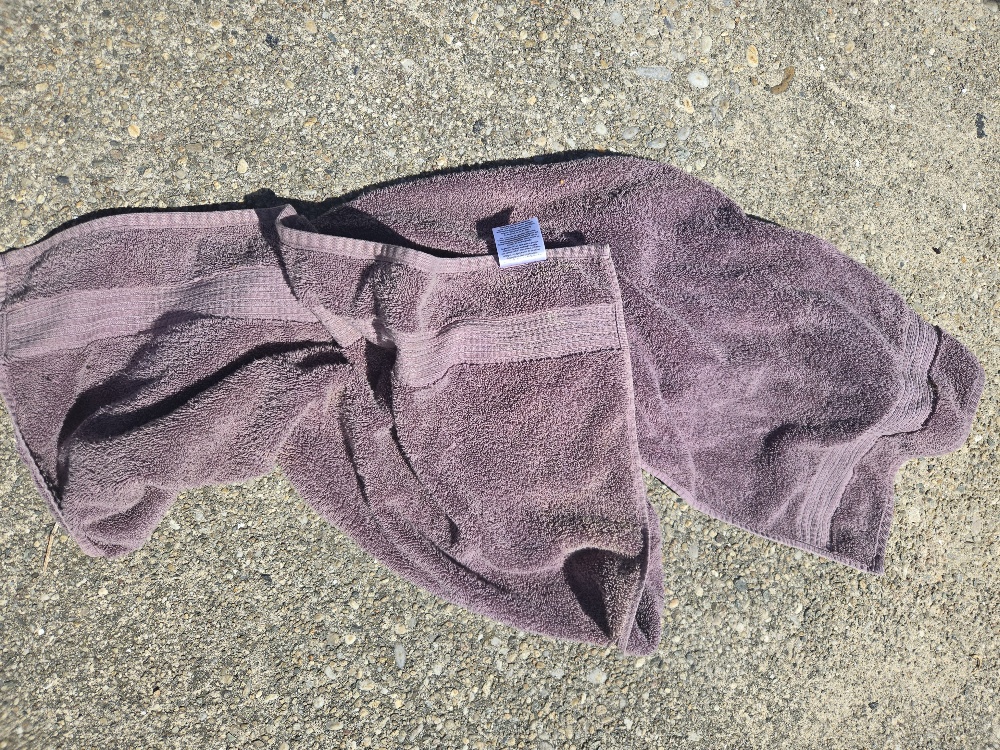
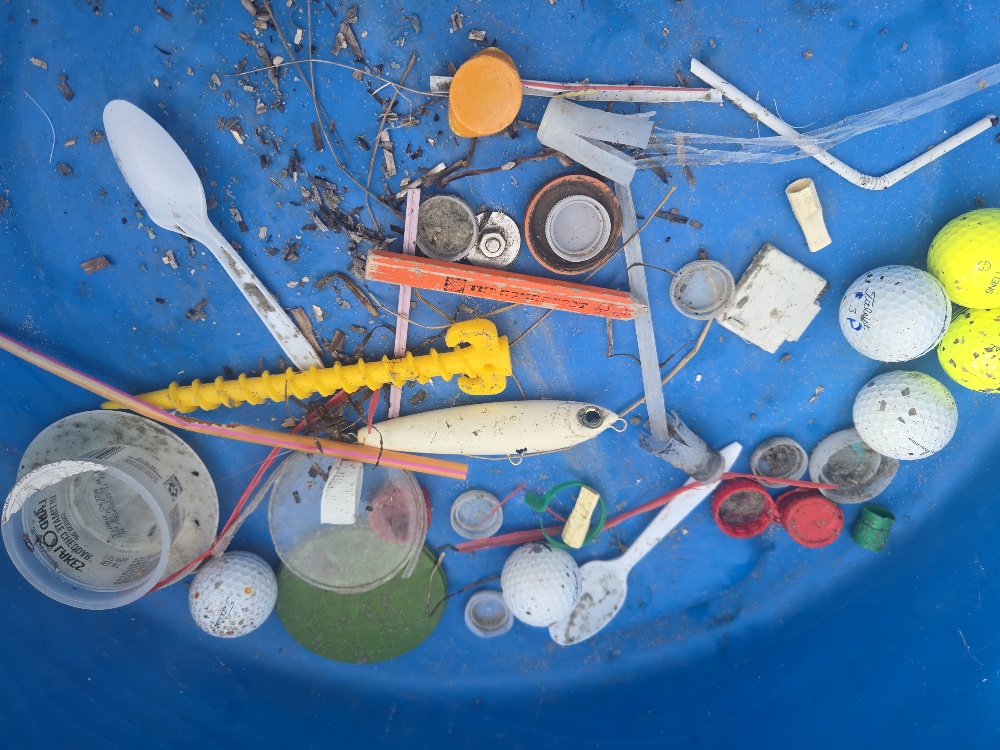
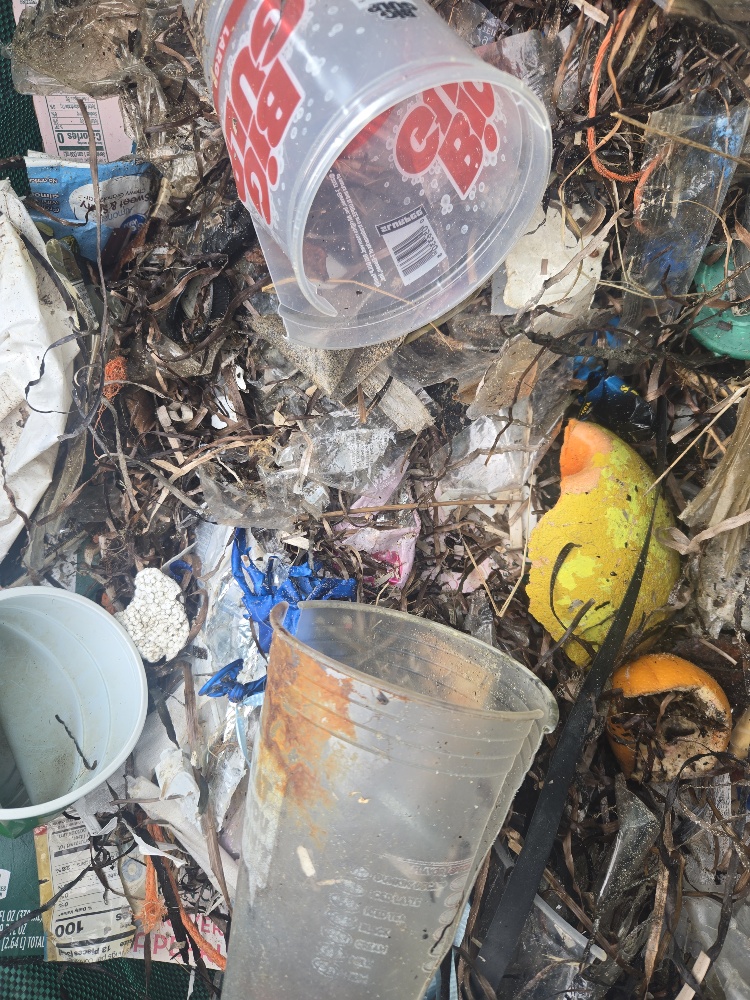
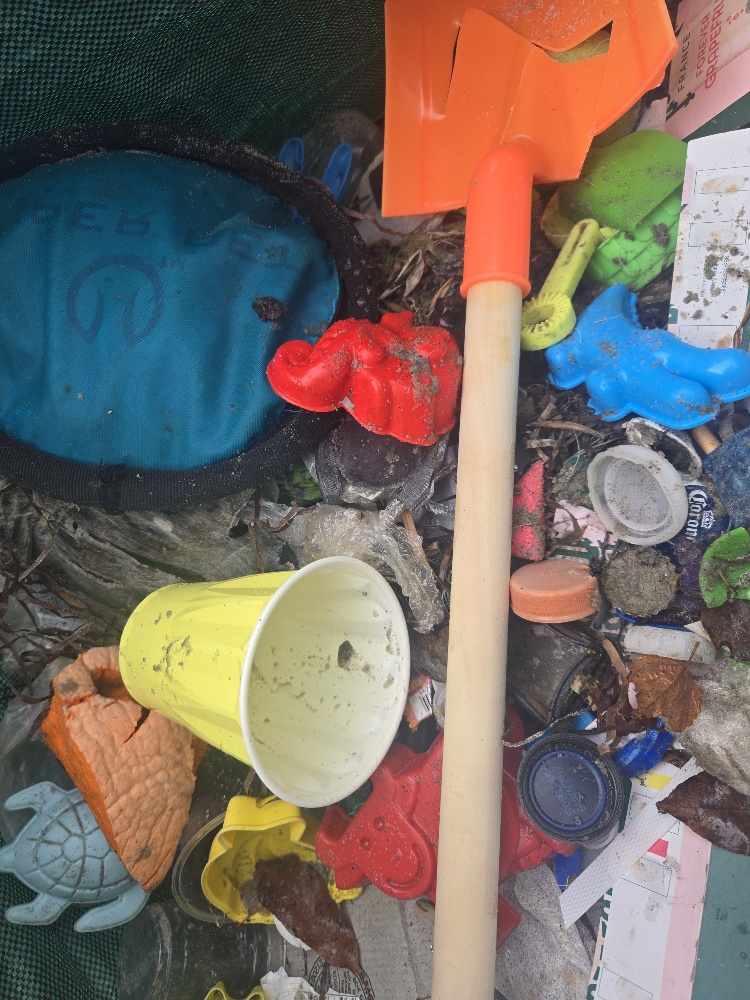
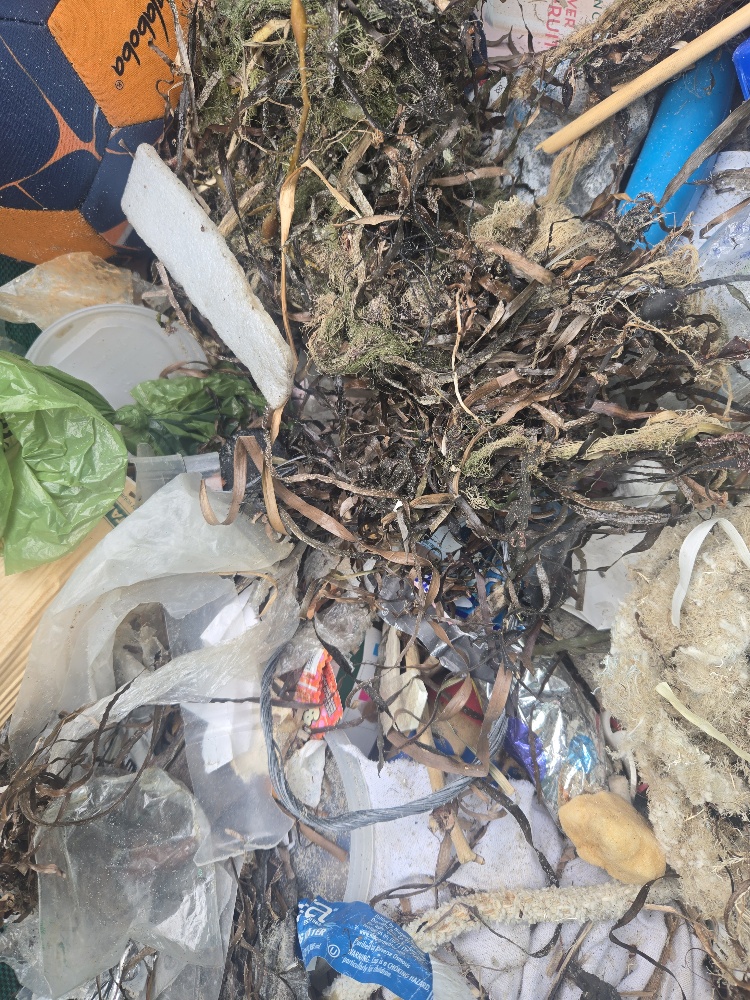
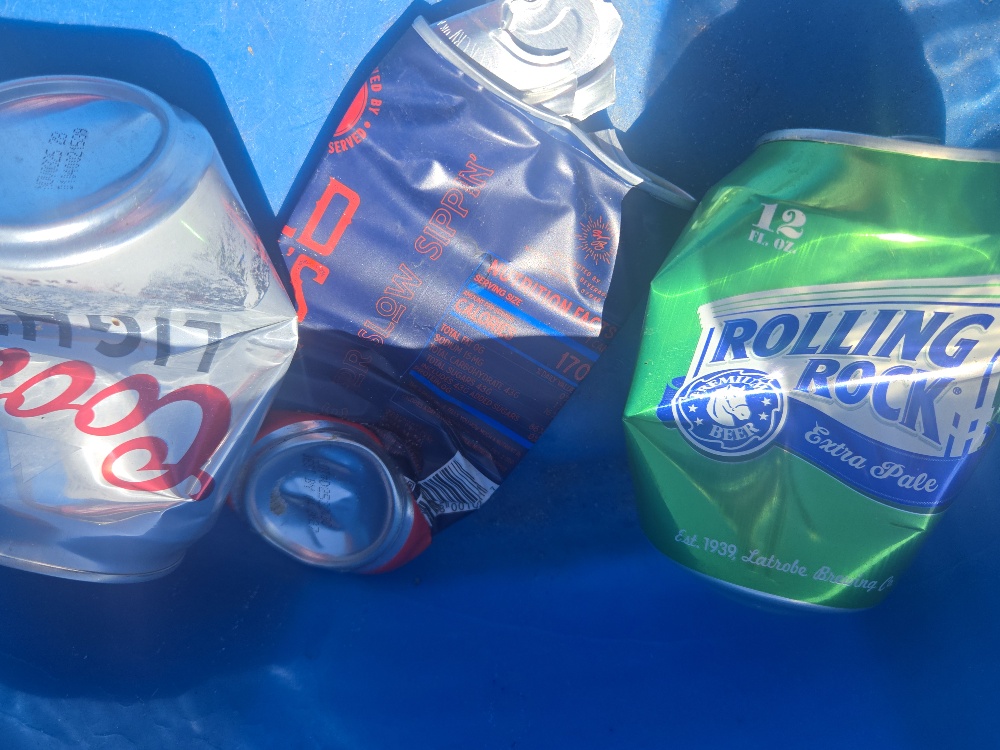
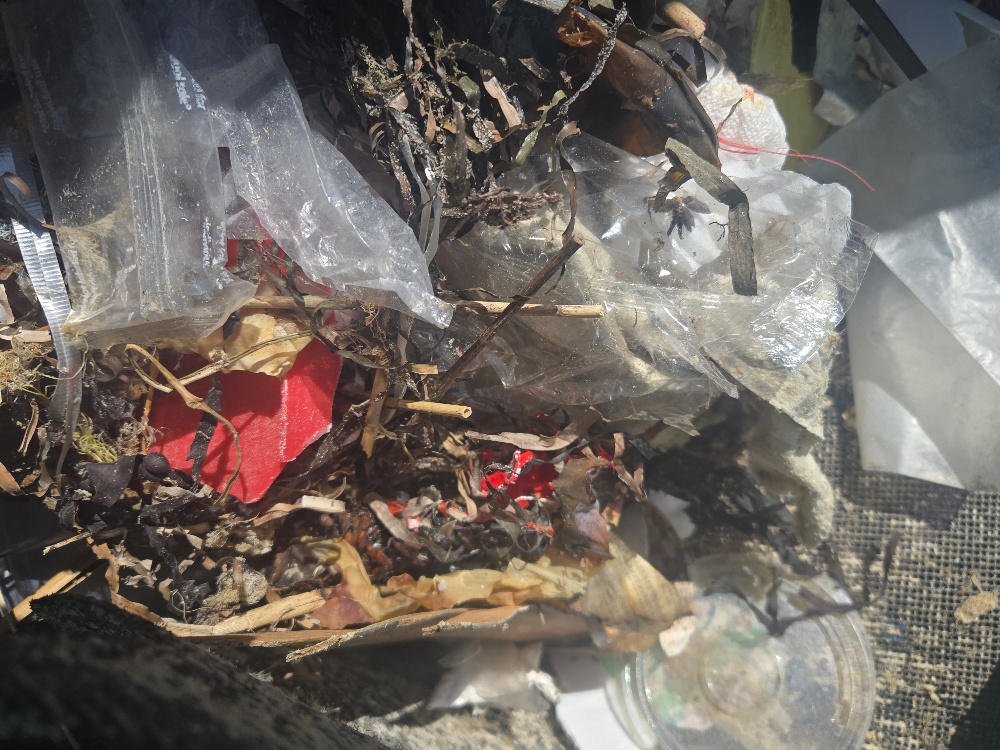
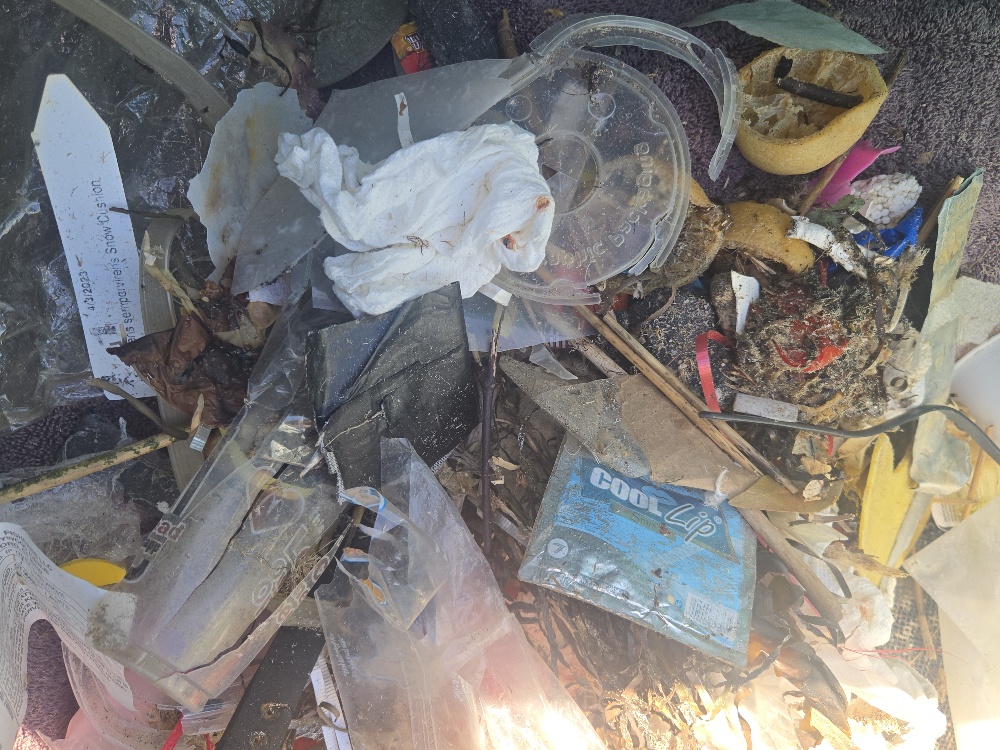
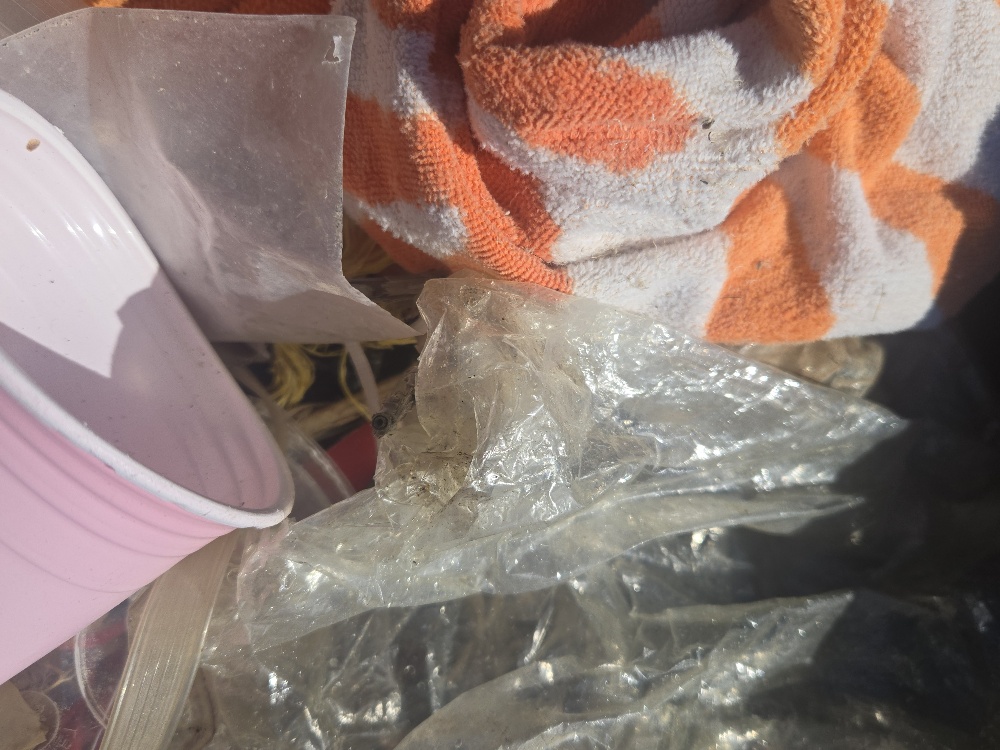
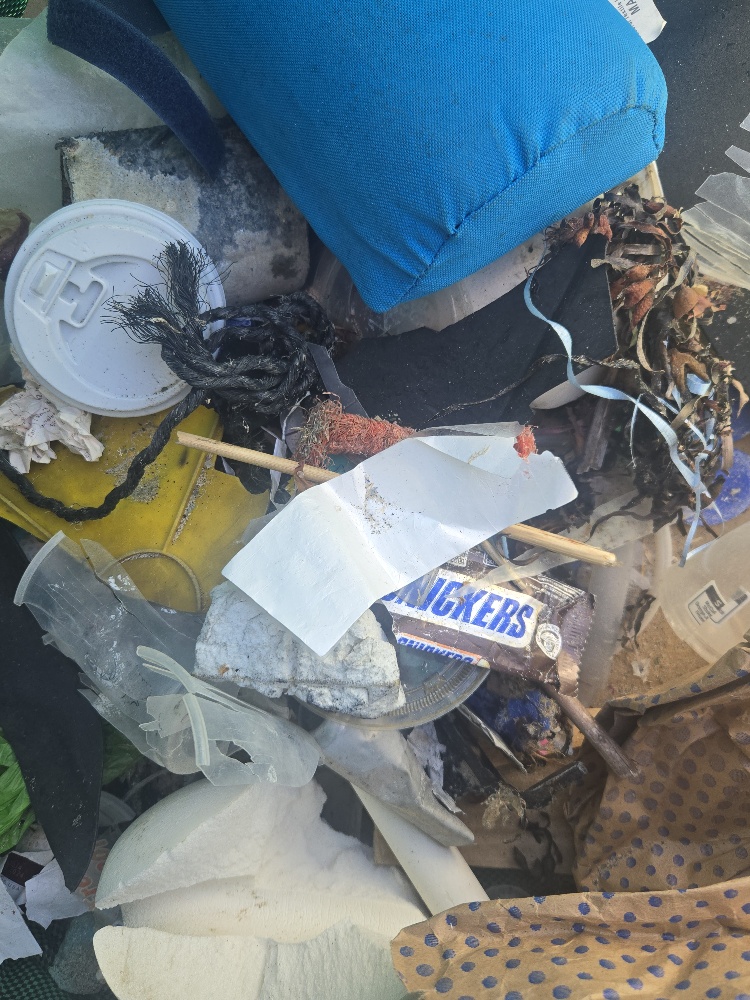
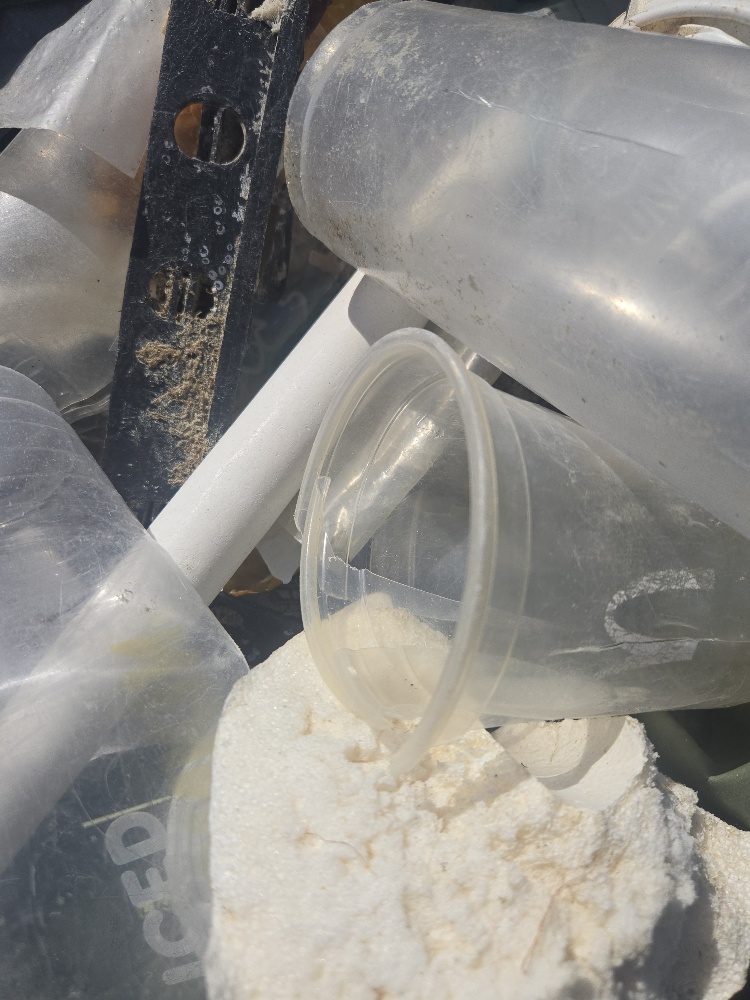
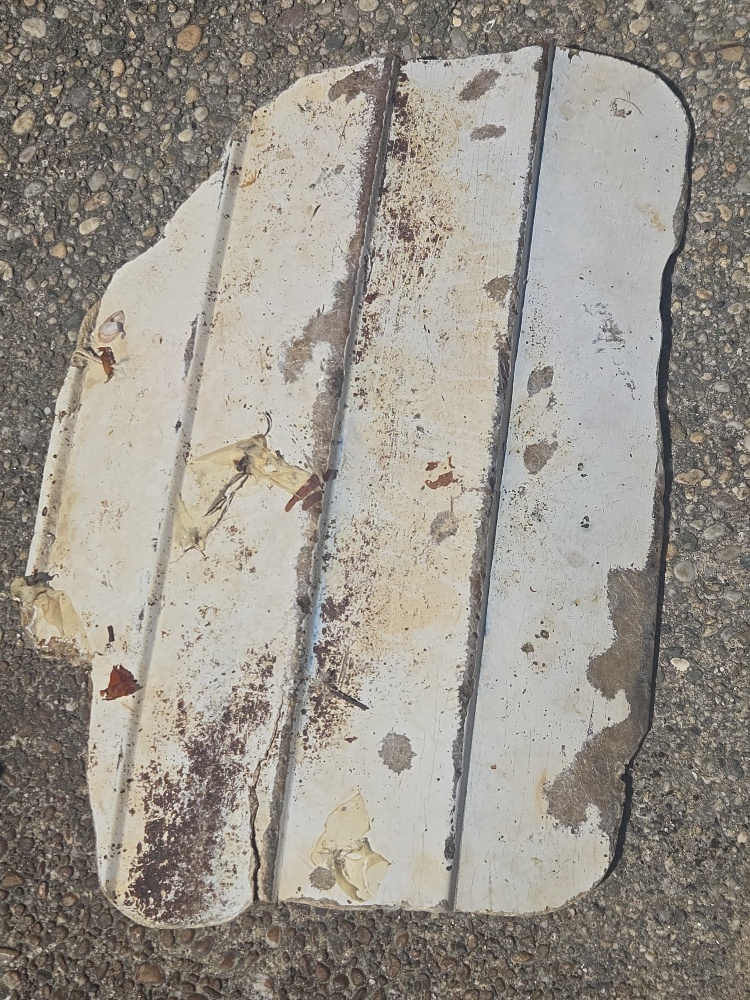
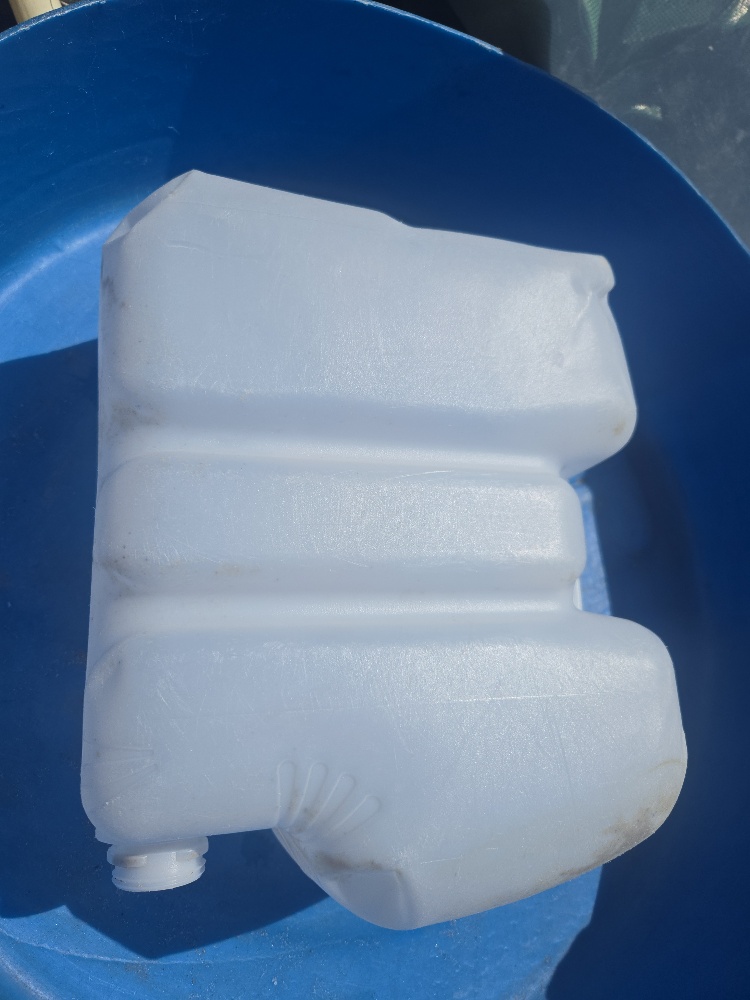
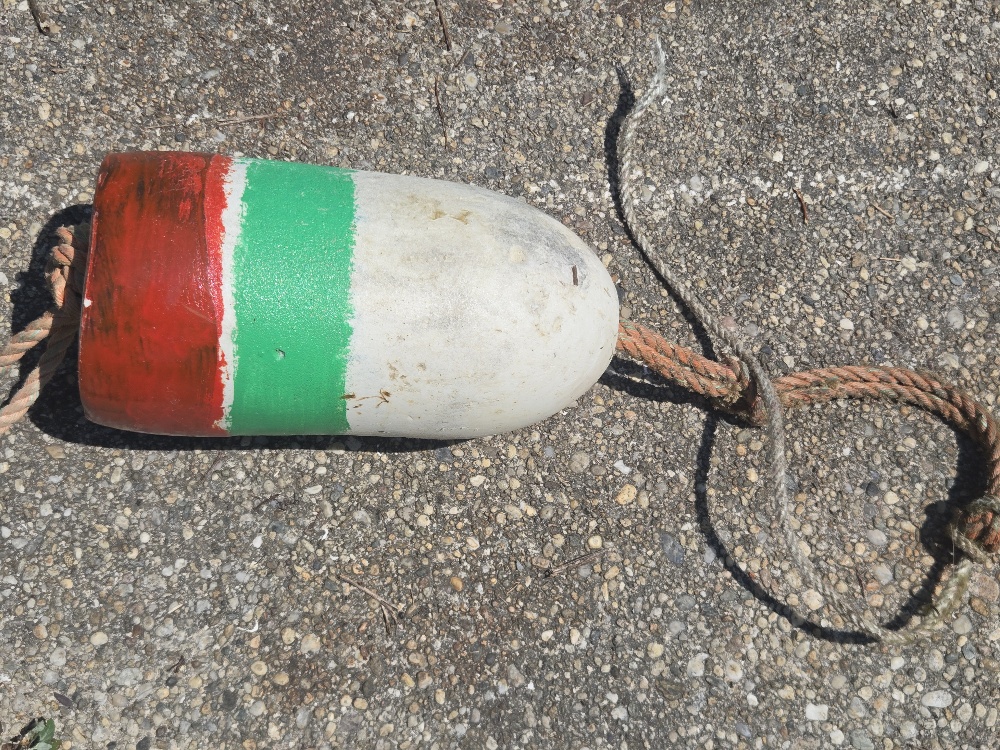
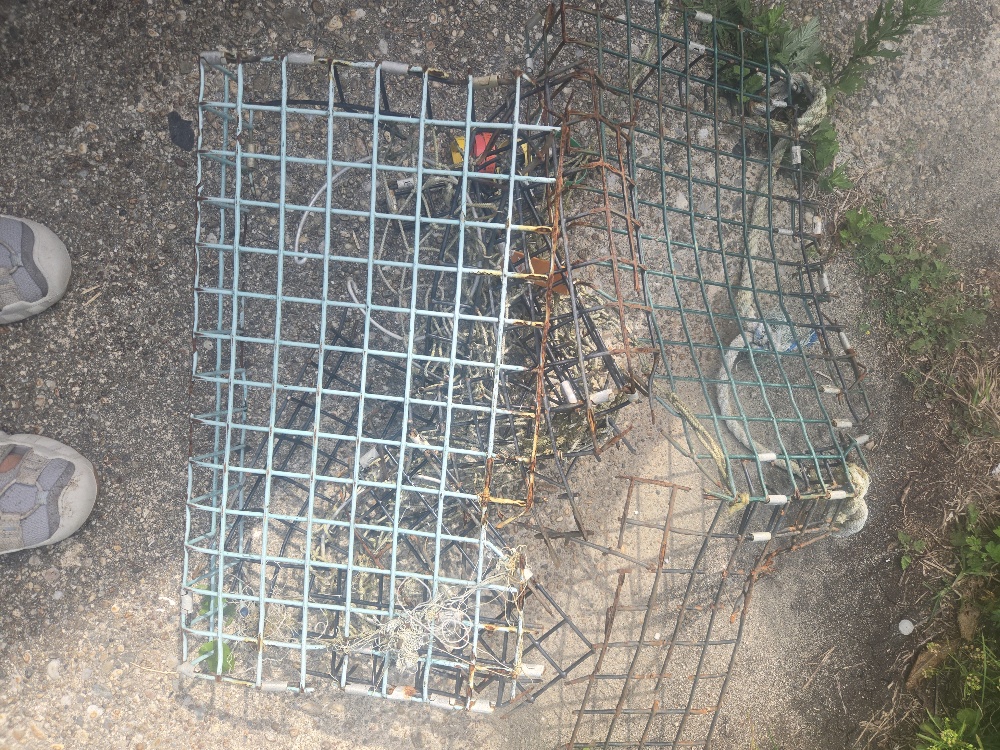
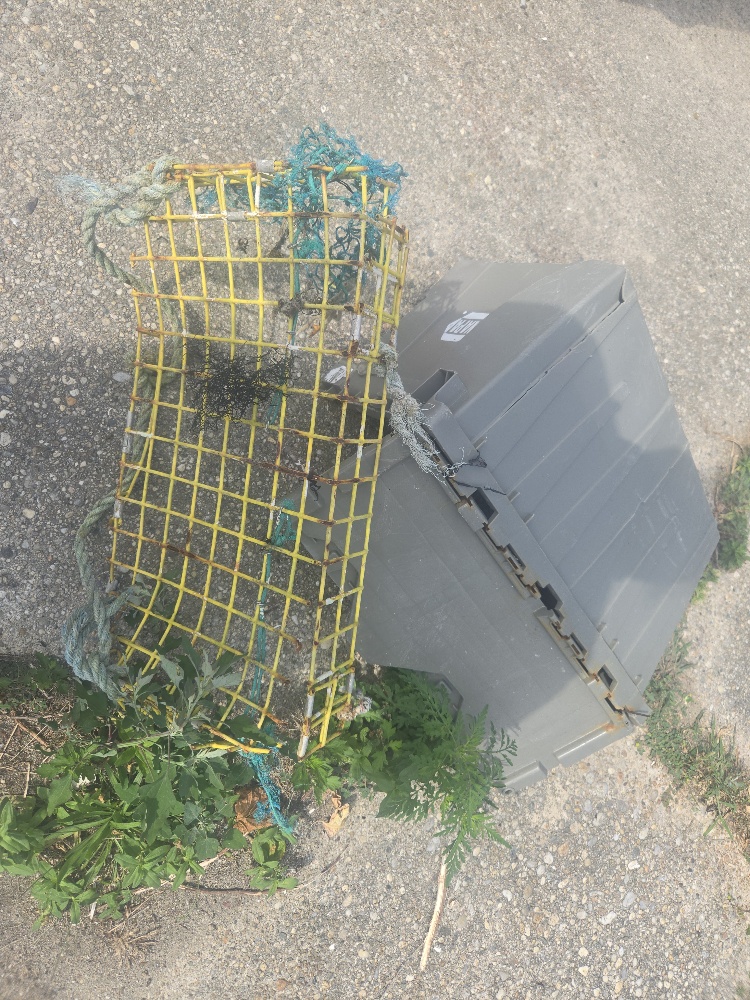
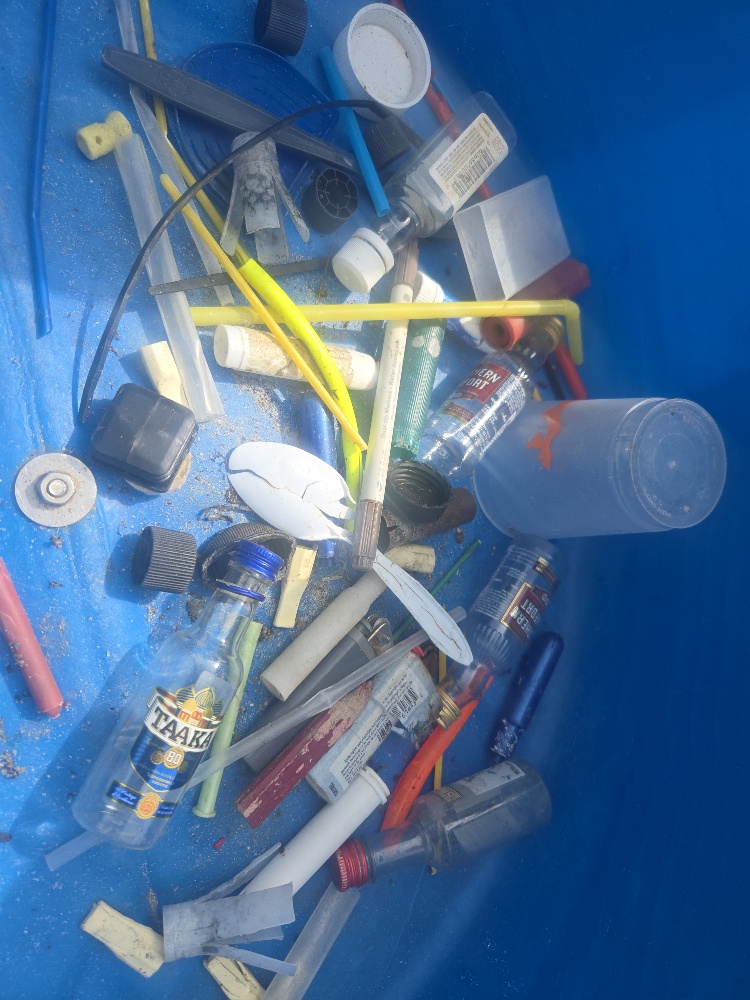
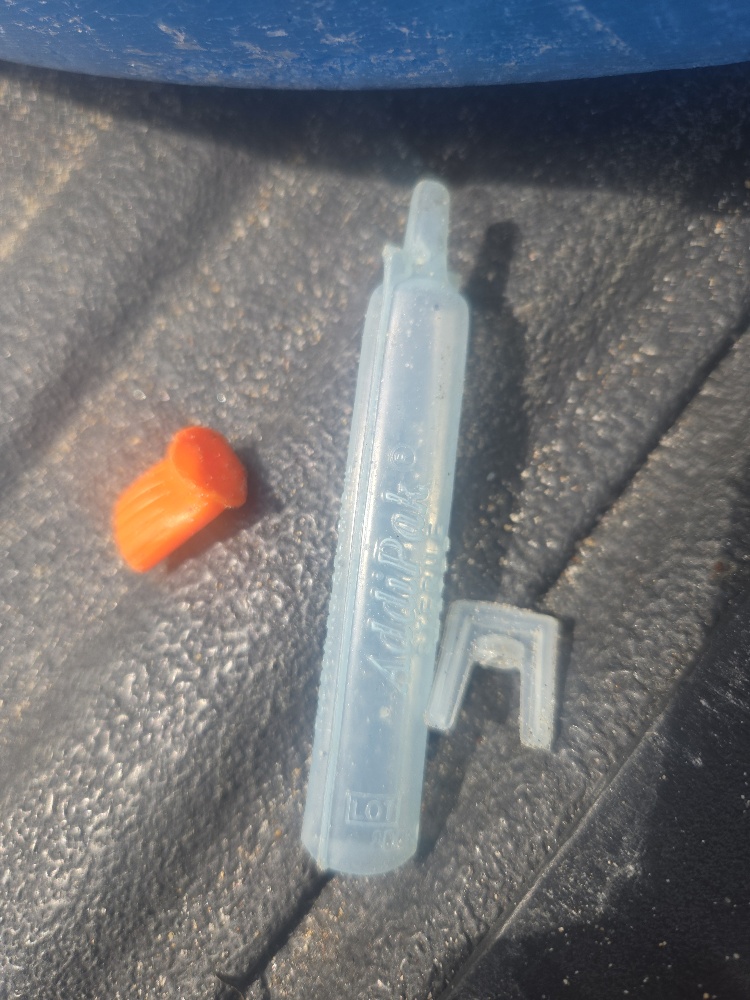
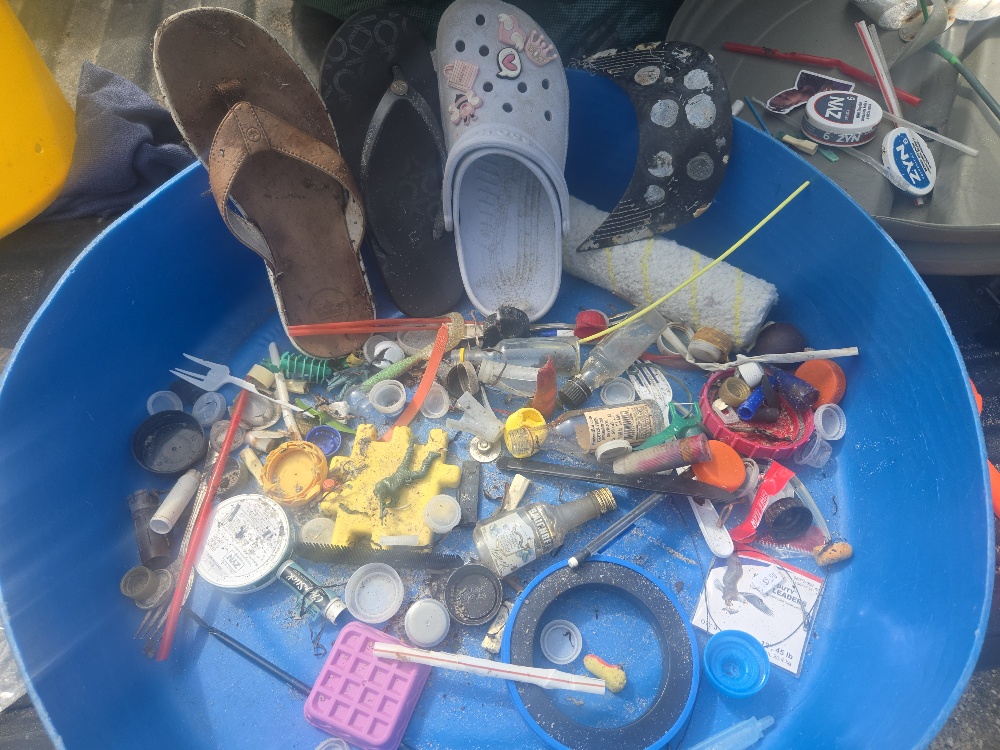
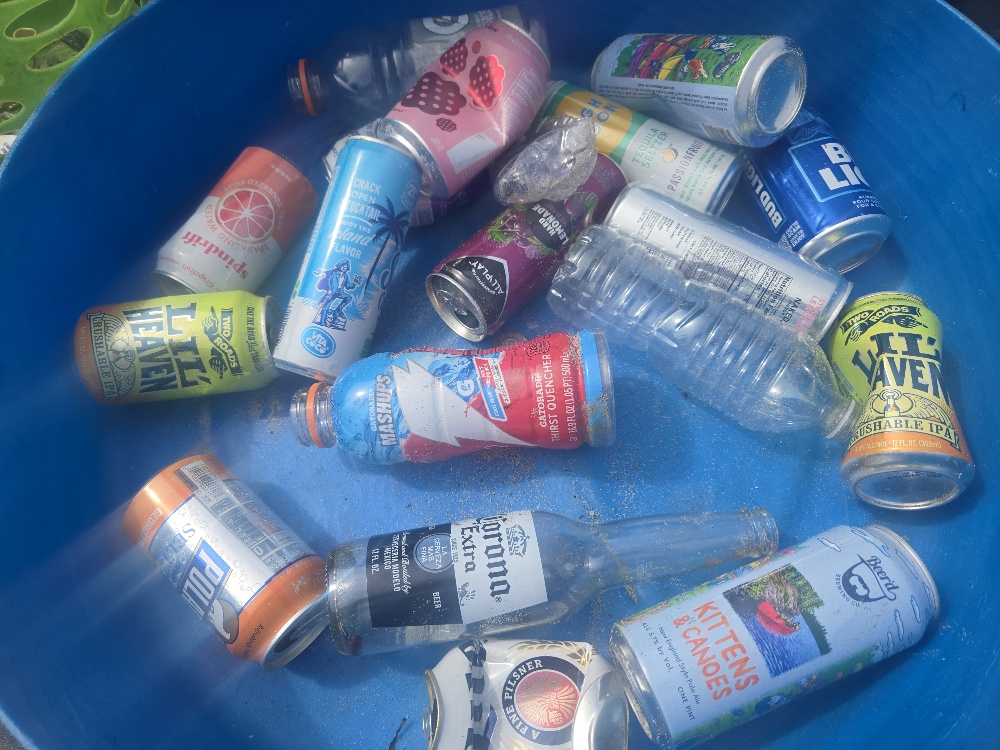
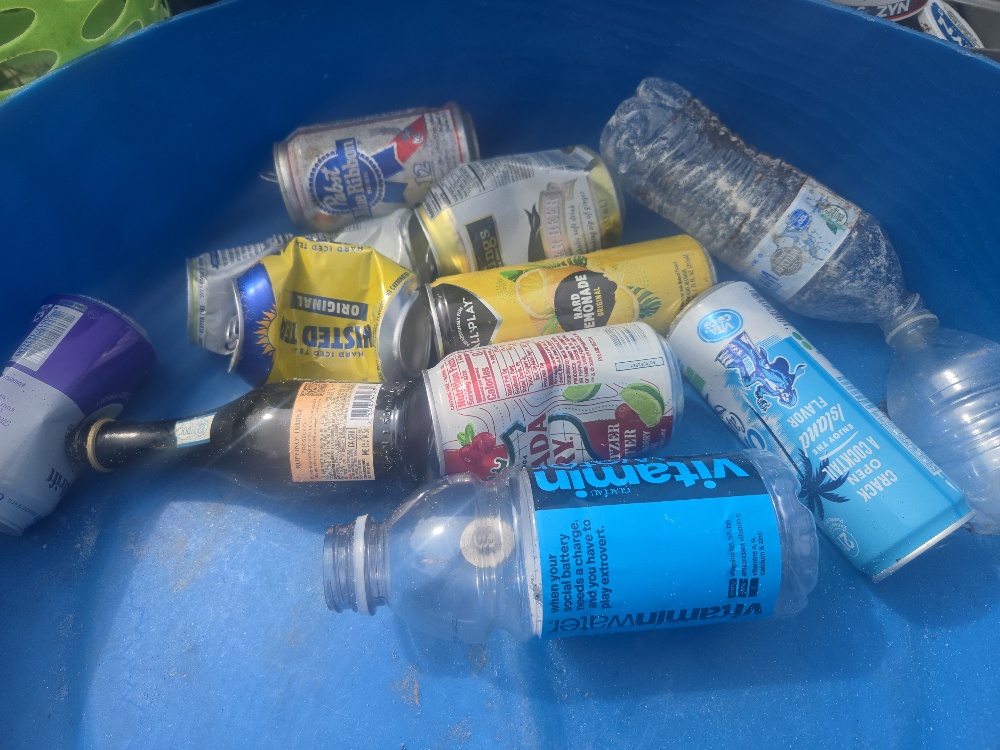
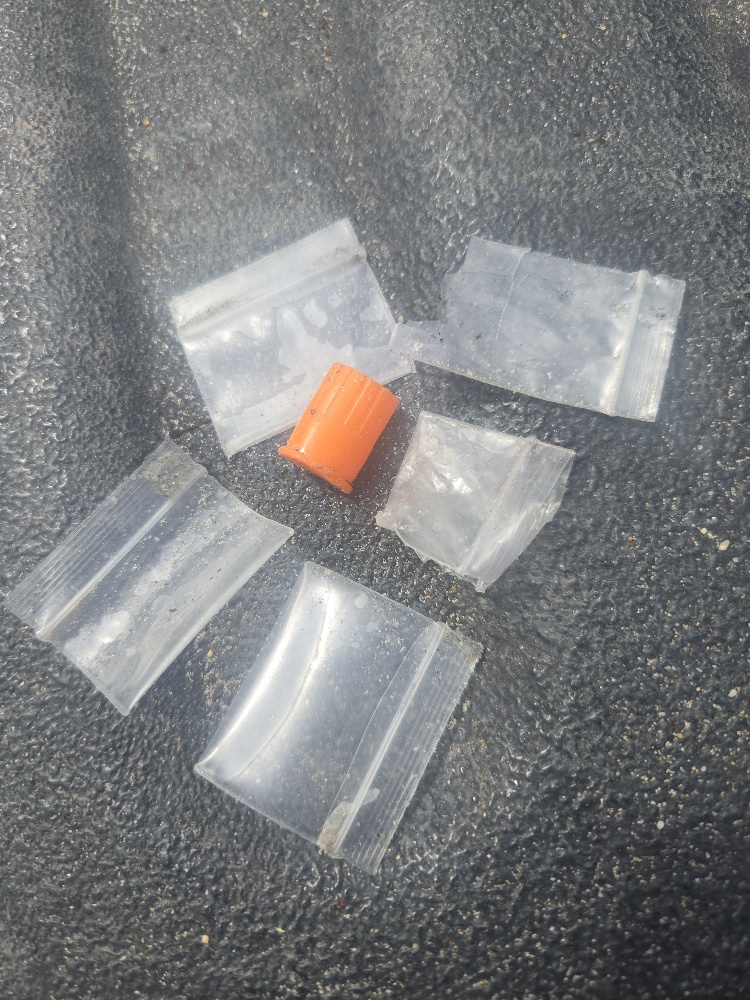
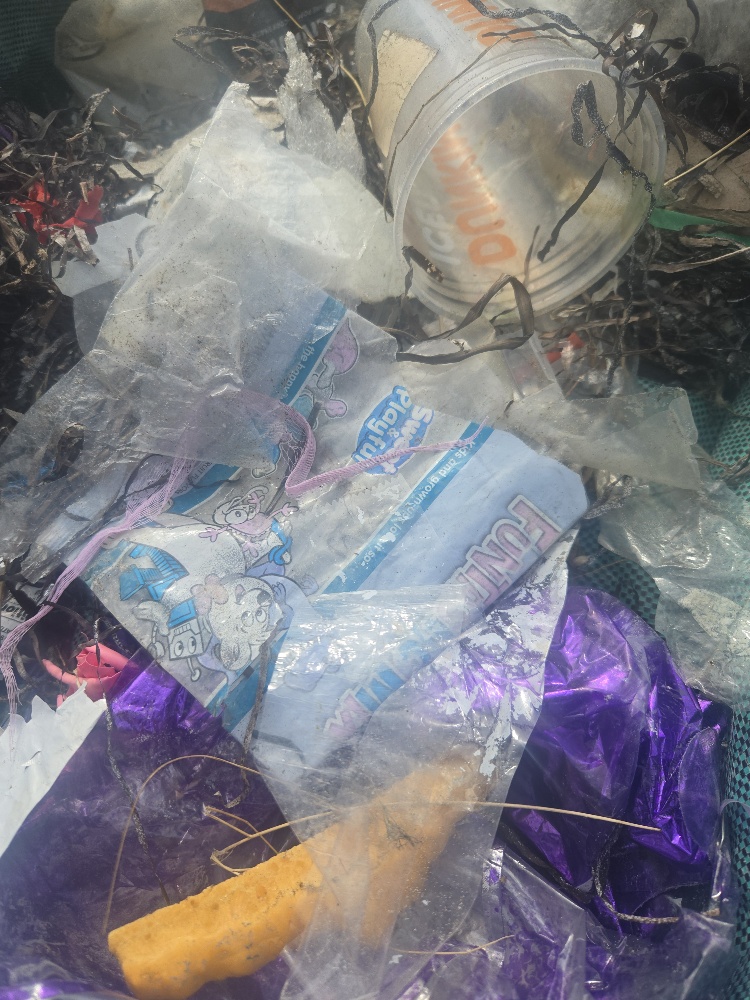
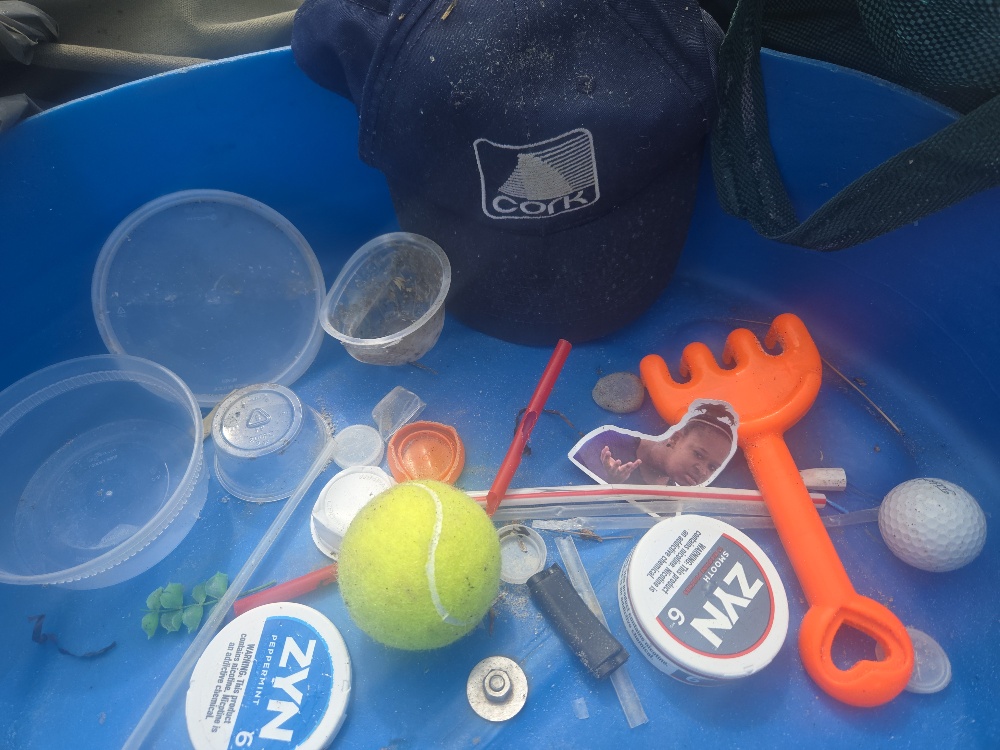
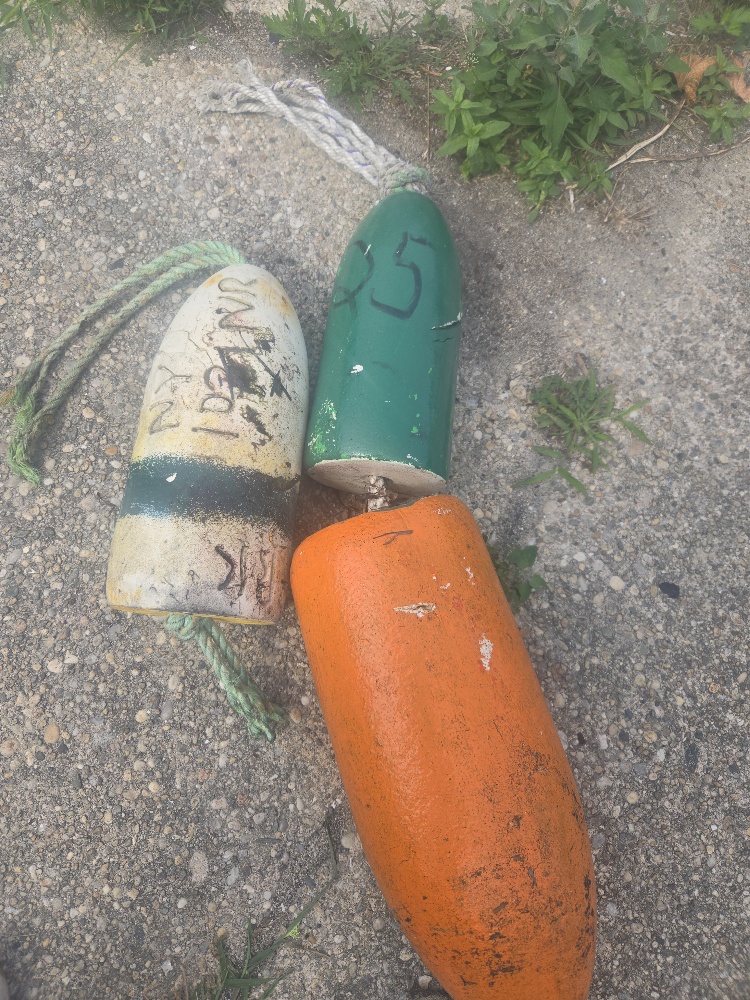
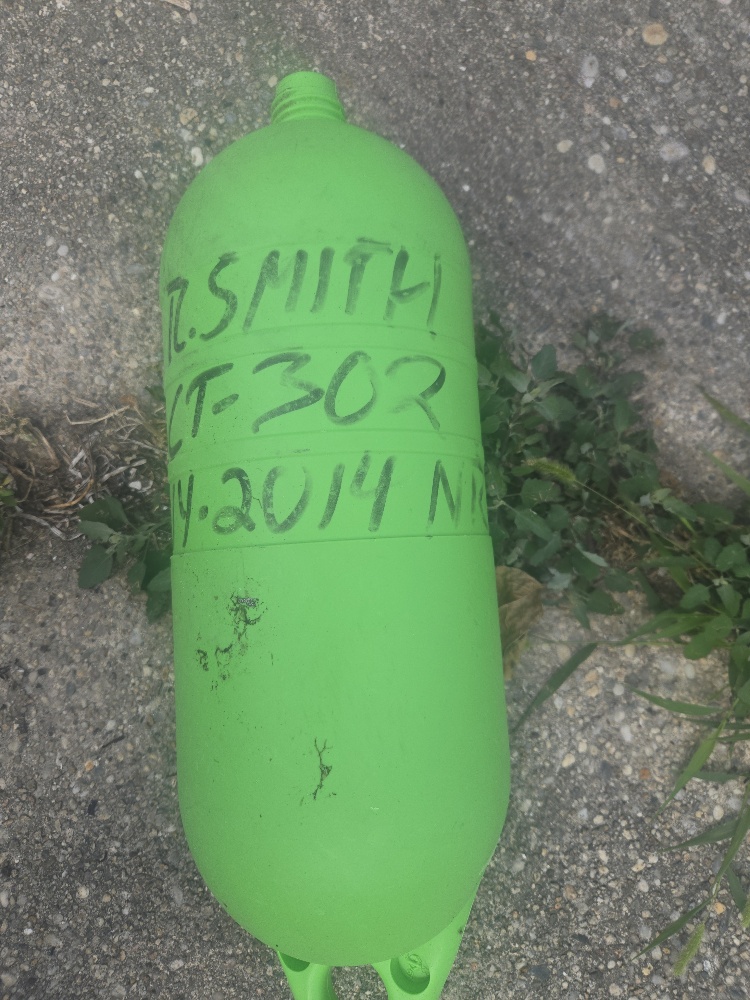
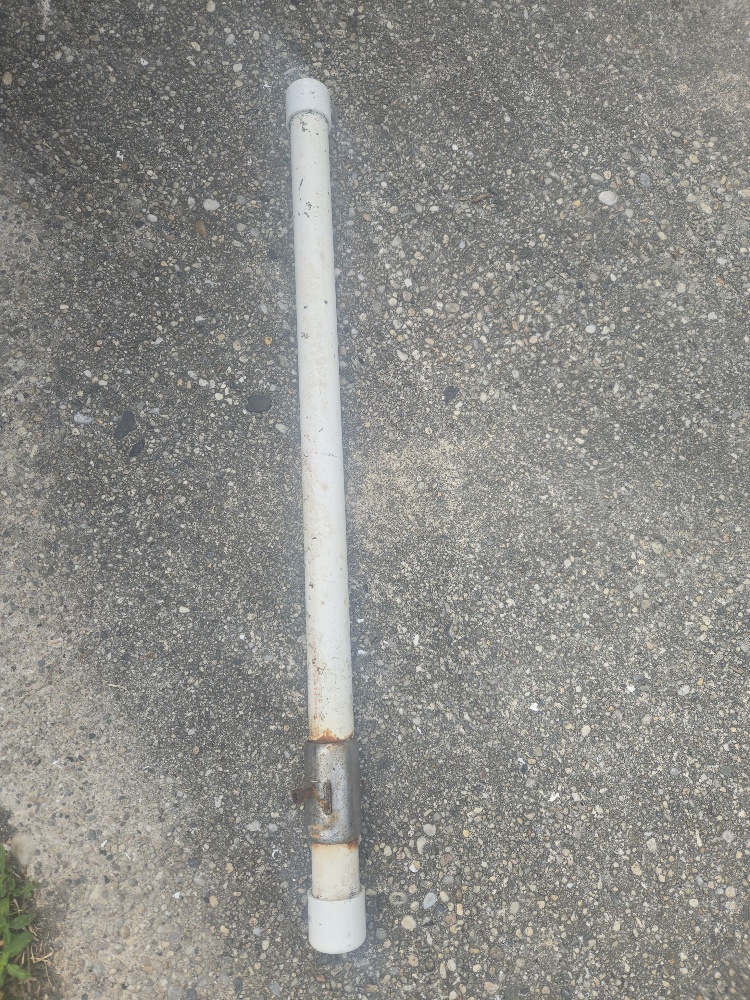
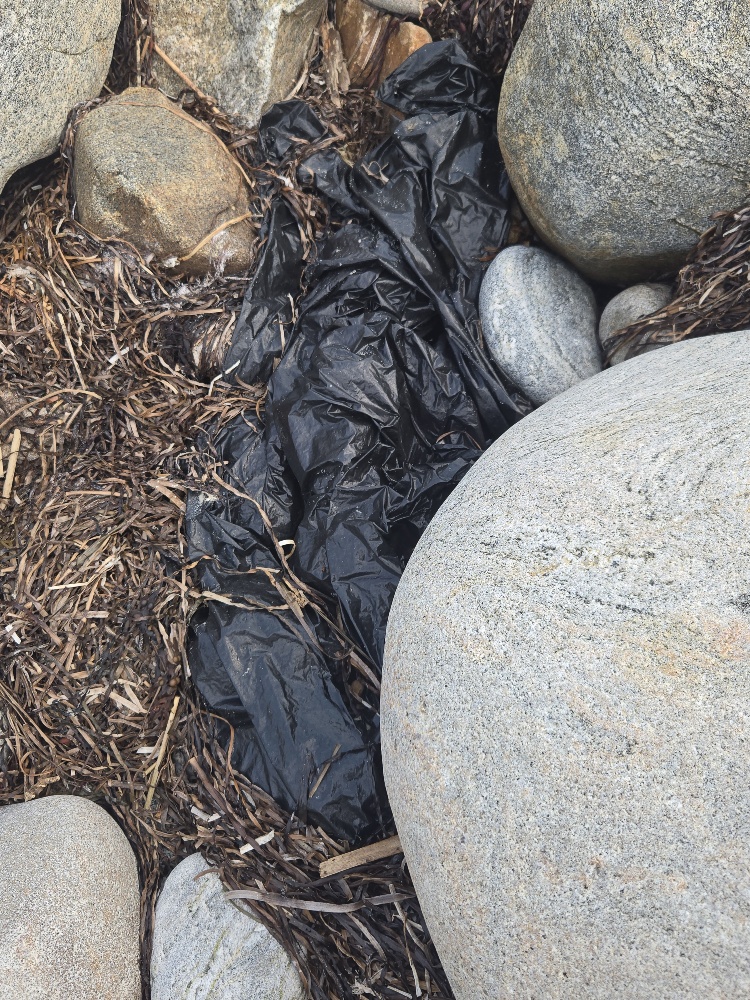
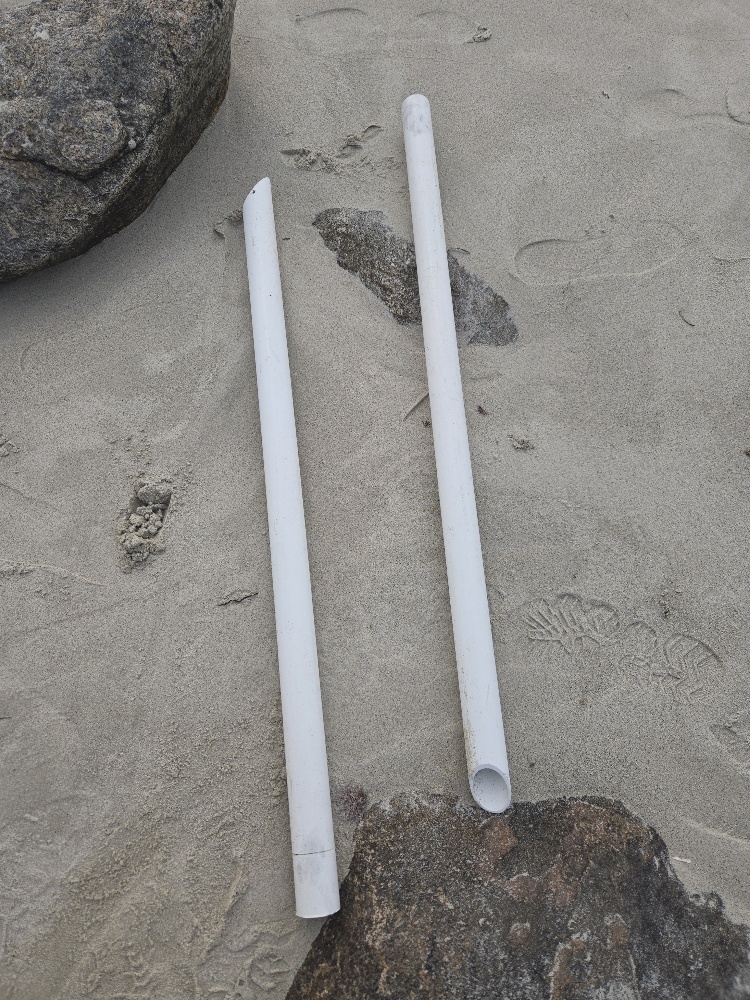
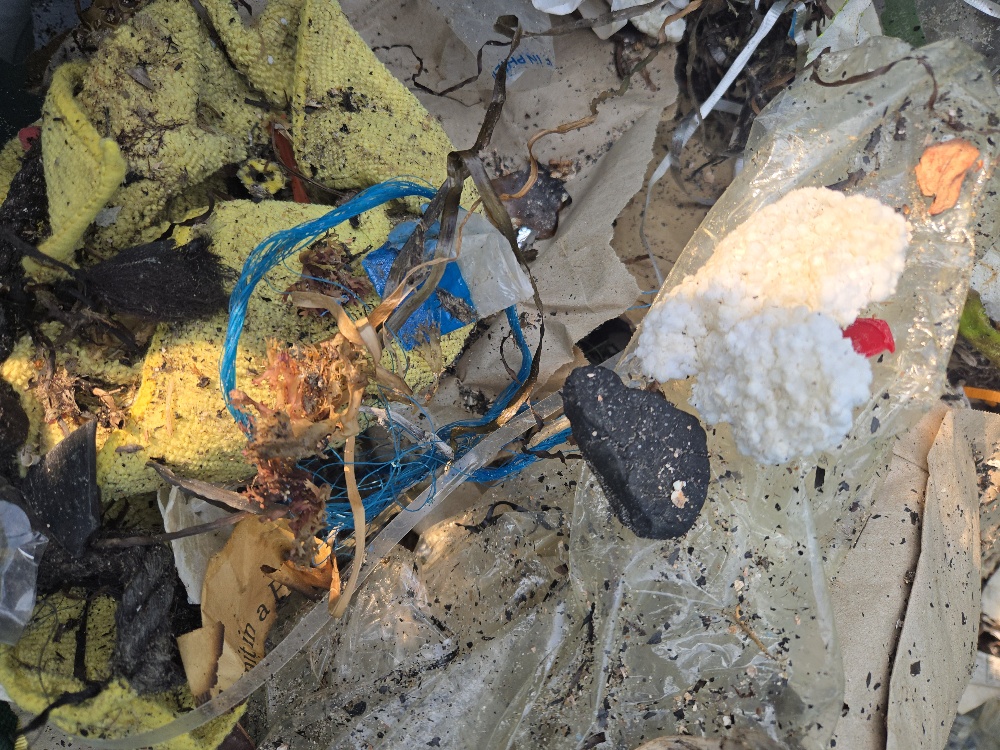
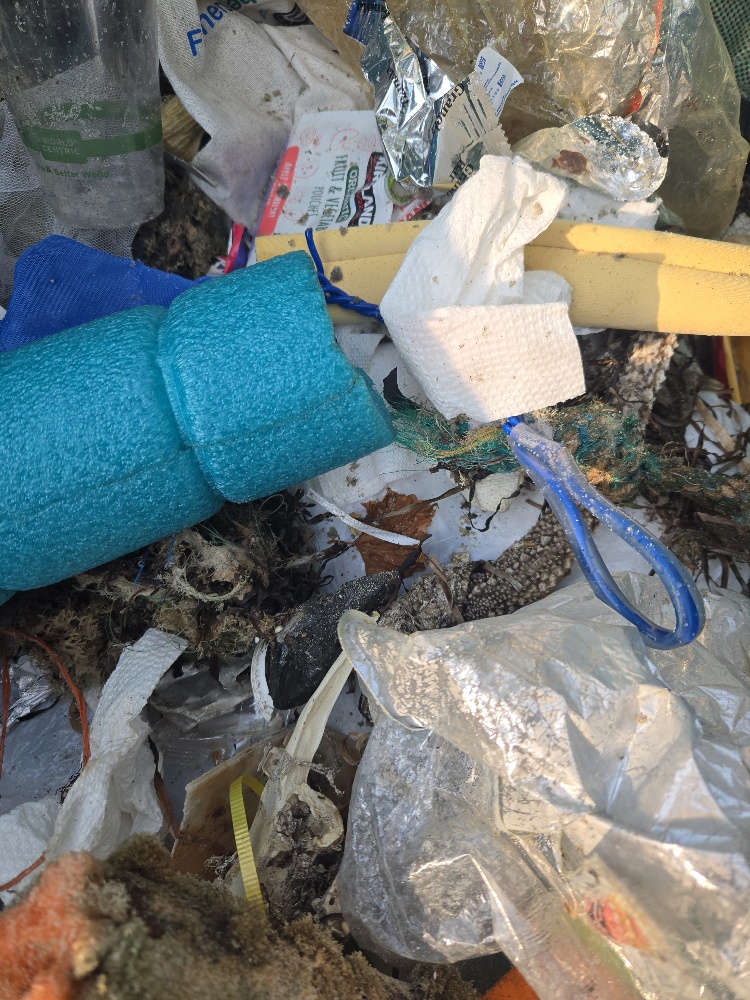
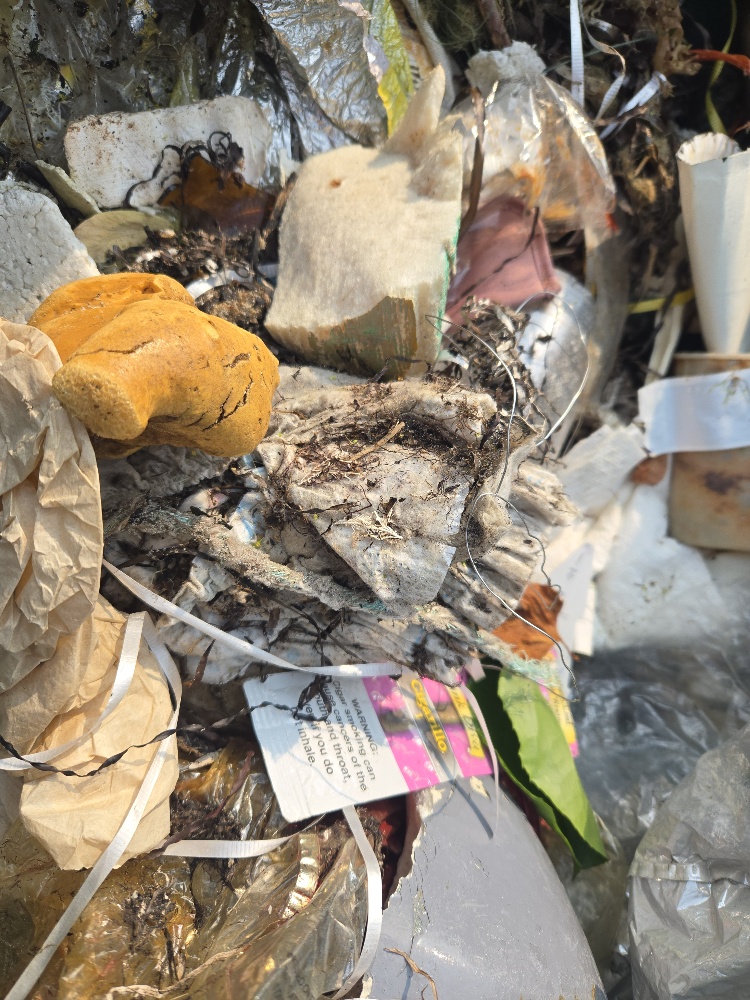
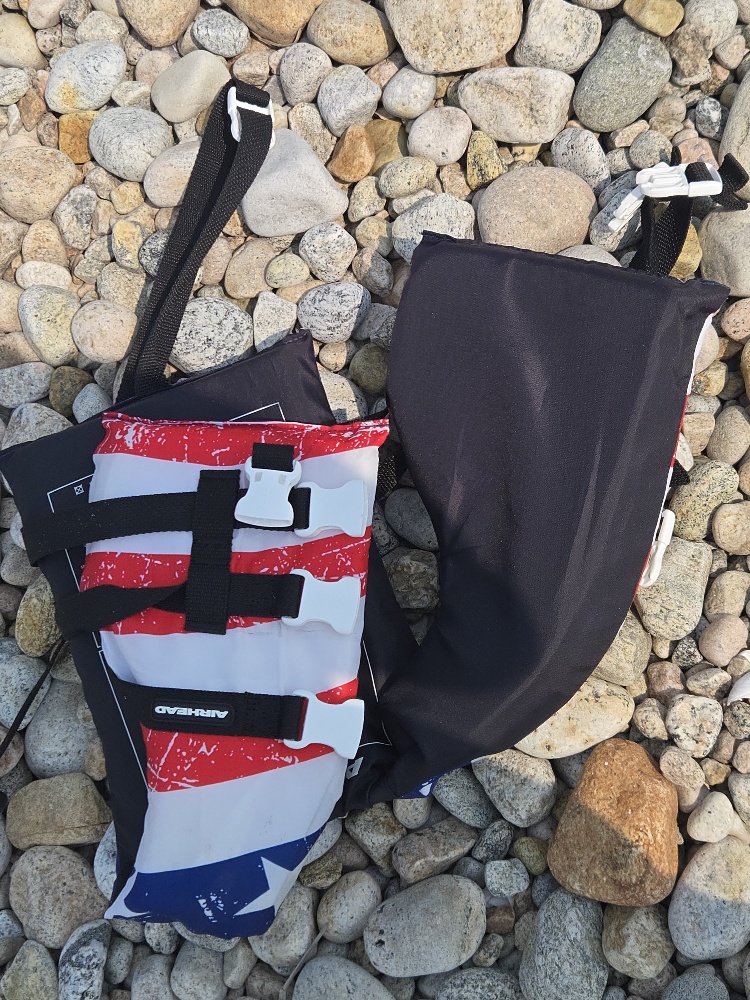
Marine Debris September 2025

by Anna White September 1, 2025

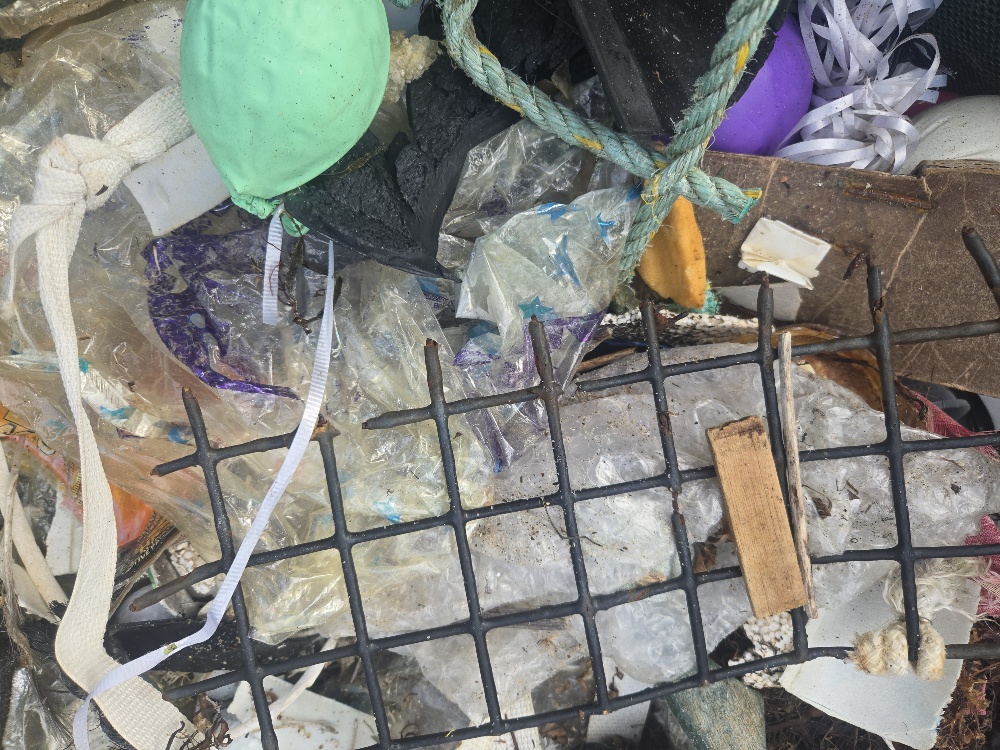
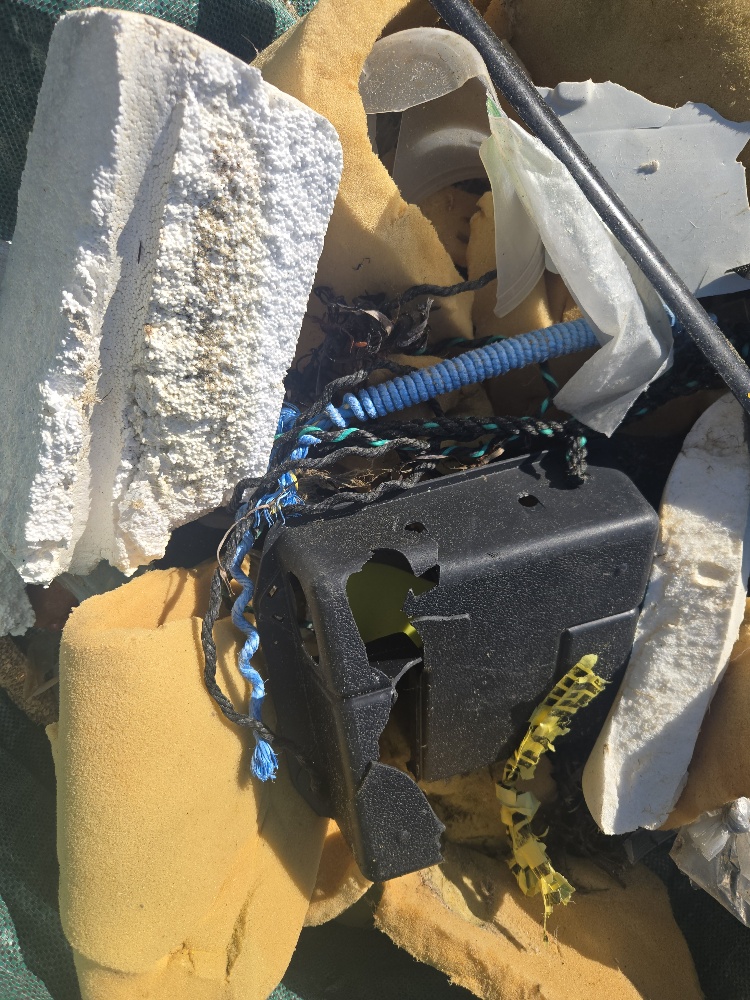
Marine Debris Report
September 2025

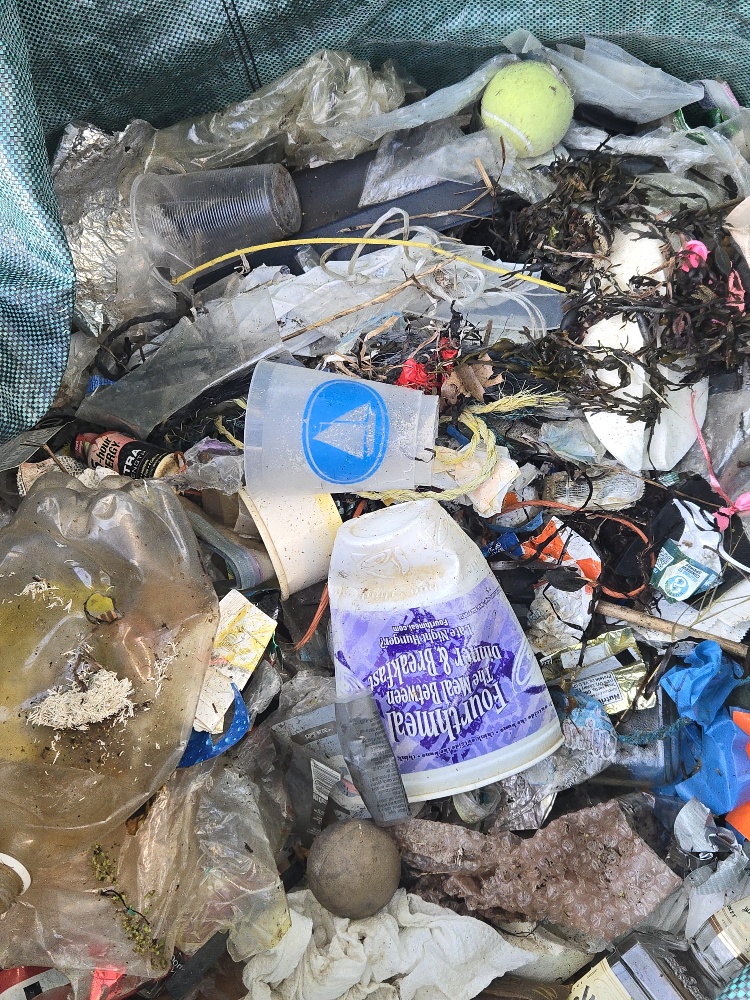
Collected across island beaches
Total weight: 931  lbs | Total hours: 166.5
~ Michele Klimczak

DATEZONELOCATIONWEIGHT (LBS)HOURS
9/1/2025E4Latimer Light beaches & Eighth Hole over rocks386.5
9/2/2025E4Castle Rd Beaches to behind Money Pond beaches448
9/4/2025N1Airport beaches, Ordinance, Silver Eel Cove, Ferry Park, Little Stony, Holiday House, and Hay Harbor368
9/5/2025S2Wilderness Point through Isabella beaches, Secrete Beach + Vikings End688.5
9/6/2025S2Race Rock, Sanctuary of Sands, South Beach, stopped before Wilderness Point266.5
9/8/2025S3Chocomount Cove beaches through behind Webbles, beach before Big Club528.5
9/9/2025N5Chocomount Cove beaches to end of Hungry Point beaches497.5
9/10/2025E4Latimer Light beaches past Eighth Hole over rocks397
9/11/2025E4Castle Rd beaches to behind Money Pond467.5
9/12/2025N6North Hill beaches to Dock Beach, Brick Yard Rd through Clay Point Rd528
9/14/2025N1Airport beaches to Ordinance Ferry Park to Silver Eel Cover to Little Stony336.5
9/15/2025S2Wilderness Point to Isabella to Secret beach578.5
9/16/2025S2Race Rock beaches, Sanctuary of Sands through all of South beaches up to Wilderness Point397.5
9/17/2025S3Chocomount beaches to behind Webbles beach before Big Club488
9/20/2025N5Chocomount Cove beaches through Hungry Point beaches326.5
9/22/2025E4Latimer Light to East Harbor397
9/23/2025E4Castle Rd beaches to behind Money Pond over golf course469
9/24/2025N6North Hill beaches, Dock, Brick yard Rd to Clay Point Rd beaches438
9/25/2025Raining- Sorting in shed04
9/26/2025N1Airport beaches to Ordinance Ferry Park to Silver Eel Cover to Little Stony to Holiday House Beaches468.5
9/29/2025S2Race Rock, Sanctuary of Sands, Wilderness Point429
9/30/2025S2Vikings End, Isabella, Secret beach568

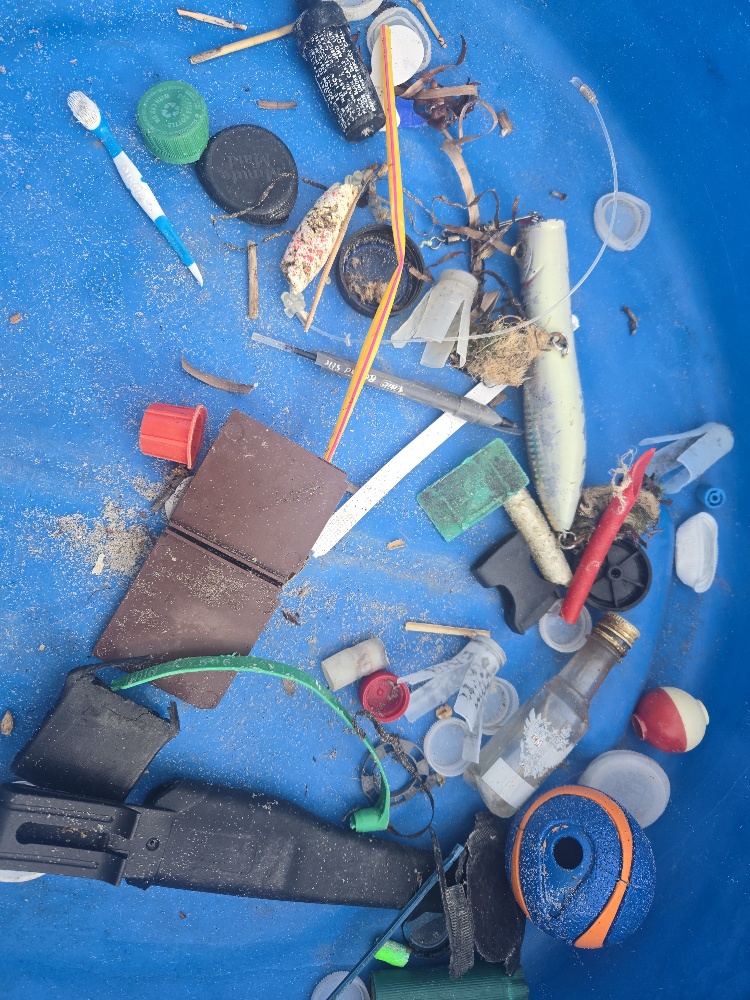
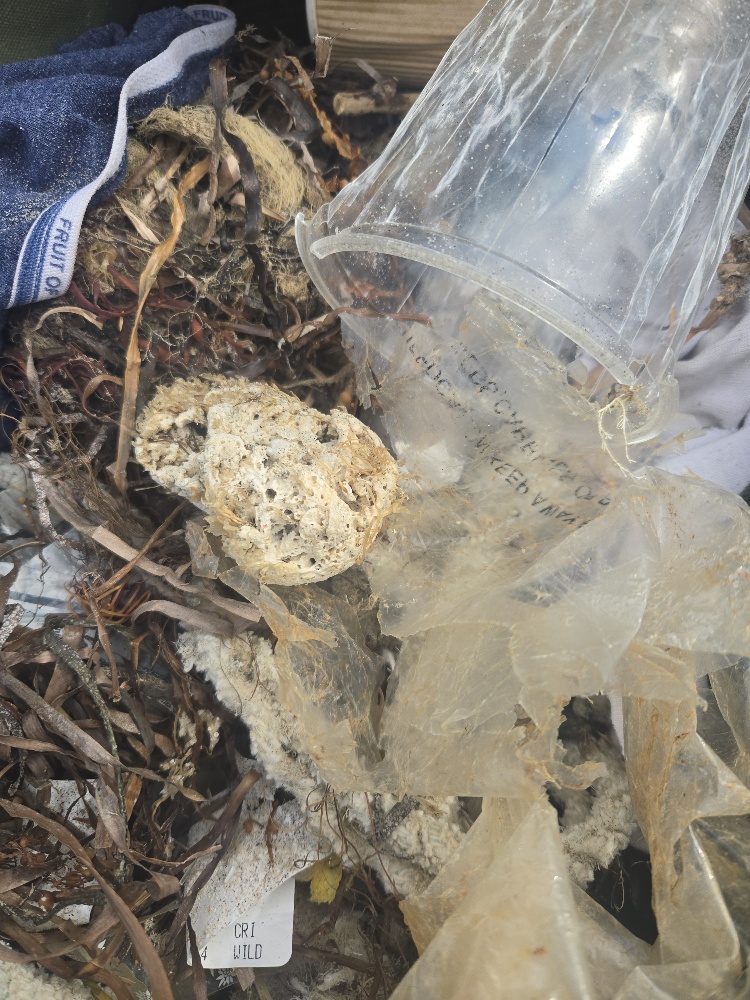
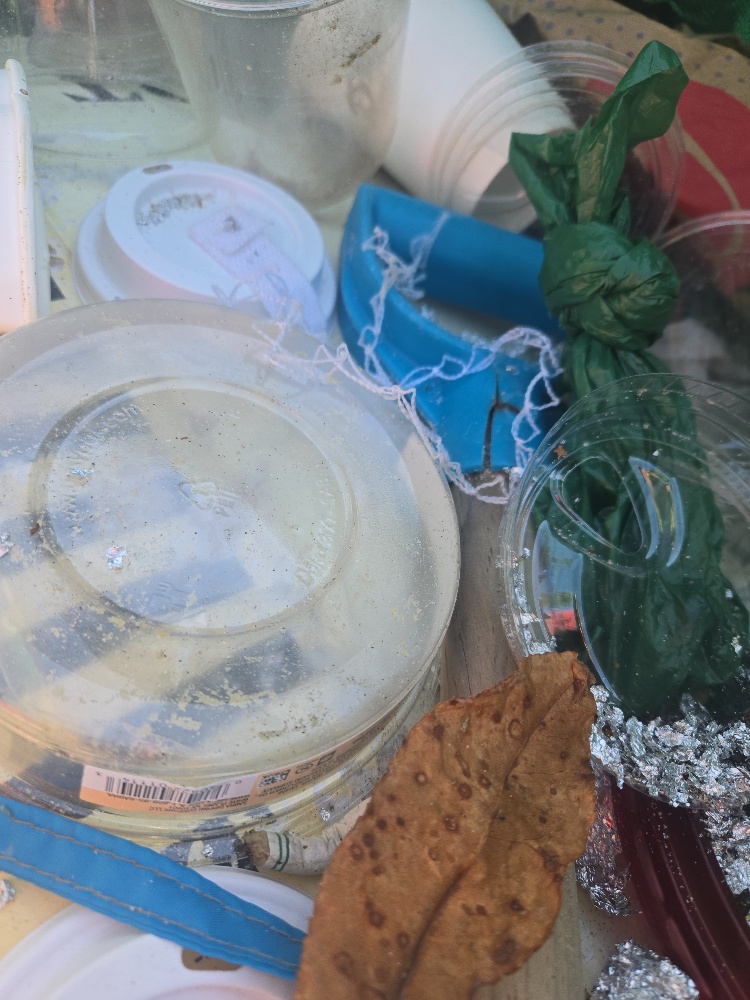
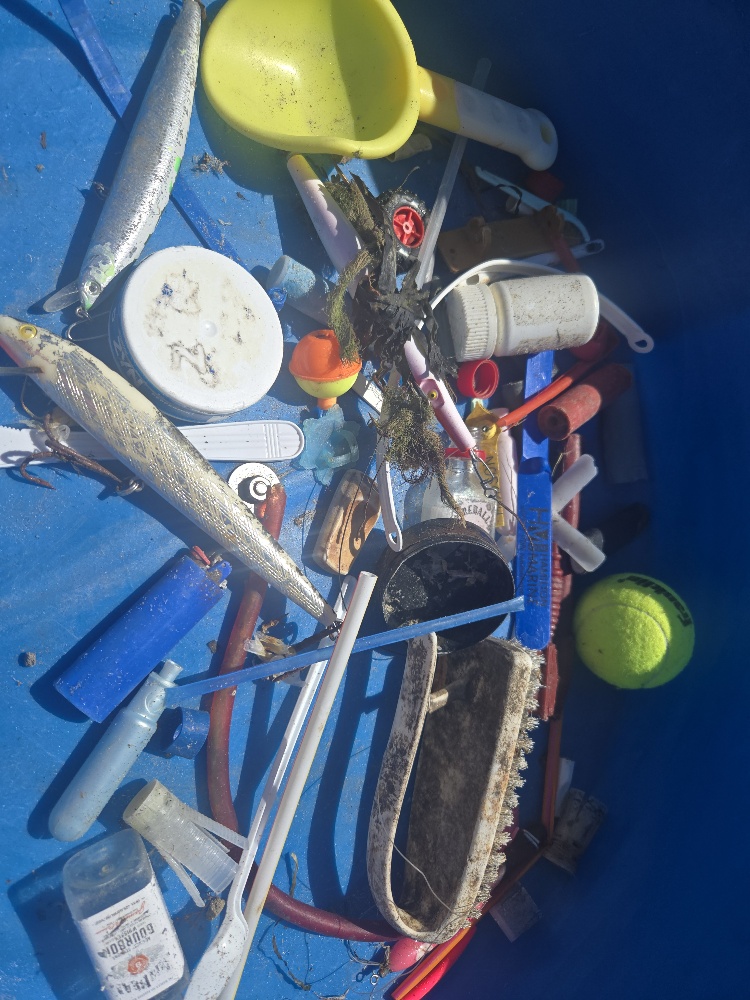
View the Marine Debris Gallery Below

September 1, 2025 43 views
Current EventsEventsFeatureFIRSTNews

FIRST Summer Highlights 2025

by Anna White August 29, 2025

The Fishers Island Research and Survey Team (FIRST) wrapped up another busy season of fieldwork this summer. From clearing invasive plants to tracking bats and shorebirds, the team balanced hands-on stewardship with data collection. Their efforts not only improved island habitats right now, but also gathered the kind of information that will guide conservation decisions for years to come.

Much of the data collected this season is still being processed, and FIRST will spend the winter months digging deeper into the results. In the meantime, here’s a look back at what they accomplished this summer.

Invasive Plant Removal

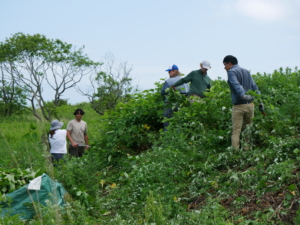
FIRST tackled invasive plants at priority sites across the island, removing the equivalent of eight truckloads of material. Clearing these dense patches gave native plants more room to grow, opened space for natural regeneration, and boosted the overall health of our island’s ecosystems.

Biodiversity Surveys

To understand what species call the island home and how things are changing over time, FIRST surveyed 25 transects of Conservancy land. They set 125 plant plots, 250 pitfall traps, and 125 insect vacuum samples. This wide-ranging effort gives us a clearer picture of the island’s plants and insects and lays the groundwork for long-term monitoring.

Listening for Bats

For seven weeks, bioacoustic monitors recorded bat activity at sites across Fishers Island. The team identified five species, including the Tri-colored Bat and the Northern Long-eared Bat, both listed as threatened or endangered. These findings show that the island plays an important role as habitat for vulnerable bat populations.

Bluebird Boxes

Nest boxes were checked weekly throughout the season. Tree Swallows were the primary occupants, and the monitoring helped measure how successful the boxes are as breeding sites. These results will help guide future improvements for nest box programs on the island.

Insects and Knotweed

At nine sites dominated by invasive knotweed, FIRST collected insect samples both before and after mowing. Comparing the two sets of samples will show how insect communities respond to habitat disturbance, giving us insight into how management affects biodiversity in these tough areas.

Building an Insect Collection

The team also processed and identified insect data from the 2024 season and continued building a reference collection. Over time, this catalog will be an invaluable tool for confirming species, studying biodiversity, and tracking changes across the island.


Beyond FI Conservancy work, FIRST students gave back through hands-on projects around Fishers Island, contributing a total of 186 hours of service.

They spent 7.5 hours working with Pollinator Pathways, removing invasives and caring for these community spaces. They dedicated 3 hours to cleaning up the Movie Theater area. At Ferry Park, they put in 18.5 hours removing mugwort, clearing vegetation along the path, and watering newly planted Black Gum trees.

The 2025 season highlighted how much can be accomplished when science and stewardship go hand in hand. While the fieldwork is complete, the story isn’t over… FIRST will continue analyzing this summer’s data through the winter, turning field observations into long-term insights.

Thank you to these students for their energy and commitment, and to the community for supporting this work. Together, we can make sure our habitats and wildlife remain healthy for the future!

August 29, 2025 41 views
Current EventsEventsFeatureNewsShorebirds

Shorebirds Take Flight- The 2025 Season Wrap-Up

by Anna White August 29, 2025

September is here and the 2025 shorebird season on Fishers Island has officially wrapped up. We have now seen all of our Piping Plover chicks fledge and move on, and the protective fencing that marked our nesting areas has been taken down for the year. Our Least Terns also completed their nesting season, contributing to another busy summer of coastal bird monitoring.

This season was a success in that fledglings were produced at multiple sites, but overall productivity for Piping Plovers averaged 1.4 fledglings per pair, which is lower than the 2.0 fledglings per pair recorded in 2024. Even with protective measures in place, success rates can shift from year to year due to a combination of natural factors and management challenges. Importantly, Fishers Island’s productivity remains higher than both New York State and U.S. averages. In our region, a rate of 1.2 to 1.5 fledglings per pair is considered stable or above average, which means our beaches continue to serve as an important stronghold for plovers. For more on piping plover conservation in New York, visit the NYSDEC Piping Plover page.

2025 Results by Site

At one of our secluded sites near Isabella beach (Secret beach), one plover pair nested and produced four eggs. Three hatched and one chick fledged.

Big Club beach, which was active last year, had no plover activity in 2025.

East beach had one pair that laid four eggs, but none hatched.

Eighth Hole continued to be one of the most productive sites, with one pair attempting two nests. Four chicks hatched there and three fledged.

Stony beach remained inactive.

South beach had, two pairs nested and three chicks fledged, though productivity per pair was lower than last year.

Altogether in 2025, Fishers Island hosted five plover pairs across its beaches. At least twelve eggs were laid, ten chicks hatched, and seven fledged.

The Role of Fencing and Management

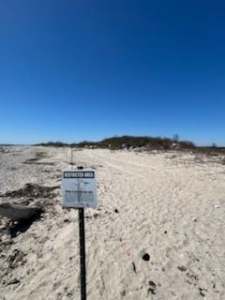
Fencing played a key role in protecting nesting areas from disturbance. By keeping people and dogs away from sensitive stretches of beach, fencing gave both plovers and terns a chance to incubate eggs and raise their young with less interference. At the same time, fencing can sometimes bring unintended challenges. Protective structures may draw attention to nests and even attract predators. While fencing is necessary for protection, these subtle dynamics may help explain why plover productivity was lower this year than in 2024. With the season complete, all fencing has now been removed until next year.


Looking Back at 2024

The 2024 season produced stronger results overall for plovers.

At Secret beach, two pairs attempted nesting but outcomes were unknown.

Big Club beach hosted one pair that fledged one chick.

East beach was inactive.

Eighth Hole was the standout, with one pair successfully raising all four of its chicks to fledging.

Stony beach was inactive.

South beach had one pair that fledged three chicks.

In total, 2024 produced five plover pairs, twelve eggs, and eight fledged chicks, for an overall productivity of 2.0 fledglings per pair.

Least Terns also nested successfully in 2024, with multiple pairs using beach habitat and producing young.

Takeaways

Comparing the two years highlights both the successes and challenges of shorebird conservation. Eighth Hole and South beach remained the most productive plover sites, though their outcomes shifted slightly between years. Big Club beach was active in 2024 but not in 2025, while East beach showed activity this year but no successful hatching.

Looking Ahead

By late July and August, both Piping Plovers and Least Terns begin leaving their nesting beaches, with most gone by early September as they head to wintering grounds further south. With the season now closed, we turn our attention to preparing for next year.

Next year will mark our third season working in partnership with the New York State Department of Environmental Conservation. We plan to continue improving our program by strengthening monitoring, refining protection measures, and finding new ways to involve the community in conservation!


Stay tuned for next season as we continue to grow this effort, with the shared goal of protecting shorebirds and the habitats they depend on.

If you have questions or want to get involved, feel free to reach out at annarwfic@gmail.com.

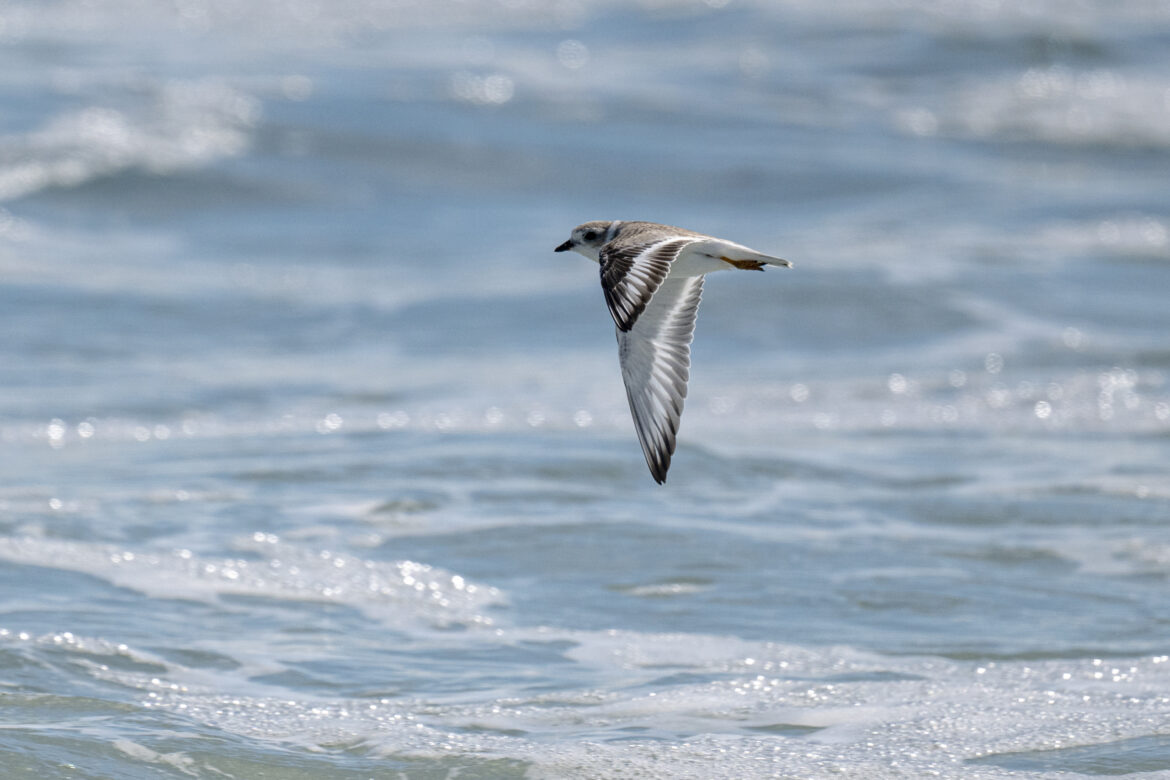
Featured photo by Larry Auger

August 29, 2025 61 views
Current EventsEventsFeatureNews

Buzz Be Gone- Final Spray of the Season

by Anna White August 29, 2025

On August 29th, the Conservancy welcomed the Suffolk County Vector Control team back to the island for their final mosquito control spray of the season. With dry weather and little rain in recent weeks, mosquito larvae numbers have been lower than usual. Still, the team conducted their scheduled spray to ensure community health and comfort.

During their visit, Vector Control staff collected water samples to check for mosquito larvae. Some were found in small pockets of standing water, particularly in items like buckets left outdoors where rainwater had collected. Examining these samples provided an important reminder: mosquitoes can breed in even the smallest amounts of standing water.


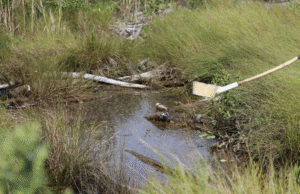
This shallow pool of water shows the kind of environment where mosquitoes thrive. Female mosquitoes lay their eggs on still water, and larvae hatch and develop there. While Suffolk County Vector Control monitors natural wetlands, in backyards the biggest problem often comes from containers like buckets, flowerpots, clogged gutters, and even bottlecaps.
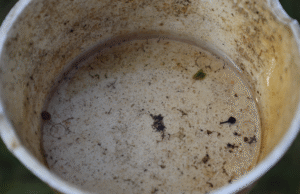
Community tip: Empty and scrub containers that collect rainwater! This is one of the easiest and most effective ways to help stop mosquitoes before they start.

In this dipper sample, you can see mosquito larvae (sometimes called “wigglers”). They spend their early life in water, feeding on organic matter and surfacing to breathe. By sampling larvae, Vector Control can determine where mosquitoes are breeding and act early to prevent them from maturing into biting adults.
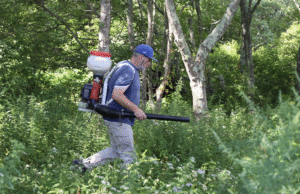
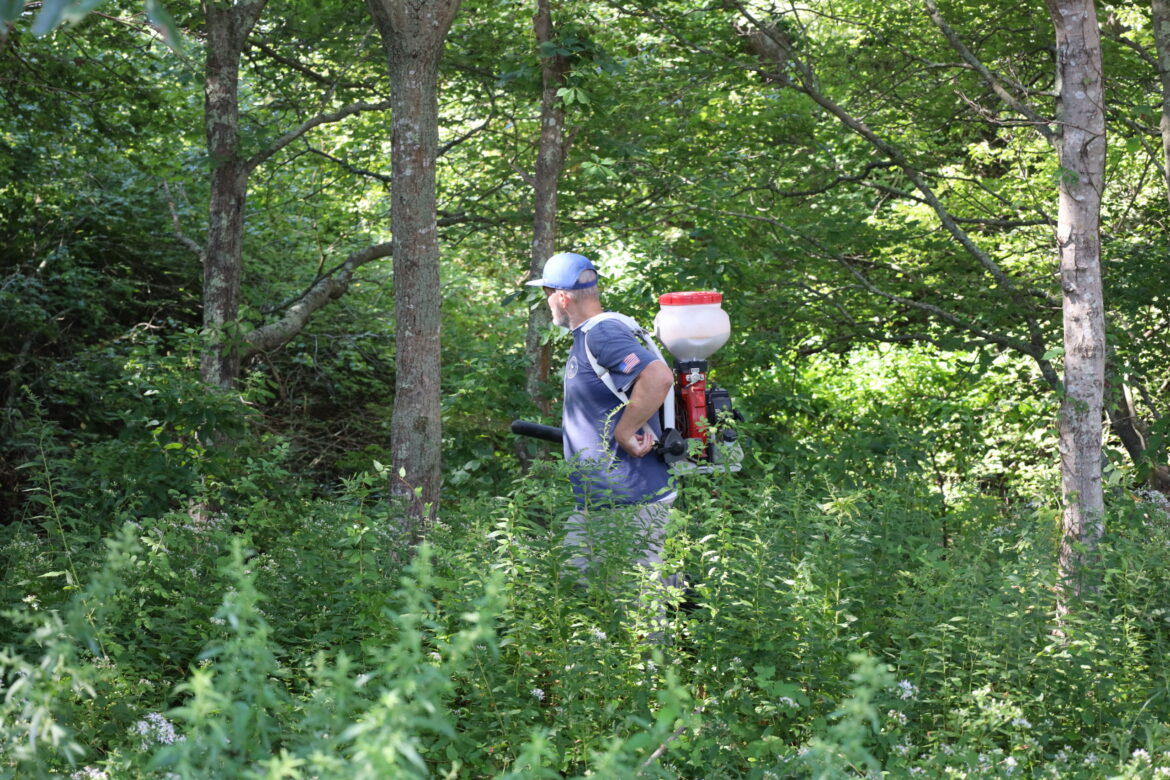
Here, a Vector Control specialist applies a treatment using a backpack sprayer. Suffolk County uses targeted, EPA-approved methods that include:

Larvicides (such as Bti, a natural bacterium) placed in standing water to eliminate larvae before they mature.

Adulticides sprayed in dense vegetation, where adult mosquitoes rest during the day, to reduce populations during peak biting season.

These methods are carefully managed to minimize impacts on non-target species while protecting public health.


The Suffolk County Vector Control team plays a critical role in keeping Fishers Island safe and comfortable during mosquito season. Their expertise, combined with community action (like reducing standing water) creates the best defense against mosquitoes.

We are grateful for this partnership and for the continued efforts to protect both our health and our environment.

To learn more about Suffolk County Vector Control’s work and methods, visit their official website.

August 29, 2025 43 views
Current EventsEventsFeatureNews

Silver Eel–Race Point Coastal Trail Opens with Dedication to Janet Harvey

by Anna White August 5, 2025

The Fishers Island Conservancy is proud to be part of the newly opened Silver Eel–Race Point Coastal Trail and the dedication of the Janet Harvey Sanctuary – two projects that highlight what’s possible when the island comes together around a shared vision for conservation and public access!

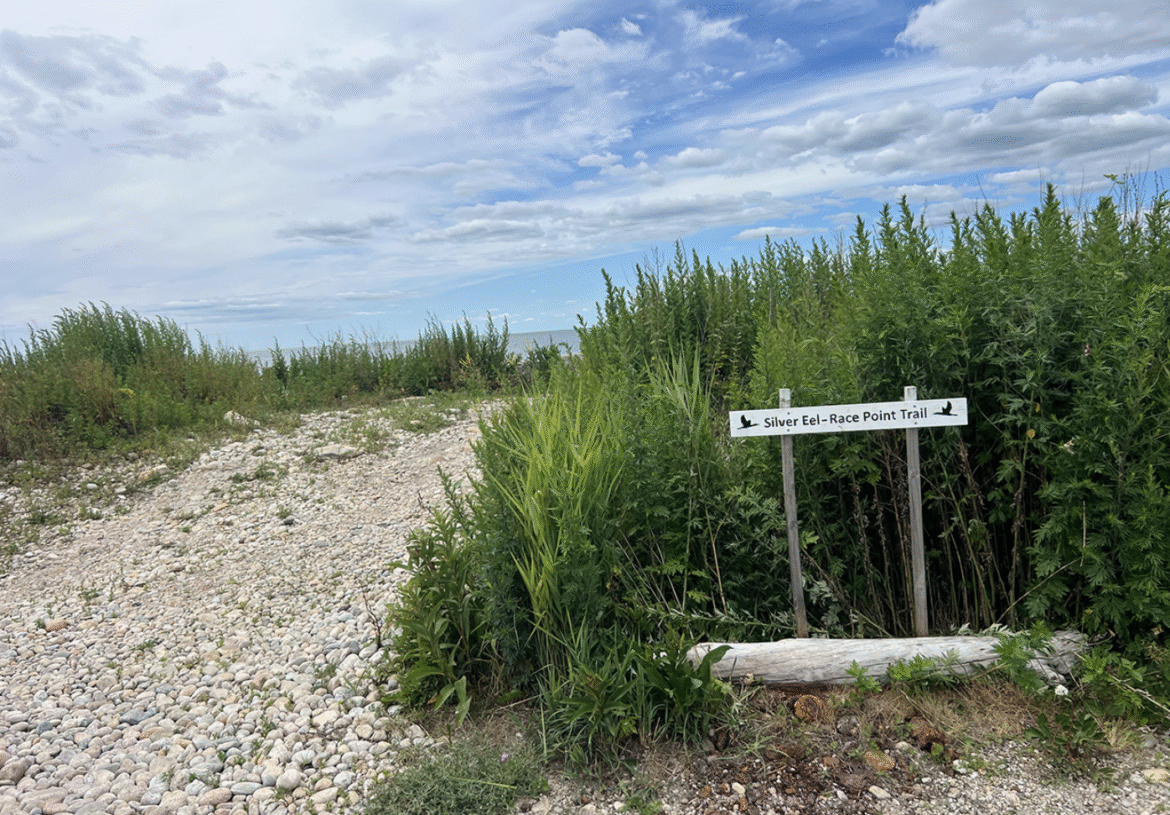
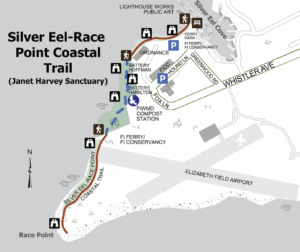
This new trail links Silver Eel Cove to Race Point and travels through a mix of restored and protected landscapes, including Ferry Park, where the Conservancy has led extensive habitat restoration and native planting efforts over the past several years. It’s an area we’ve worked hard to return to native coastal meadow and pollinator-friendly habitat, and we’re excited to now have it accessible as part of a continuous public trail on the island’s West End.

One key section of the trail travels over the 1,200-foot berm created by the Fishers Island Ferry District in 2022. That project used over 2,500 cubic yards of clean sand dredged from Silver Eel Cove to build a graded berm between the high tide line and the parking area. The Ferry District invited the Conservancy to advise on stabilizing and beautifying the berm and we were thrilled to recommend, source, and sponsor the planting of native grasses. Today, that stretch is lush, protected, and an important part of the trail corridor.

The trail winds from the Lighthouse Works Public Art installation, through Ferry Park and the Ordnance, into the newly established Janet Harvey Sanctuary, and onward to the meadows, shorelines, and historic sites at Race Point.

The five-acre Janet Harvey Sanctuary was made possible through a license agreement with the Fishers Island Waste Management District. It protects a section of coastal habitat along with historic Fort Wright structures, offering views over Long Island Sound and back toward the Fort’s inland batteries. Named in honor of Janet Hardie Harvey, the sanctuary reflects her commitment to both the natural world and ensuring island landscapes are available to all.

This project is the result of collaboration across the Museum, the Waste Management District, the Ferry District, the Conservancy, and Brad and Mary Burnham, owners of the Ordnance property. It’s the kind of partnership work that’s essential to sustaining the island’s ecological and cultural heritage.

The community is invited to join the dedication and opening walk this Sunday, August 10, at 9 AM at the Ordnance (between the Paddle Courts and the FICC). Light breakfast, coffee, and brief remarks will be followed by a trail walk.

Later in the day at 4 PM, Museum Director Pierce Rafferty will give a talk on the island’s conservation history.

We’re proud to have contributed to this effort and look forward to seeing the community on the trail!

August 5, 2025 52 views
Marine Reports

Marine Debris August 2025

by Anna White August 1, 2025

Marine Debris Report
August 2025

Collected across island beaches
Total weight: 1,007  lbs | Total hours: 164
~ Michele Klimczak

DATEZONELOCATIONWEIGHT (LBS)HOURS
8/1/2025S3Chocomount beaches344.5
8/2/2025Nature Day05.5
8/4/2025N1Airport beaches, Ordinance, Silver Eel Cove, Ferry Park, Little Stony, behind Holiday House326
8/4/2025N1Big Stony484
8/5/2025N6North Hill beaches, Dock beach, through Clay Point Rd beaches478
8/6/2025N5Chocomount Cove beaches through Hungry Point beaches507.5
8/7/2025S2Secret beach to Isabella to Wilderness Point beaches679
8/8/2025E4Latimer Light beaches to East Harbor437.5
8/11/2025E4Castle Rd beaches to behind Money Pond467
8/12/2025S3Beaches before Big Club + all of Chocomount beaches387
8/13/2025N1Airport beaches to Ordinance Ferry Park to Silver Eel Cover to Little Stony to Holiday House Beaches387.5
8/14/2025N6Clay Point Rd beaches + Brick yard Rd, Dock beaches to North Hill388.5
8/15/2025N5Chocomount Cove beaches to end of Hungry Point beaches448
8/16/2025S2Race Rock, Sanctuary of Sands, South Beach335
8/17/2025S2Wilderness Point beaches464
8/18/2025S2Isabella beaches343.5
8/18/2025S3Chocomount beaches304
8/19/2025S3Beaches before Big Club263
8/19/2025E4Latimer Light beaches395
8/20/2025E4Castle Rd beaches through behind Money Pound beaches466
8/21/2025N1Airport beaches to Ordinance Ferry Park to Silver Eel Cover to Little Stony to Holiday House Beaches (STORM)407
8/22/2025S2Race Rock, Sanctuary of Sands, South Beach317
8/25/2025S2Wilderness point through Isabella beaches467.5
8/26/2025N6North Hill beaches, Dock, Brick yard Rd to Clay Point Rd beaches337
8/27/2025N5Chocomount Cove beaches through Hungry Point beaches347.5
8/28/2025S3Beach before Big Club + Chocomount beaches447.5

View Sample Photo Gallery Below

August 1, 2025 43 views
Current EventsEventsFeatureNewsShorebirds

August Shorebird Update

by Anna White July 28, 2025

As summer winds down, shorebird season is still going strong in a few key locations! Most of our fencing has come down for the season, except at Eighth Hole, where one determined pair of Piping Plovers has captured our hearts.

On July 9th, after a nerve-wracking holiday weekend during which crowds pushed up against the fencing, our nesting pair at Eighth Hole stayed strong. Despite extreme stress and the very real risk of abandonment, they successfully hatched 4 healthy chicks!

These chicks are now just over 2 weeks old and are actively cruising around Eighth Hole Beach. Piping Plover chicks typically fledge at around 25–30 days old, so we’re expecting them to take flight sometime in the next few weeks. The fencing at Eighth Hole will stay up until the chicks have safely fledged!

Our team is conducting weekly observations, and we’re thrilled to report that the chicks are doing great!


Just over at FI Beach Pond (or Secret Beach) another plover family is thriving. One pair has hatched 3 chicks, with 1 chick noticeably larger than theother two. This is a great reminder that not all eggs hatch at exactly the same time, even within the same clutch. Some embryos develop more quickly than others, leading to slight size differences early on.


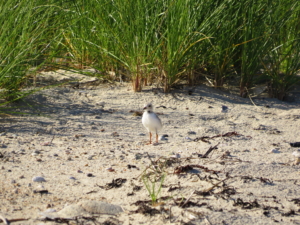
Piping Plover Chick Photo by Elsie Harrington

Piping Plover Chick Photo by Elsie Harrington

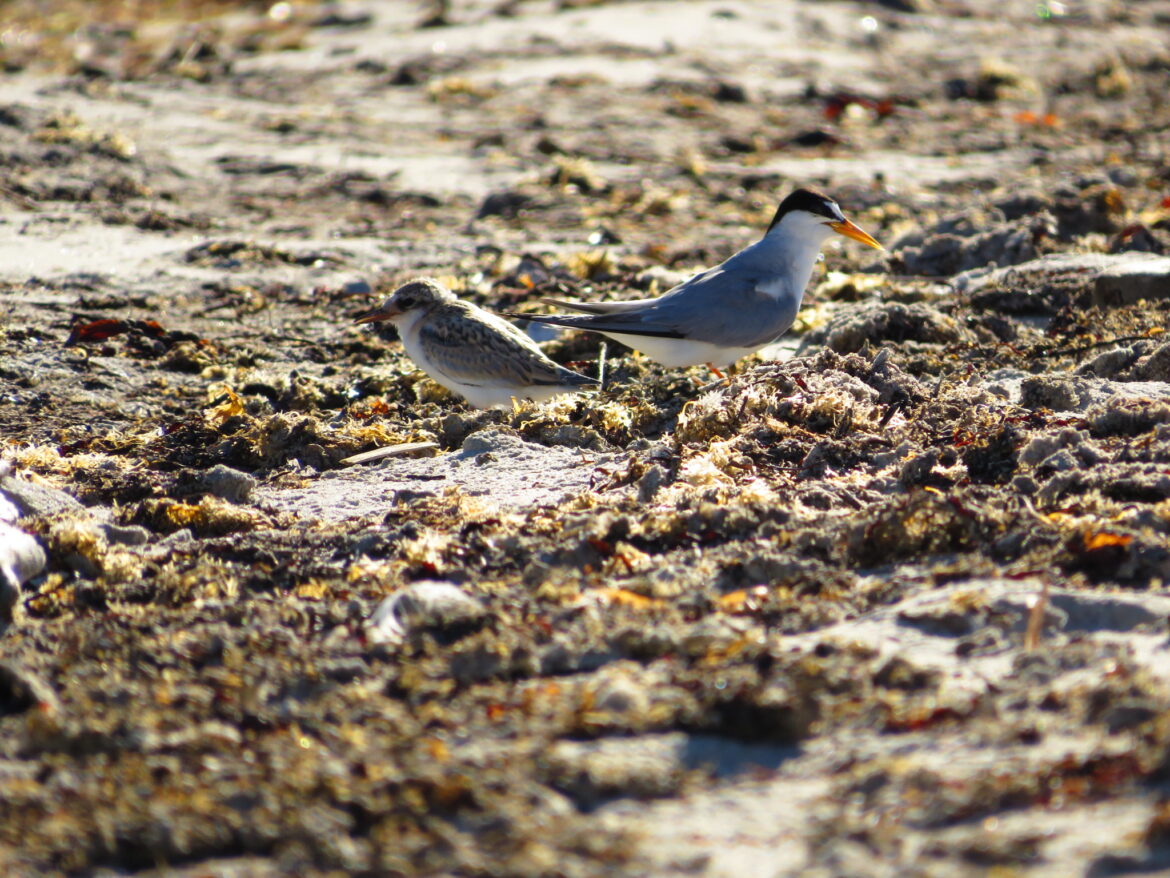
And it’s not just plovers keeping us busy… Least Tern activity is picking up, too! We’ve observed…

2 Least Tern pairs, each with active broods

  • 1 pair has been seen tending to 2 small chicks

  • The 2nd pair was spotted with at least 1 chick under close watch


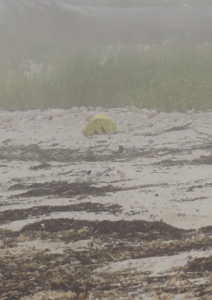
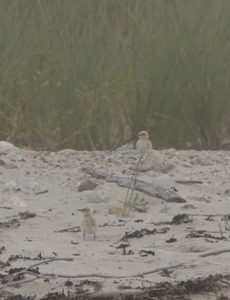
    Adult Least Tern with two chicks in the fog Photo by Anna White

    Two Least Tern chicks in the fog Photo by Anna White


We’ll continue monitoring these families closely as the season wraps up. Every fledgling bird is a victory for conservation!

If you have questions or want to get involved, feel free to reach out at annarwfic@gmail.com.

July 28, 2025 31 views
Current EventsEventsFeatureNews

An Evening to Remember: Recap of Sunset on the Beach 2025

by Anna White July 28, 2025

Sunset on the Beach 2025 turned into something bigger than a single evening. From Friday through Sunday, the island was full of conversations, field work, late night discoveries, and time spent together around the work we care about most.

Here’s how the weekend unfolded.

Friday

We kicked things off on Friday, July 18, with a community panel discussion focused on the environmental work happening across Fishers Island.

Dr. Marina Caillaud, Dr. Adam Mitchell, Stephanie Hall, and Anna White each shared updates from their areas of expertise. The conversation touched on insect and plant diversity, shorebird monitoring, marine debris removal, habitat restoration, invasive species management, and the growing role of youth through the Sentinel Program. Moderated by Ben Strong, the evening offered a thoughtful look at how all of these efforts connect.

If you weren’t able to attend, you can watch the full panel discussion here:

[Panel Discussion Playback Video Here]

Later that night, we headed out to the Parade Grounds for Moth Night Into the Lights. With white sheets glowing under vapor lamps, families, students, and curious night owls gathered to see what would appear. Led by Dr. Adam Mitchell and members of the FIRST team, the evening was equal parts science and wonder. Moths, beetles, and other nocturnal insects came in steadily, adding to our annual biodiversity survey and reminding us how alive the landscape is after dark.

Saturday

Saturday morning began in the field with Insect Catching and Identification at the Parade Grounds. Bryan Danforth and Marina Caillaud guided participants of all ages through the basics of sweep netting, handling insects, and learning how to identify what we found. It was hands on, engaging, and a great way to connect the science to what was buzzing and crawling right in front of us.

Later that morning, Dr. Doug Tallamy led a nature walk through the restored landscape of the Parade Grounds. Walking the site together brought his message into focus. Native plants were not just part of a theory. They were supporting insects, which support birds and the broader web of life. Seeing those relationships in person made the ideas feel real and immediate.

That evening, we gathered at the Beach Club for Sunset on the Beach. With clear skies and golden light over the water, the atmosphere felt relaxed and celebratory. Friends caught up, families mingled, and conversations flowed easily.

This year’s event held special meaning as we honored Dr. Tallamy for his decades of work in conservation and education. His influence can be felt not only through Homegrown National Park, but also right here on Fishers Island, where his ecological guidance helped shape the restoration of the Parade Grounds. We were proud to recognize his contributions with a small tribute and heartfelt thanks from a community that has been inspired by his work.

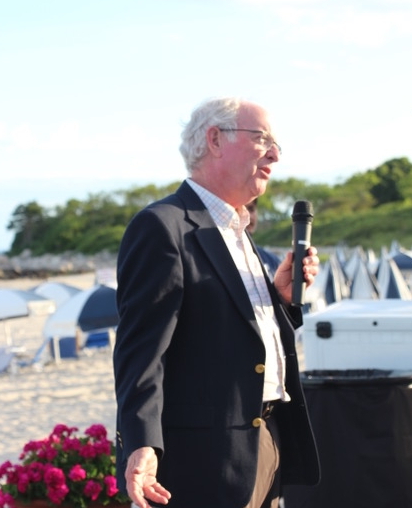
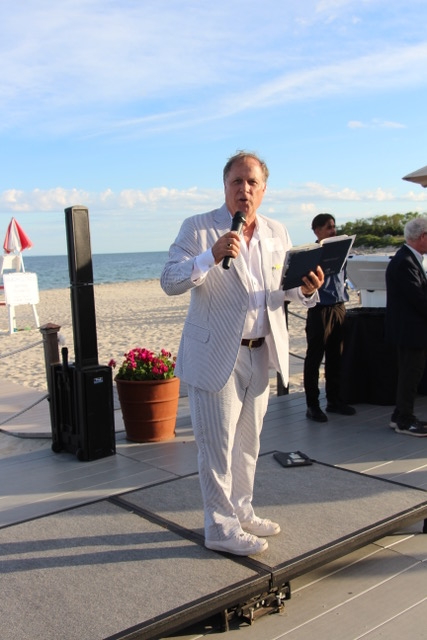
Tom Sargent, President of the Fishers Island Conservancy, presenting at Sunset on the Beach Photo by Jane Crary
Dr. Doug Tallamy accepting his award during Sunset on the Beach Photo by Jane Crary

Sunday

Sunday morning offered another opportunity to walk the Parade Grounds with Dr. Tallamy. The second walk gave more people the chance to ask questions, look closely at the landscape, and think about how conservation can start at home.

In the afternoon, the weekend concluded with Dr. Tallamy’s talk at the Fishers Island Movie Theater, with others joining via Zoom. In his presentation on Homegrown National Park, he laid out a clear and hopeful message. Conservation cannot rely only on distant protected lands. It must also happen where we live. Lawns, private properties, and public spaces all have the potential to become meaningful habitat.

He spoke about the powerful relationship between native plants, insects, and birds, offering both scientific insight and practical steps people can take in their own yards. The talk ended with thoughtful questions, a book signing, and a reception that carried the conversation into the evening.

A Week That Reflected Our Mission

From scientific panels and nocturnal insect surveys to guided walks and community celebration, the week surrounding Sunset on the Beach 2025 reflected what conservation looks like in action on Fishers Island. It brought together researchers, youth participants, volunteers, and longtime supporters. It connected data collection with public education. And it reinforced the idea that meaningful environmental change grows from community engagement.

We are deeply grateful to everyone who attended, participated, volunteered, and supported the events throughout the week. Your energy and commitment continue to move this work forward.

Scroll through some of our favorite moments from the week below.

July 28, 2025 37 views
Newer Posts
Older Posts

Upcoming Events

Notice
There are no upcoming events.

Keep in touch

Facebook Instagram Youtube

Recent Posts

  • What to Do if You Find a Stranded Animal

  • Update on Phragmites Work and New Wetlands Regulations

  • SPOTTED in New London!

  • 2025 Fall Migratory Bird Count Results

  • Fall 2025 Migratory Bird Count

  • FIRST Summer Highlights 2025

  • Shorebirds Take Flight- The 2025 Season Wrap-Up

  • Buzz Be Gone- Final Spray of the Season

  • Silver Eel–Race Point Coastal Trail Opens with Dedication to Janet Harvey

  • August Shorebird Update

Explore

    • Home
    • Who We Are
    • What We Do
    • How To Help
    • News
    • Events

Connect

    • Join Us
    • Donate
    • Contact Us
Facebook Instagram Youtube
© 2026 All Right Reserved. Fishers Island Conservancy
Fishers Island Conservancy
  • Home
  • Who We Are
    • Our Mission
    • Our History
    • Our People
    • Contact Us
  • What We Do
    • Shorebird Monitoring
    • Annual Bird Counts
    • Marine Debris Clean Up
    • Island Sentinels
    • Research and Survey Team
    • Grassland Restoration
    • Mosquito Control
    • Invasive Plant Management
  • How To Help
    • Donate
    • Join Us
  • News
  • Events
    • Calendar