Sunset on the Beach 2025 turned into something bigger than a single evening. From Friday through Sunday, the island was full of conversations, field work, late night discoveries, and time spent together around the work we care about most.
Here’s how the weekend unfolded.
Friday
We kicked things off on Friday, July 18, with a community panel discussion focused on the environmental work happening across Fishers Island.
Dr. Marina Caillaud, Dr. Adam Mitchell, Stephanie Hall, and Anna White each shared updates from their areas of expertise. The conversation touched on insect and plant diversity, shorebird monitoring, marine debris removal, habitat restoration, invasive species management, and the growing role of youth through the Sentinel Program. Moderated by Ben Strong, the evening offered a thoughtful look at how all of these efforts connect.
If you weren’t able to attend, you can watch the full panel discussion here:
[Panel Discussion Playback Video Here]
Later that night, we headed out to the Parade Grounds for Moth Night Into the Lights. With white sheets glowing under vapor lamps, families, students, and curious night owls gathered to see what would appear. Led by Dr. Adam Mitchell and members of the FIRST team, the evening was equal parts science and wonder. Moths, beetles, and other nocturnal insects came in steadily, adding to our annual biodiversity survey and reminding us how alive the landscape is after dark.

Saturday
Saturday morning began in the field with Insect Catching and Identification at the Parade Grounds. Bryan Danforth and Marina Caillaud guided participants of all ages through the basics of sweep netting, handling insects, and learning how to identify what we found. It was hands on, engaging, and a great way to connect the science to what was buzzing and crawling right in front of us.
Later that morning, Dr. Doug Tallamy led a nature walk through the restored landscape of the Parade Grounds. Walking the site together brought his message into focus. Native plants were not just part of a theory. They were supporting insects, which support birds and the broader web of life. Seeing those relationships in person made the ideas feel real and immediate.

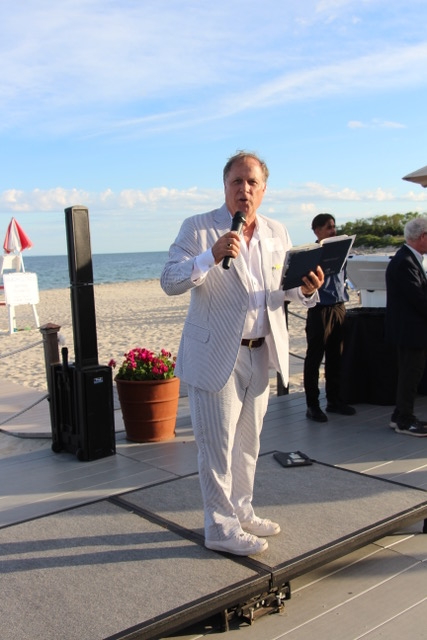
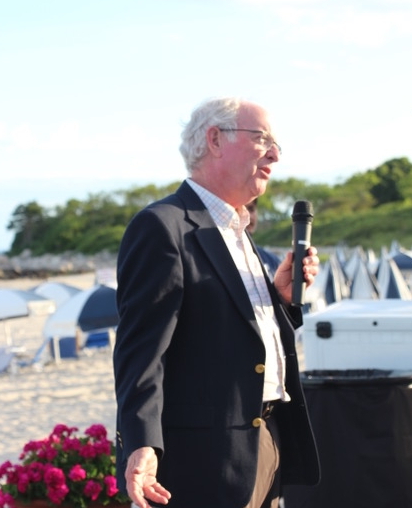
That evening, we gathered at the Beach Club for Sunset on the Beach. With clear skies and golden light over the water, the atmosphere felt relaxed and celebratory. Friends caught up, families mingled, and conversations flowed easily.
This year’s event held special meaning as we honored Dr. Tallamy for his decades of work in conservation and education. His influence can be felt not only through Homegrown National Park, but also right here on Fishers Island, where his ecological guidance helped shape the restoration of the Parade Grounds. We were proud to recognize his contributions with a small tribute and heartfelt thanks from a community that has been inspired by his work.
Sunday
Sunday morning offered another opportunity to walk the Parade Grounds with Dr. Tallamy. The second walk gave more people the chance to ask questions, look closely at the landscape, and think about how conservation can start at home.
In the afternoon, the weekend concluded with Dr. Tallamy’s talk at the Fishers Island Movie Theater, with others joining via Zoom. In his presentation on Homegrown National Park, he laid out a clear and hopeful message. Conservation cannot rely only on distant protected lands. It must also happen where we live. Lawns, private properties, and public spaces all have the potential to become meaningful habitat.
He spoke about the powerful relationship between native plants, insects, and birds, offering both scientific insight and practical steps people can take in their own yards. The talk ended with thoughtful questions, a book signing, and a reception that carried the conversation into the evening.

A Week That Reflected Our Mission
From scientific panels and nocturnal insect surveys to guided walks and community celebration, the week surrounding Sunset on the Beach 2025 reflected what conservation looks like in action on Fishers Island. It brought together researchers, youth participants, volunteers, and longtime supporters. It connected data collection with public education. And it reinforced the idea that meaningful environmental change grows from community engagement.
We are deeply grateful to everyone who attended, participated, volunteered, and supported the events throughout the week. Your energy and commitment continue to move this work forward.
Scroll through some of our favorite moments from the week below.


