Fishers Island Conservancy
  • Home
  • Who We Are
    • Our Mission
    • Our History
    • Our People
    • Contact Us
  • What We Do
    • Shorebird Monitoring
    • Annual Bird Counts
    • Marine Debris Clean Up
    • Island Sentinels
    • Research and Survey Team
    • Grassland Restoration
    • Mosquito Control
    • Invasive Plant Management
  • How To Help
    • Donate
    • Join Us
  • News
  • Events
    • Calendar
Saturday, April 11, 2026
Fishers Island Conservancy
  • Home
  • Who We Are
    • Our Mission
    • Our History
    • Our People
    • Contact Us
  • What We Do
    • Shorebird Monitoring
    • Annual Bird Counts
    • Marine Debris Clean Up
    • Island Sentinels
    • Research and Survey Team
    • Grassland Restoration
    • Mosquito Control
    • Invasive Plant Management
  • How To Help
    • Donate
    • Join Us
  • News
  • Events
    • Calendar
Fishers Island Conservancy
  • Home
  • Who We Are
    • Our Mission
    • Our History
    • Our People
    • Contact Us
  • What We Do
    • Shorebird Monitoring
    • Annual Bird Counts
    • Marine Debris Clean Up
    • Island Sentinels
    • Research and Survey Team
    • Grassland Restoration
    • Mosquito Control
    • Invasive Plant Management
  • How To Help
    • Donate
    • Join Us
  • News
  • Events
    • Calendar
Copyright 2026 - All Right Reserved
Current EventsEventsFeatureFIRSTNews

The FIRST Pilot Program

by Anna White July 27, 2024

Carter Perez and Catalina Berry

June 10, 2024 marked the first arrival of Tarleton State University undergraduate students Naomi Zahn, Carter Perez, and Francisco Salgado as well as M.S. graduate student Catalina Berry to Fishers Island, NY from Stephenville, TX. These newcomers comprised the Fishers Island Research & Survey Team (FIRST) pilot program in 2024, organized by longtime Fishers Island Conservancy researcher and Assistant Professor at Tarleton State University, Adam Mitchell, Ph.D. The goal of FIRST in collaboration between Tarleton State University and the Fishers Island Conservancy (FIC) is to quantify the success of previous grassland restoration efforts, monitor birds and invertebrates, manage invasive plants, and promote education and outreach.

To assess the restored grasslands in the Parade Grounds and Elizabeth Field, we surveyed 15 randomly placed vegetation transects that will allow us to compare the vegetation community with previous data and quantify diversity, percent cover, and proportion of native and invasive species. We observed high proportions of native species in some plots, which is a positive indicator of successful long-term restoration. The data will be analyzed and shared with the FIC in the near future.

Naomi Zahn, Carter Perez and Francisco Salgado collecting arthropod samples

In addition, we collected 150 pitfall traps and 75 vacuum samples along the vegetation transects to monitor the post-restoration arthropod community. We have collected a diverse array of invertebrates (bees, caterpillars, spiders, beetles, grasshoppers, ants, isopods, and flies) which will be transported back to Tarleton State University for preservation and identification in the fall and spring semester. We also led the annual Bug Night on July 20th to get a species count of nocturnal moths on the island and promote community education and involvement.

FIRST conducted bird surveys every 2 weeks from the west to east end of Fishers Island with survey points in coastal, grassland, garden, pond, and forest environments and found 83 total species, an excellent amount for an island. During vegetation surveys, we found an American black duck and red-winged blackbird nesting in Elizabeth Field. This, as well as the diversity and abundance of birds in the Parade Grounds, suggests a healthy grassland ecosystem that benefits a host of organisms along with island residents.

Carter Perez, and Francisco Salgado with knotweed

Over multiple weeks between research tasks, we removed 2152 sq. feet of Japanese knotweed and common mugwort as well as multiple stands of porcelain berry in the Parade Grounds. This amounts to eight dumpster bags of knotweed and a 6-foot-high pile of invasive plant debris. We accomplished this using loppers, garden shears, and by hand pulling while applying appropriate methods for the species. While a lot can be accomplished with a small team, invasive plant management requires continued removal over many years to give native species a fighting chance to thrive.

We are glad the FIRST pilot program was a success and will be renewed for summer 2025 to continue research and promote biodiversity on the island. The project is funded by the Tarleton State University-President’s Excellence in Research Scholars (PERS) initiative and the Fishers Island Conservancy. Research funded by PERS will be presented at the Research, Innovation, and Economic Development symposium at Tarleton State University in February 2024.

Meet the Fishers Island Research &  Survey Team (FIRST)

Naomi Zahn

Naomi Zahn is an undergraduate at Tarleton State University studying Wildlife Sustainability and Ecosystem Sciences with a minor in Entomology. She transferred from the University of Texas at San Antonio and joined Tarleton State University in the spring of 2024. Before joining the project, she worked at SeaWorld San Antonio as a Dolphin Trainer for two years. She enjoys the focus on the importance of invertebrate species on Fishers Island and plans to continue researching invertebrates on Fishers Island in the upcoming year. She loves all things insect related and would like to further explore options related to insects in the coming years. She hopes to become a Wildlife Biologist in the future focusing on entomological interactions with the environment. Her favorite find on the island was a trapdoor spider and a wooly bear caterpillar.


Catalina Berry

Catalina Berry is a graduate student pursuing an M.S. in Agricultural & Natural Resource Sciences at Tarleton State University. She earned a B.S. in Biology at Texas A&M International University in her hometown of Laredo, TX. She has two years of experience working on multiple research projects to investigate rangeland vegetation, piping plover nest success, quail hunt dynamics, and grassland bird communities. Her research interests include avian population trends and grassland restoration. She was interested in the research project to see the positive effects of invasive plant removal on the native bird community. Her favorite species to see on the island are American Minks. After earning her degree, she plans to have a career in wildlife management with a government or nonprofit agency.


Carter Perez

Carter Perez from Granbury, Texas is an undergraduate at Tarleton State University. He is majoring in Agricultural Education with a minor in Wildlife Ecology. He has grown up showing cattle throughout Texas and taking care of other livestock animals. Carter was interested in the research project because the Fishers Island Conservancy’s goal of enhancing and preserving natural resources directly aligns with his career goals. He was excited to learn about the unique diversity in plant life on Fishers Island and how they compare to different regions. Carter is hoping to gain knowledge and experience to share “best practices” as he pursues academic and professional goals in Texas. He hopes to communicate wildlife issues in the classroom as a teacher and educate communities regarding preservation and enhancement of natural resources.


Francisco Salgado

Francisco Salgado is an undergraduate at Tarleton State University working with the Fishers Island Conservancy for this summer. His major is in Wildlife, Sustainability, and Ecosystem Sciences, with a concentration in Zoology and Confined Wildlife Management. His primary interests that led him to this degree path and this research project are ornithology and avian ecology. A more personal interest connected to this is exotic bird care and management. Francisco’s primary goal with his degree is to specialize in wildlife rehabilitation. HiIs hope for my future research with Fishers Island is to collaborate with the data of threatened shorebirds that are currently being monitored on the Fishers Island beaches, such as the piping plover and multiple species of tern.


July 27, 2024 32 views
Nature DayNews

Nature Day: August 3rd, 2024

by Anna White July 23, 2024

Join us on Saturday, August 3rd for Nature Day!

Dr. Adam Mitchell, 2023

9 AM: Dr. Adam Mitchell will give a Parade Ground tour of native and invasive plants and their impact on insects and birds.

From 2-5 PM stop by the Conservancy Table to learn more about what we do, to purchase fun Conservancy gear or take home some seed packets to sow in your own garden. Learn from FISM Coordinator Hannah Vagts about the FI Seagrass Management Coalition’s efforts to protect eelgrass.

The Fishers Island Research & Survey Team (FIRST) have many of the commonly found invasive plants on Fishers Island at the Invasives Table to aid in proper identification and will share updates on their most recent projects.

Swing by Fishers Island’s newly formed Pollinator Pathway Table to hear from Diana Fiske about how we can support pollinators on our island.

Do you love butterflies? Rainbows? Flowers? Have your face painted by Sue Greco.

Don’t forget to stay hydrated and grab a glass of water at the Refreshments Table before setting out to explore the Parade Grounds.

Denison Pequotsepos Nature Center at their Reptile and Birds Exhibit, 2023

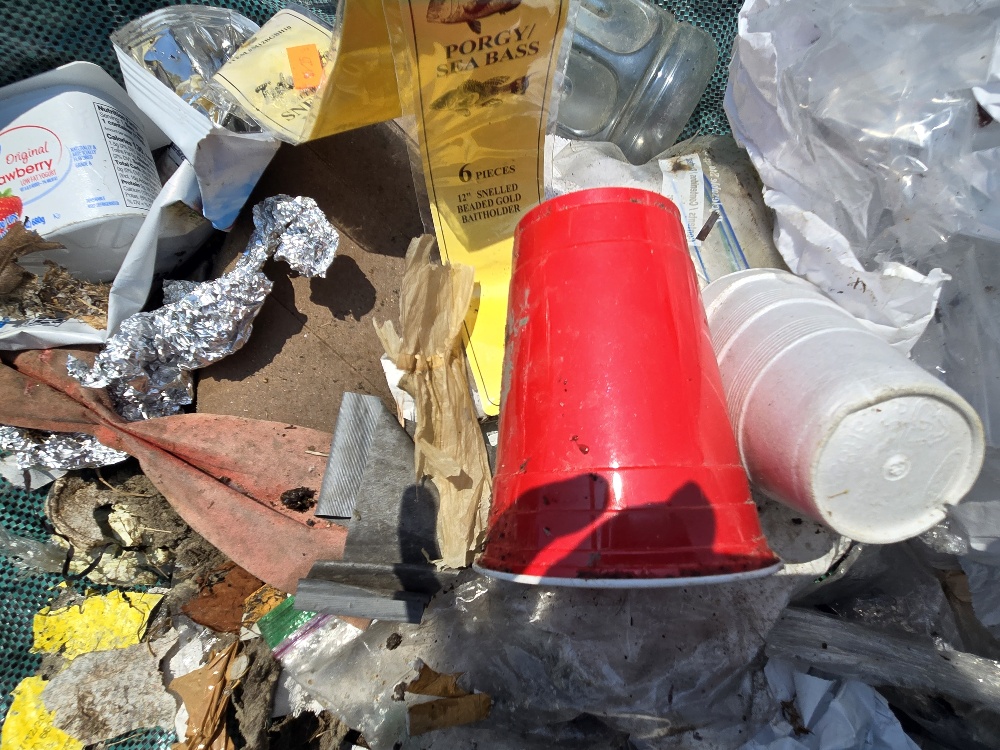
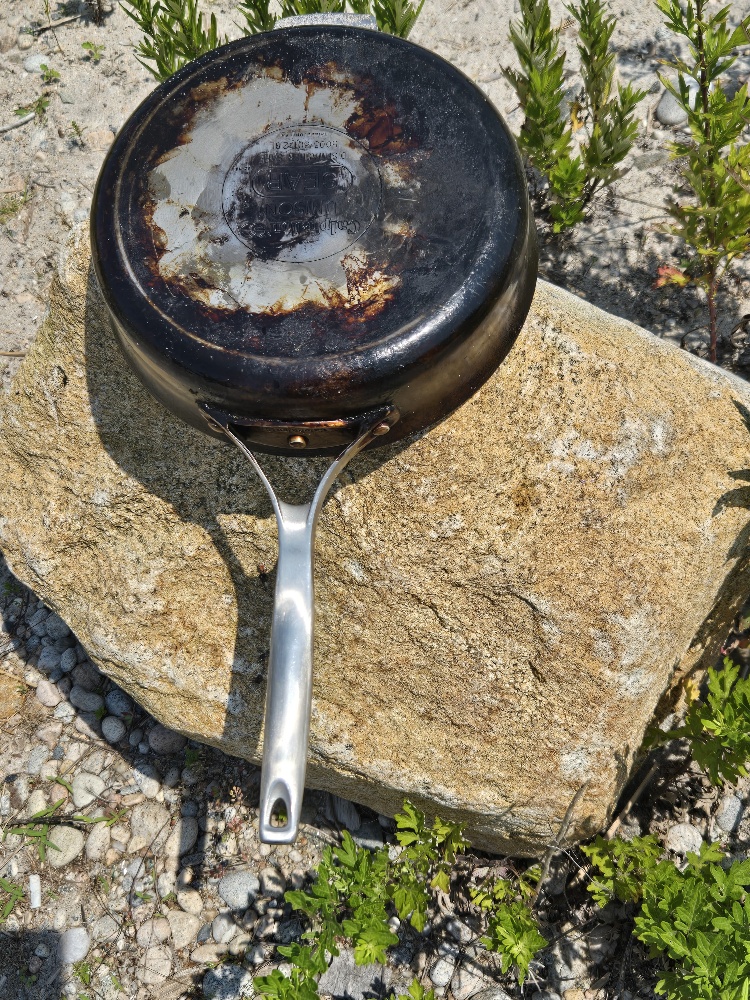
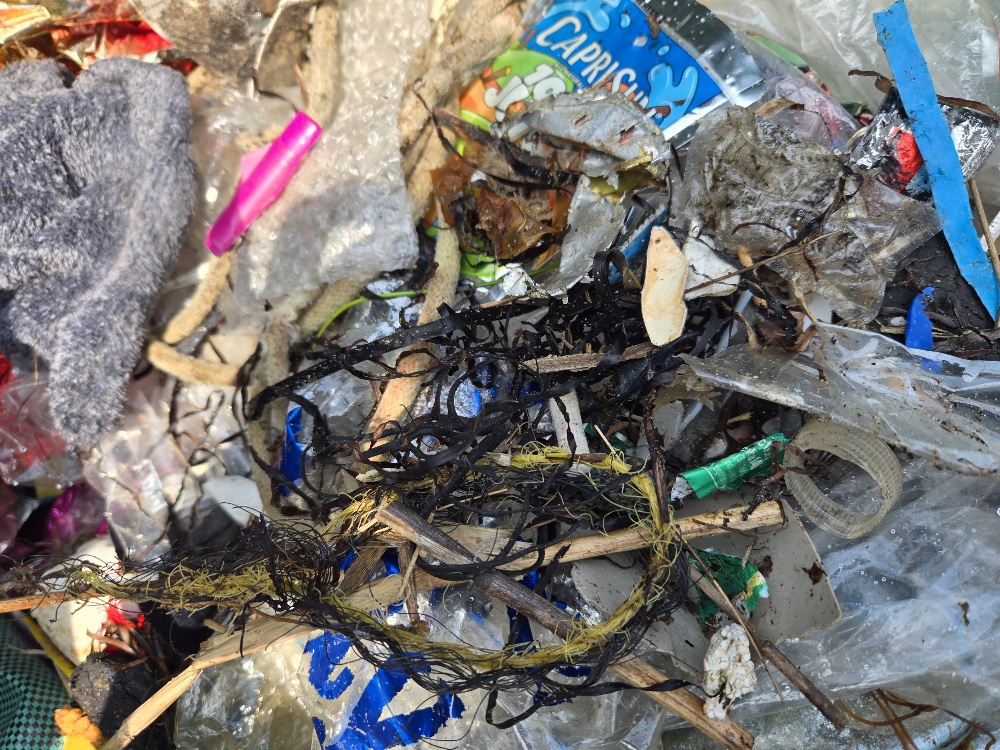
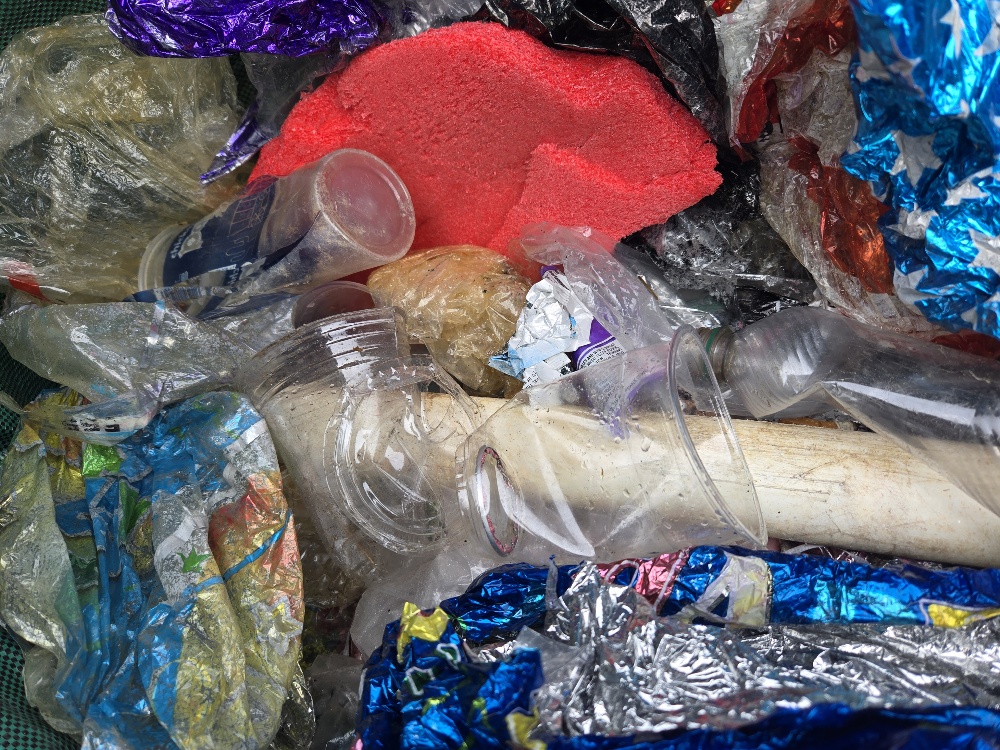
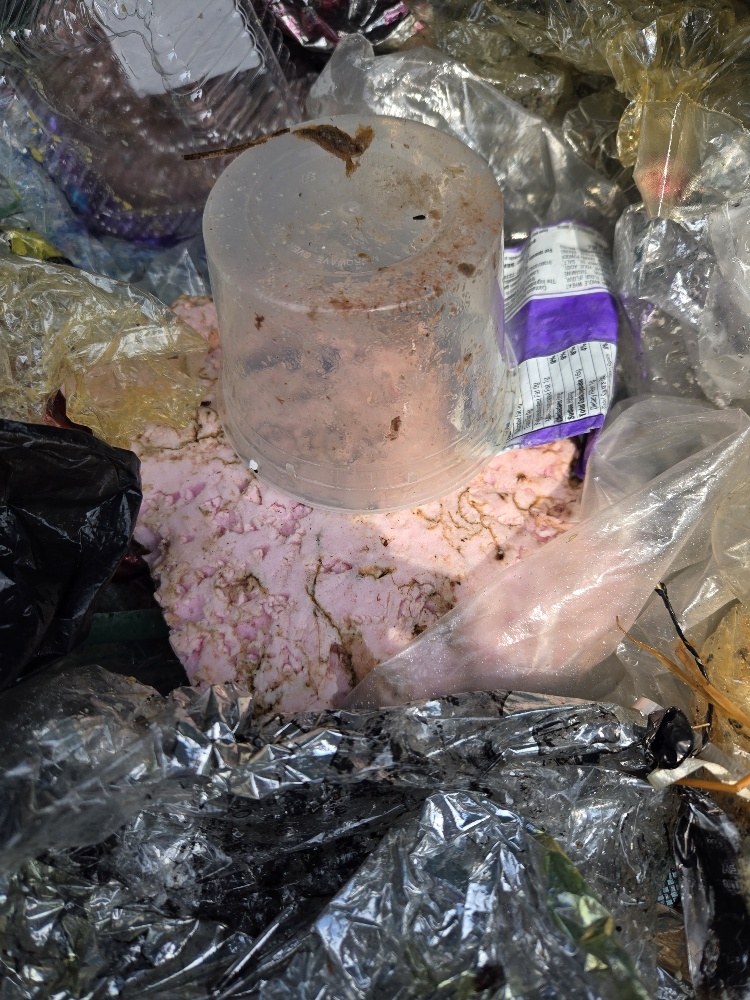
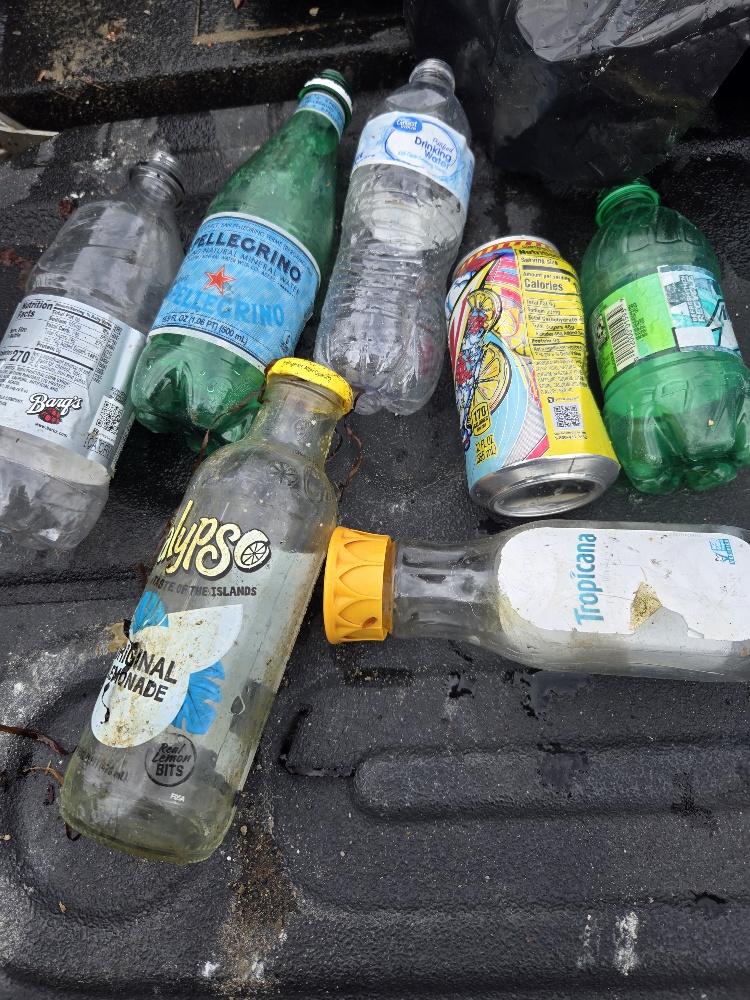
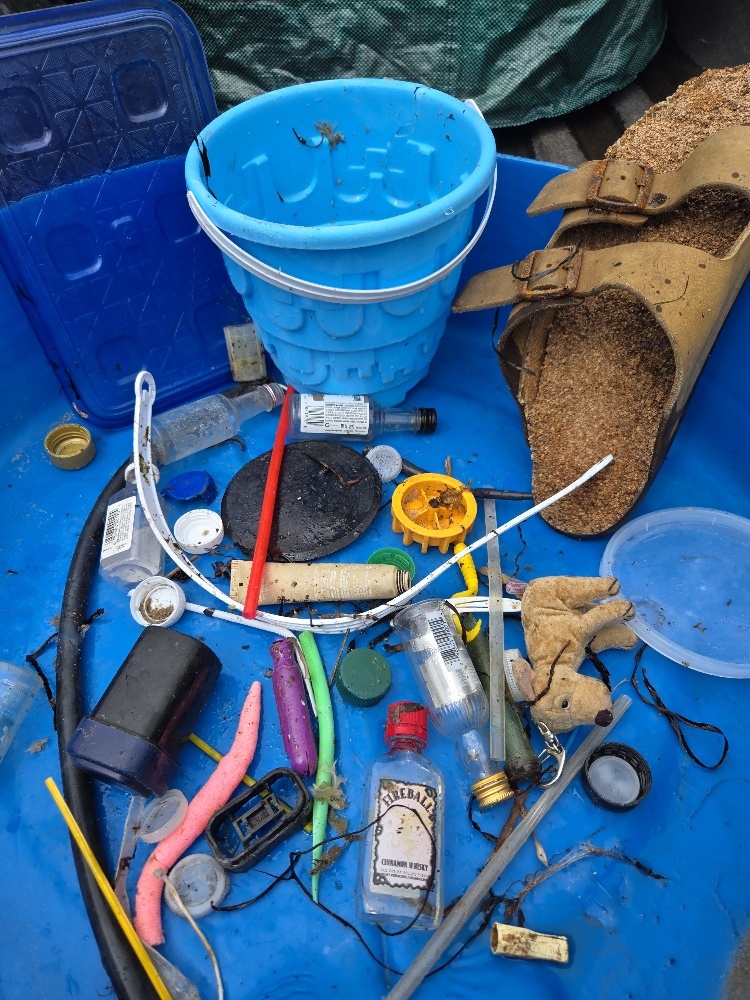
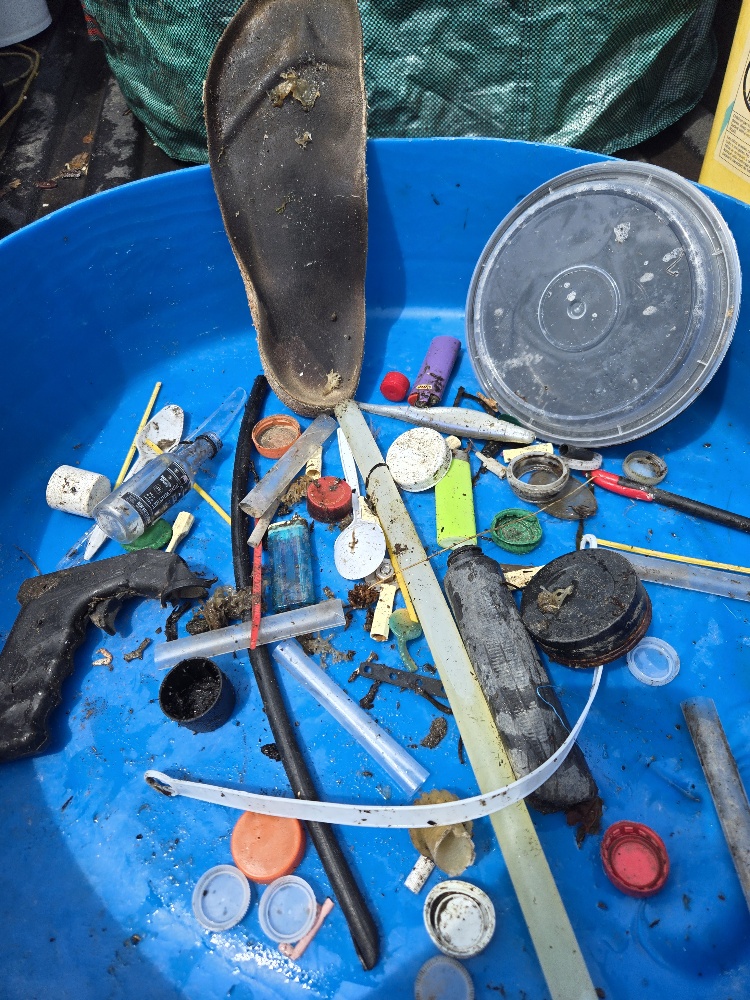
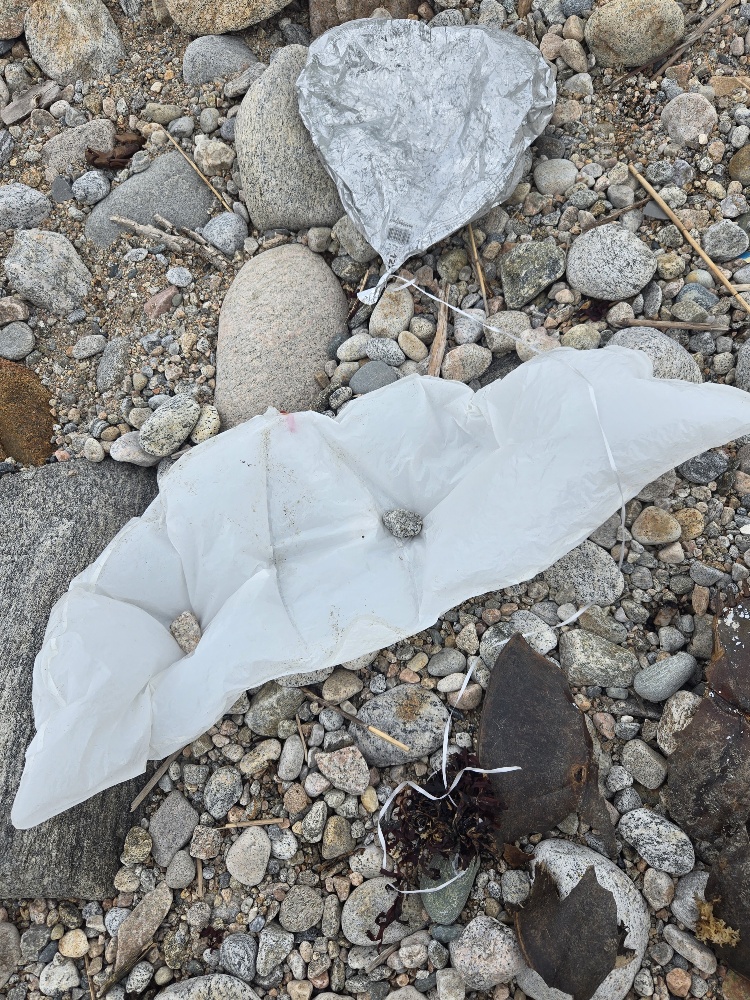
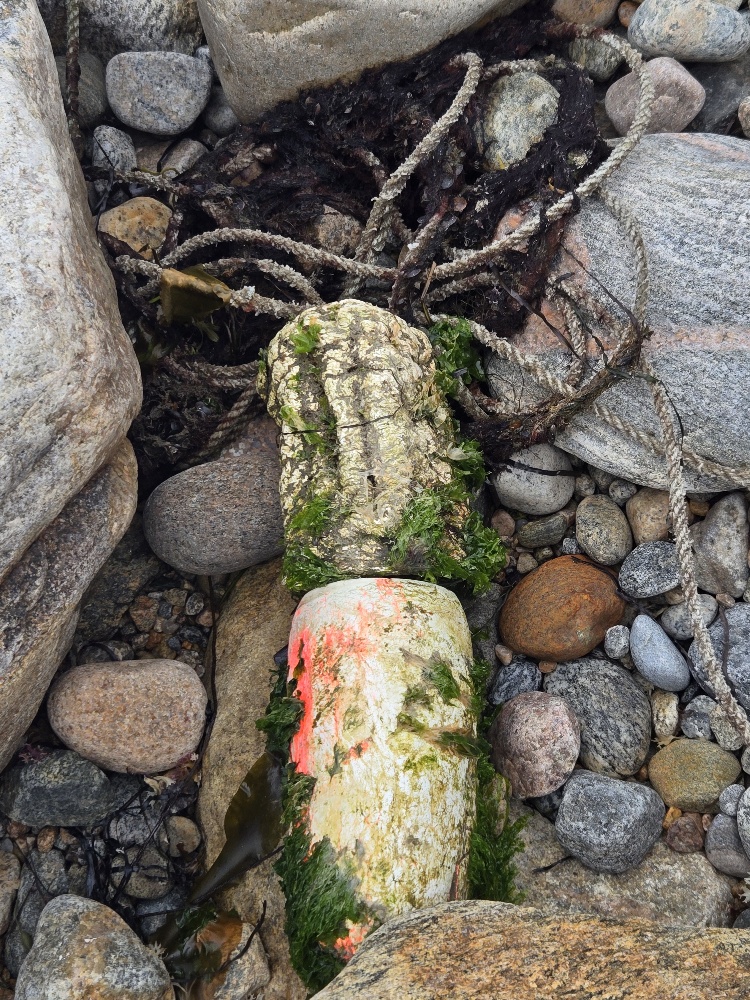
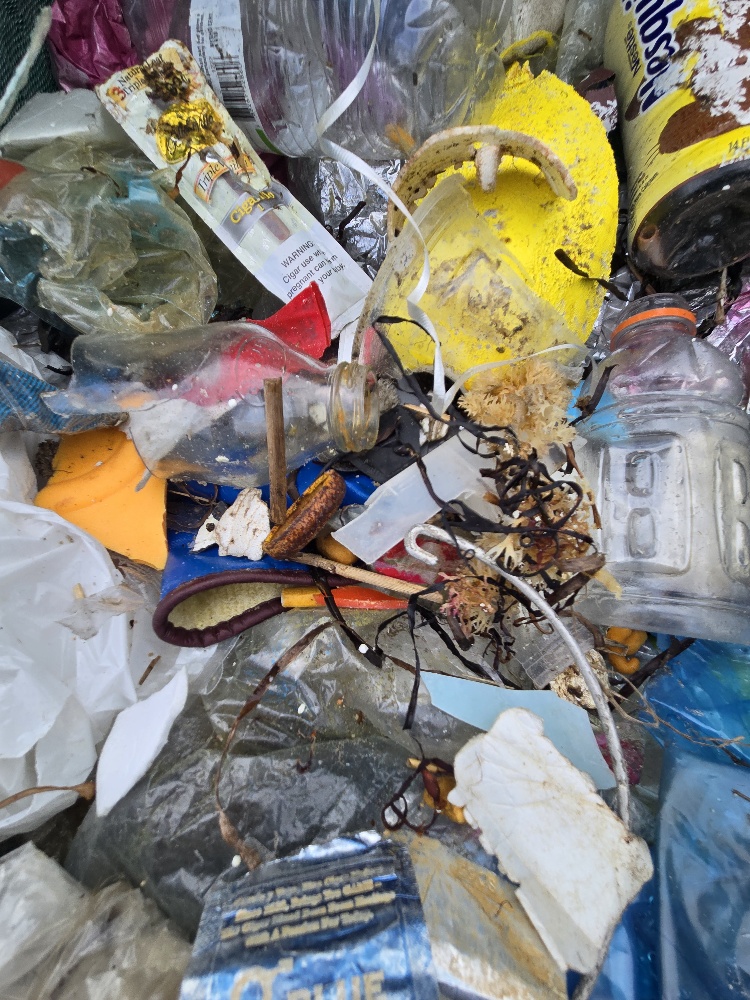
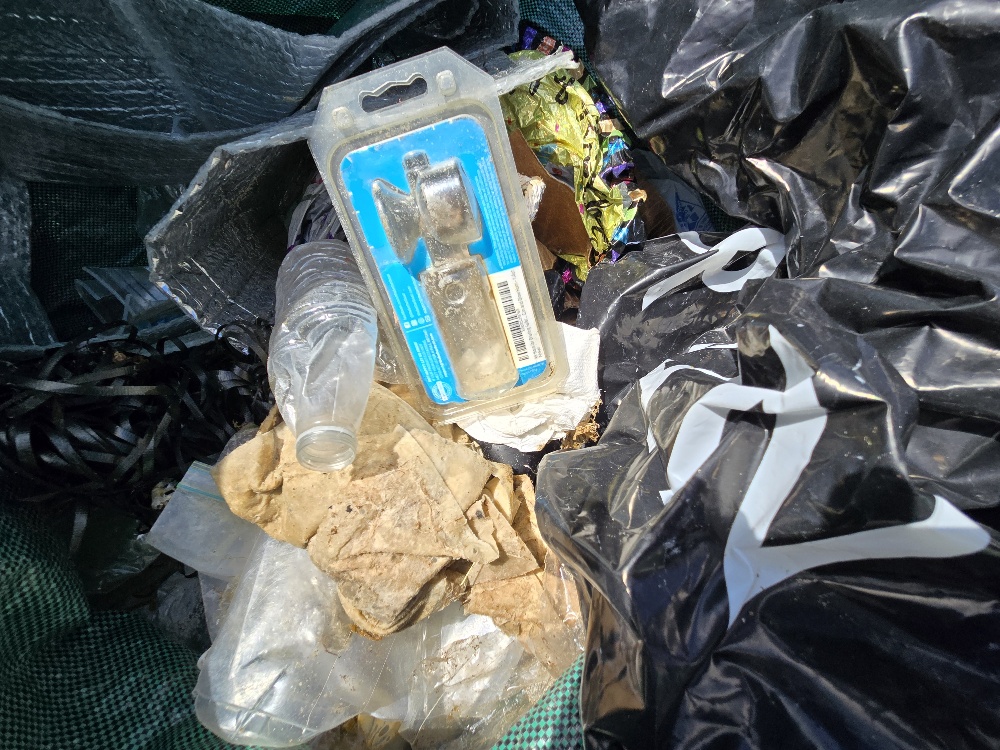
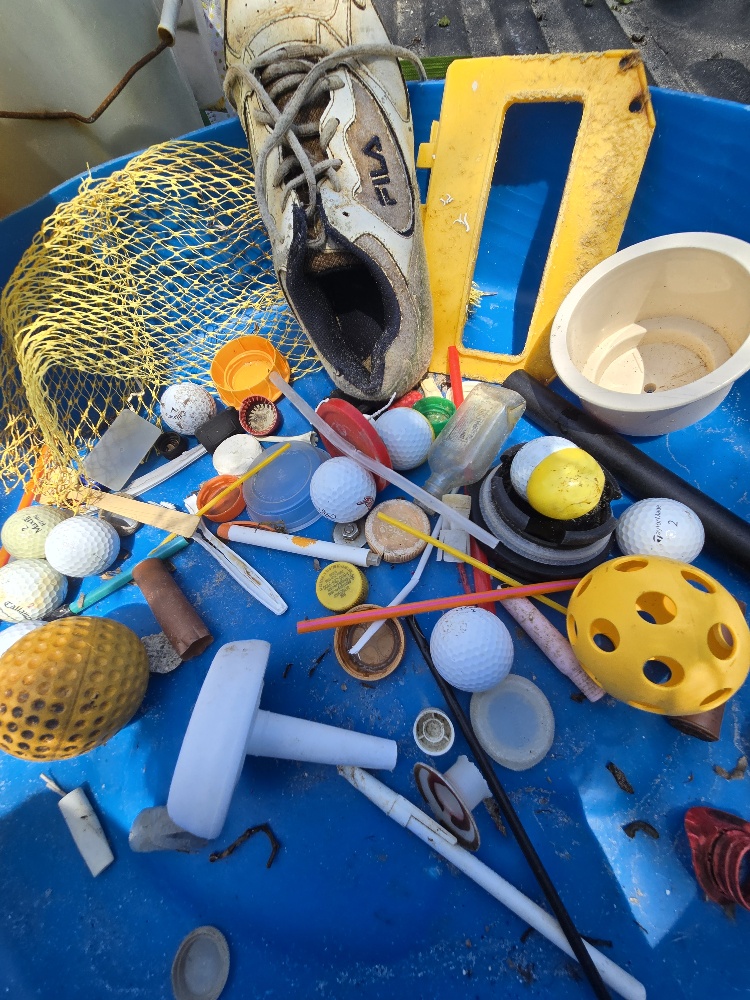
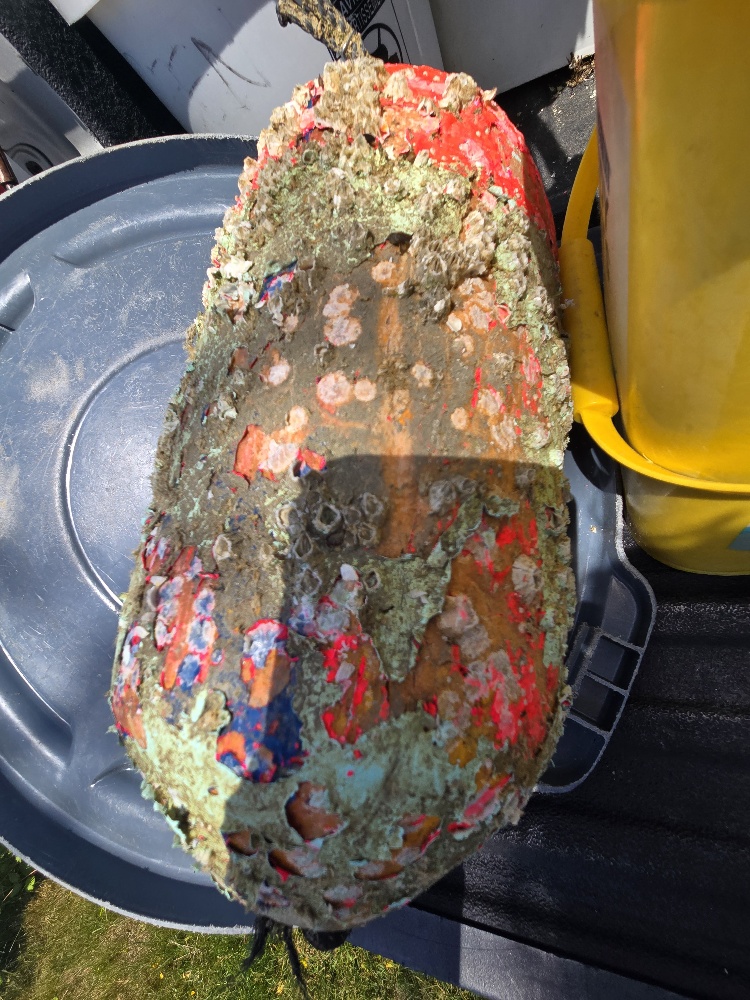
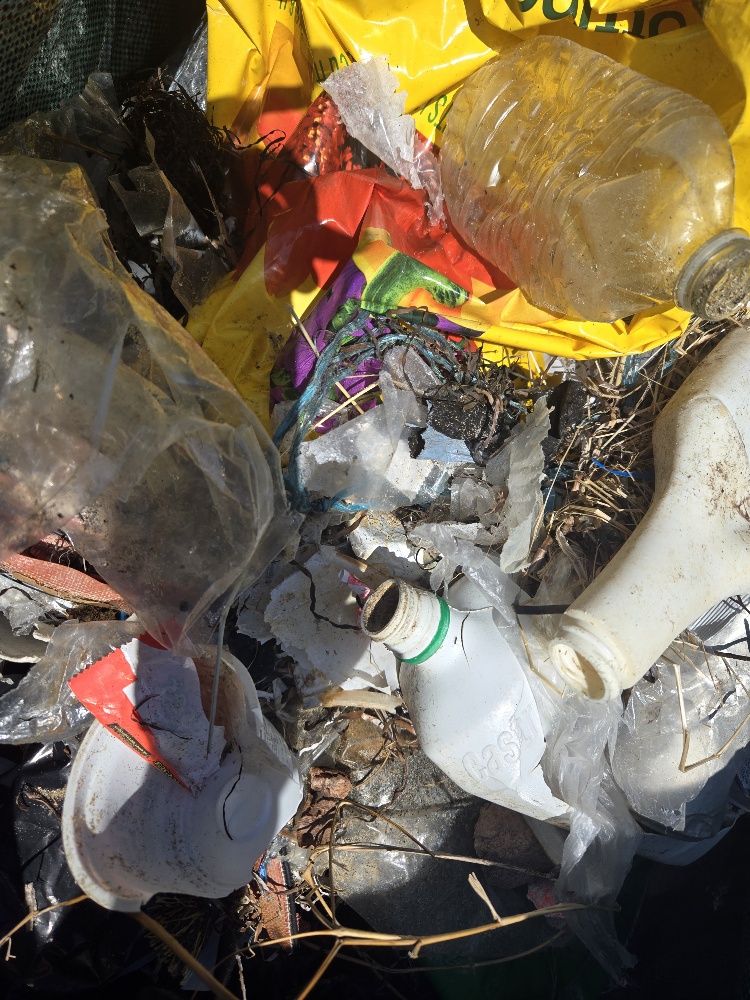
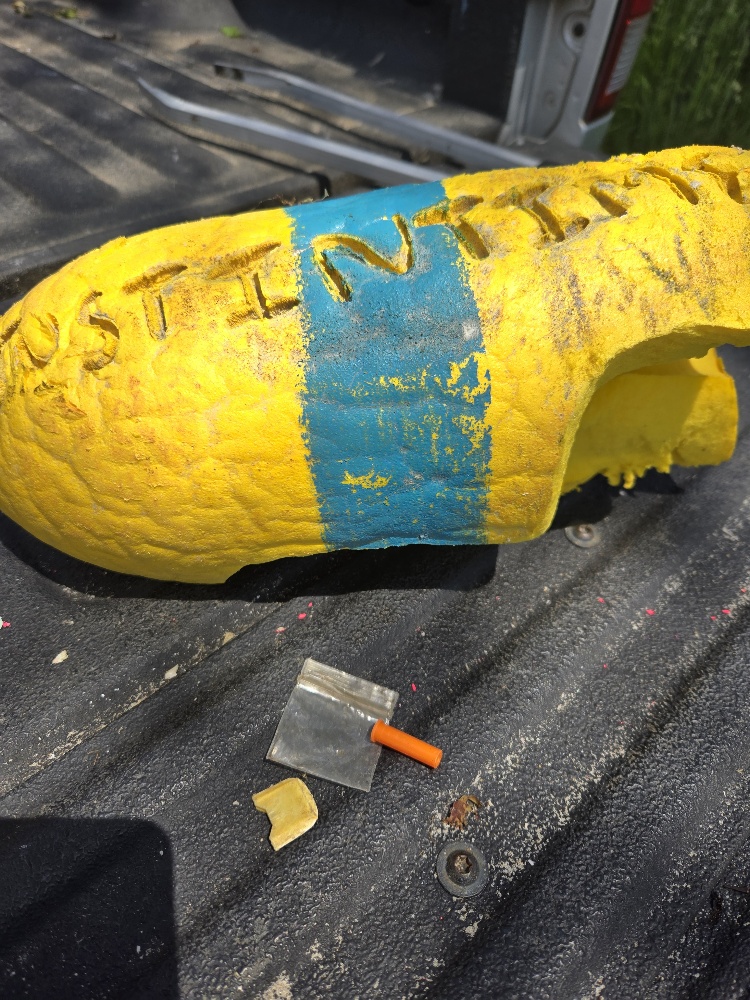
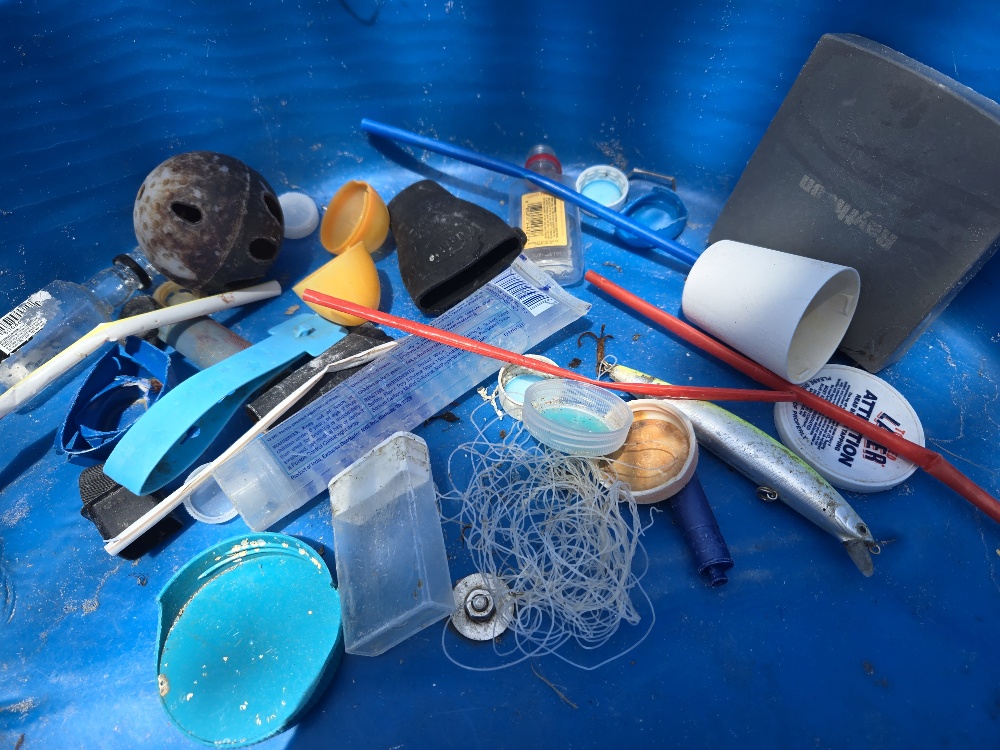
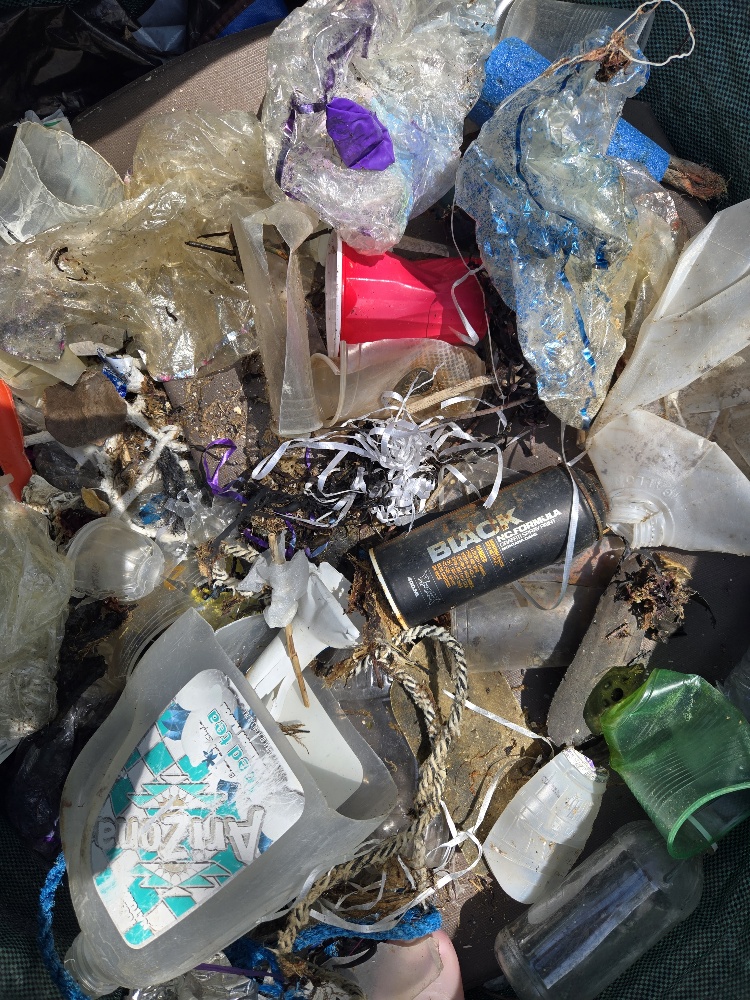
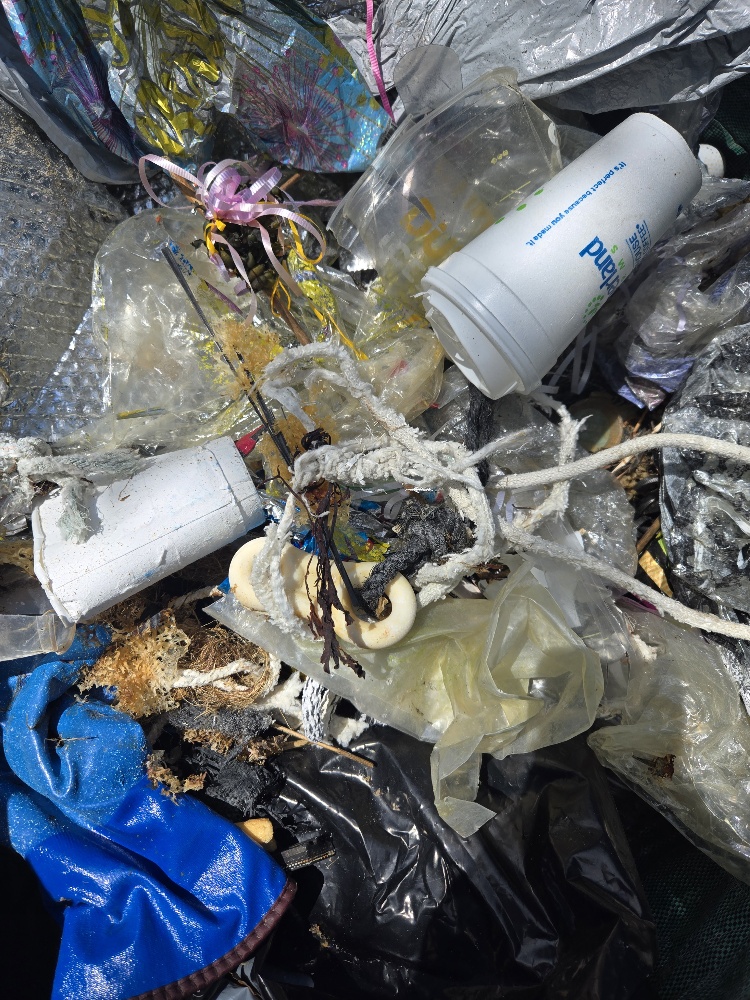
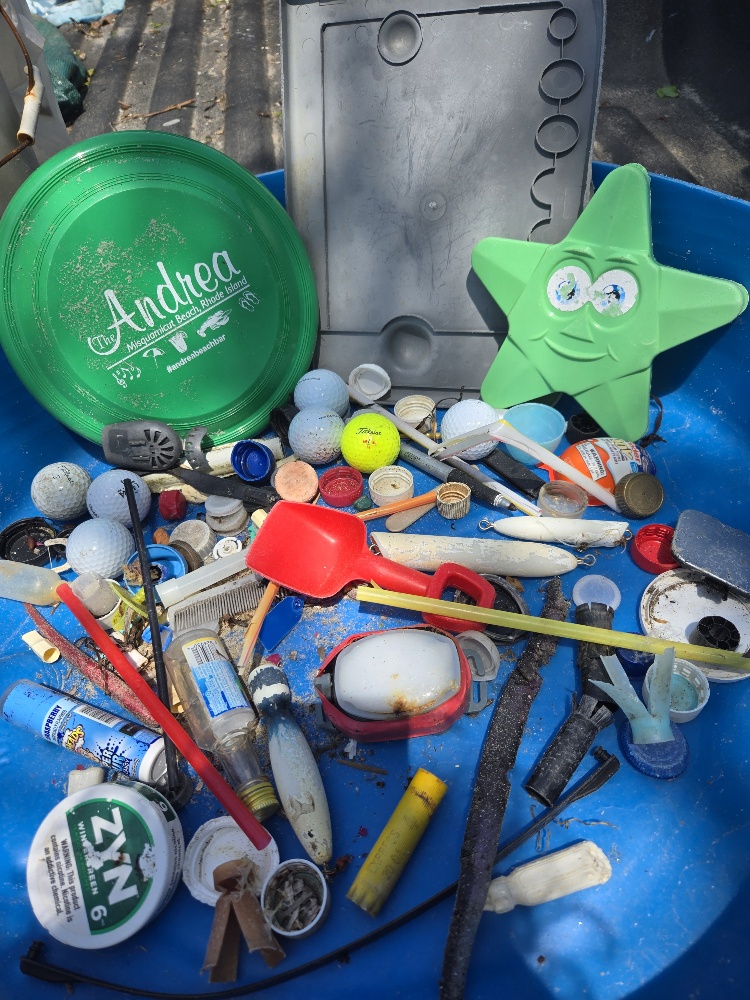
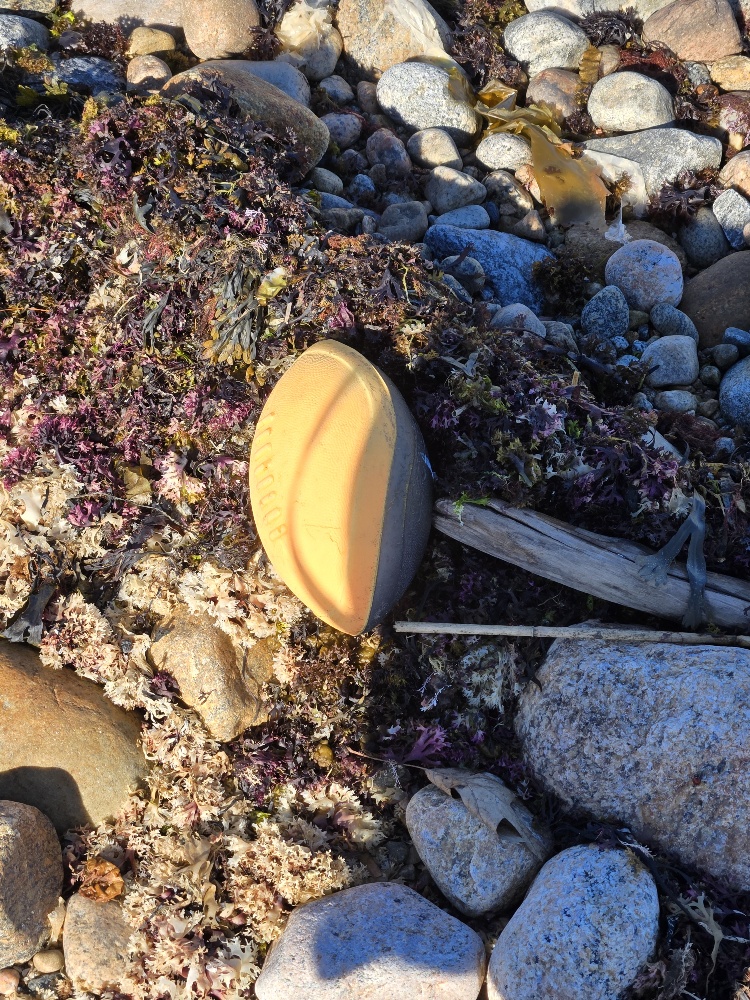
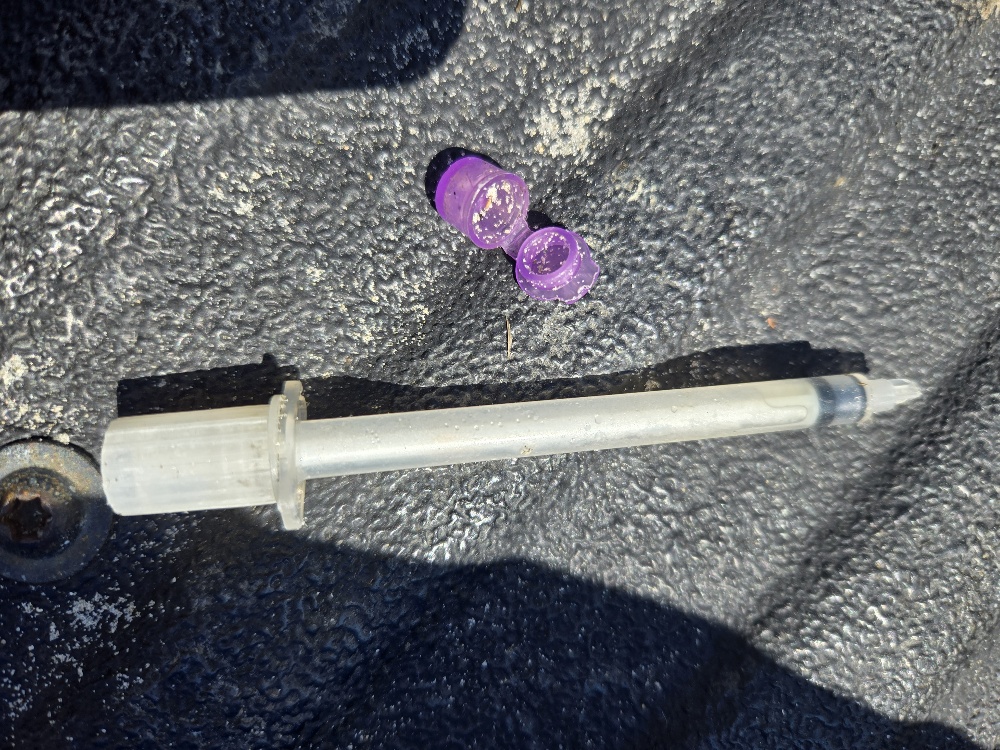
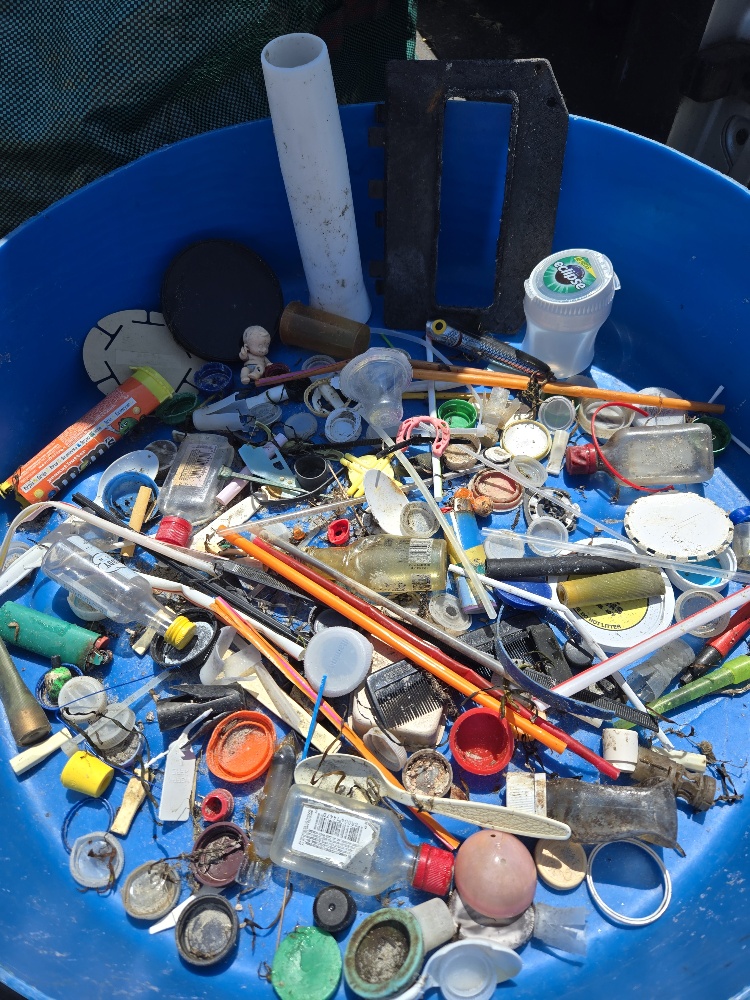
Experience the StoryWalk as you go page by page through the children’s classic, Miss Rumphius. Continue along to the Insect Exhibit and learn about insects and bees from Conservancy board member and entomologist Dr. Marina Caillaud and her husband and fellow entomologist Dr. Bryan Danforth. Be sure to check out the kestrel and diamondback terrapin and other reptiles from the Denison Pequotsepos Nature Center at their Reptile and Birds Exhibit! From there, follow the Conservancy’s own Michele Klimczak’s Path of Lost Soles, with soles collected over 10 months, along with sorted bins of trash collected from every accessible beach in just 3 short months including rope, straws, bottle caps, nip bottles, toys, plastic ware, personal care items, smoking items! The Path of Soles leads you to Nate Chaves’ art installation at the Battery Marcy bunker displaying art made from a variety of Michele’s marine debris and found objects.

Meander back to the Theater and don’t forget to enjoy an ice cream from Robin’s Ice Cream Truck before heading home.

9 PM Bug Night Adventure with Dr. Adam Mitchell near the Theater.

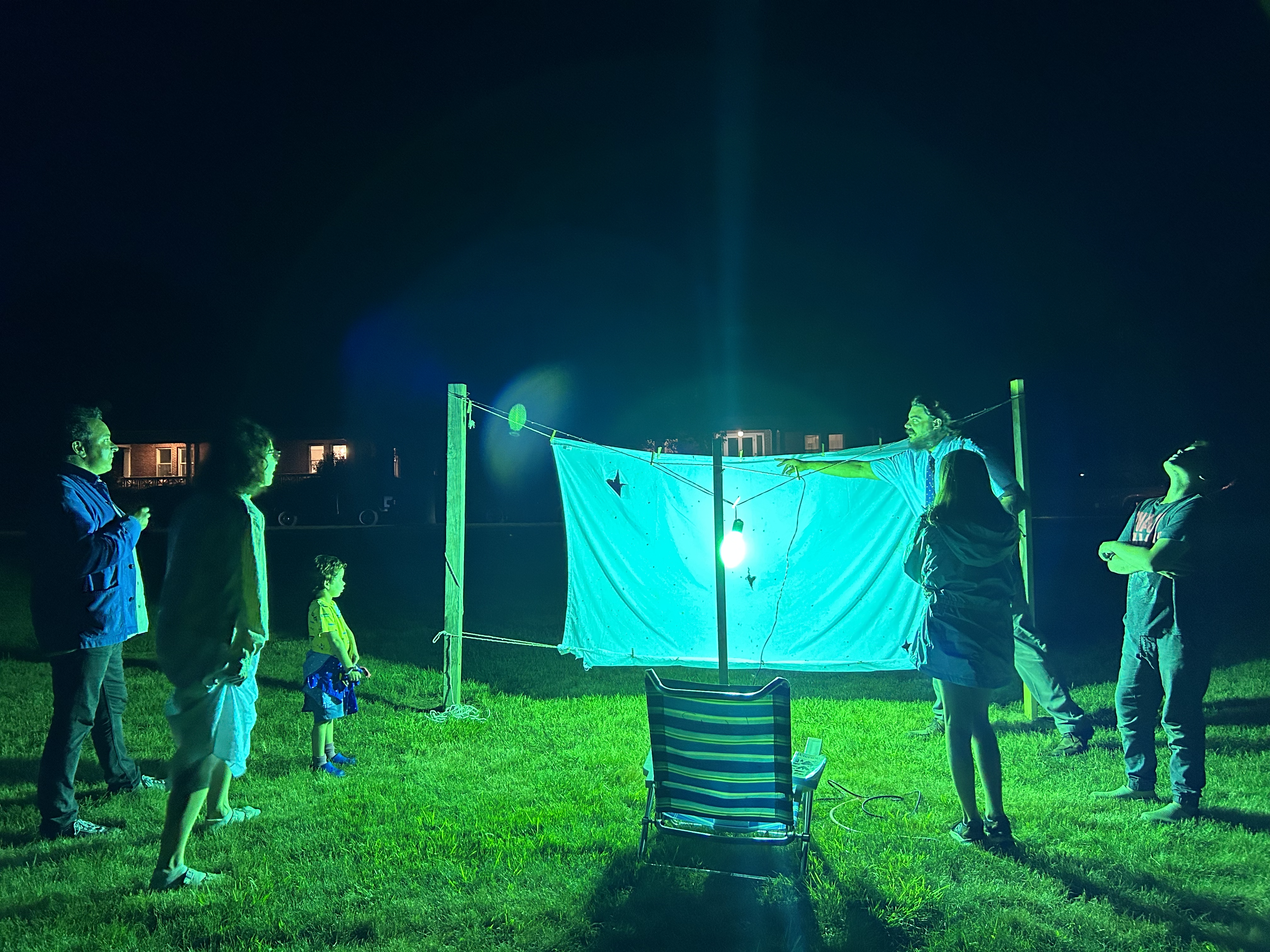
Calling all nature enthusiasts and bug lovers! Get ready for another Bug Night Adventure with entomologist Dr. Adam Mitchell. See insects in a whole new light as you witness a variety of critters drawn to large white sheets illuminated by mercury vapor lamps. Bring your friends and family for an exciting evening of discovery and learn about the fascinating lives, behaviors, and habits of insects that call the John Thatcher Native Garden home.

July 23, 2024 22 views
FeatureNewsShorebirds

Identifying Shorebird Eggs: Terns, Plovers, and Killdeer

by Anna White July 16, 2024

Fishers Island is home to a variety of shorebird species, including terns, piping plovers, and killdeer. These birds are an integral part of the island’s ecosystem, each species playing a unique role. Understanding the differences between their eggs and breeding habits is crucial for their conservation. This article aims to educate on the distinctions between tern eggs, piping plover eggs, and killdeer eggs, and provide guidance on how to protect these species and their habitats.

Least Tern nesting, captured by Anna White

Least Tern nesting, captured by Anna White

Tern Eggs

Characteristics

  • Appearance: Tern eggs are typically speckled with dark spots and are usually olive or buff-colored, blending well with the sandy and pebbly substrates of their nesting sites.
  • Size: They are generally smaller than plover and killdeer eggs.
  • Clutch Size: Terns usually lay 1-3 eggs per clutch.

Breeding Habits

  • Breeding Season: Terns breed from late May through July.

    Two Least Tern eggs, captured by Anna White

    Two Least Tern eggs, captured by Anna White

  • Habitat: Terns prefer nesting in colonies on sandy beaches, dunes, and salt marshes.

Conservation Status

  • Common Terns (Sterna hirundo): Listed as “Special Concern” in some areas due to habitat loss and human disturbance.
  • Least Terns (Sternula antillarum): Listed as “Endangered” or “Threatened” in many states due to similar threats, including habitat loss and predation.

Piping Plover Eggs

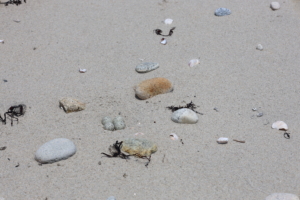
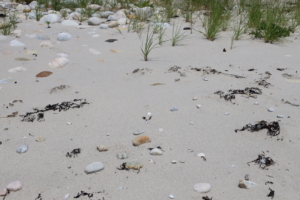
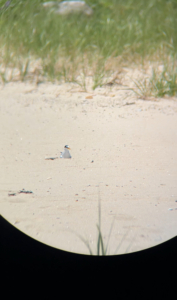
Spot the nesting Piping Plover! Captured by Anna White

Spot the nesting Piping Plover! Captured by Anna White

Characteristics

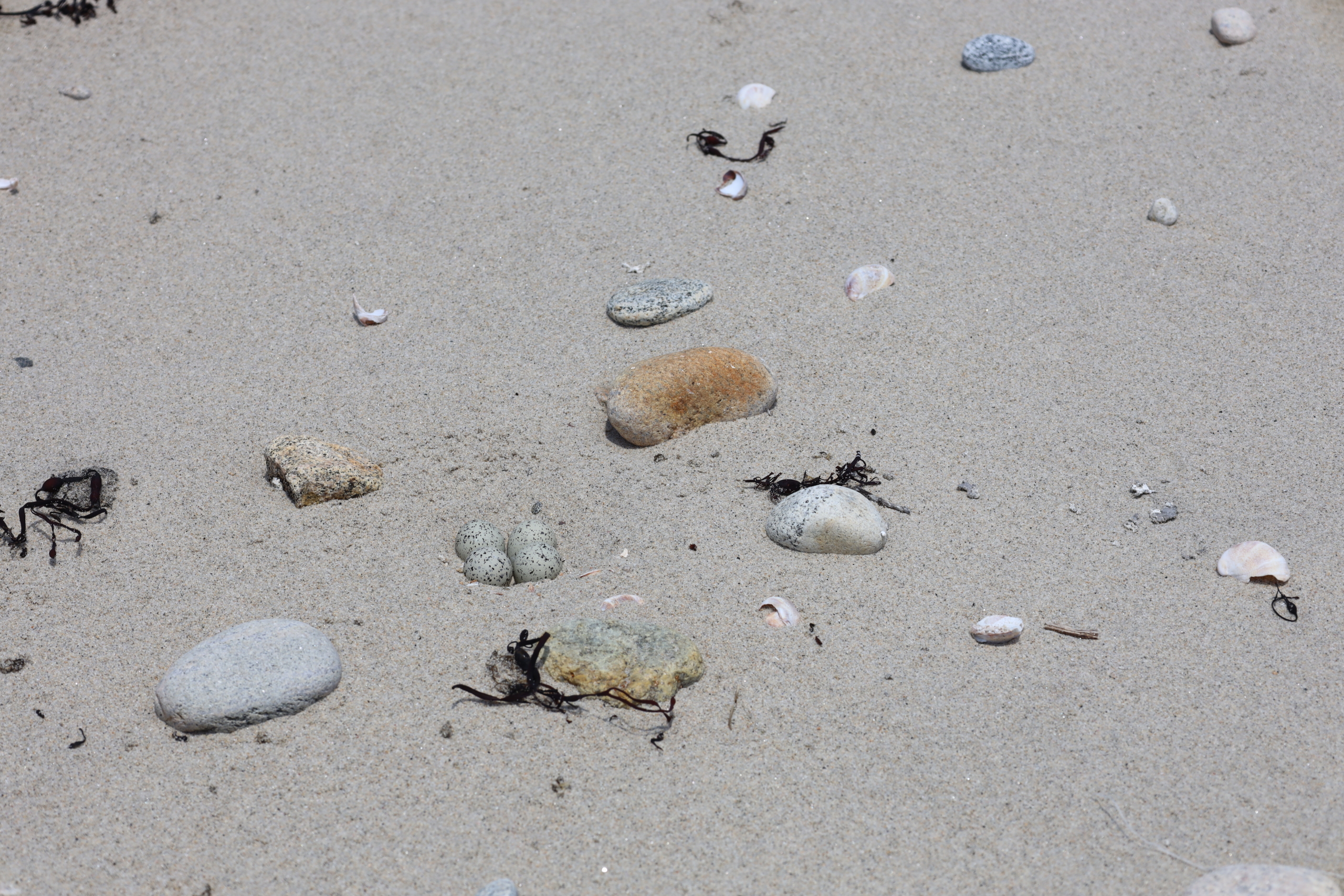
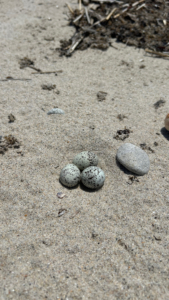
  • Appearance: Piping plover eggs are pale with fine speckling, often more camouflaged than tern eggs, blending seamlessly into the sandy environment.
  • Size: Slightly larger than tern eggs.
  • Clutch Size: Piping plovers lay 3-4 eggs per clutch.

Breeding Habits

  • Breeding Season: Piping plovers breed from late April to July.
  • Habitat: These birds nest on sandy beaches and gravelly shorelines, often near dune areas.
Four Piping Plover eggs, captured by Anna White

Four Piping Plover eggs, captured by Anna White

Conservation Status

  • Piping Plover (Charadrius melodus): Listed as “Threatened” under the Endangered Species Act. Habitat loss and human interference are significant threats.

Killdeer Eggs

Characteristics

  • Appearance: Killdeer eggs are buff-colored with black or brown blotches, providing excellent camouflage among rocks and gravel.
  • Size: They are larger than both tern and piping plover eggs.
  • Clutch Size: Killdeer lay 4-6 eggs per clutch.

    Four Killdeer eggs, photographed by Tom and Pat Leeson.

    Four Killdeer eggs, photographed by Tom and Pat Leeson.

Breeding Habits

  • Breeding Season: Killdeer breed from March to August.
  • Habitat: Unlike terns and plovers, killdeer often nest in open fields, gravelly areas, and even urban environments.

Conservation Status

  • Killdeer (Charadrius vociferus): Not currently listed as endangered or threatened, but habitat disturbance can impact their populations.

Similarities Between Tern and Plover Eggs

Tern and piping plover eggs can appear quite similar at first glance. Both species lay eggs that are speckled and camouflaged to blend into sandy environments, making them difficult to spot. This similarity can sometimes lead to confusion in identifying the eggs, emphasizing the need for careful observation and proper identification techniques.

Overlapping Habitats and Conservation Tips

On Fishers Island, the habitats of these shorebirds can be quite close, particularly along sandy beaches and dunes. This proximity necessitates careful conservation efforts to prevent egg loss and ensure the birds’ survival.

Tips for Protecting Shorebird Eggs:

Spot the Piping Plover eggs! Captured by Anna White

Spot the Piping Plover eggs! Captured by Anna White

  1. Respect Nesting Areas: Avoid disturbing marked nesting sites and keep a safe distance from birds during the breeding season.
  2. Keep Beaches Clean: Remove trash and avoid leaving food scraps that may attract predators.
  3. Control Pets: Keep dogs on leashes and away from nesting areas.
  4. Educate Others: Spread awareness about the importance of protecting these birds and their eggs.
  5. Support Conservation Efforts: Participate in local conservation programs and report any disturbances to authorities.

By understanding and respecting the breeding habits and habitats of terns, piping plovers, and killdeer, we can contribute to their conservation and ensure these beautiful shorebirds continue to thrive on Fishers Island.

July 16, 2024 33 views
EventsNews

Bug Night with Dr. Adam Mitchell

by Anna White July 16, 2024

Calling all nature enthusiasts and bug lovers! Get ready for another Bug Night Adventure with entomologist Dr. Adam Mitchell. See insects in a whole new light as you witness a variety of critters drawn to large white sheets illuminated by vapor lamps. Bring your friends and family for an exciting evening of discovery and learn about the fascinating lives, behaviors, and habits of insects that call the John Thatcher Native Garden home.

Event Details:

  • Date: Saturday August 3rd, 2024
  • Time: 9:00 PM – ?
  • Location: John Thatcher Native Garden, Parade Grounds

Event Description:

Our Bug Night is a vital part of our annual biodiversity survey on Fishers Island. Led by the esteemed Dr. Adam Mitchell, we will focus on surveying moths to gain insights into the plant species present at the Parade Grounds. This data is crucial for measuring the overall restoration success of the properties managed by FIC.

The event will start at 8:30 PM, and we plan to run the light all night, weather permitting. This allows participants the flexibility to come and go as they please, making it a perfect activity for both dedicated naturalists and casual observers.

By participating in this event, you’ll not only contribute to important scientific research but also get a chance to witness the fascinating nocturnal wildlife of our island. Don’t miss this opportunity to connect with nature and support our conservation efforts.

Bring your curiosity and a sense of adventure, and join us for a night of illumination and discovery!

July 16, 2024 16 views
FeatureHorseshoeCrabsIsland SentinelsNewsSentinelsStewardship

Sentinel Spotlight: 2024 Horseshoe Crab Tagging

by Anna White July 10, 2024

Sentinel Spotlight: 2024 Horseshoe Crab Tagging

From May to July, FIC Sentinels, in partnership with FI School, assisted with the 2024 Marine District Horseshoe Crab Tagging & Population Count. The data gathered from this spawning survey will be used by the NYS DEC to assess the status of horseshoe crabs and support the management and conservation of this vital species.

The sentinels aimed to measure spawning abundance, size, and gather tagging data around full and new moon events. The process began at the rightmost side of Dock Beach, toward the Popeye dock, and extended to the bend on the leftmost side of the beach. Tagging was only conducted on horseshoe crabs that were not mating. Tags were placed on the left side of the shell toward the back, ensuring consistency in tag placement.
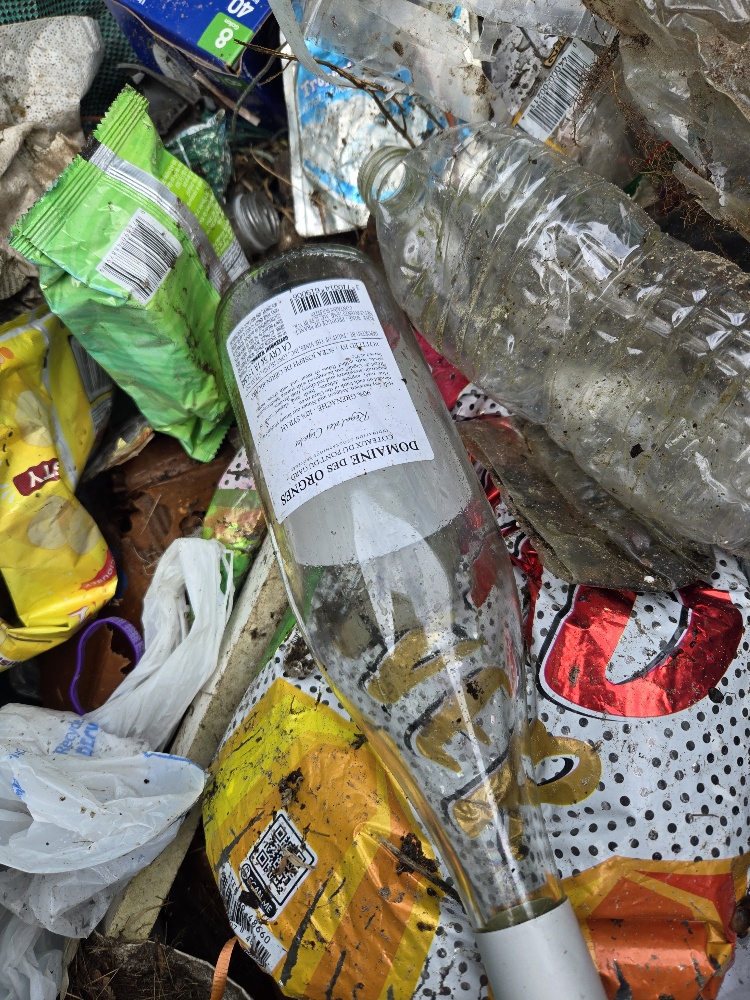
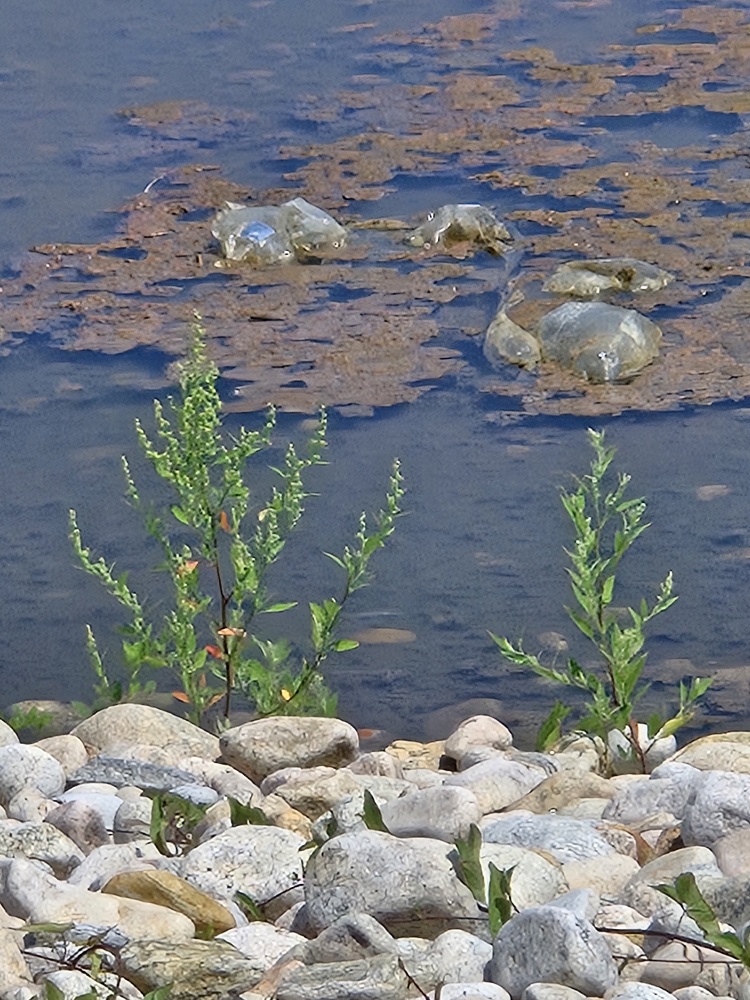
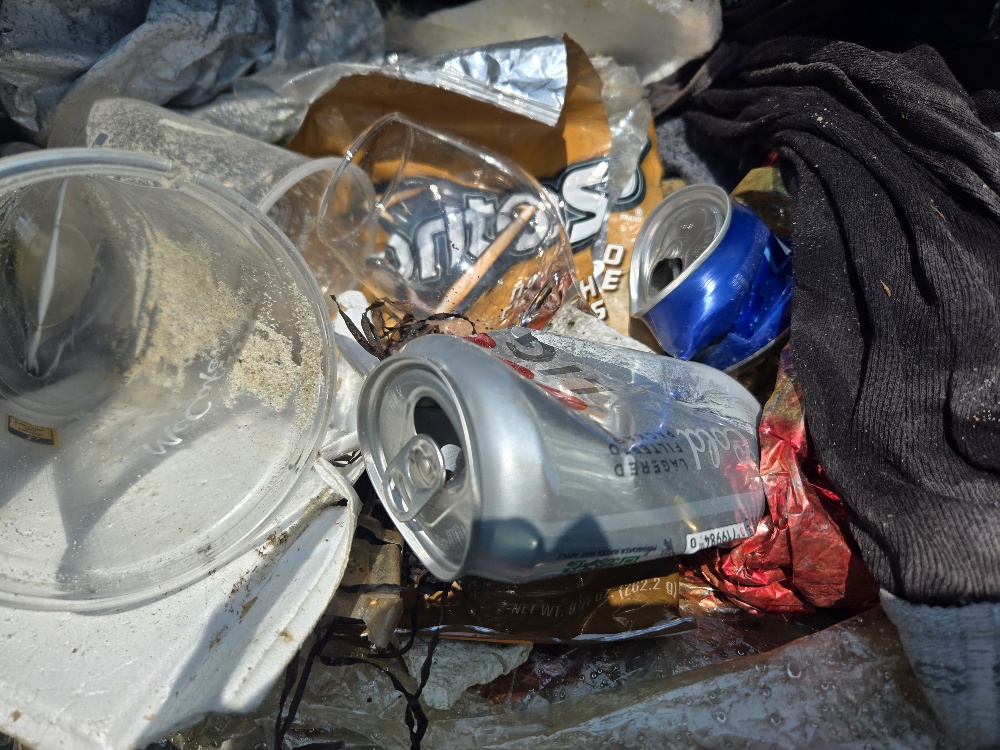
During the survey, sentinels recorded detailed information for each tagged horseshoe crab, including whether the crab was submerged or in the surf zone, its gender, age, coverage of barnacles or other organisms, width of the shell in centimeters, the tag number if distributed and a population count of all mating pairs and individuals.

By participating in this survey, the sentinels contributed to a greater understanding and protection of this ancient and important species. We are thrilled to have been part of this significant conservation effort. Thank you to all our dedicated sentinels for their hard work and commitment to conservation!

July 10, 2024 16 views
Marine Reports

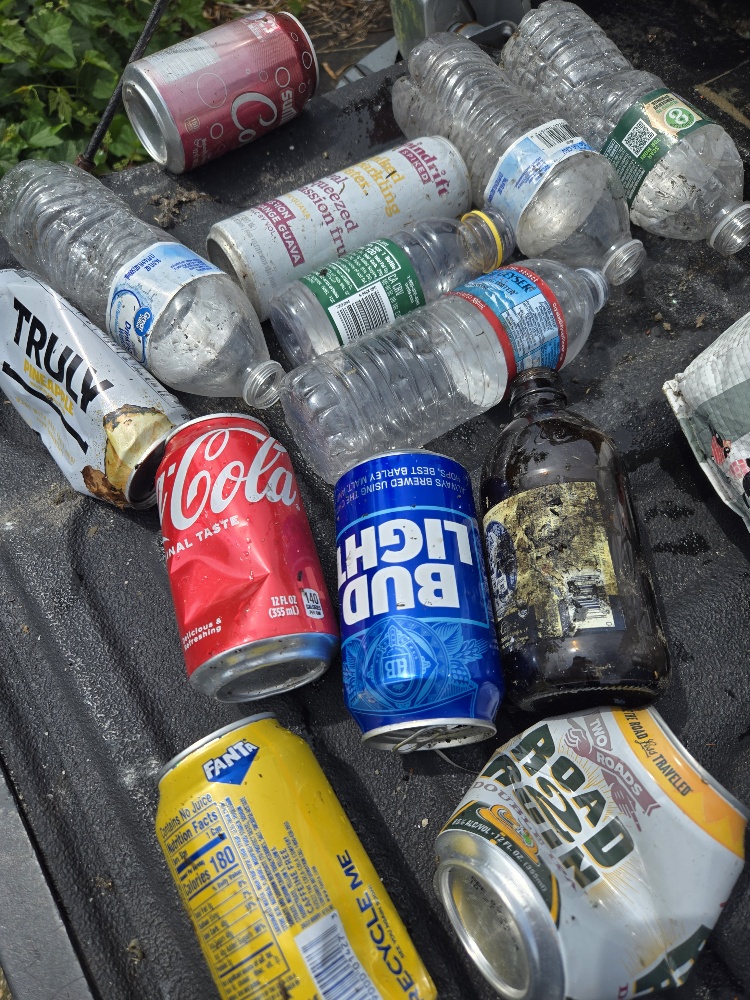
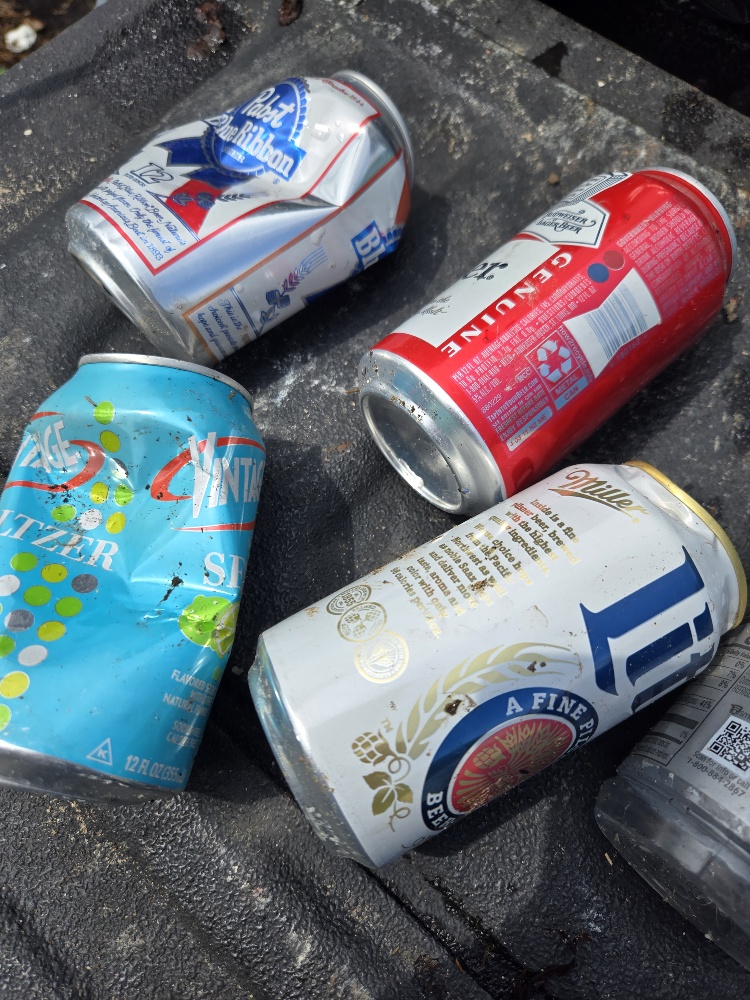
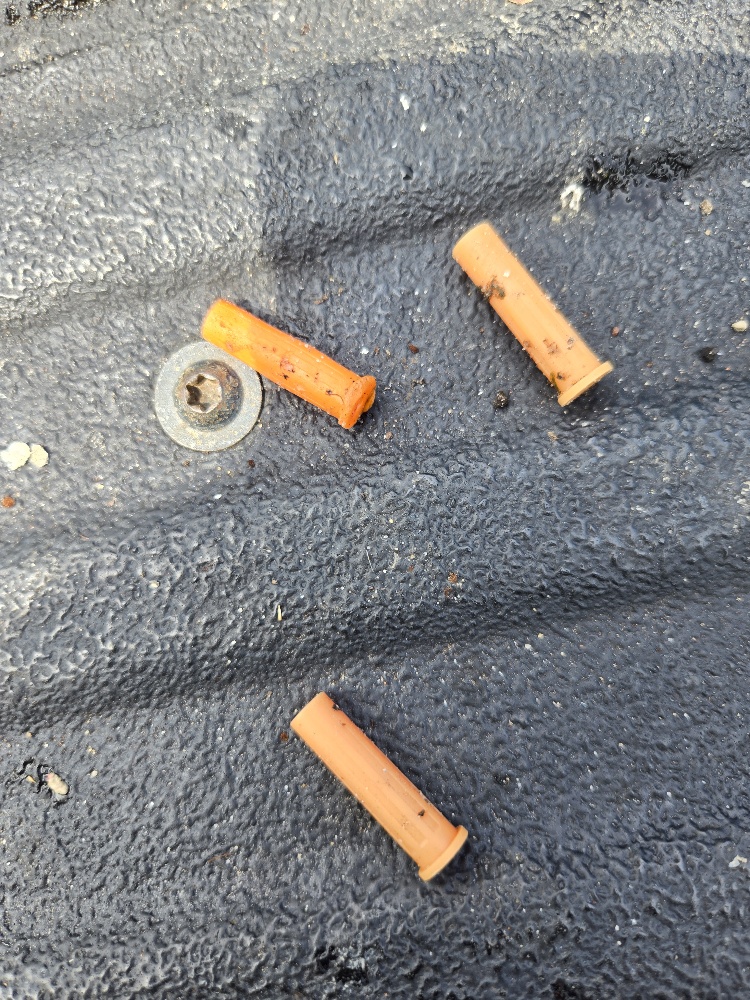
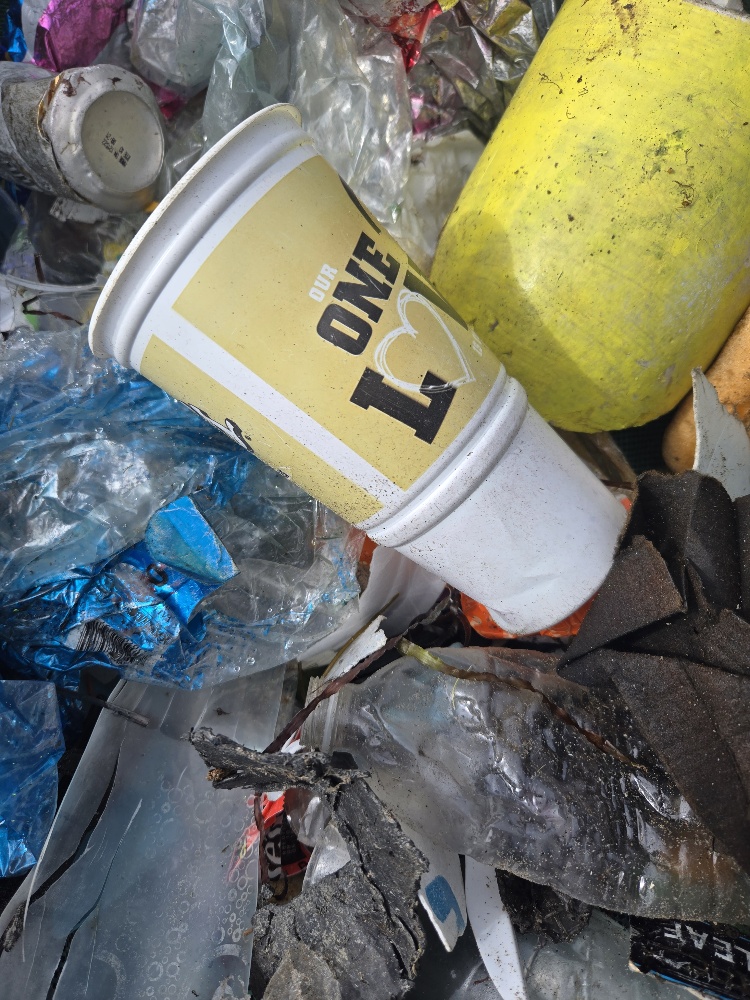
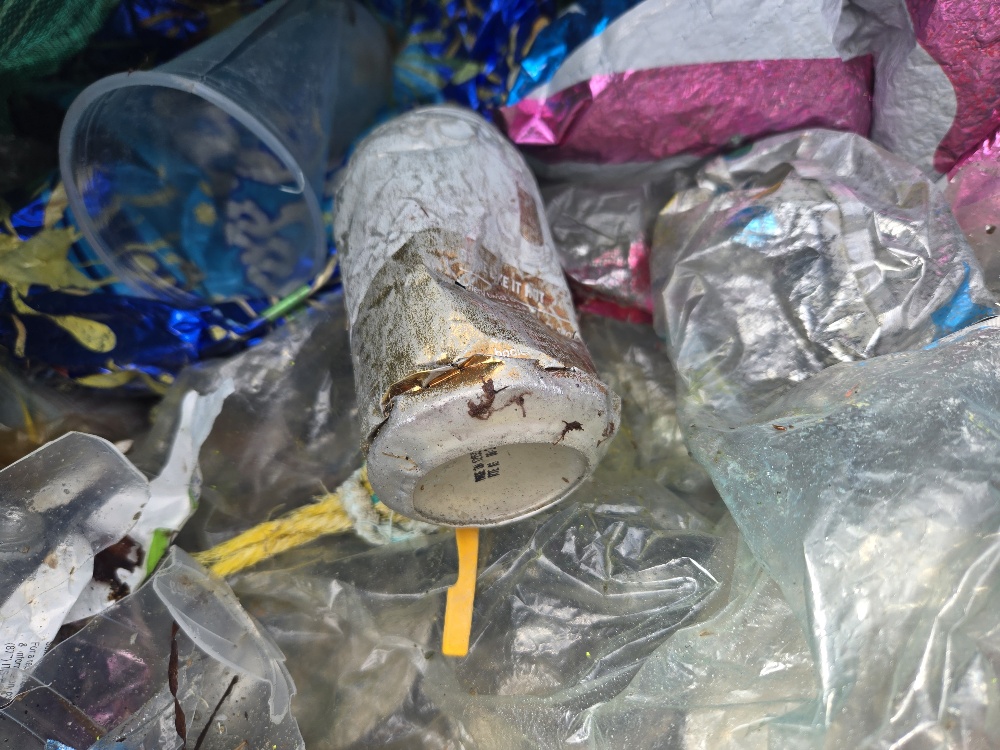
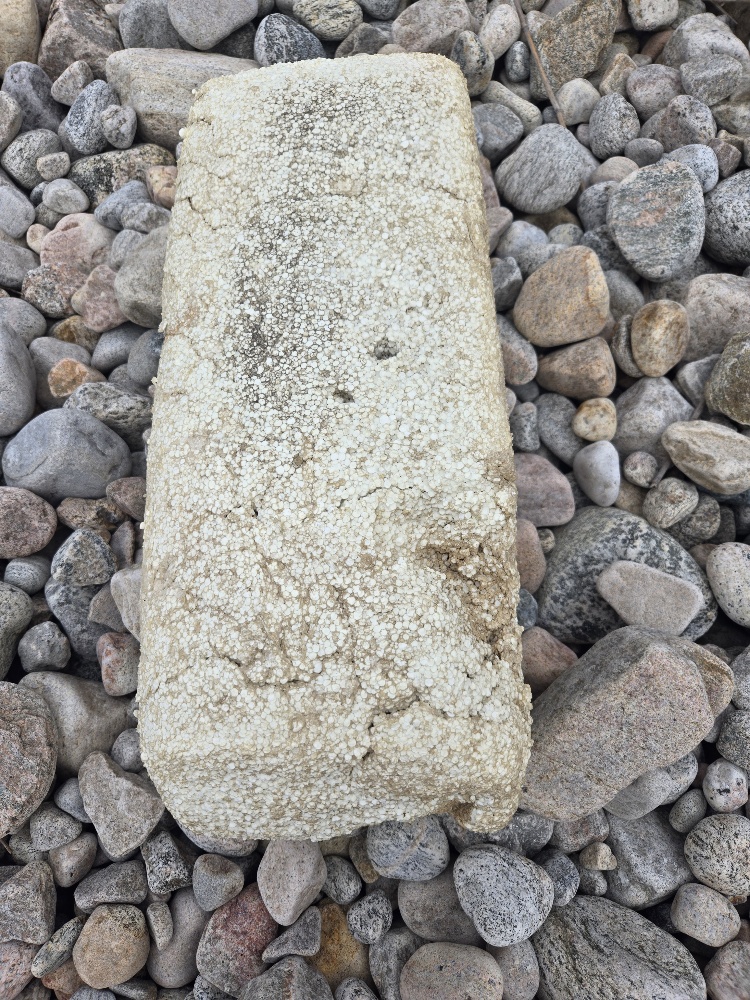
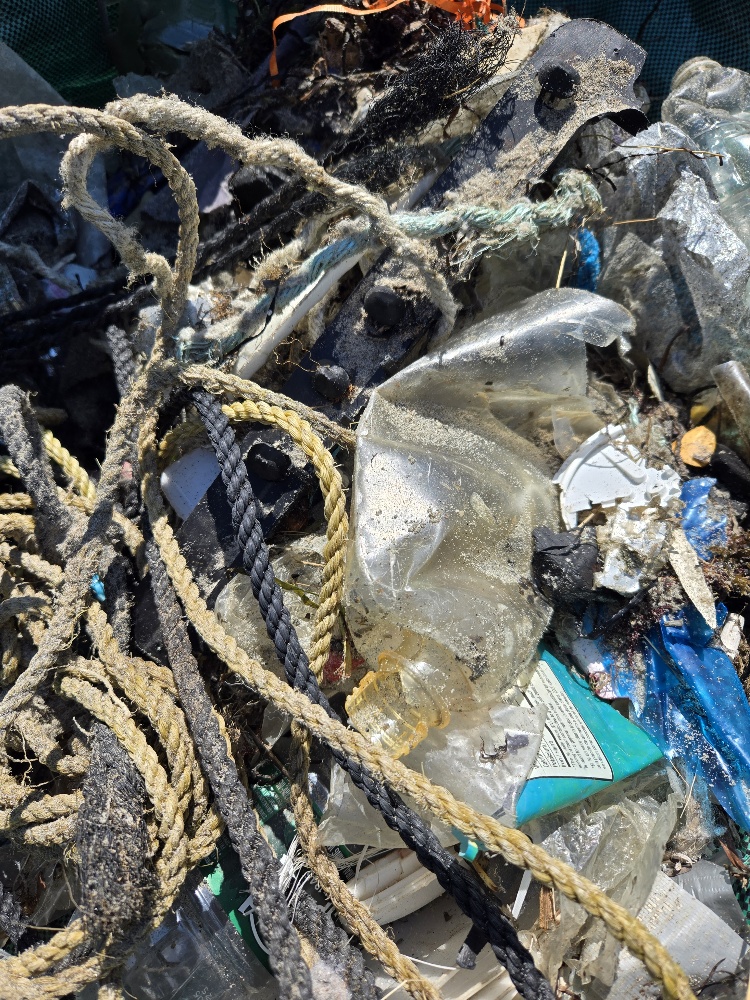
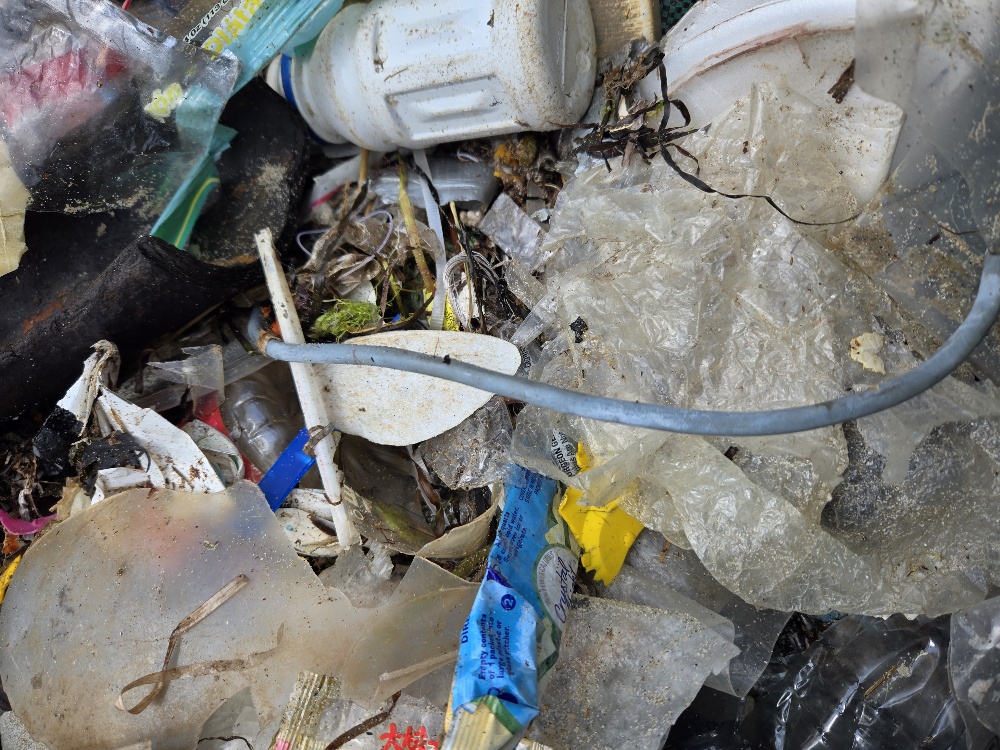
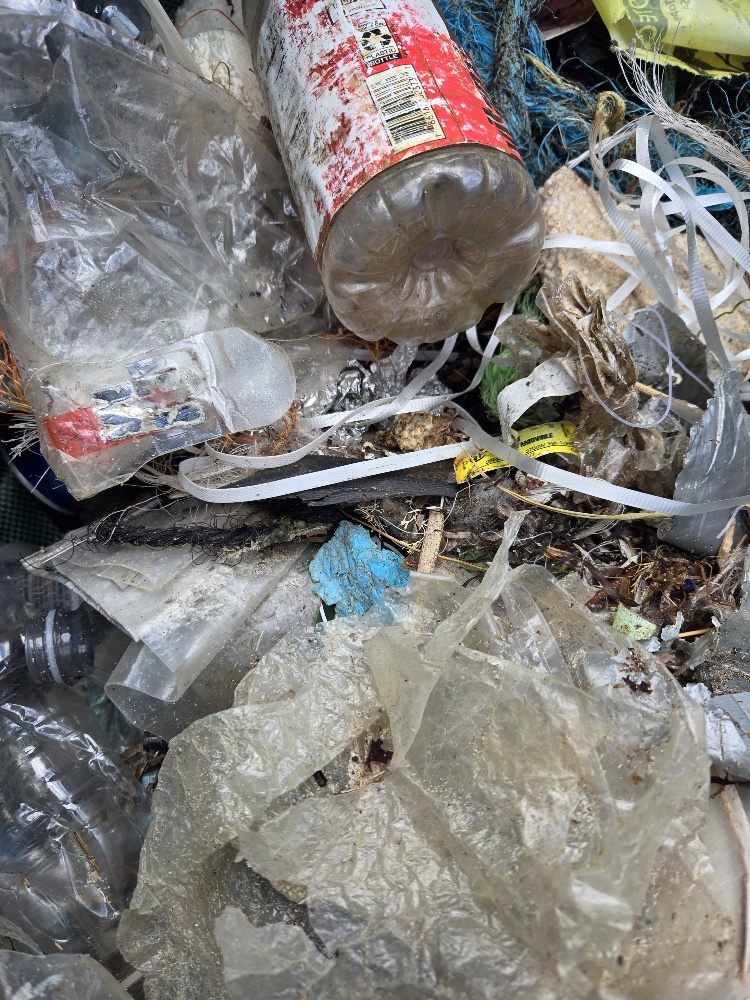
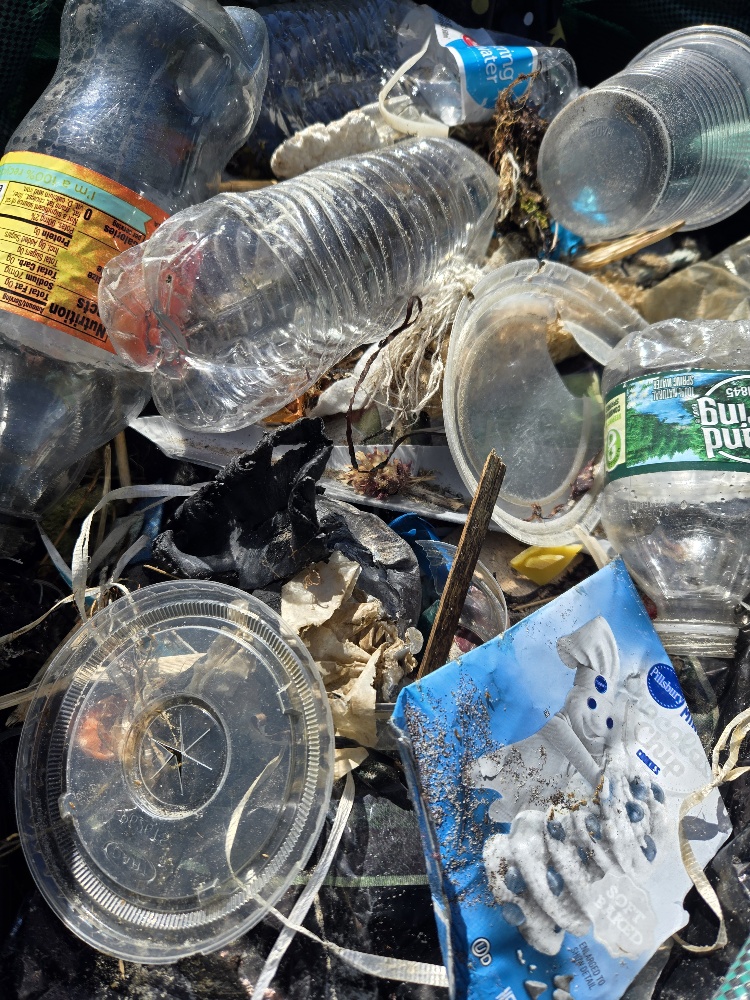
Marine Debris July 2024

by Anna White July 1, 2024

Marine Debris Report
July 2024
Collected across island beaches
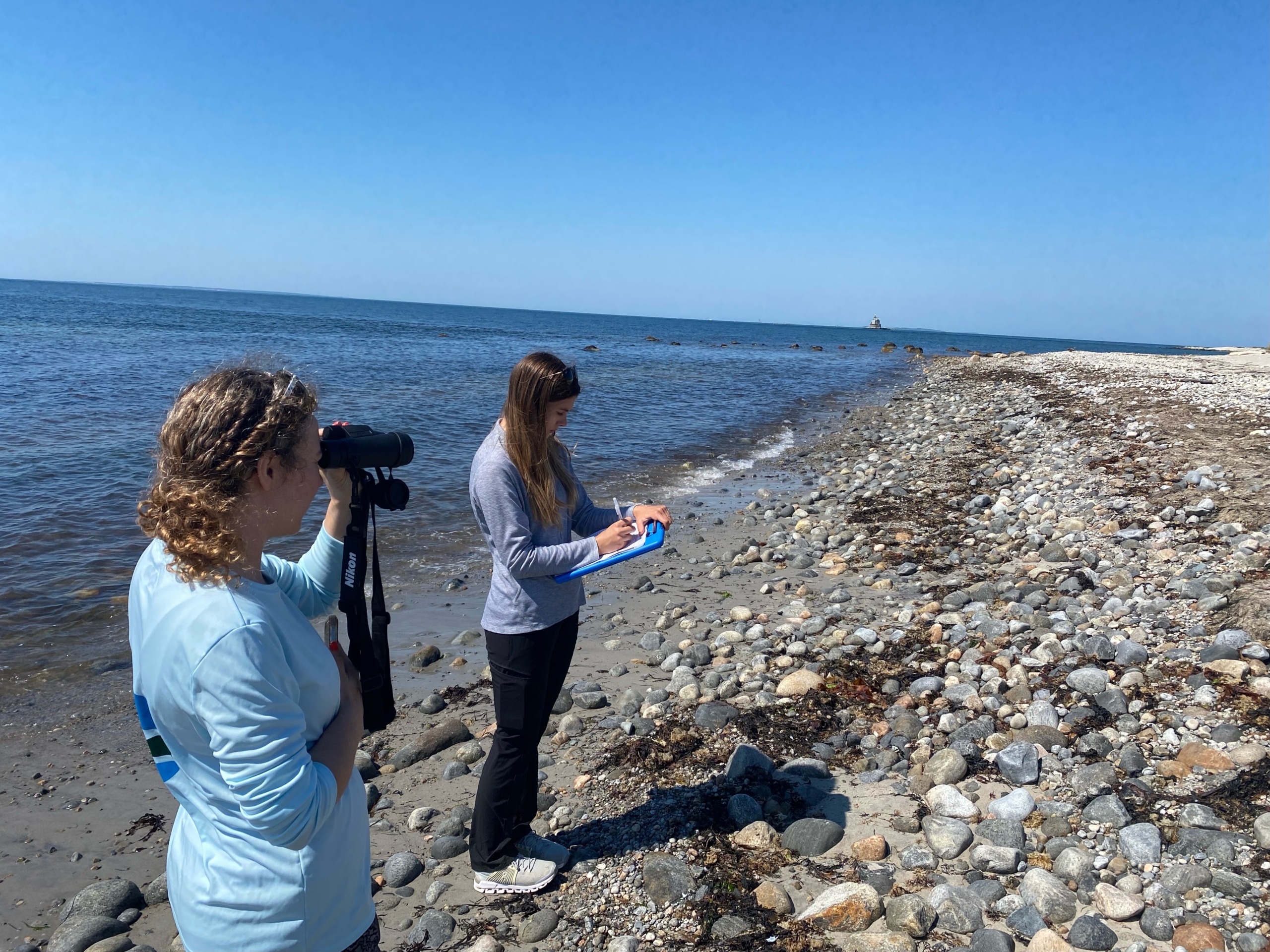
Total weight: 779 lbs | Total hours: 138.5
~ Michele Klimczak

DATEZONELOCATIONWEIGHT (LBS)HOURS
07/01/2024S3Chocomount & beaches before Big Club467
07/02/2024E4Beaches behind Money Pond395
07/03/2024S2Race Rock-Sanct. of Sands-S. BeachIsabella beaches & Wilderness Point366.5
07/05/2024S2S. beaches, Sanct. of Sands to the Race286
07/07/2024N5Choco. Cove beaches to Hungry Point336
07/08/2024N6N. Hill to Dock beach to Clay Pt. Rd. beaches266.5
07/9/2024E4Latimer Light beaches & behind Money Pond467.5
07/10/2024N1Airport, Ordnance, Ferry Park, Silver Eel Cove, Little Stony336.5
07/11/2024S2Wilderness Point and working at shed sorting377
07/12/2024S3Chocomount beaches & before Big Club506.5
07/14/2024–Craft Fair Day, load truck, unload, set up tables, tent mdse. sell, break down, load and unload truck 7:30-1pm05.5
07/15/2024S2Isabella beaches to Vikings End beaches386
07/17/2024S2The Race, Sanct. of Sands, South beaches337
07/18/2024N1Airport, Ordnance, Ferry Park, Silver Eel Cove, Little Stony286.5
07/19/2024–StonyIPP teach kids about being good stewards, debris, what you can do, scavenger hunt for debris 9-11am02
07/23/2024N5Choc. Cove to Hungry Point beaches426.5
07/24/2024S3Isabella-Wilderness Pt.Chocomunt beaches & beach before Big Club537
07/25/2024N6N. Hill to Dock beach to Clay Pt. Rd. beaches456.5
07/26/2024E4Latimer Lt. – Behind Money Pond648
07/28/2024N1Airport, Ordnance, Ferry Park, Silver Eel Cove to Little Stony346.5
07/30/2024S2The Race, Sanct. of Sands, S. beaches386.5
07/31/2024S2Wilderness Point beaches At bunker with Nate cleaning, hauling and setting up for Nature Day304.5 + 1.5

View the Marine Debris Gallery Below

July 1, 2024 19 views
Conservancy NewsFeatureFrom the FieldNewsStewardship

Protecting Our Feathered Friends

by Anna White June 21, 2024

Casey Pendergast and Stephanie Hall

Protecting Our Feathered Friends: A Collaborative Effort for Shorebird Conservation

This month, we had the privilege of welcoming Wildlife Biologist Casey Pendergast from the New York Department of Environmental Conservation. Casey, a dedicated expert in her field, collaborated with us to contribute to the crucial statewide census: Long Island Colonial Waterbird surveys. This initiative aims to evaluate and monitor the breeding populations of state- and federally-listed species, including American Oystercatchers, Piping Plovers, Terns & Skimmers, in New York every three years.

Least tern nesting

The work we are engaged in with NY DEC is of utmost importance for the conservation of our shorebird populations. These surveys provide essential data that aids in understanding the trends and dynamics of these species’ populations, playing a critical role in informing conservation strategies and management decisions aimed at safeguarding these birds and their habitats.

Waterbird species, such as the American Oystercatcher, Terns & Skimmers, and Piping Plovers, face numerous threats to their survival. Habitat loss due to coastal development, disturbance from human activities, pollution, and climate change-induced impacts are among the significant challenges confronting these birds. The decline in their populations not only disrupts the balance of our ecosystems but also reflects broader environmental degradation that affects us all.

Least tern eggs

As stewards of conservation, we are committed to making a difference in protecting these vulnerable species and their habitats. We are very excited to collaborate with Casey and participate in the Long Island Colonial Waterbird surveys. By actively engaging in data collection and monitoring, we contribute to the broader scientific understanding of waterbird populations and support informed conservation actions.

Field Observations:

Our recent surveys have yielded exciting results, including the observation of several nests, chicks, and eggs. Notably, we observed 8 adult Piping Plovers and 3 chicks at Airfield Beach, as well as multiple Least Tern nests with active eggs near Isabella. These findings highlight the importance of our conservation efforts and provide valuable data for ongoing and future initiatives.

Through our collective efforts, we aspire to enact positive change for the benefit of our waterbird populations and the ecosystems they inhabit. By raising awareness, advocating for protective measures, and implementing conservation initiatives, we strive to mitigate the threats facing these species. Our work not only impacts the present but also lays the foundation for a sustainable future where these magnificent birds can thrive.

June 21, 2024 17 views
FeatureNews

Reviving Battery Marcy

by Anna White June 14, 2024

Reviving Battery Marcy: A Historic Site’s Transformation for Wildlife and Community Art

For decades, Battery Marcy has stood as a poignant reminder of our islands military heritage. Built in the early 20th century, it played a crucial role in coastal defense during World War I and World War II, safeguarding the eastern seaboard from potential threats. Today, though abandoned, it has become an unofficial community space and a habitat for local wildlife, including barn swallows and various island flora.

A Vision for Renewal

Nate Chaves at Nature Day

Nate Chaves, a longtime Fishers Island resident and mixed media artist specializing in marine debris and found objects, has embarked on a transformative journey with Battery Marcy. As a child, Nate often explored the remnants of burns and drills within the bunker, envisioning its former glory. However, last summer, he was disheartened by its neglected state, marred by trash, glass, remnants of parties, and hateful graffiti.

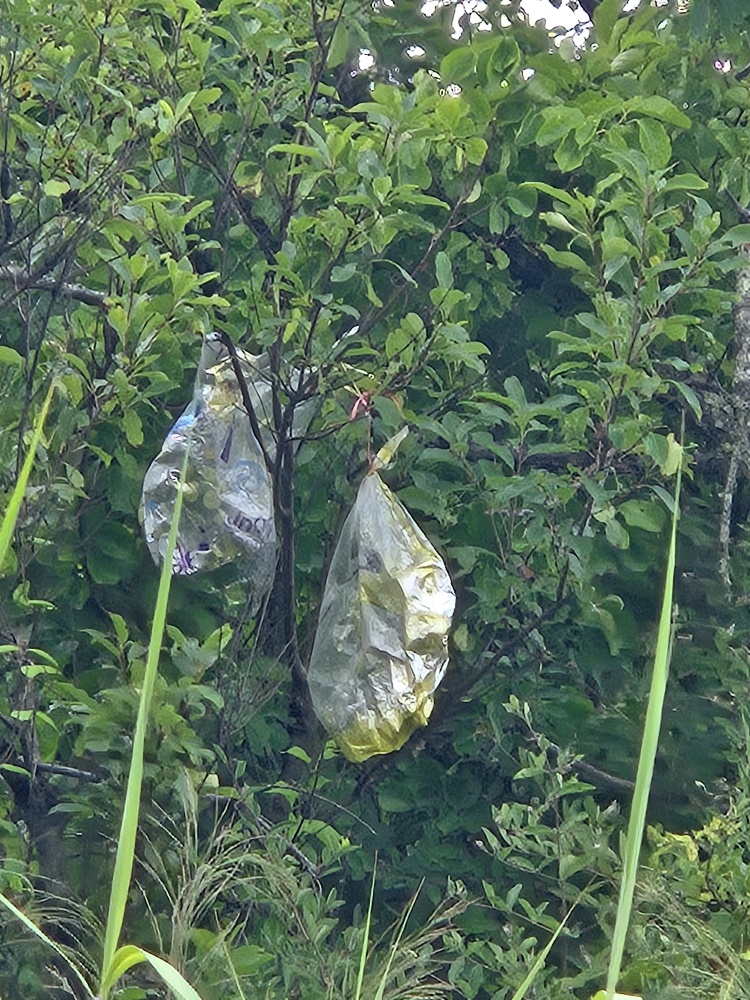
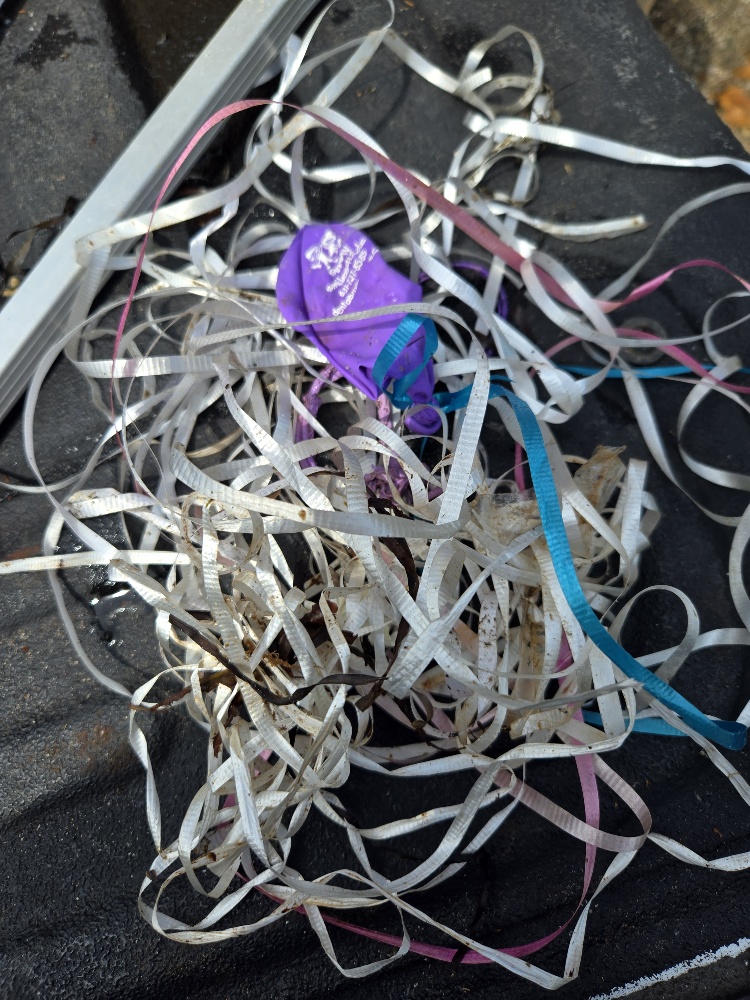
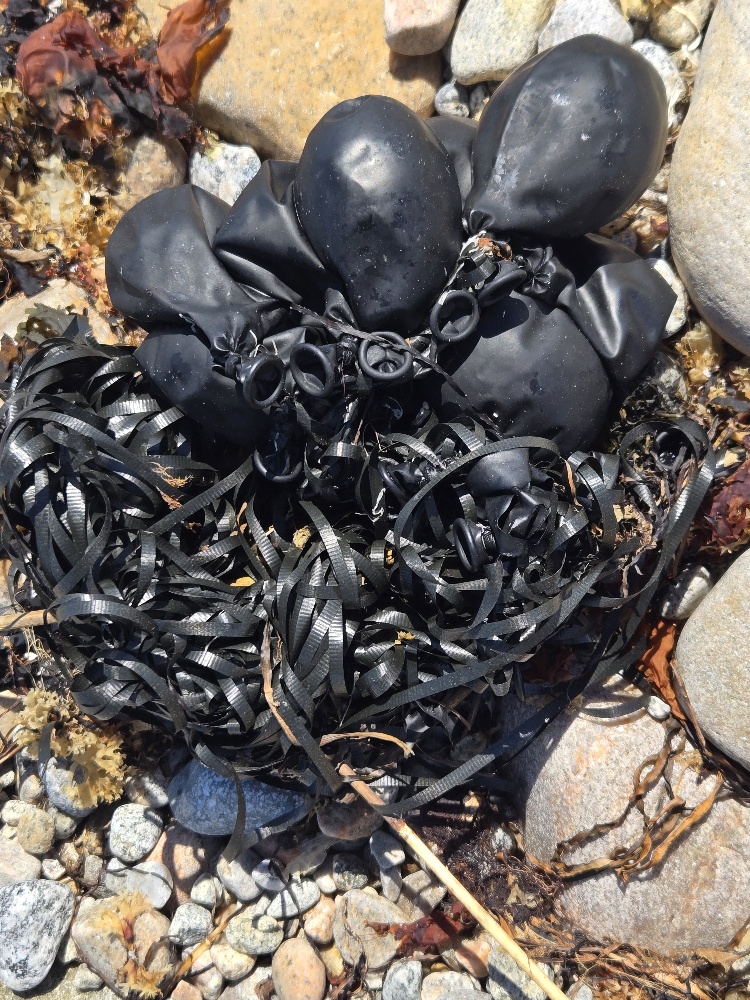
Nate Chaves’s enduring connection to Fishers Island is not only evident in his creative practice, but also in his longstanding support for the island’s conservation efforts. Collaborating closely with Michele Klimczak over the years, they have dedicated themselves to clearing debris from Fishers Island shores, with Michele generously donating collected materials to Nate’s sculpture practice. Notably, mylar balloons gathered by Michele now adorn Battery Marcy, serving as a testament to their shared commitment to environmental artistry.

Nate Chaves and Zachary Lewis

Inspired to give the historic site a new lease on life, Nate joined forces with Zachary Lewis, a fabricator and urban designer from Austin, Texas. Together, they envisioned Battery Marcy as a vibrant community arts space. With approval from the Ferry District in early spring 2024, they launched a comprehensive effort to clean and rejuvenate the bunker.

The Cleanup Effort

The Battery Marcy Project is a collaborative effort involving local and off-island artists and members of the Fishers Island community. The primary objective is to restore the battery to a cleaner and safer environment conducive to gatherings, supporting plant and animal life, and nurturing creative endeavors.

The transformation initiative began with the removal of hazardous debris such as oil drums, car parts, and rusty metal from the abandoned rooms and gun turrets. In total, the cleanup effort resulted in the removal of:

  • 5 tires
  • 1 grill
  • Over 30 car parts, ranging from bumpers to steering wheel covers
  • 4 contractor bags filled with cans and bottles
  • Truck beds filled with wood and metal scraps
  • Countless other fragments of garbage

Anticipation is high for the return of wildlife that inhabit the bunker, particularly the swallows, expected to flourish this summer. The project aims to maintain the natural adaptations of the space, with trees blossoming in the gun turrets and swallows darting from fireplaces.

Creating a Community Arts Space

Following the extensive cleanup, attention turned to the transformation of the two exterior gun turrets and four accessible rooms into spaces where our artist collaborators could create cohesive sculptures. Additionally, efforts were made to restore the deteriorating concrete stairs leading to the top lookout.

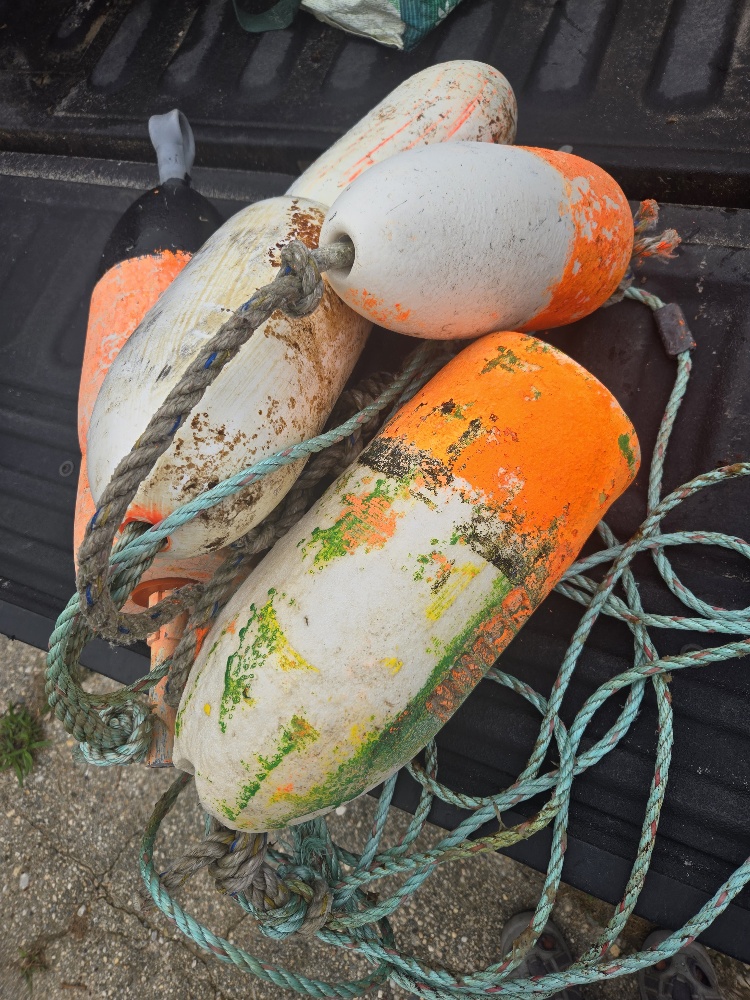
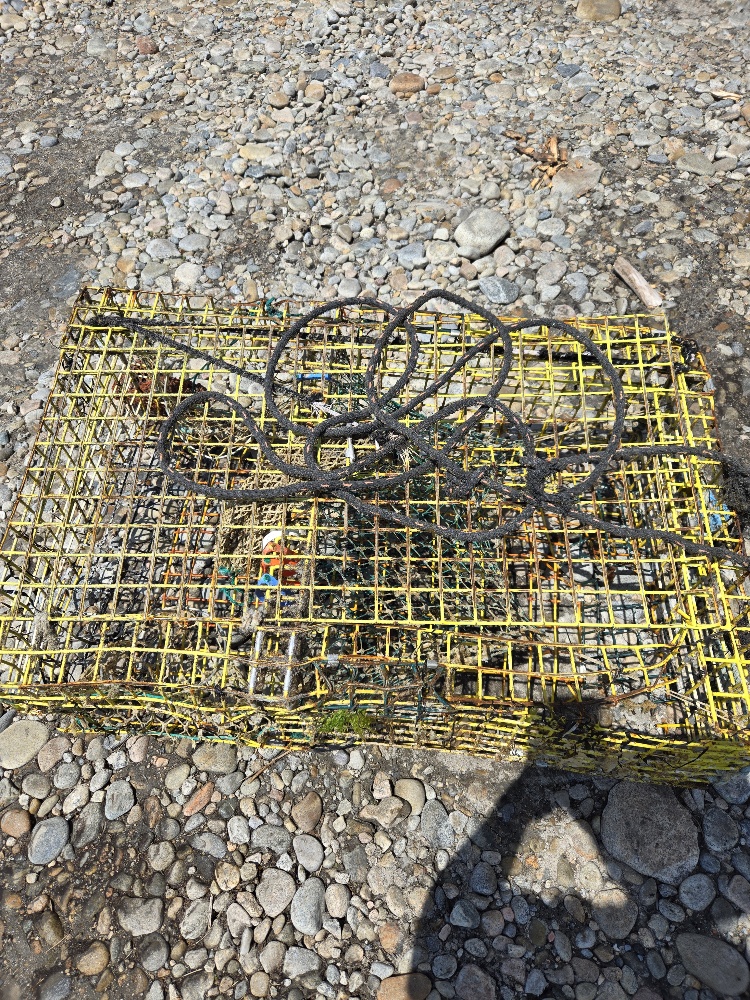
As visitors explore Battery Marcy, they are encouraged to discover the surprises around each corner. Thoughtfully crafted boundaries within the space guide visitors toward installations and gathering spots. These boundaries incorporate reclaimed driftwood, buoys, and nets- materials chosen to provoke discussion about industries impacting the environment and generating waste in our waterways.

Central to Battery Marcy are the installation works of Jodie Canfield and Josie Cook, housed in the two main rooms. Their pieces explore the natural elements and storied history of the space, offering a poignant reflection on its evolution over time. As nature continues its reclamation of the area, the bunker’s walls will evolve into canvases for both growth and artistic expression.

If you’re interested in learning more about Nate’s work and others’ contributions, as well as an upcoming grand opening for the Battery Marcy Project, visit here

June 14, 2024 19 views
Marine Reports

Marine Debris June 2024

by Anna White June 1, 2024

Marine Debris Report
June
2024
Collected across island beaches
Total weight: 654 lbs | Total hours: 134.5
~ Michele Klimczak

DATEZONELOCATIONWEIGHT (LBS)HOURS
06/01/2024N1Airport beaches thru Ordnance184
06/03/2024E4Latimer Light to behind Money Pond417
06/04/2024S2Race Rock-Sanct. of Sands-S. Beach226
06/05/2024S2Wilderness Pt.- Isabella396.5
06/07/2024S3Chocomount & Before Big Club266.5
06/08/2024N5Choc. Cove to Hungry Pt.286
06/10/2024N6Clay Pt. Rd to Dock to N. Hill297
06/11/2024N1Airport, Ordinance, Ferry Park, Silver Eel Cover, Little Stony206
06/13/2024S2Race, Sanc. of Sands, S. Beach256.5
06/14/2024S2Isabella-Wilderness Pt.326.5
06/15/2024S2Chocomount-Beach Before Big Club266
06/17/2024E4Latimer Lt.-Behind Money Pond477.5
06/18/2024N5Choc. Cove to Hungry Pt.246
06/19/2024N6Clay Pt. Road to Dock to N. Hill367
06/20/2024N1Airport, Ordinance, Ferry Park, Silver Eel Cover, Little Stony175.5
06/21/2024S2Race Rock, Sanc. of Sands, S. Beach266
06/23/2024S2Isabella-Wilderness Pt.447
06/24/2024S3Chocomount & Beach Before Big Club386.5
06/26/2024E4Latimer Lt. – Behind Money Pond568.5
06/27/2024N5Chocomount Cove to Hungry Pt.286
06/28/2024N6Clay Pt. Road-Dock-N. Hill326.5

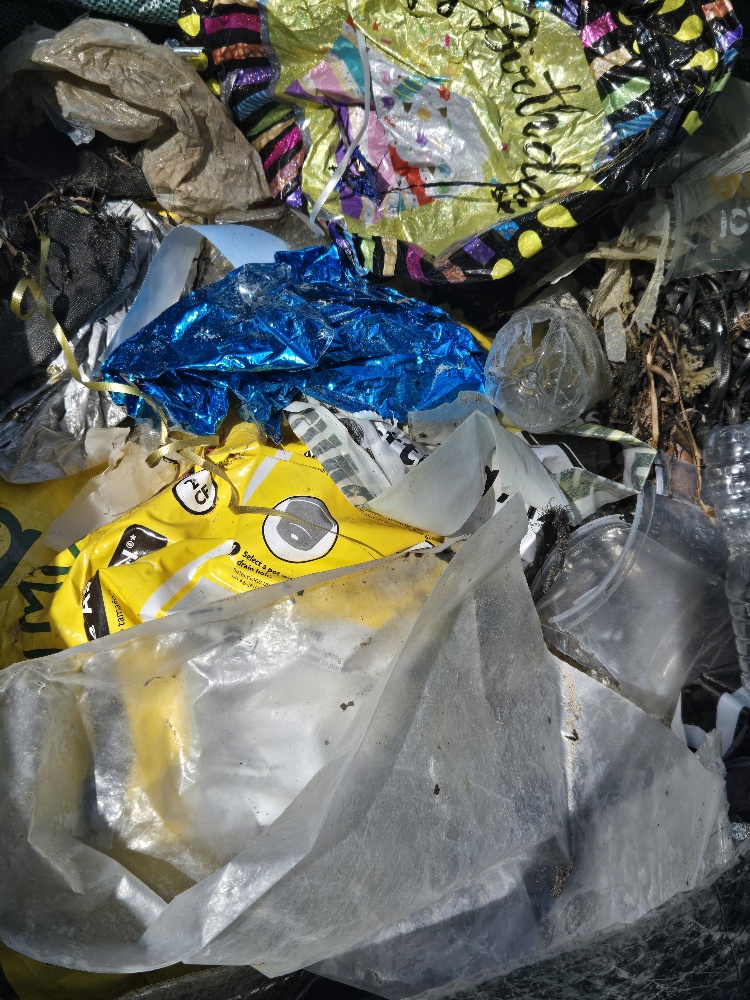
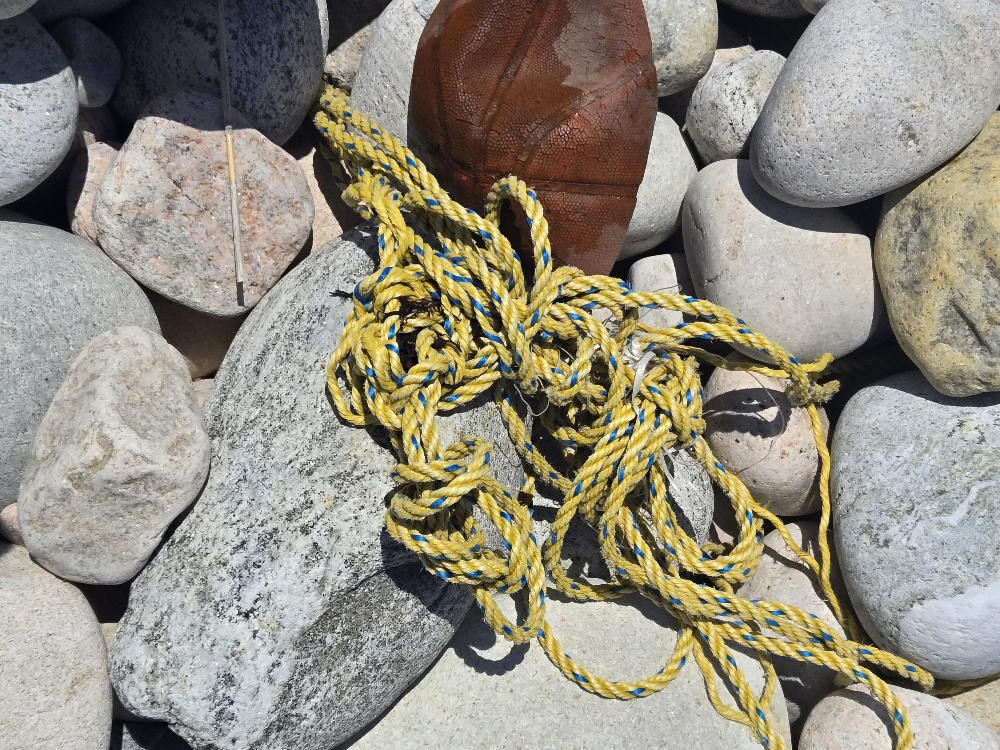
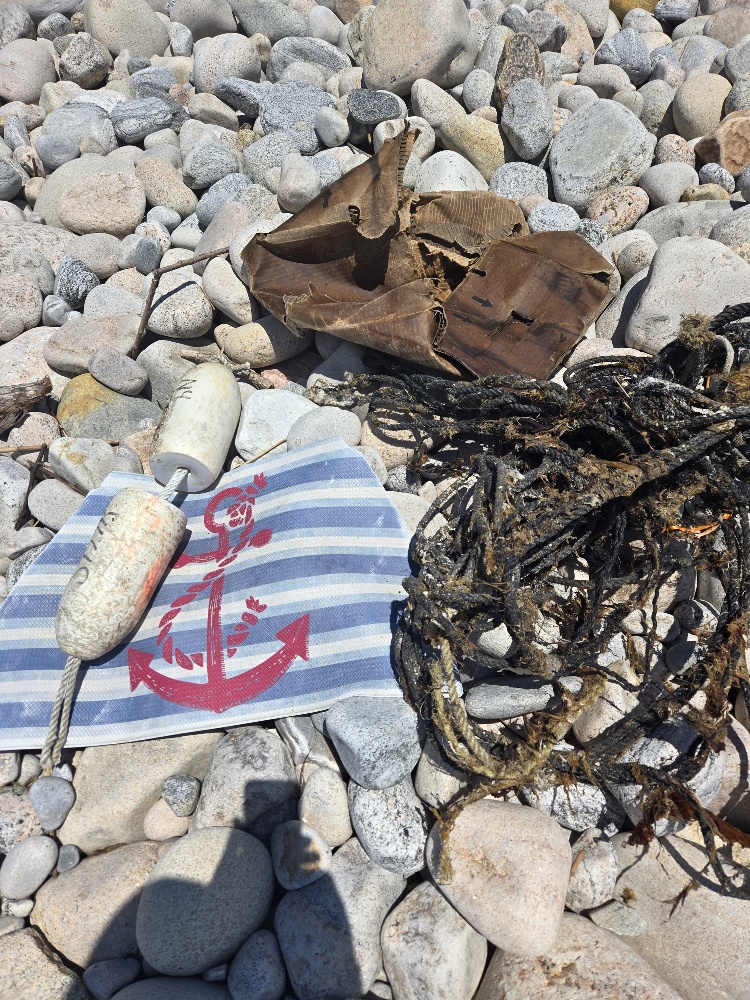
View the Marine Debris Gallery Below

June 1, 2024 20 views
Bird CountsCurrent EventsEventsFeatureNews

2024 Spring Migratory Bird Count Results

by Anna White May 14, 2024

Announcing the results of the Spring 2024 Migratory Bird Count

We are excited to share the official tally of bird species encountered during our annual bird count, along with the “running count” that includes birds observed over the past two days. This springs birding event was remarkable, marking our most impressive count yet, with a grand total of 68 species recorded during the count. Adding the additional 8 species spotted in the running count, we reached an impressive total of 76 species! (See list of bird species below.)
Despite the chill, which might have deterred the raptors, we enjoyed a dry day with intermittent sunshine—a beautiful setting for our bird count. It’s no surprise that our most significant sightings occurred in areas rich with native flora. One highlight was the spotting of the Blue Winged Warbler. Remarkably, we hadn’t encountered one since our first watch over a decade ago, and yesterday, we were fortunate to observe three. Truly wonderful!
Bird counts play a pivotal role in understanding and preserving the rich biodiversity of our island. By documenting avian species year after year, we gain invaluable insights into the health of our island’s ecosystems, informing conservation efforts and ensuring a sustainable future for both our feathered friends and our community.

Here’s the list of species we encountered in our Spring 2024 Migratory Bird Count.

Thank you to all who participated.

Spring 2024 Bird Count
American crow
American goldfinch
American redstart
American robin
Baltimore oriole
Barn swallow
Black-capped chickadee
Brown-headed cowbird
Brown thrasher
Black-throated green warbler
Black-and-white warbler
Blackburnian warbler*
Blue-gray gnatcatcher*
Blue jay
Blue-winged warbler
Canada goose
Carolina wren
Chipping sparrow
Chimney swift
Common eider
Common grackle
Common loon*
Common yellowthroat
Chestnut-sided warbler
Double-crested cormorant
Downy woodpecker
Eastern kingbird
Eastern towhee
European starling
Fish crow*
Greater black-backed gull
Great blue heron
Great-crested flycatcher
Gray catbird
Great egret
Greater yellowlegs
Herring gull
House finch
Hooded merganser
House sparrow
House wren
Killdeer
Laughing gull*
Least tern
Mallard
Magnolia warbler
Mourning dove
Northern bobwhite
Northern cardinal
Northern flicker
Northern mockingbird
Northern parula
Orchard oriole
Yellow warbler
Osprey
Ovenbird
Pine warbler
Red-bellied woodpecker
Red-winged blackbird
Red-eyed vireo
Ring-necked pheasant
Ruby-crowned kinglet
Ruby-throated hummingbird*
Ruddy turnstone
Saltmarsh sparrow*
Song sparrow
Swainson's thrush*
Tree swallow
Tufted titmouse
Veery
White-eyed vireo
Woodthrush
White-throated sparrow
Yellow warbler
Yellow-bellied sapsucker
Yellow-rumped warbler*

May 14, 2024 13 views
Newer Posts
Older Posts

Upcoming Events

Notice
There are no upcoming events.

Keep in touch

Facebook Instagram Youtube

Recent Posts

  • What to Do if You Find a Stranded Animal

  • Update on Phragmites Work and New Wetlands Regulations

  • SPOTTED in New London!

  • 2025 Fall Migratory Bird Count Results

  • Fall 2025 Migratory Bird Count

  • FIRST Summer Highlights 2025

  • Shorebirds Take Flight- The 2025 Season Wrap-Up

  • Buzz Be Gone- Final Spray of the Season

  • Silver Eel–Race Point Coastal Trail Opens with Dedication to Janet Harvey

  • August Shorebird Update

Explore

    • Home
    • Who We Are
    • What We Do
    • How To Help
    • News
    • Events

Connect

    • Join Us
    • Donate
    • Contact Us
Facebook Instagram Youtube
© 2026 All Right Reserved. Fishers Island Conservancy
Fishers Island Conservancy
  • Home
  • Who We Are
    • Our Mission
    • Our History
    • Our People
    • Contact Us
  • What We Do
    • Shorebird Monitoring
    • Annual Bird Counts
    • Marine Debris Clean Up
    • Island Sentinels
    • Research and Survey Team
    • Grassland Restoration
    • Mosquito Control
    • Invasive Plant Management
  • How To Help
    • Donate
    • Join Us
  • News
  • Events
    • Calendar