Fishers Island Conservancy
  • Home
  • Who We Are
    • Our Mission
    • Our History
    • Our People
    • Contact Us
  • What We Do
    • Shorebird Monitoring
    • Annual Bird Counts
    • Marine Debris Clean Up
    • Island Sentinels
    • Research and Survey Team
    • Grassland Restoration
    • Mosquito Control
    • Invasive Plant Management
  • How To Help
    • Donate
    • Join Us
  • News
  • Events
    • Calendar
Thursday, April 30, 2026
Fishers Island Conservancy
  • Home
  • Who We Are
    • Our Mission
    • Our History
    • Our People
    • Contact Us
  • What We Do
    • Shorebird Monitoring
    • Annual Bird Counts
    • Marine Debris Clean Up
    • Island Sentinels
    • Research and Survey Team
    • Grassland Restoration
    • Mosquito Control
    • Invasive Plant Management
  • How To Help
    • Donate
    • Join Us
  • News
  • Events
    • Calendar
Fishers Island Conservancy
  • Home
  • Who We Are
    • Our Mission
    • Our History
    • Our People
    • Contact Us
  • What We Do
    • Shorebird Monitoring
    • Annual Bird Counts
    • Marine Debris Clean Up
    • Island Sentinels
    • Research and Survey Team
    • Grassland Restoration
    • Mosquito Control
    • Invasive Plant Management
  • How To Help
    • Donate
    • Join Us
  • News
  • Events
    • Calendar
Copyright 2026 - All Right Reserved
President's Message

President’s Message: 2017

by fic0n5erv April 6, 2017

President’s Message: 2017

For over 25 years the Fishers Island Conservancy has witnessed extraordinary changes in environmental awareness and appreciation for nature’s diversity on our special island.

Tom Sargent

On this website we want to address past and present environmental concerns, as well as to invite all visitors and islanders to support our membership and our on-going programs.

Our mission has continued to evolve since we were founded in 1985. Our goal is to work in partnership with residents, businesses, non-profit organizations and the government to preserve, enrich and enhance the natural resources of Fishers Island and its surrounding waters. We help identify, advocate, educate and provide solutions to environmental problems that threaten these ecosystems while recognizing the recreational and practical needs of our inhabitants.

The continued success of these programs and our ability to meet future conservation concerns is made possible because of your interest and financial support. For this we are grateful and we thank you. We welcome your comments.

For the Conservancy,
Tom Sargent, President
April 6, 2017 34 views
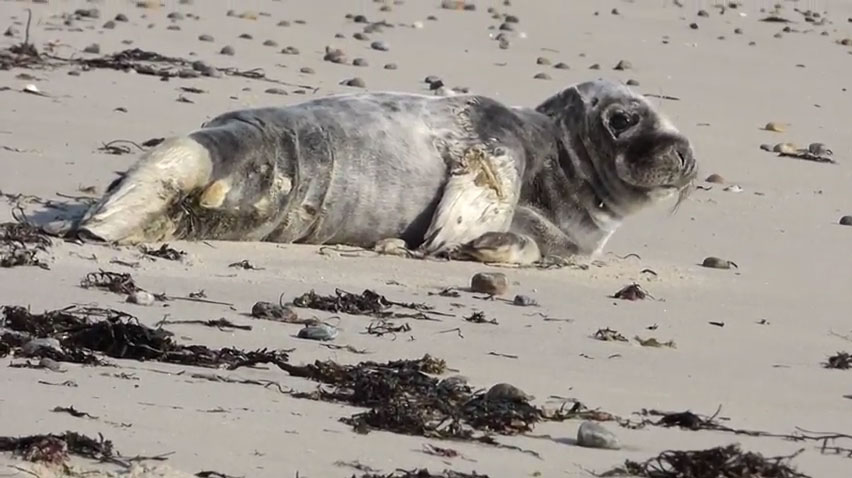
Stranded Gray Seal Pup
From the FieldVideo Snippets

Stranded Gray Seal Pup

by fic0n5erv January 22, 2017

Stranded Gray Seal Pup on Sanctuary of Sands

Young Gray Seal pup discovered Jan 22, 2017 on Southside Fishers Island parallel to Elizabeth Field airport. Monitored, with wounds photo documented, along with Community effort, disembarked across the Sound via ferry to the Mystic Aquarium for rehabilitation and hopefully release soon!

– A Snippet from The Field by Justine Kibbe January 22, 2017.

January 22, 2017 25 views
Audio ClipsFrom the Field

Tribe & Atukan Akun Update January 2017

by fic0n5erv January 2, 2017
https://www.ficonservancy.org/wp-content/uploads/2018/04/Tribe_AtukanAkun_Update_Jan2017.mp3

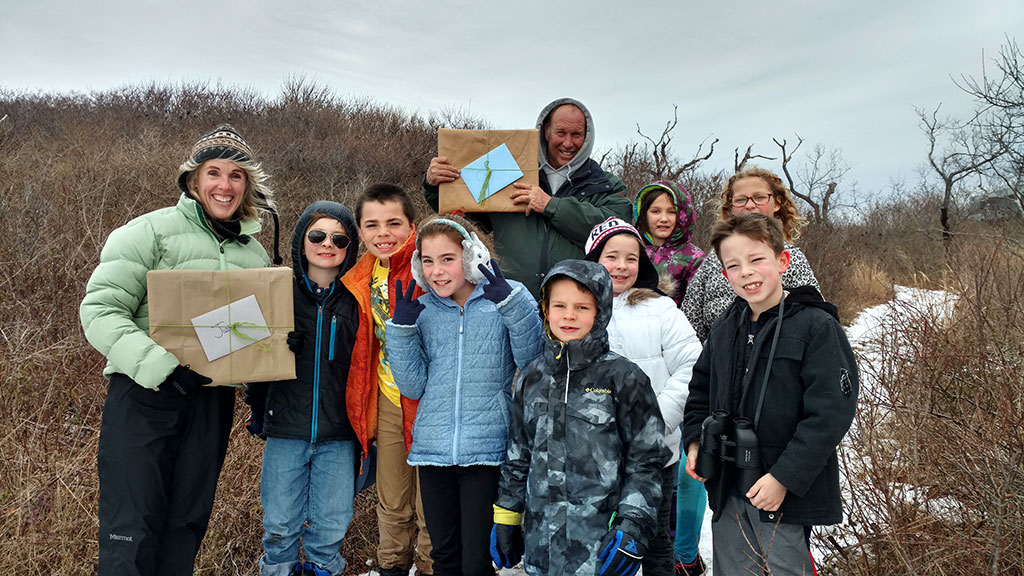
Students out in the field observe the rhythm of nature on Fishers Island.

–  Justine Kibbe with FI School Teacher Jen Burns

January 2, 2017 31 views
Island Sentinels
Island SentinelsSentinel Archives

2015-16 Sentinels

by fic0n5erv September 11, 2016
Island Sentinels

2015-16 Island Sentinels (l-r) Conor Wakeman and Gardner Thors, with FIConservancy Naturalist and creator of the Sentinels program, Justine Kibbe.

September 11, 2016 37 views
moth
FI MothsHabitatPhoto Gallery

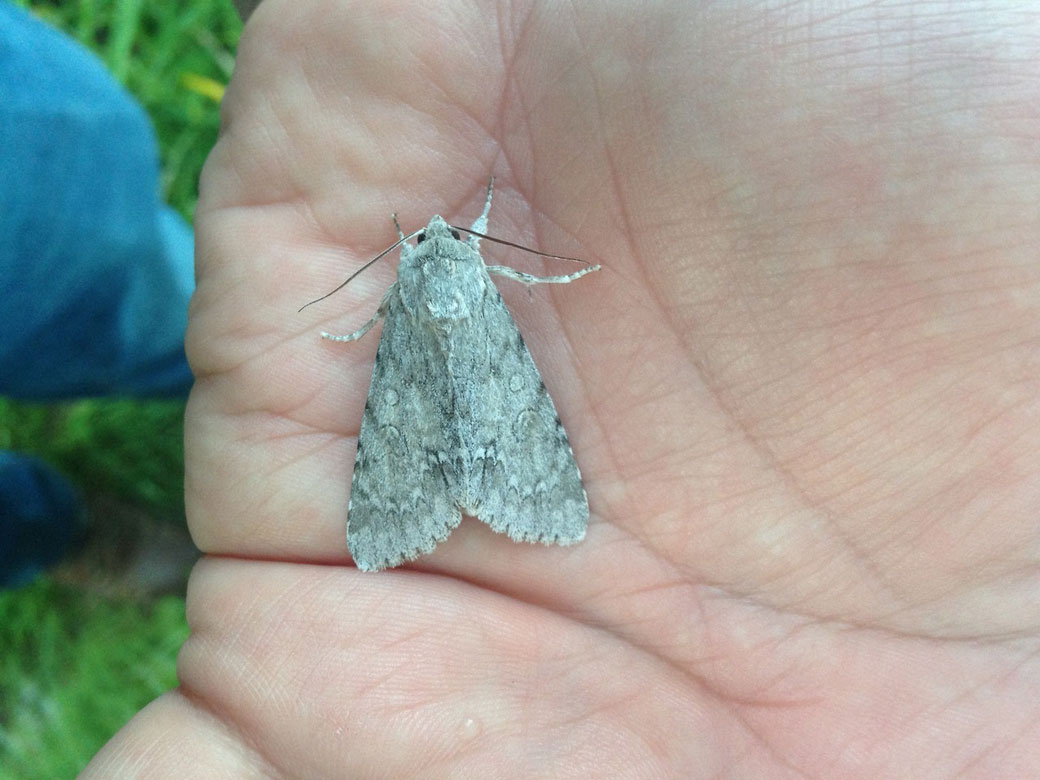
American Dagger Moth

by Betty Ann Rubinow August 25, 2016

moth

Common Name: American Dagger moth, Fishers Island, NY, June 2017.

Scientific Name: Acronicta Americana

Season: One generation in the Northeast. Adults in early summer, with caterpillars from July into the fall.

Food: Ash, elm, hickory, maple oak, poplar, willow.

Ecology: A forest moth, American dagger caterpillars can be found feeding on many deciduous trees. The caterpillars are covered in yellow tufts of hair that can cause irritation to the skin in some people.

Adam Mitchell Photo

August 25, 2016 36 views
moth
FI Moths

Angulose Prominent Moth

by Betty Ann Rubinow August 20, 2016

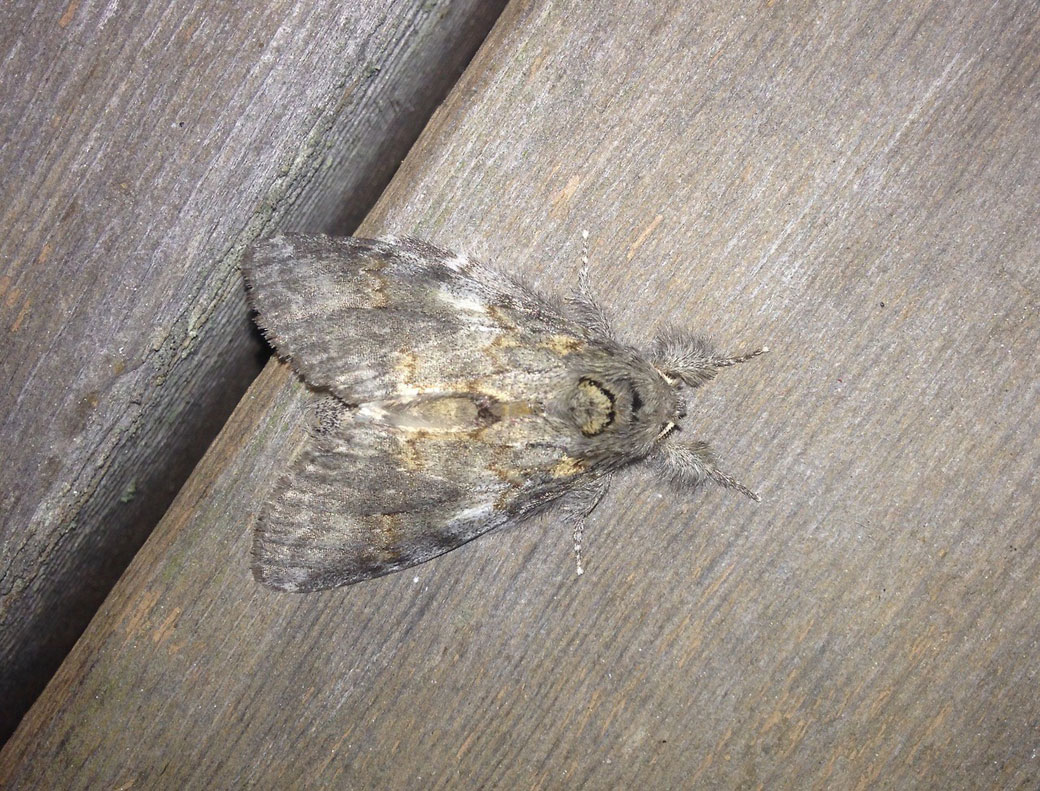
mothCommon name: Angulose prominent, Fishers island NY, June 2017.

Scientific name: Peridea angulosa

Season: Two generations in the Northeast. Adults, late spring into June, and again in late summer. Caterpillars through summer and late into fall. Caterpillars overwinter as pupae and seek out sites to pupate when the leaves fall.

Food: Exclusively, species of oak.

Ecology: Caterpillars of the angulose prominent are specialist feeders, meaning they can only feed on one or two species of plants to grow and develop. When disturbed, the caterpillars coil up like snakes, although they are completely harmless.

Adam Mitchell Photo

August 20, 2016 37 views
Banded tussock moth
FI Moths

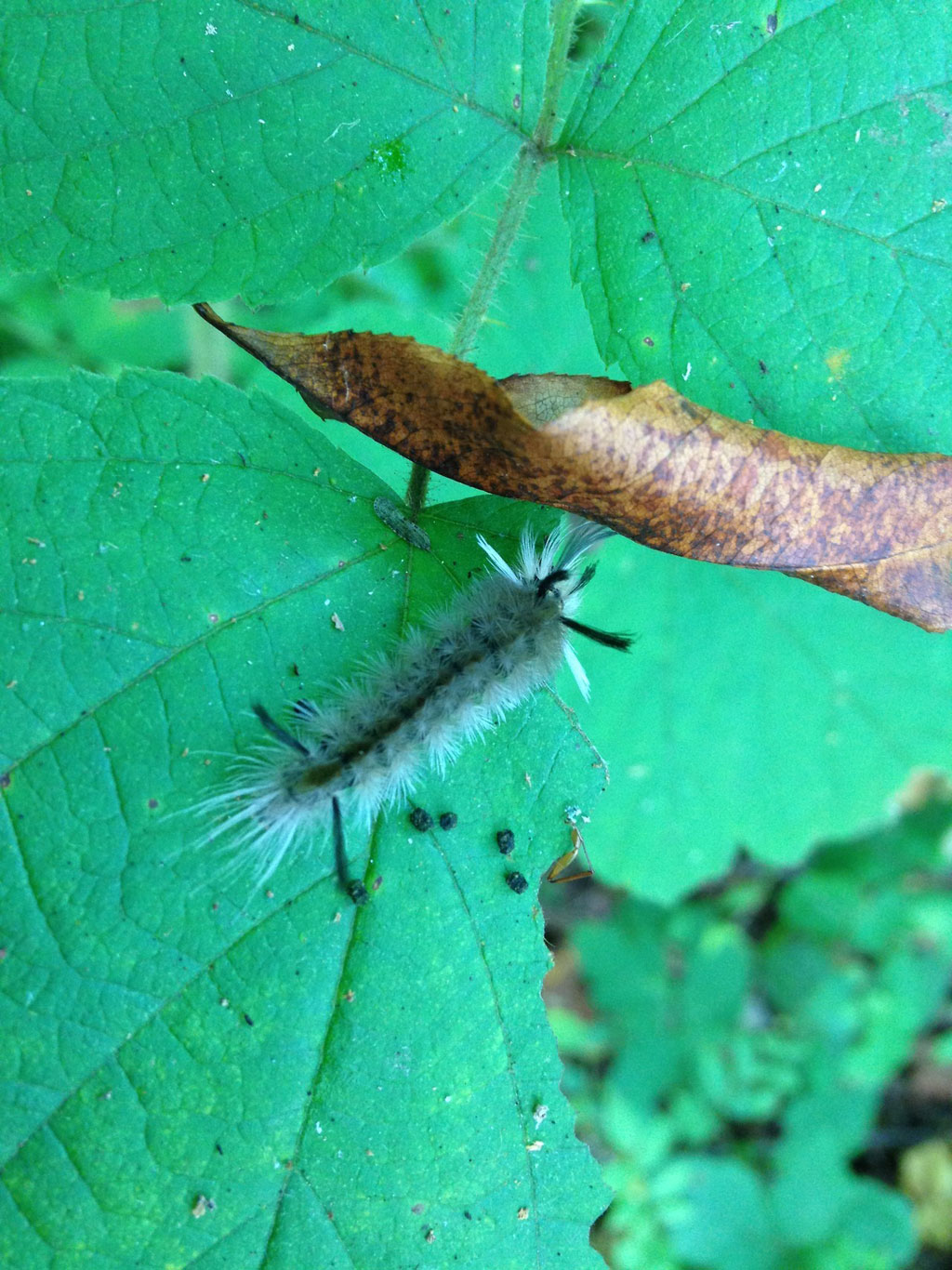
Banded Tussock Moth Caterpillar

by Betty Ann Rubinow August 15, 2016

Banded tussock moth

Common name: Banded tussock moth, Fishers Island NY, June 2017

Scientific name: Halysidota tessellaris

Season: One generation in the Northeast, although caterpillars and adults are active throughout the summer and fall.

Food: You can find these guys in the summer on just about any tree or shrub in the forest.

Ecology: The species name for the moth (tessellaris) stands for “little square stone” in Latin (rough), which refers to the blocky pattern on the moth’s wing. As a caterpillar, it is covered in tufts of hair that makes it unattractive as a food item for birds (although the birds don’t mind eating the adults!). Picture of  caterpillar is from Newark DE, August 2014.

August 15, 2016 43 views
moth
FI Moths

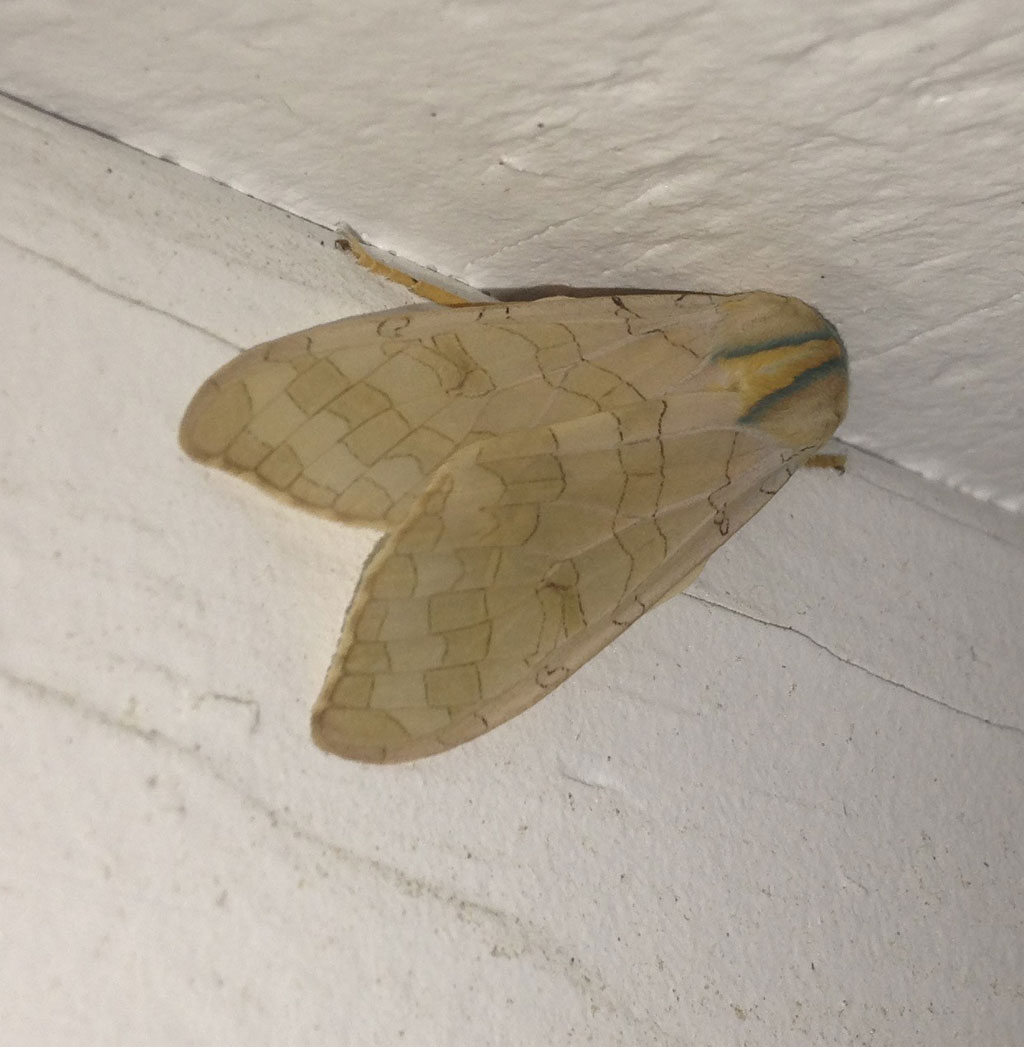
Banded Tussock Moth

by Betty Ann Rubinow August 10, 2016

moth

Common name: Banded tussock moth, Fishers Island NY, June 2017

Scientific name: Halysidota tessellaris

Season: One generation in the Northeast, although caterpillars and adults are active throughout the summer and fall.

Food: You can find these guys in the summer on just about any tree or shrub in the forest.

Ecology: The species name for the moth (tessellaris) stands for “little square stone” in Latin (rough), which refers to the blocky pattern on the moth’s wing. As a caterpillar, it is covered in tufts of hair that makes it unattractive as a food item for birds (although the birds don’t mind eating the adults!). Picture of  caterpillar is from Newark DE, August 2014.

August 10, 2016 49 views
moth
FI Moths

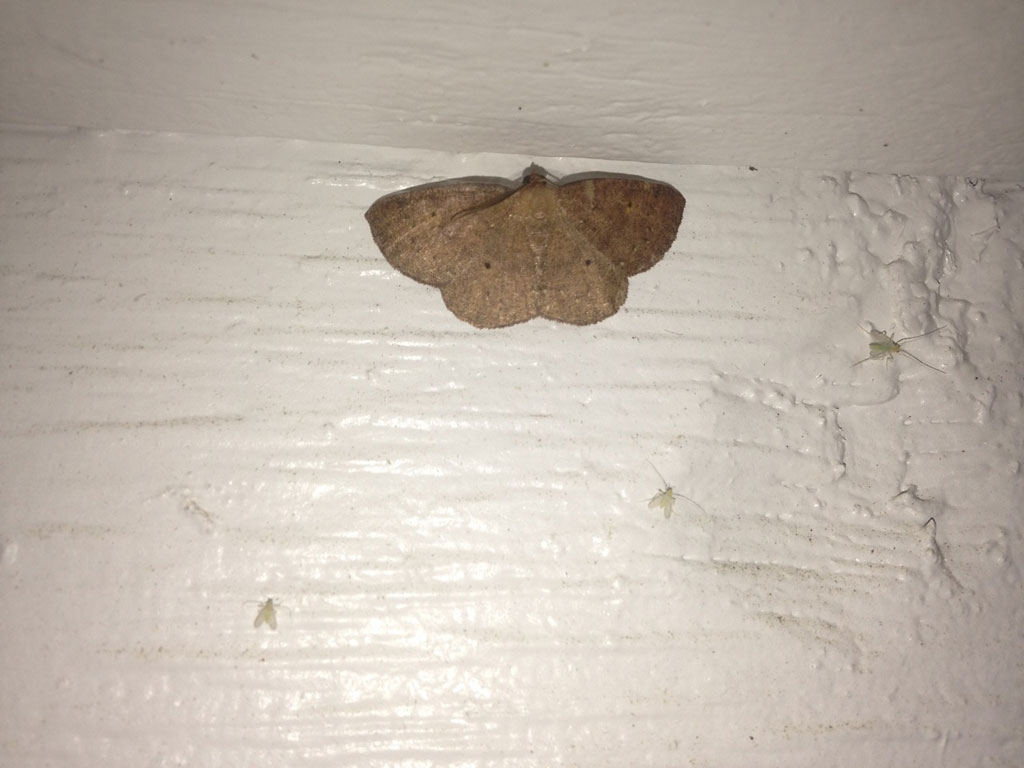
Black-dotted Ruddy

by Betty Ann Rubinow August 5, 2016

moth

Common name: Black-dotted ruddy, Fishers Island, NY, June 2017.

Scientific name: Ilecta intractata

Food: As caterpillars, black-dotted ruddy moths are specialist feeders, meaning they can feed on only one or two kinds of plants in order to grow and develop. Black-dotted ruddy moths feed on American holly trees, and can be a common inchworm in suburban environments where holly trees are planted.

Ecology: This species is attracted to artificial lighting, which can increase predation risk, disrupt behaviors such as feeding, flight and reproduction, and interfere with dispersal among habitat patches.

August 5, 2016 38 views
moth
FI Moths

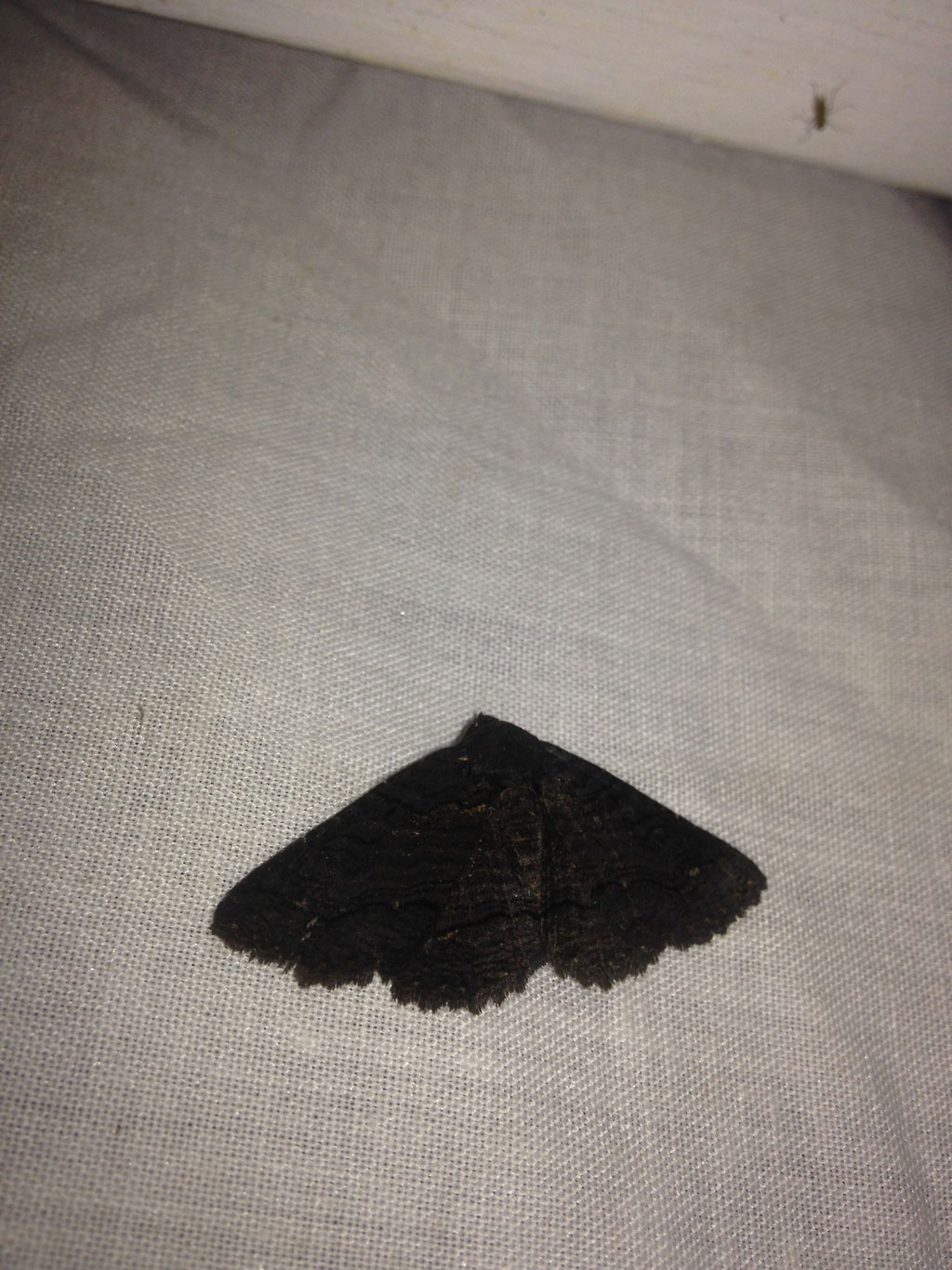
Black Zale

by Betty Ann Rubinow August 1, 2016

moth

Common name: Black zale, Fishers Island NY, June 2017

Scientific name: Zale undularis

Season: Adults start flying in the Northeast in late spring and into September. Caterpillars are common by June.

Food: The caterpillars feed exclusively on locust trees.

Ecology: This dark-colored moth is able to camouflage itself against the bark of trees, whereas its caterpillars feed on the underside of leaves to hide from predators. The caterpillars are incredibly muscular, and when alarmed, will launch themselves from leaves to avoid capture. 

August 1, 2016 50 views
Newer Posts
Older Posts

Upcoming Events

Notice
There are no upcoming events.

Keep in touch

Facebook Instagram Youtube

Recent Posts

  • What to Do if You Find a Stranded Animal

  • Update on Phragmites Work and New Wetlands Regulations

  • SPOTTED in New London!

  • 2025 Fall Migratory Bird Count Results

  • Fall 2025 Migratory Bird Count

  • FIRST Summer Highlights 2025

  • Shorebirds Take Flight- The 2025 Season Wrap-Up

  • Buzz Be Gone- Final Spray of the Season

  • Silver Eel–Race Point Coastal Trail Opens with Dedication to Janet Harvey

  • August Shorebird Update

Explore

    • Home
    • Who We Are
    • What We Do
    • How To Help
    • News
    • Events

Connect

    • Join Us
    • Donate
    • Contact Us
Facebook Instagram Youtube
© 2026 All Right Reserved. Fishers Island Conservancy
Fishers Island Conservancy
  • Home
  • Who We Are
    • Our Mission
    • Our History
    • Our People
    • Contact Us
  • What We Do
    • Shorebird Monitoring
    • Annual Bird Counts
    • Marine Debris Clean Up
    • Island Sentinels
    • Research and Survey Team
    • Grassland Restoration
    • Mosquito Control
    • Invasive Plant Management
  • How To Help
    • Donate
    • Join Us
  • News
  • Events
    • Calendar