Fishers Island Conservancy
  • Home
  • Who We Are
    • Our Mission
    • Our History
    • Our People
    • Contact Us
  • What We Do
    • Shorebird Monitoring
    • Annual Bird Counts
    • Marine Debris Clean Up
    • Island Sentinels
    • Research and Survey Team
    • Grassland Restoration
    • Mosquito Control
    • Invasive Plant Management
  • How To Help
    • Donate
    • Join Us
  • News
  • Events
    • Calendar
Thursday, April 30, 2026
Fishers Island Conservancy
  • Home
  • Who We Are
    • Our Mission
    • Our History
    • Our People
    • Contact Us
  • What We Do
    • Shorebird Monitoring
    • Annual Bird Counts
    • Marine Debris Clean Up
    • Island Sentinels
    • Research and Survey Team
    • Grassland Restoration
    • Mosquito Control
    • Invasive Plant Management
  • How To Help
    • Donate
    • Join Us
  • News
  • Events
    • Calendar
Fishers Island Conservancy
  • Home
  • Who We Are
    • Our Mission
    • Our History
    • Our People
    • Contact Us
  • What We Do
    • Shorebird Monitoring
    • Annual Bird Counts
    • Marine Debris Clean Up
    • Island Sentinels
    • Research and Survey Team
    • Grassland Restoration
    • Mosquito Control
    • Invasive Plant Management
  • How To Help
    • Donate
    • Join Us
  • News
  • Events
    • Calendar
Copyright 2026 - All Right Reserved
Bird CountsNews

Record Number of Birds Sighted in 2019 Spring Migration Bird Count: 56 Species

by Betty Ann Rubinow May 25, 2019

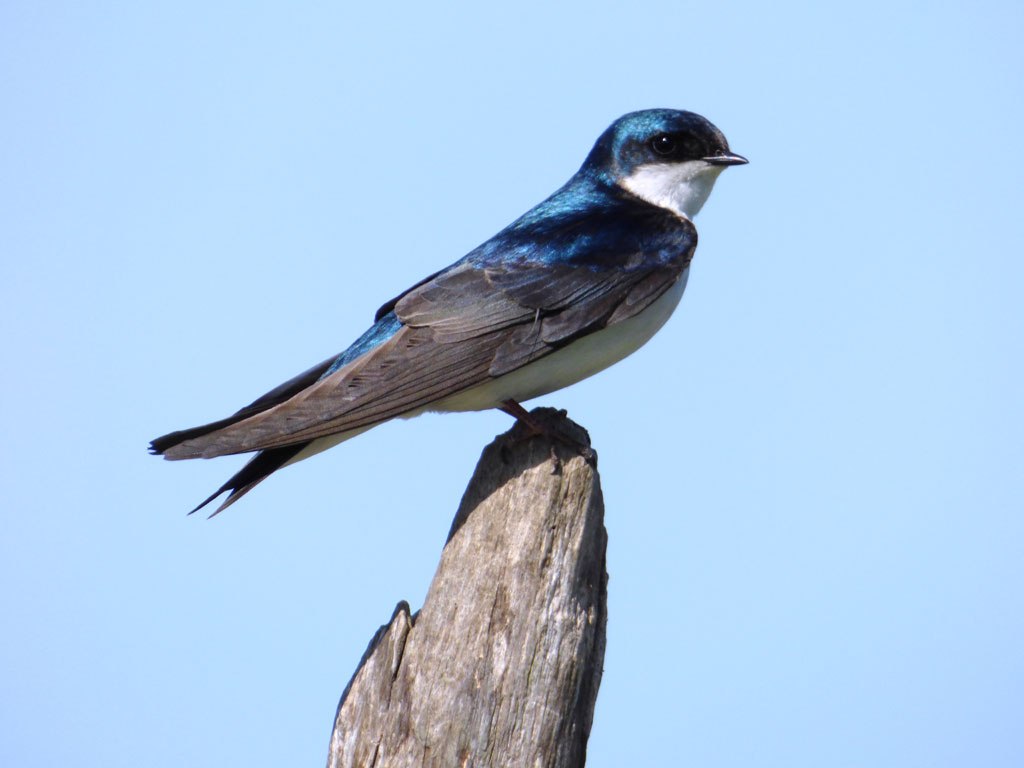
Tree Swallow. Justine Kibbe Photo

FIConservancy’s 2019 Spring Migration Bird Count took place Sun. May 19 under sunny skies. Eleven bird-watching enthusiasts traveled the Island from end to end, noting 56 species, which surpasses 2018’s record 55 observations.

Entomologist Adam Mitchell, Ph.D.*, along with the University of Delaware team of Emily Baisden and Will Aleida led the bird count. Dr. Mitchell provided a quick summary of this year’s findings:

“We had a very successful count, in spite of this spring’s weather, which was colder and wetter than usual. We observed 56 species of birds, beating last year’s spring migration count of 55 for the highest number of species reported.

“The count started strong with 11 participants heading down to Race Point, where we observed a flock of about 20 blue jays and yellow warblers among common yellowthroats foraging in the scrub for food. A red-tailed hawk sat patiently atop the Parade Grounds’ black gum tree while we proceeded with our count.

“Our second-to-last stop near the Fishers Island Club golf course provided us with a bird count first: a yellow-billed cuckoo. We also found a breeding pair of American redstarts and their nest, suggesting that some of the birds we encountered will be sticking around for the summer.

“Despite the good news, the unusual weather patterns this year led to a decrease in available habitat for many of our migrants. Colder temperatures delayed plants from ‘greening up’ (sprouting leaves), which in turn delayed the presence plant-feeding insects, an essential food source for songbirds.

“Birders have reported large congregations of birds at bird feeders, or feeding on fallow crops, to supplement the lack of food. Even though this year’s spring migration count was later than usual, many of the trees we observed were just beginning to leaf out, and the cherry trees were still in bloom.

“As we move into summer, things should return to normal, but it will be interesting to see how the birds on Fishers Island respond to this delay later in the season.”
Species Recorded for Spring 2019:
American crow
American goldfinch
American redstart
American robin
Baltimore Oriole
Barn swallow
Belted kingfisher
Black-capped chickadee
Black-throated green warbler
Blue jay
Blue-winged warbler
Brown-headed cowbird
Canada goose
Carolina wren
Cedar waxwing
Chimney swift
Chipping sparrow
Common eider
Common grackle
Common loon
Common yellowthroat
Double-crested cormorant
Eastern phoebe
Eastern towhee
European starling
Gray catbird
Great-crested flycatcher
Great egret
Greater black-backed gull
Green heron
Herring gull
House finch
House wren
Killdeer
Least tern
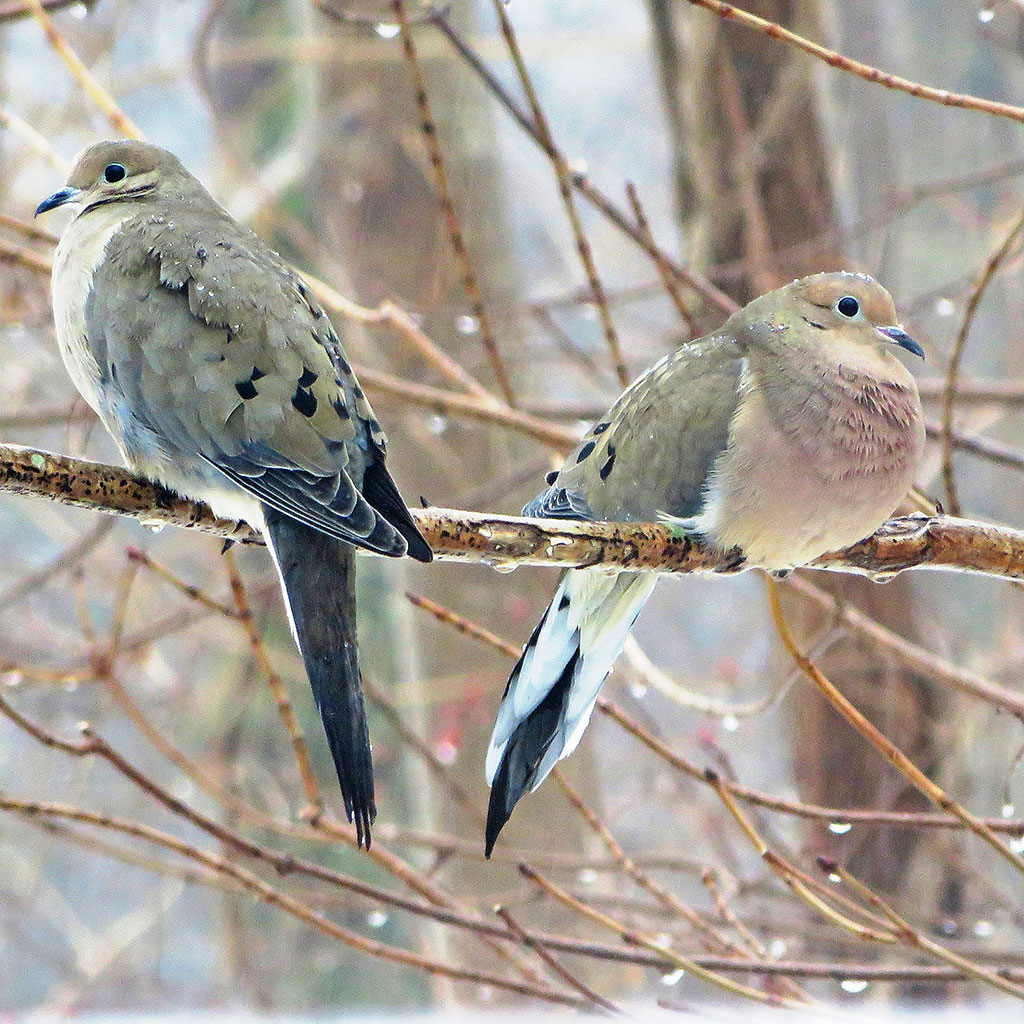
Mourning dove
Mute swan
Northern cardinal
Northern mockingbird
Northern parula
Orchard Oriole
Osprey
Red-bellied woodpecker
Red-eyed vireo
Red-tailed hawk
Redwing blackbird
Ring-necked pheasant
Song sparrow
Tree swallow
Tufted titmouse
White-breasted nuthatch
White-eyed vireo
Yellow warbler
Yellow-billed cuckoo
*Adam Mitchell, Ph.D., is Associate Wildlife Biologist, Assistant Professor of Entomology; Department of Wildlife, Sustainability, and Ecosystem Sciences; Tarleton State University, a Member of The Texas A&M University System
May 25, 2019 43 views
Field NotesFrom the Field

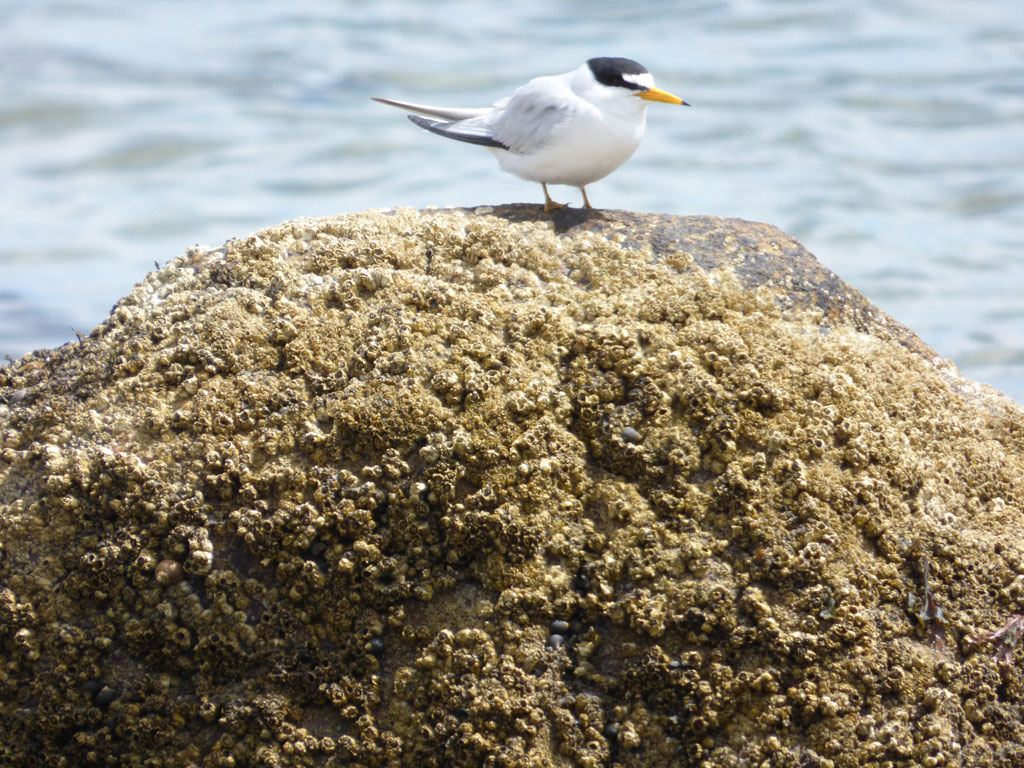
Least Tern

by Betty Ann Rubinow May 16, 2019

Sanctuary of Sands, Fishers Island.

Note the distinct yellow beak, white forehead and dark primaries (wing feathers) during this adult breeding time: March thru August.

PLEASE continue to kindly leash all “brigades” of dogs within Parade Grounds, welcoming the Least tern’s safe return to our Island.

From the Field, Field Note, Justine Kibbe, May 16, 2019

May 16, 2019 39 views
Field NotesFrom the FieldNews

Blue Jay Migration!

by Betty Ann Rubinow May 15, 2019

I’ve never seen anything like it! An actual blue jay migration!*

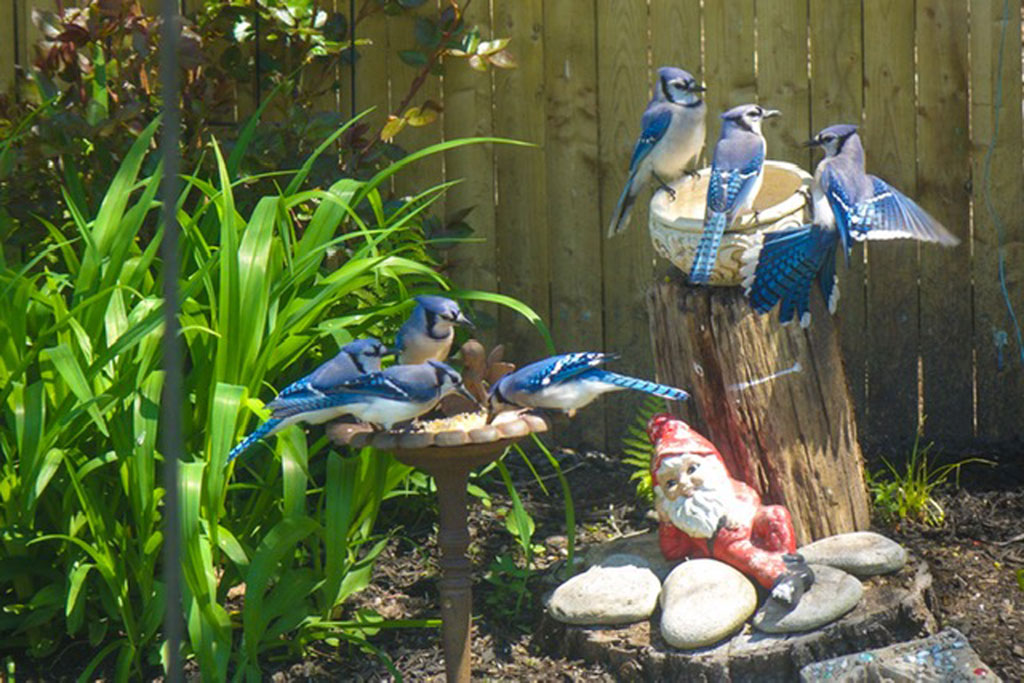
It all started Saturday May 11 at 10:45 a.m. Just a trickle at first, bright and bold Blue jays coursing over Silver Eel Cove. Then a steady stream of at least 40 noisy migrants flooded into the woods. Feathered crests bobbing on branches, their vocal cacophony swelled.

Community observations arrived shortly thereafter: Jackie Williamson up east had a dozen at her feeder by noon, and I saw another 2 dozen at 3 p.m., while bicycling to the Village Market.

Always grateful for remarks From the Field: Pierce Rafferty reported 16 Blue jays at his feeder May 14 at 6 a.m., and Marlin Bloethe captured and generously shared pictures of the initial landing.

* “A small proportion (Cornell estimates 20%) of the US blue jay population migrates south for the winter, whereas the majority of blue jays are year-round residents,” said entomologist Adam Mitchell, Ph.D.

“My guess is that storms moving northeast in early May, followed by a cold front, may have caused the jays migrating along the coastline to stopover on Fishers Island. This may be a boon for the Island in the future, as many species of bird will recall high-quality stopover sites when they migrate again. So we may want to be on the lookout for the jays next time for the fall migration.”

From the Field, Field Note, Justine Kibbe, May 15, 2019

May 15, 2019 39 views
Field NotesFrom the FieldNews

Nesting, Nesting…123!

by Betty Ann Rubinow May 7, 2019

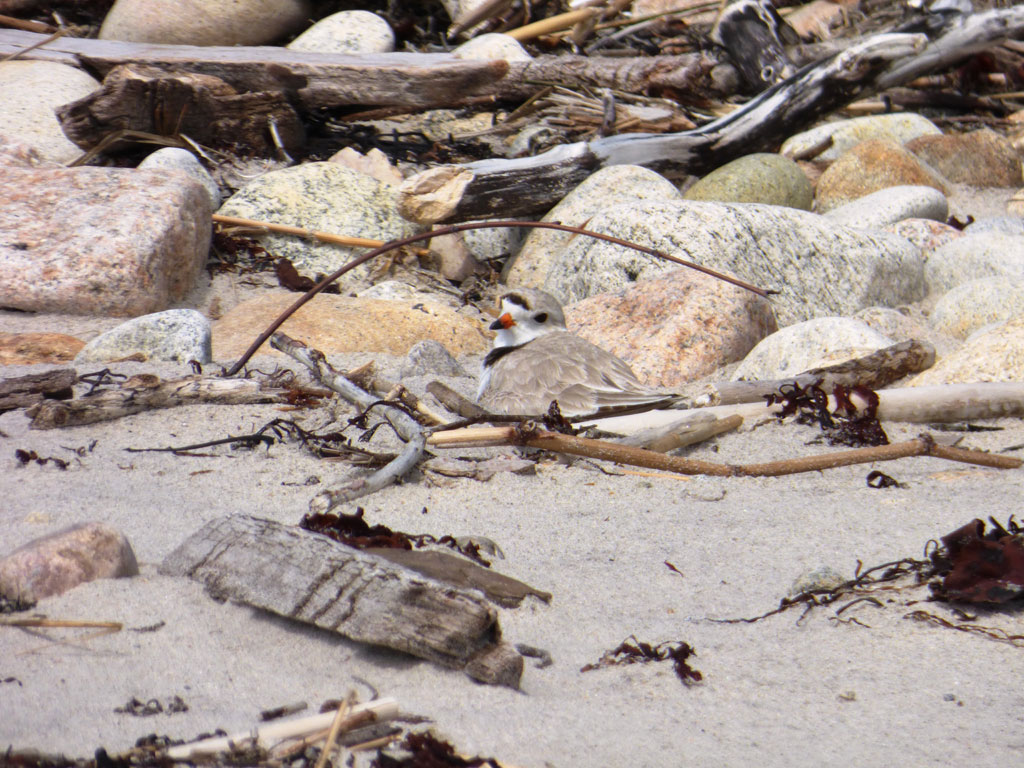
It took half an hour of scurrying around her South Beach “scrape” for this piping plover to finally settle down, because five killdeer were being pesty. There was a bit of territorial “drama”, before she returned to her—hopefully—clutch of eggs.

A piping plover pair returned to Fishers Island in early April. By early May the female was nesting on her “scrape” in the Sanctuary of Sands area of South Beach. Sandy-colored feathers help her to disappear into the background, particularly important since piping plovers are a “threatened” species.

There are fewer than 2000 pairs of piping plovers on the Atlantic Coast. Support our precious wildlife. Kindly continue to leash all dogs.

Sanctuary of Sands, West End, Fishers Island.

From the Field, Field Note, Justine Kibbe, May 7, 2019

May 7, 2019 36 views
News

Unusual Visitor!

by Betty Ann Rubinow May 5, 2019

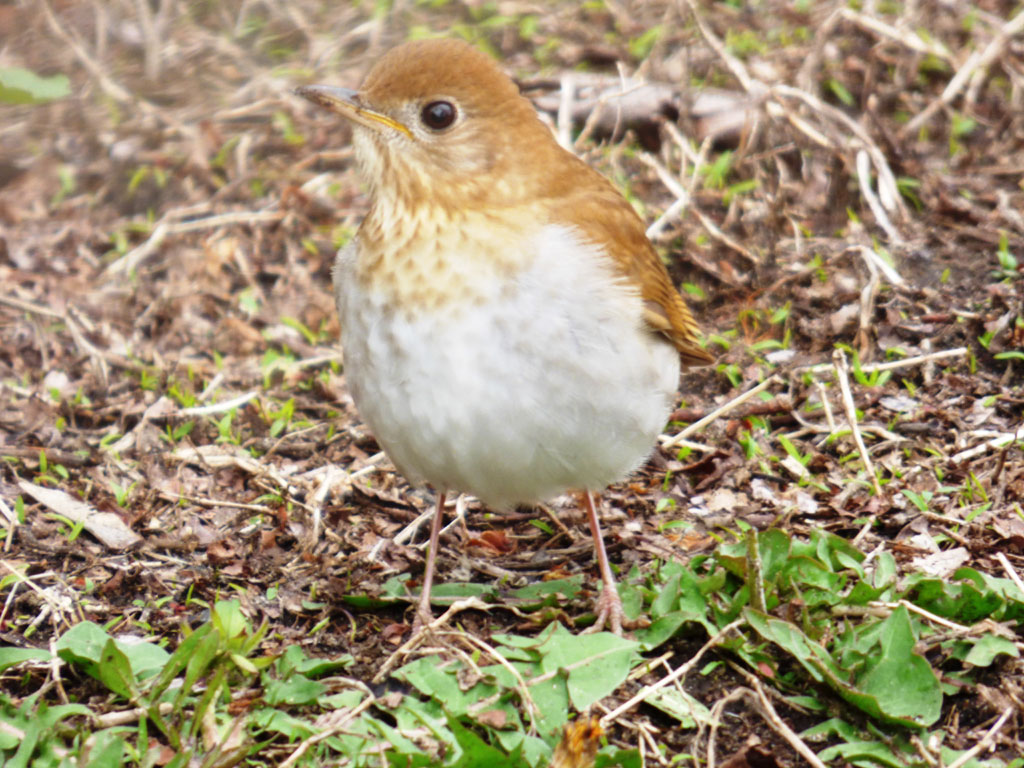
A rare sighting on Fishers Island: the veery, a small North American thrush. FIConservancy naturalist Justine Kibbe caught this image of the veery, May 3, when it hopped toward her near Silver Eel Pond.

FIConservancy President Tom Sargent said the veery has never been counted in FIConservancy’s annual Bird Migration Count (scheduled for Sun. May 19), but thinks he heard the bird’s melodic song a few years ago.

The veery prefers moist leafy woods and forages mostly by hopping about on the ground or in low vegetation to take insects from foliage. It hovers and takes short flights to catch insects in mid-air and also feeds on berries found in shrubs and trees.

According to Audubon’s, Guide to North American Birds, one place veeries like to breed is in damp areas near beaver wetlands. See pictures of beaver sighting on Fishers. The veery winters in central and southern Brazil.

Justine Kibbe Photo

May 5, 2019 35 views
Field NotesFrom the Field

Veery Lovely

by Betty Ann Rubinow May 5, 2019

This is the time of year when I always look forward to the Conservancy’s Spring Migration Bird Count (May 19). A point to point, west to east survey of all the unique bird species Fishers Island habitat attracts and welcomes “home” each season.

I’ve learned so much touring the Parade Grounds with Dr. Adam Mitchell (entomologist) and the birding team. I’ve asked tons of questions about insects, birds and habitat, all of which have helped me “discover” the Island as a Naturalist.

Yesterday, I was heading out the door with camera in hand, trying to catch up with Barred owl’s evening hoots, when I was met by this inquisitive, woodsy visitor all plump and puffed with cinnamon down. This lovely bird was unfamiliar to me; so I was equally curious…

The bird is a veery: a small forest thrush whose name denotes its ethereal and reedy song “vrdi vrreed vreed vreer vreer”.

From the Field, Field Note, Justine Kibbe, May 5, 2019

May 5, 2019 34 views
EventsNews

2019 Spring Migration Bird Count May 19

by Betty Ann Rubinow May 2, 2019

2019 Spring Migration Bird Count

The 2019 Spring Migration Bird Count will be Sun. May 19 at 8 a.m. Meet at the Community Center.

First, however, come to the Parade Grounds Sat. May 18 at 3 p.m. for a brief tour and a tutorial by the experts on the best way to count birds. Entomologist Adam Mitchell, Ph.D., along with the University of Delaware team of Emily Baisden and Will Aleida will lead the bird count and will be available to answer all questions about migratory birds. Justine Kibbe Photos

May 2, 2019 37 views
News

Successful 2019 Controlled Burn

by Betty Ann Rubinow May 2, 2019

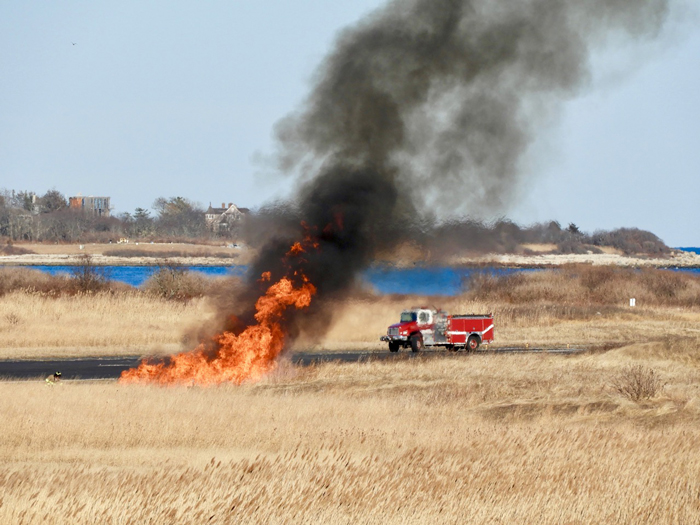
The Fishers Island Fire Department (FIFD) conducted a successful controlled burn on selected sections of the Parade Grounds and Elizabeth Airport March 26. FIConservancy relies on FIFD volunteers to coordinate their ongoing training with annual prescribed burns necessary to maintain a healthy natural habitat.

The drill began on a clear evening with moderate wind speed…

Jane T. Ahrens reporting and photo.

May 2, 2019 22 views
EducationNews

FIConservancy Awards Grant to FI School Student and Island Resident Nicolas Hall

by Betty Ann Rubinow May 1, 2019


The Fishers Island Conservancy in February awarded Fishers Island School senior Nicolas Hall, The Edwin Horning Research Grant for Environmental Conservation to study the effect of acidifying sea water on the soft shells of oysters.

The grant enabled Nicolas to purchase equipment to acidify seawater and subject developing oysters to the acidic solution. His goal is to determine the potential future of shelled organisms living in acidifying sea water.

Nicolas is fortunate to live on Fishers Island where he sought the counsel of Steve Malinowski, owner of the nationally-recognized Fishers Island Oyster Farm. “Steve is supplying my oysters,” Nicolas said. “He walked me through feeding and caring for oysters, as well as how I can quantify my results.”

Nicolas, 17, the son of Stephanie and James Hall, grew up on Fishers Island attending Fishers Island School. His love of the ocean developed through the years, but it was a 10th grade oceanography class with science teacher Carol Giles that sparked his intense interest.

“I had a lot of fun in that class. Being around water all my life, it was natural that I would go into a field based on it,” Nicolas said. He will attend Dalhousie University in Halifax, Nova Scotia this fall, where he will study oceanography.

May 1, 2019 33 views
News

Tent Caterpillars

by Betty Ann Rubinow May 1, 2019

Tent Caterpillars!

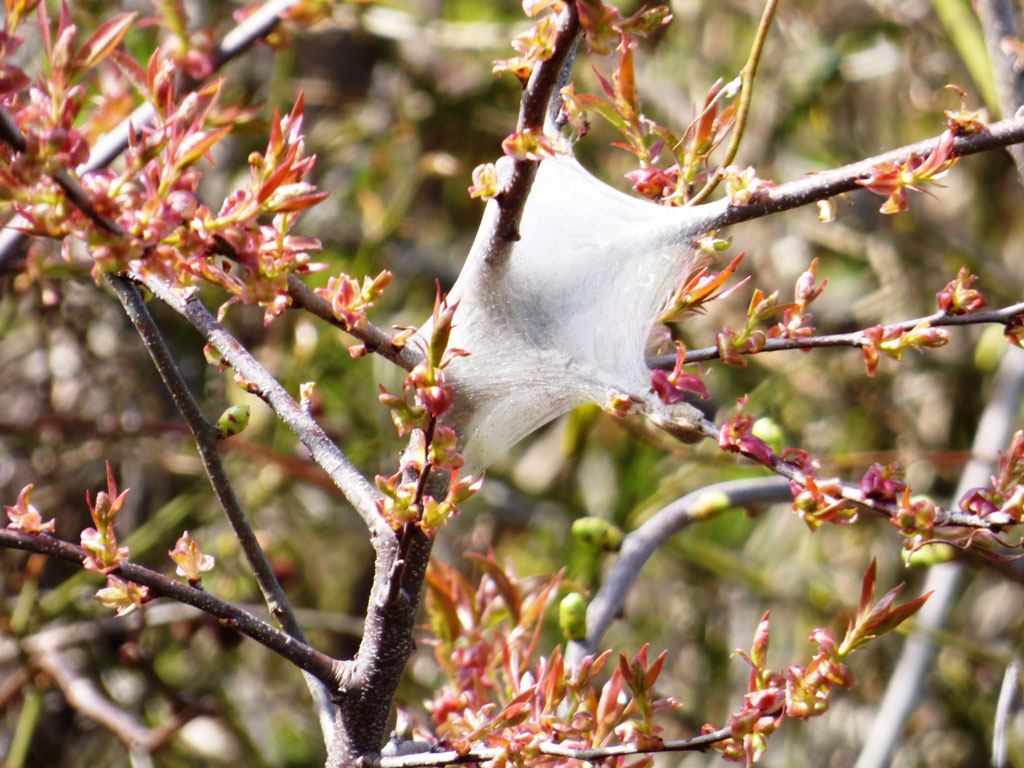
(left) Eastern tent caterpillar moth nest. Justine Kibbe Photo. (right) Eastern tent caterpillar moth. (Doug Tallamy Photo)

Silk nests of the eastern tent caterpillar (Malacosoma americana) began showing up on South Beach Road in late April. Not to worry! Contrary to popular belief, these nests will not kill trees, plus they provide food for bluejays, orioles, chickadees and nuthatches.

“I wouldn’t be concerned about the eastern tent caterpillar,” said entomologist Adam B. Mitchell, Ph.D. “These are native species feeding on native plants (mostly cherry trees). The caterpillars, in turn, provide food for breeding birds.

“Tent caterpillars can defoliate young trees, especially ornamentals, but native trees will recover within a month—just  part of the natural process!”

Eastern tent caterpillars form a silken nest (or tent) in the crotch of tree branches, where they rest and molt. They leave the nest during each bout of feeding to “scout” for leaves to feed on, dragging a trail of silk behind them that other caterpillars will follow. They move to new feeding sites en masse, feed, and then return immediately to the tent, where they rest until the next feeding.

Approximately six weeks after hatching, the larva become fully grown, up to two inches long. They leave the nest to pupate in silken cocoons that are found on tree trunks, fences or leaf litter. About two weeks later adult moths emerge and soon deposit the overwintering eggs on trees.

The eastern tent caterpillar moth overwinters as an egg, usually in a spongy mass of 150-400 eggs. These egg masses are covered with a shiny black material that helps protect the eggs during the winter months. Once spring arrives, the larvae hatch about the same time cherry tree buds open, and the trees begin to produce young leaves, required for larval development. Also, the position of the tent is critical because these caterpillars must bask in the sun to elevate their temperatures to aid digestion.

May 1, 2019 45 views
Newer Posts
Older Posts

Upcoming Events

Notice
There are no upcoming events.

Keep in touch

Facebook Instagram Youtube

Recent Posts

  • What to Do if You Find a Stranded Animal

  • Update on Phragmites Work and New Wetlands Regulations

  • SPOTTED in New London!

  • 2025 Fall Migratory Bird Count Results

  • Fall 2025 Migratory Bird Count

  • FIRST Summer Highlights 2025

  • Shorebirds Take Flight- The 2025 Season Wrap-Up

  • Buzz Be Gone- Final Spray of the Season

  • Silver Eel–Race Point Coastal Trail Opens with Dedication to Janet Harvey

  • August Shorebird Update

Explore

    • Home
    • Who We Are
    • What We Do
    • How To Help
    • News
    • Events

Connect

    • Join Us
    • Donate
    • Contact Us
Facebook Instagram Youtube
© 2026 All Right Reserved. Fishers Island Conservancy
Fishers Island Conservancy
  • Home
  • Who We Are
    • Our Mission
    • Our History
    • Our People
    • Contact Us
  • What We Do
    • Shorebird Monitoring
    • Annual Bird Counts
    • Marine Debris Clean Up
    • Island Sentinels
    • Research and Survey Team
    • Grassland Restoration
    • Mosquito Control
    • Invasive Plant Management
  • How To Help
    • Donate
    • Join Us
  • News
  • Events
    • Calendar