Fishers Island Conservancy
  • Home
  • Who We Are
    • Our Mission
    • Our History
    • Our People
    • Contact Us
  • What We Do
    • Shorebird Monitoring
    • Annual Bird Counts
    • Marine Debris Clean Up
    • Island Sentinels
    • Research and Survey Team
    • Grassland Restoration
    • Mosquito Control
    • Invasive Plant Management
  • How To Help
    • Donate
    • Join Us
  • News
  • Events
    • Calendar
Thursday, April 30, 2026
Fishers Island Conservancy
  • Home
  • Who We Are
    • Our Mission
    • Our History
    • Our People
    • Contact Us
  • What We Do
    • Shorebird Monitoring
    • Annual Bird Counts
    • Marine Debris Clean Up
    • Island Sentinels
    • Research and Survey Team
    • Grassland Restoration
    • Mosquito Control
    • Invasive Plant Management
  • How To Help
    • Donate
    • Join Us
  • News
  • Events
    • Calendar
Fishers Island Conservancy
  • Home
  • Who We Are
    • Our Mission
    • Our History
    • Our People
    • Contact Us
  • What We Do
    • Shorebird Monitoring
    • Annual Bird Counts
    • Marine Debris Clean Up
    • Island Sentinels
    • Research and Survey Team
    • Grassland Restoration
    • Mosquito Control
    • Invasive Plant Management
  • How To Help
    • Donate
    • Join Us
  • News
  • Events
    • Calendar
Copyright 2026 - All Right Reserved
News

Island Beauty by Justine Kibbe

by Betty Ann Rubinow May 1, 2019

Island Beauty by Justine Kibbe

FIConservancy Naturalist Justine Kibbe walks and bikes Fishers Island from end to end. Her pictures, captured with patience and thoughtful attention, reveal the beauty of this Island.

Read about the above images in Justine’s nature portfolio: From the Field

Clockwise from top left: Osprey, mallards, seaweed, red-tailed hawk, American bullfrog
May 1, 2019 36 views
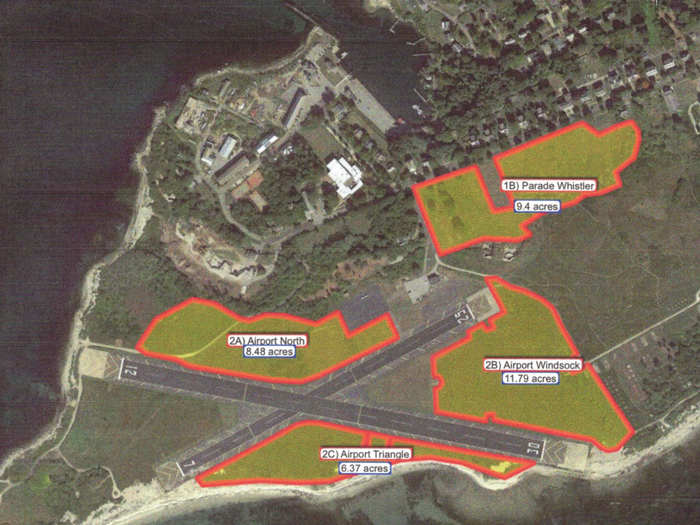
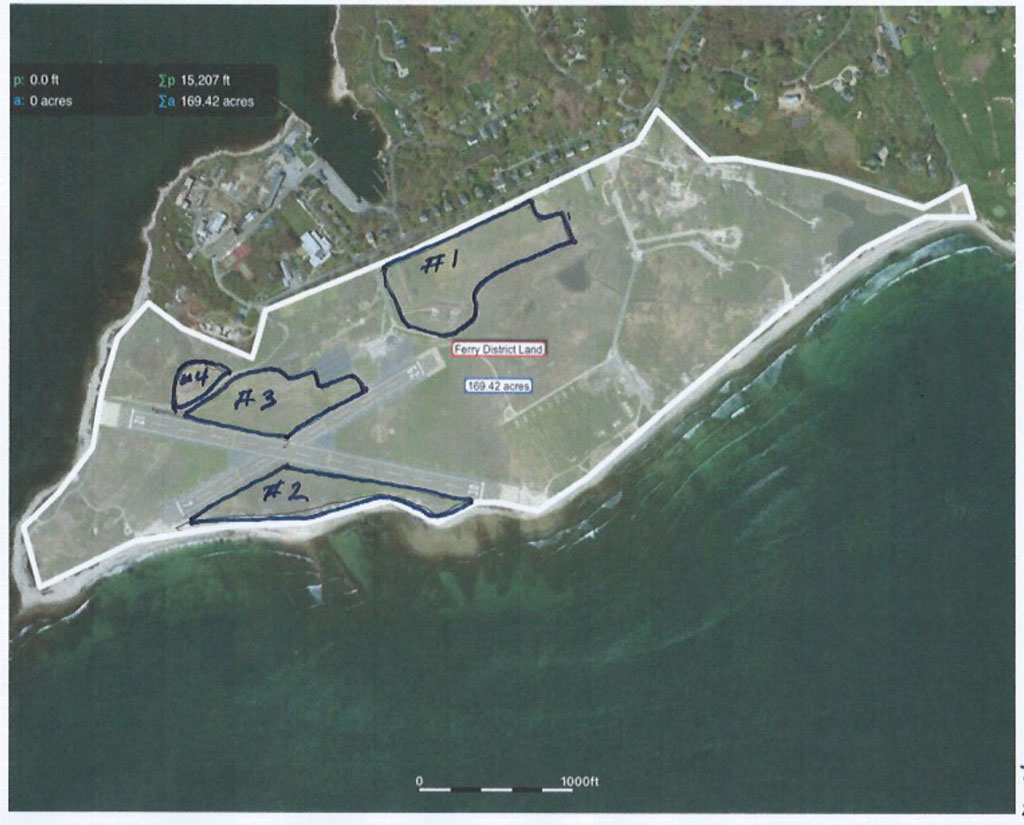
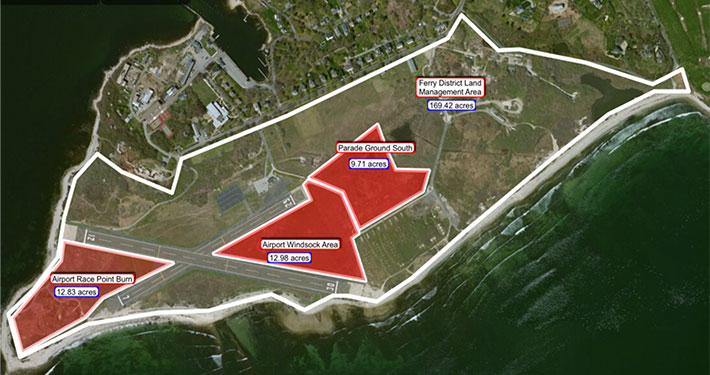
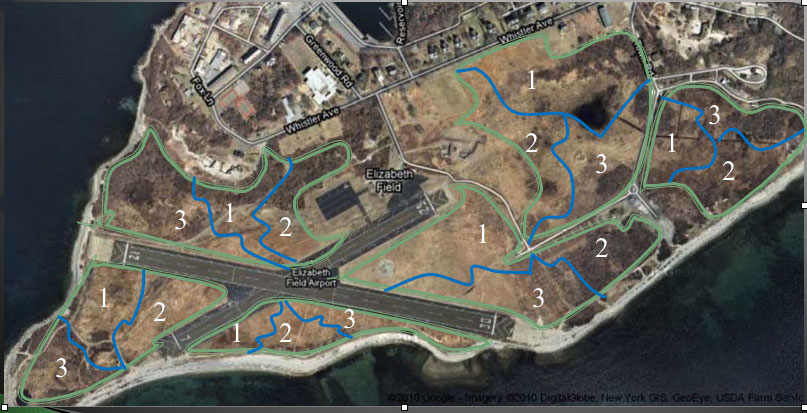
FIFerry District 2016 Burn Plan
grasslands restoration

Burn Plan Archive

by Betty Ann Rubinow May 1, 2019

2019 Fishers Island Ferry District Burn Map

FIFerry District 2016 Burn Plan

2018 Fishers Island Ferry District Burn Map


2017 Fishers Island Ferry District Burn Map

Sectioned Burn

2016 Fishers Island Ferry District Burn Map

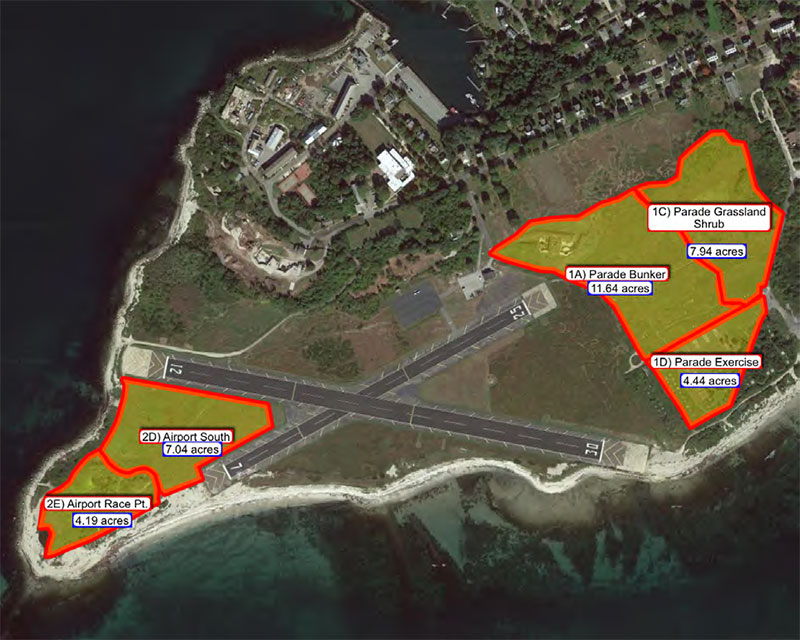
Early FI Ferry District plan for controlled burning in 175 acres of grassland restoration.

May 1, 2019 31 views
News

Beaver Believers

by Betty Ann Rubinow April 21, 2019

Beaver Believers

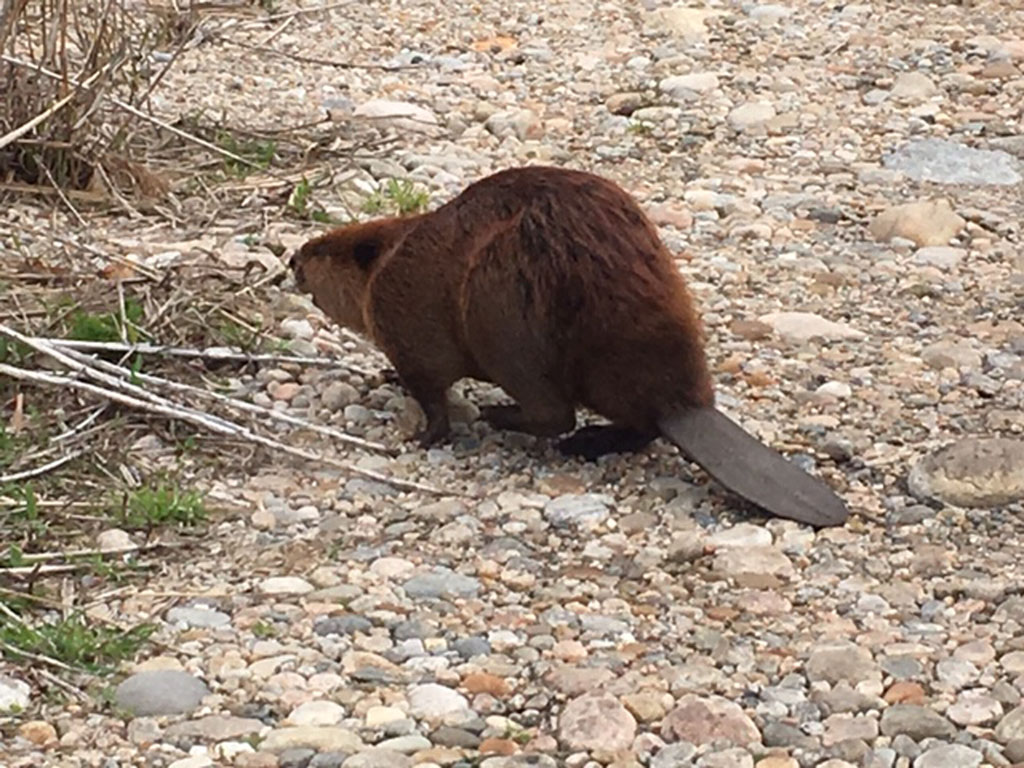
Beaver spotted near airport April 18. Stephanie Hall Photos

Multiple people reported late afternoon beaver sightings on the West End in April. The first was April 18 near the airport, and the second was April 19 at the Gatehouse. This is a good thing! Beavers are critical to the healthy ecology of streams and wetlands.

The American beaver is the largest rodent in the United States and is sometimes thought of as a nuisance in populated areas, because it fells trees (for food) and floods areas with dams (as protection from predators).

But beavers provide multiple ecological benefits: They create a diversity of wetland habitats and replace forested areas with grassy “beaver meadows” and aquatic vegetation. Beavers are also a “keystone” species, which means that they have a disproportionate positive impact on an ecosystem when compared to their numbers.

A growing coalition of “Beaver Believers”, including scientists and ranchers, are trying to restore beavers to diverse areas, from the Nevada deserts to the Scottish Highlands.

A 2018 book, Eager: The Surprising Secret Life of Beavers and Why They Matter, by Ben Goldfarb, shows how our landscapes have changed over the centuries, and how beavers can help fight drought, flooding, wildfire, extinction, and the ravages of climate change. The book is the winner of the 2019 PEN/E.O. Wilson Literary Science Writing Award.

For further information, read Beavers in Connecticut: Their Natural History and Management.

Beaver heads across road to Gatehouse April 19 and eventually down Recreational Path. (Still photo from Jim Reid video)

April 21, 2019 44 views
News

The Burn: How It’s Done

by Betty Ann Rubinow April 15, 2019

The Burn: How It’s Done

Part of 2019 planned burn Mar. 27 on Parade Grounds.

The Fishers Island Fire Department (FIFD) reported a successful planned burn Mar. 27 of 36.04 acres of restored grasslands along the airport runway and on the Parade Grounds. But what do our volunteers actually do to conduct a safe burn in specifically prescribed areas?

Don Beck, FIConservancy Board Member and Fishers Island Club golf course superintendent explains:

The fire department combines its annual training exercises with burns necessary to maintain FIConservancy’s restored grasslands. This year, it took about 20 volunteers and three fire trucks two-and-a-half hours to complete the burn. We always have an ambulance on site during the  burns.

Before the burn, we had a meeting at the fire department with Chief Bruce Hubert and Assistant Chief Jeff Edwards, who split up FIFD members into three teams, with one truck for each team.

We discussed the logistics of the burn and what everyone’s role would be. The 36.04 acres were broken down into four plots or burn units. The wind was blowing from the north, away from houses and traffic along the road, over open water, so Team 1 started the burn on the southern most plot, which abutted a sandy beach.

While the southern-most plot was burning, Team 2 used one of the fire trucks to water down lights and electrical components along the runways. Once the southern-most burn was completed, the two other teams started to back burn the two plots along both sides of the long runway. (Back burning is a method of controlling the fire, so it doesn’t spread to adjacent fields. The back burn is lit against the wind, so it burns very slowly.)

Once the back burn had created a sufficient buffer between plots, both fields were lit from the northern side, allowing both plots to burn very quickly. Once those two plots were completed, we moved everyone to the final Parade Grounds plot. The Parade Grounds was back burned, then lit from the northern side the same as the earlier plots. We finished as the sun was setting. We then re-filled the trucks at the hydrants near the post office, and everyone came back to the fire department for a warm meal cooked by John Bergquist and Aaron Lusker.

Fire is essential for the habitat of the fields. The fire burns all the duff of previous seasons’ growth and more importantly kills a lot of the invasive weed seeds. The heat from the fire warms the top inch or so of the soil making the weed seeds unviable but not harming the desired warm season grasses which root very deeply in the soil.

See 2019 prescribed burn pictures below. Tom Sargent Photos.

April 15, 2019 40 views
News

Piping Plovers Return to Fishers Island

by Betty Ann Rubinow April 7, 2019

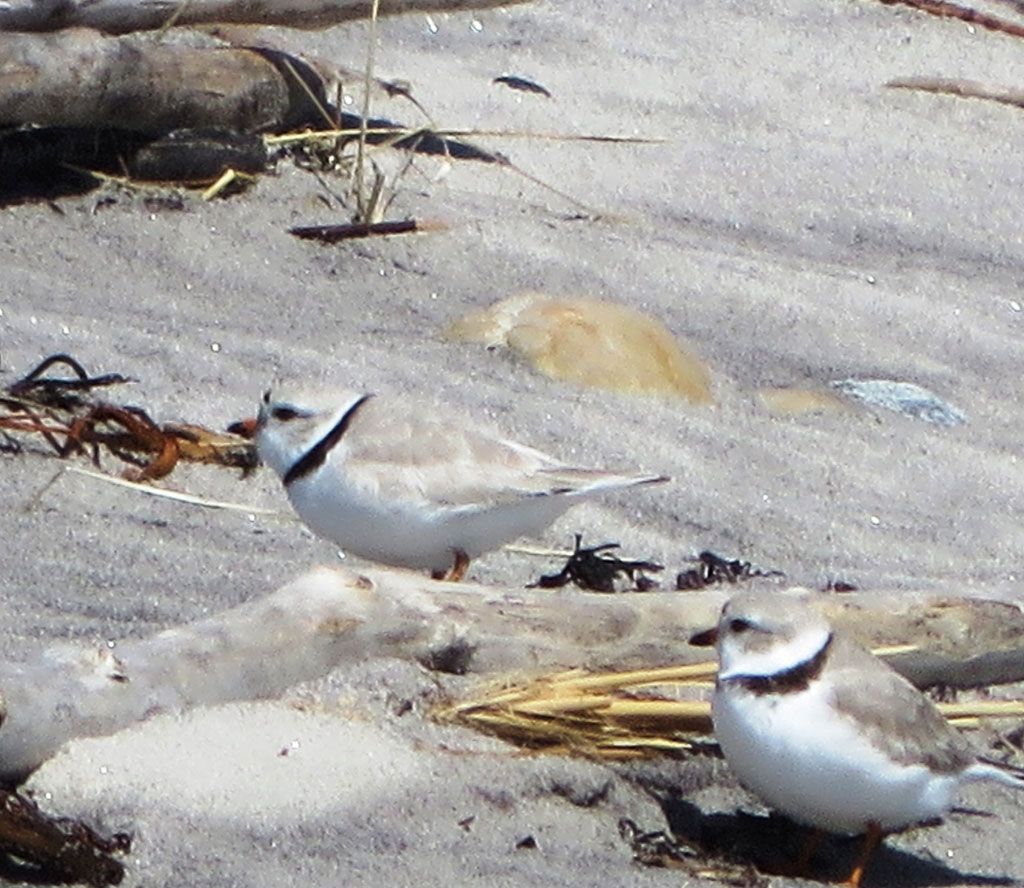
Piping Plover pair returns to Fishers Island. House hunting on Sanctuary of Sands, South Beach.

FIConservancy Naturalist Justine Kibbe has been monitoring Piping Plovers in the South Beach area of Fishers Island for several years. Officially designated a “threatened” species, Piping Plovers are named for their melodic mating call.

Piping plovers eat freshwater and marine invertebrates that wash up on shore. They require a specific habitat to survive and are therefore an indicator of the “health” of a marine area. Their speckled eggs blend seamlessly into the coastal environment. Please tread lightly.

April 7, 2019 33 views
Field NotesFrom the Field

Let’s Welcome the Least Terns

by Betty Ann Rubinow April 5, 2019

Let’s Welcome the Least Terns

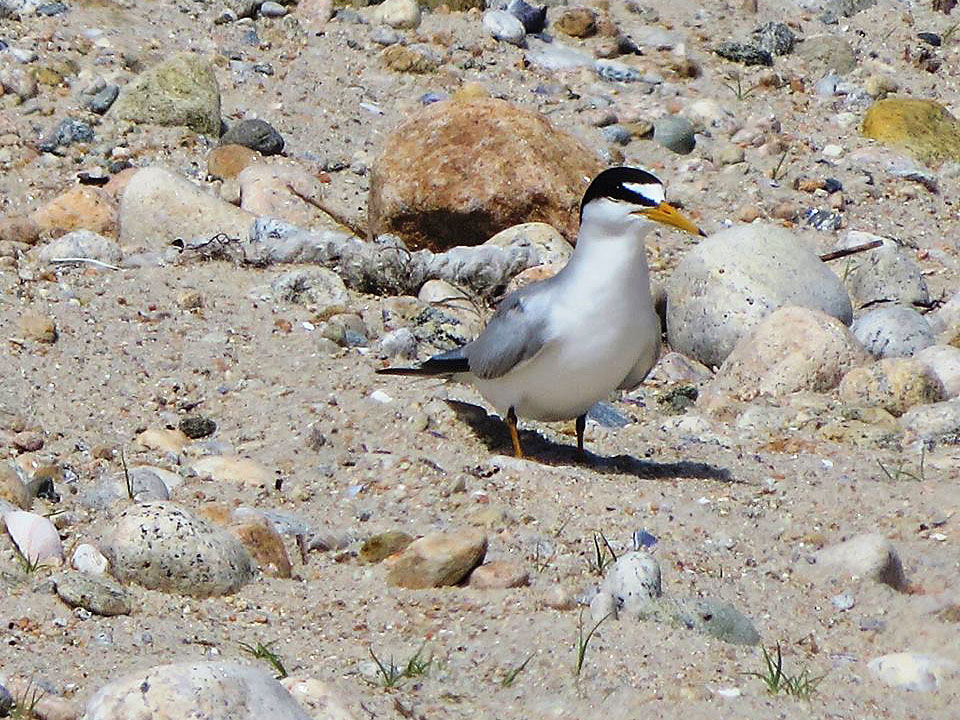
Last year’s couple (in archived photos) return within “homestead” scrape*, eastern tip of Elizabeth Field Airport runway.

As sunnier and warmer months unfold; PLEASE tread lightly!

*Least Terns nest in a simple “scrape” in sand, shell, or other fragmentary, sometimes lined with pebbles, grass, debris.

From the Field, Field Note, Justine Kibbe, April 5, 2019

April 5, 2019 33 views
News

Capsized Vessel Finally Removed from Mouth of Hay Harbor

by Betty Ann Rubinow April 1, 2019

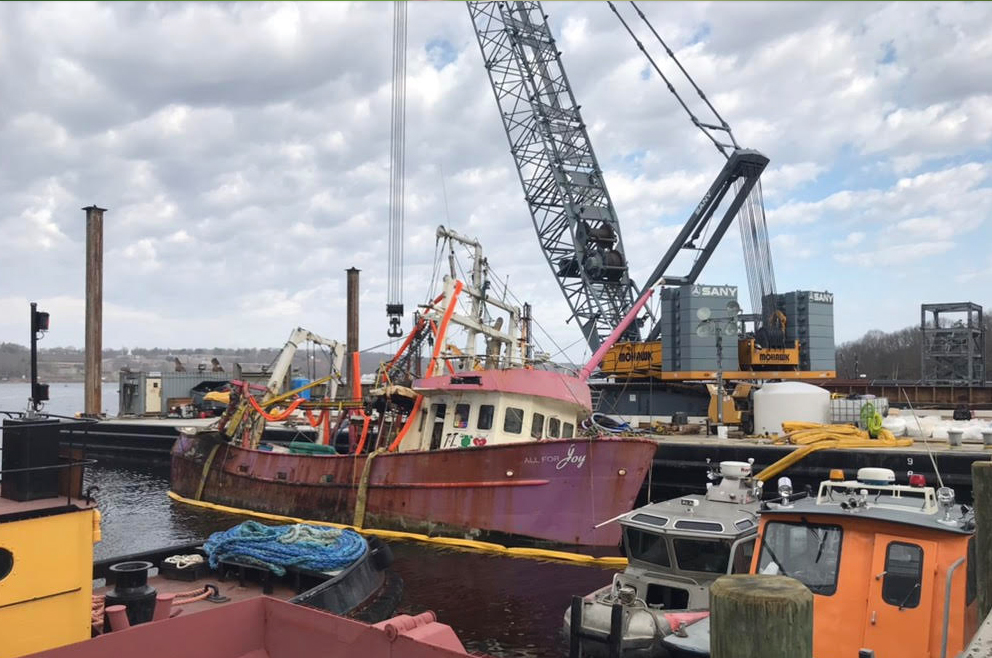
Fishing vessel “All for Joy”, with yellow spill boom in place, is secured to a barge at Mohawk Northeast, Inc., Thames River, New London/Groton CT. Joe & Tracy Brock Photo

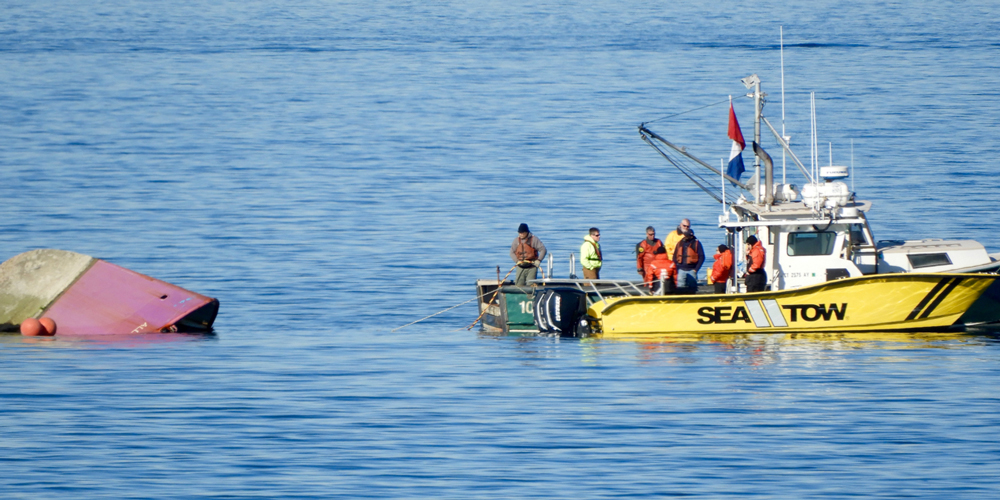
It took 20 days, but the capsized fishing vessel “All for Joy” was finally removed from the mouth of Hay Harbor at 6:05 p.m. Mar. 30.

The commercial fishing vessel capsized south of the Race March 10 and eventually came to rest at the mouth of Hay Harbor, leaking fuel that reached to the shore of Fishers Island. Two fishermen were rescued unharmed.

By 6:30 a.m. March 12, the smell of diesel fuel was “overpowering” on the north side of the Island, particularly at North Hill west past Hay Harbor. Heavy winds and seas prevented divers from safely capping the leaking fuel at that time, because there were too many hazardous pieces hanging and floating around the capsized vessel.

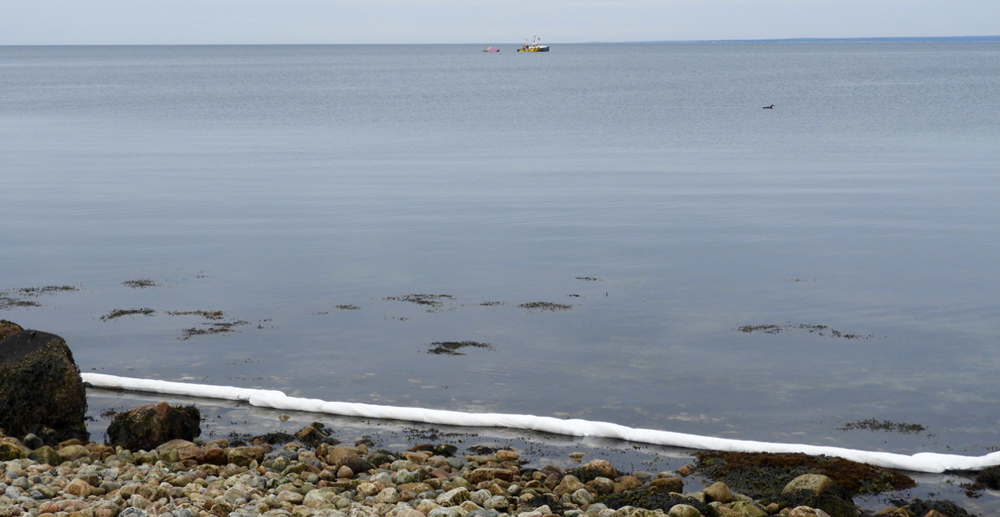
According to the US Coast Guard, all of the tanks on the vessel had been capped by Mar. 13. The current, tide and winds took the fuel into Hay Harbor and along Stony Beach. A crew from Clean Harbors walked the shoreline Mar. 14 to mop up any remaining oil with absorbent pads. They also deployed absorbent booms in those areas where oil was most prevalent. (Reporting by Jane T. Ahrens.)

See fishersisland.net for full story
Share this entry

LATEST VIDEO SNIPPETS

  • Oystercatcher Welcome CommitteeMarch 30, 2019 – 1:17 pm
  • Today’s Lone PeepMarch 28, 2019 – 3:35 pm
  • Conservancy’s Healthy HabitatMarch 28, 2019 – 3:33 pm
  • Diving DucksMarch 26, 2019 – 3:20 pm


April 1, 2019 35 views
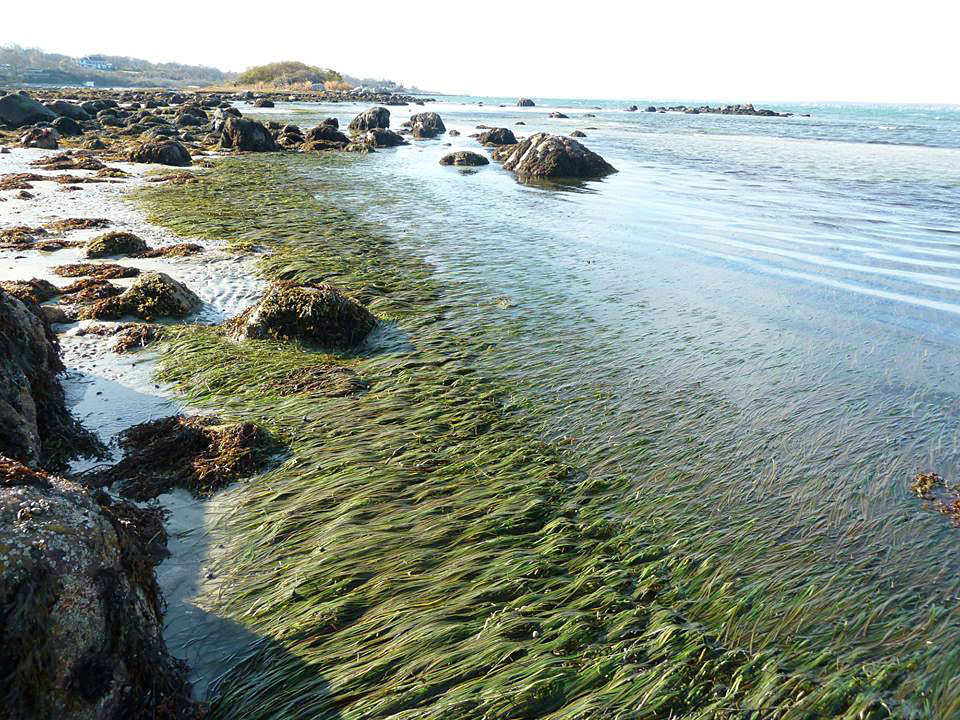
Healthy Seagrass Meadows by Justine Kibbe
News

Nature Conservancy Publishes Report on Fishers Island Eelgrass & Boating Activity

by Betty Ann Rubinow March 22, 2019

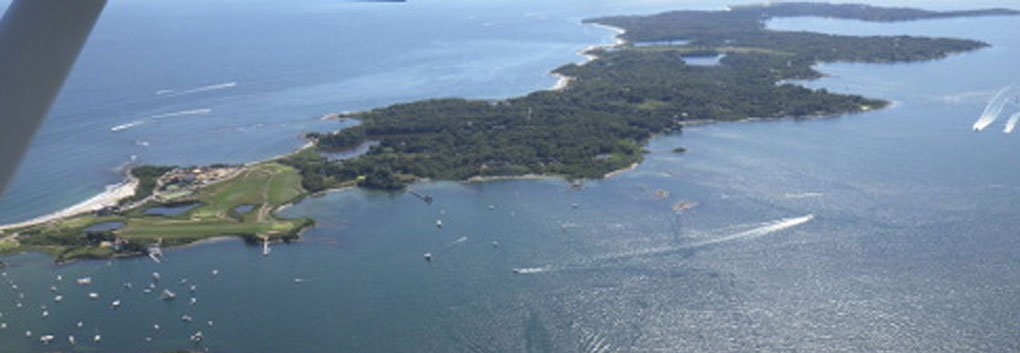
Nature Conservancy’s aerial survey photo to determine Fishers Island boating activity.
In response to the decimation of once abundant and protective eelgrass meadows in Long Island Sound, the Nature Conservancy recently completed an evaluation of eelgrass areas and boating patterns around Fishers Island.

Boating activity, particularly in summer months, presents a grave threat to eelgrass meadows around Fishers Island, which has 94 percent of the remaining eelgrass in New York waters of Long Island Sound and 25 percent of all eelgrass in the Sound. 

Eelgrass forms the base of a highly productive marine food web, providing foraging areas and shelter for young fish and invertebrates, and food for migratory waterfowl and sea turtles. This unique habitat also improves water quality by filtering polluted runoff, absorbs excess nutrients, stores greenhouse gases like carbon dioxide, and traps sediment, reducing the force of wave energy, thereby reducing coastal erosion.

The Nature Conservancy’s report, An Evaluation of Eelgrass Extent and Vessel Use Patterns Around Fishers Island, NY, analyzes the results of underwater and aerial surveys conducted in the summer and fall of 2017.

The surveys reveal that powerboats and sailboats around the Island overlap areas of eelgrass meadows, especially on the north side of the Island. Hotspots include Flat Hammock, East Harbor, the beach off the Eighth Hole of the Fishers Island Club golf course, West Harbor and Hay Harbor. See video of scarred eelgrass beds, caused by boats in Hay Harbor.

The Fishers Island Seagrass Management Coalition can use this report to develop and implement actions, including boater education and outreach, zoning and special management areas, and conservation moorings to reduce the impact on eelgrass meadows from shoreline construction and boating.


Read Report Here
March 22, 2019 39 views
News

Diesel Fuel Reaches FI Shore

by Betty Ann Rubinow March 15, 2019

Clean Harbors installed booms Mar. 14 to soak up any remaining oil from capsized vessel. Most affected shoreline areas were quite clean, however, compared to less than 24 hours earlier. The sun helped to burn off diesel oil sheen. (Jane T. Ahrens Photo)

The commercial fishing vessel, All for Joy, capsized south of the Race March 10 and eventually came to rest at the mouth of Hay Harbor, leaking fuel that reached to the shore of Fishers Island. Two fishermen were rescued unharmed.

By 6:30 a.m. March 12, the smell of diesel fuel was “overpowering” on the north side of the Island, particularly at North Hill west past Hay Harbor. Heavy winds and seas prevented divers from safely capping the leaking fuel at that time, because there were too many hazardous pieces hanging and floating around the capsized vessel.

According to the US Coast Guard, all of the tanks on the vessel had been capped by Mar. 13. The current, tide and winds took the fuel into Hay Harbor and along Stony Beach. A crew from Clean Harbors walked the shoreline Mar. 14 to mop up any remaining oil with absorbent pads. They also deployed absorbent booms in those areas where oil was most prevalent.

By Mar. 13, the oil was “disappearing nicely from the sun and tidal action.” On Mar. 15, FIConservancy Naturalist Justine Kibbe monitored the full circumference of Stony Beach and said she was happy to see the usual coyote tracks, herring gulls and great black-backed gulls diving for spawning sandworms. She was particularly happy to see a killdeer “chattering away, hopefully scouting for nest…” (Reporting and photos by Jane T. Ahrens.)

March 15, 2019 22 views
President's Message

President’s Message: 2019

by fic0n5erv March 15, 2019

Restored grassland at Parade Grounds.

President’s Message: 2019

In the golden light of autumn, the stunning beauty of our Island is on full display. A dazzling fall migration season produced waves of monarch butterflies in numbers not seen in decades, a record-setting raptor count, and a Nelson’s sharp-tailed sparrow, never before recorded on-Island.

Tom Sargent

This excellent news encourages the Fishers Island Conservancy to continue with initiatives put in place to ensure the environmental health of Fishers Island today and into the future. I am happy to report that our organization is busy and vibrant. Our collaboration with Professors Doug Tallamy and Adam Mitchell continues as they help us tackle the ongoing challenges of coastal habitat restoration and maintenance.

The University of Delaware Invasives Team completed their third summer here and moved up-Island as the Conservancy begins a pilot collaboration with FIDCO on two parcels on the East End. We look forward to doubling the size of the University of Delaware team next spring and summer, since the challenges facing us in the removal of non-native plant species requires an aggressive approach. That being said, the Conservancy also continues to educate individual property owners with over 25 site visits in the last year.

The Demonstration Garden continues to be a resource to those interested in planting appropriate species native to our locale. The garden acts as a “buffet” to our local insect and bird populations and to those species that use the Island as an important stop on the Atlantic Flyway. As most of you know, both bird and insect populations have plunged from 60 to 80 percent, so we must take action to reverse this troubling trend. I am happy to say that the Fishers Island Conservancy is bucking the decline in the Sanctuary and Demonstration Garden, but much more needs to be done. Please use us as a resource for your own gardens and lawns. We are happy to guide you as to best practices.

As the Conservancy enters its 35th year, I am honored to announce that the Demonstration Garden will be dedicated and renamed the John Thatcher Native Garden in memory of John Thatcher, one of the Conservancy’s founders. John was a long-time summer resident of Fishers Island and, when he died in 2017, its longest serving president. John’s love of Fishers Island and all things natural was palpable. Even after he was unable to travel to the Island due to poor health, he kept in touch with us at the Conservancy, imparting valuable institutional advice and concern for the Island he loved so deeply. Please come spend some time in this wonderful garden that John would have adored.

Finally, I would like to make mention that Justine Kibbe, our Conservancy Naturalist, has left Fishers Island. Her beautiful pictures—more than 3000—and her invaluable data illuminated our precious Island home, whether tracking down snowy owls in February, minks darting in and out of ponds, or returning shorebirds in the spring. She also founded the Island Sentinel program, which teaches students the importance of stewardship. We will miss Justine and wish her the best on her new adventure in the Pacific Northwest.

While the Fishers Island Conservancy has had a successful and productive year, the challenges of environmental protection, habitat restoration and educational outreach continue. Now is the time for us to be aggressive in pursuing our mission: to protect and preserve our Island environment. Fishers Island needs us more than ever. Thank you to all who have so generously supported us in the past. I hope you can find it in your heart to do so again. A gift to the Fishers Island Conservancy is a gift to Fishers Island.

For the Conservancy,
Tom Sargent, President

March 15, 2019 32 views
Newer Posts
Older Posts

Upcoming Events

Notice
There are no upcoming events.

Keep in touch

Facebook Instagram Youtube

Recent Posts

  • What to Do if You Find a Stranded Animal

  • Update on Phragmites Work and New Wetlands Regulations

  • SPOTTED in New London!

  • 2025 Fall Migratory Bird Count Results

  • Fall 2025 Migratory Bird Count

  • FIRST Summer Highlights 2025

  • Shorebirds Take Flight- The 2025 Season Wrap-Up

  • Buzz Be Gone- Final Spray of the Season

  • Silver Eel–Race Point Coastal Trail Opens with Dedication to Janet Harvey

  • August Shorebird Update

Explore

    • Home
    • Who We Are
    • What We Do
    • How To Help
    • News
    • Events

Connect

    • Join Us
    • Donate
    • Contact Us
Facebook Instagram Youtube
© 2026 All Right Reserved. Fishers Island Conservancy
Fishers Island Conservancy
  • Home
  • Who We Are
    • Our Mission
    • Our History
    • Our People
    • Contact Us
  • What We Do
    • Shorebird Monitoring
    • Annual Bird Counts
    • Marine Debris Clean Up
    • Island Sentinels
    • Research and Survey Team
    • Grassland Restoration
    • Mosquito Control
    • Invasive Plant Management
  • How To Help
    • Donate
    • Join Us
  • News
  • Events
    • Calendar