Fishers Island Conservancy
  • Home
  • Who We Are
    • Our Mission
    • Our History
    • Our People
    • Contact Us
  • What We Do
    • Shorebird Monitoring
    • Annual Bird Counts
    • Marine Debris Clean Up
    • Island Sentinels
    • Research and Survey Team
    • Grassland Restoration
    • Mosquito Control
    • Invasive Plant Management
  • How To Help
    • Donate
    • Join Us
  • News
  • Events
    • Calendar
Wednesday, April 29, 2026
Fishers Island Conservancy
  • Home
  • Who We Are
    • Our Mission
    • Our History
    • Our People
    • Contact Us
  • What We Do
    • Shorebird Monitoring
    • Annual Bird Counts
    • Marine Debris Clean Up
    • Island Sentinels
    • Research and Survey Team
    • Grassland Restoration
    • Mosquito Control
    • Invasive Plant Management
  • How To Help
    • Donate
    • Join Us
  • News
  • Events
    • Calendar
Fishers Island Conservancy
  • Home
  • Who We Are
    • Our Mission
    • Our History
    • Our People
    • Contact Us
  • What We Do
    • Shorebird Monitoring
    • Annual Bird Counts
    • Marine Debris Clean Up
    • Island Sentinels
    • Research and Survey Team
    • Grassland Restoration
    • Mosquito Control
    • Invasive Plant Management
  • How To Help
    • Donate
    • Join Us
  • News
  • Events
    • Calendar
Copyright 2026 - All Right Reserved
News

Birds of Prey at Risk from Rodent Poison

by Betty Ann Rubinow February 25, 2021

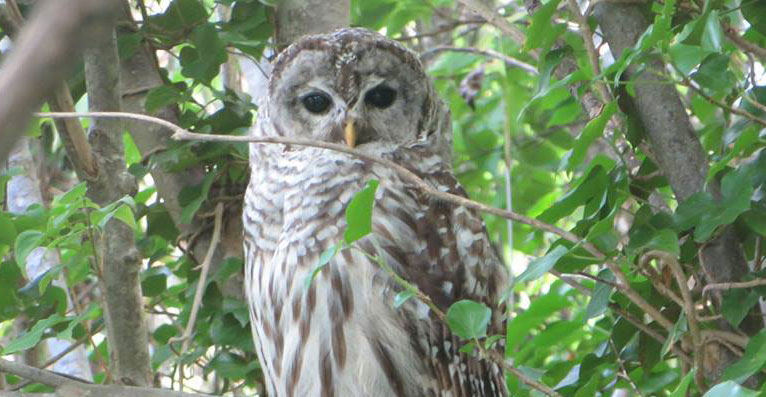
This young barred owl is typical of birds of prey at risk of ingesting anticoagulant rodenticides used to kill nuisance rodents, like mice and rats. Justine Kibbe Photo

Scientists agree that there is no such thing as a safe poison. That unfortunate truth applies to anticoagulant rodenticides (AR), which have been used for decades to kill nuisance rodents like mice and rats.

Rodenticides are anti-coagulants placed in bait stations to attract mice and rats. After feeding, rodents die from internal bleeding, but not immediately. While still alive, they are a food source for raptors, and after death, for scavengers. Ingestion transfers the poison to the birds.

A 2020 Tufts Wildlife Clinic study reported that 100 percent of the red-tailed hawks in the study tested positive for exposure to anticoagulant rodenticides. For the study, Clinic Director Maureen Murray, a wildlife veterinarian, sampled 43 red-tailed hawks, which were admitted to the clinic but did not survive due to their injury or illness.

Ms. Murray focused on these hawks, because they are most commonly seen at the clinic and are generalist predators, which offered a sense of how widespread the contamination is in the food chain.

“The ability of these rodenticides to permeate the food chain and ecosystems is pretty remarkable,” said Ms. Murray. “Other studies have shown residues in songbirds and insects. And that’s what this study reflects. Red-tailed hawks eat a lot of small mammals, but they also eat birds, reptiles, or amphibians that they might scavenge. Ultimately, their prey base is very contaminated.”

First generation ARs, chlorpophacinone, diphacinone and warfarin, were followed in the 1970s by a second generation of more toxic anticoagulant rodenticides (SGAR), brodifacoum, bromadiolone, difenacoum, difethialone. This study found that SGARs were more prevalent in the hawks than ARs.

In 2008, the U.S. Environmental Protection Agency (EPA) began tightening rules regarding sales and use of SGARs. This study’s findings are meant to measure the effectiveness of the EPA’s approach to regulating SGARs in preventing exposure of wildlife species.

Ms. Murray encouraged anyone looking for pest control solutions to consider approaches other than ARs: Find out where the mice or rats are coming in, plug up holes in the house or around windows, take away food and water sources, and clean out nesting sites.
February 25, 2021 38 views
News

Robins Are Unwitting Enablers of Wildly Invasive Chinese Privet Shrub

by Betty Ann Rubinow February 20, 2021

Robins Are Unwitting Enablers of Wildly Invasive Chinese Privet Shrub

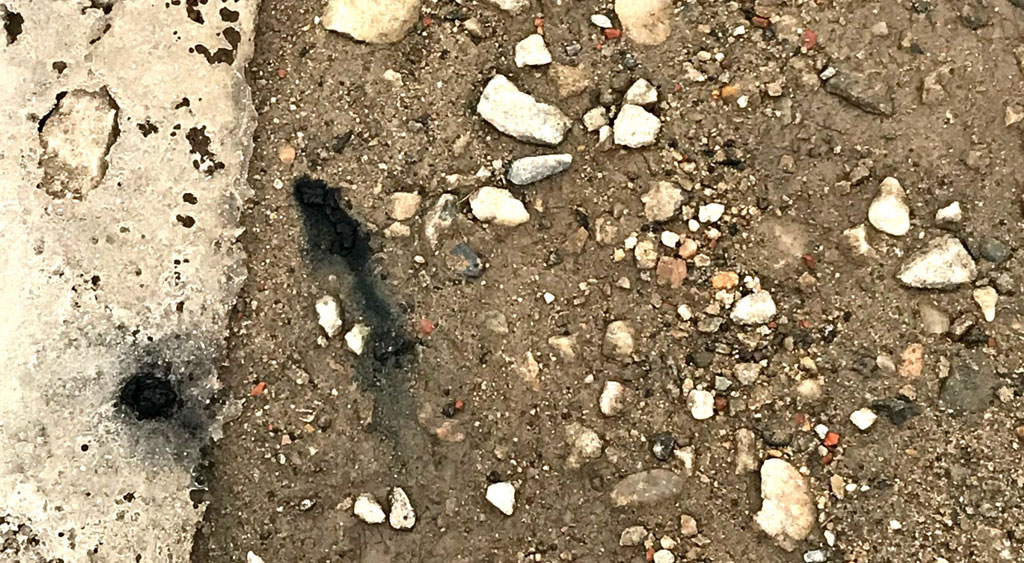
Blurry black images (l) are winter robins regurgitating and dispersing seeds of highly invasive Chinese privet shrub, Feb. 13 (r). Tom Sargent Photos

Robins, the first signs of spring, actually spend winters in the north, if food sources are plentiful. On Fishers Island, that is not a problem. There is a seemingly endless supply of fat berries that carpet invasive Chinese privet shrubs in winter.

Notorious for producing dense thickets, the Chinese privet, found throughout Fishers Island, is choking out native plants that provide food for native insects, which in turn provide food for bird hatchlings.

Ironically, the robins pictured above are spreading the very seeds that can lead to fewer insects needed to feed their young. The robins are regurgitating Chinese privet berries, which are filled with seeds, further spreading growth of the wildly invasive Chinese privet, known for its aggressive growth, prolific root and stump sprouting, copious seed production, and widespread seed dispersal by birds.

The robin has a long and especially stretchy esophagus, so it can store many berries quickly. After some preliminary digestion, it regurgitates the seeds, making more room for more berries. Robins also can consume huge quantities of berries before nightfall in winter, allowing  them to survive cold temperatures until they can eat again at daybreak.

In addition to the privet’s impact on natural landscapes, its blue berries are toxic to humans (and dogs) and can cause symptoms such as nausea, headache, abdominal pain, vomiting, diarrhea, weakness and low blood pressure.

Chinese Privet was introduced into the United States in the 1800s as an ornamental plant primarily used as a privacy hedge. Privet usually grows from 5 to 12 feet but can grow as tall as 30 feet.

February 20, 2021 33 views
Marine Debris Annual Report

2021 Marine Debris Report

by Beth Jepsen January 1, 2021

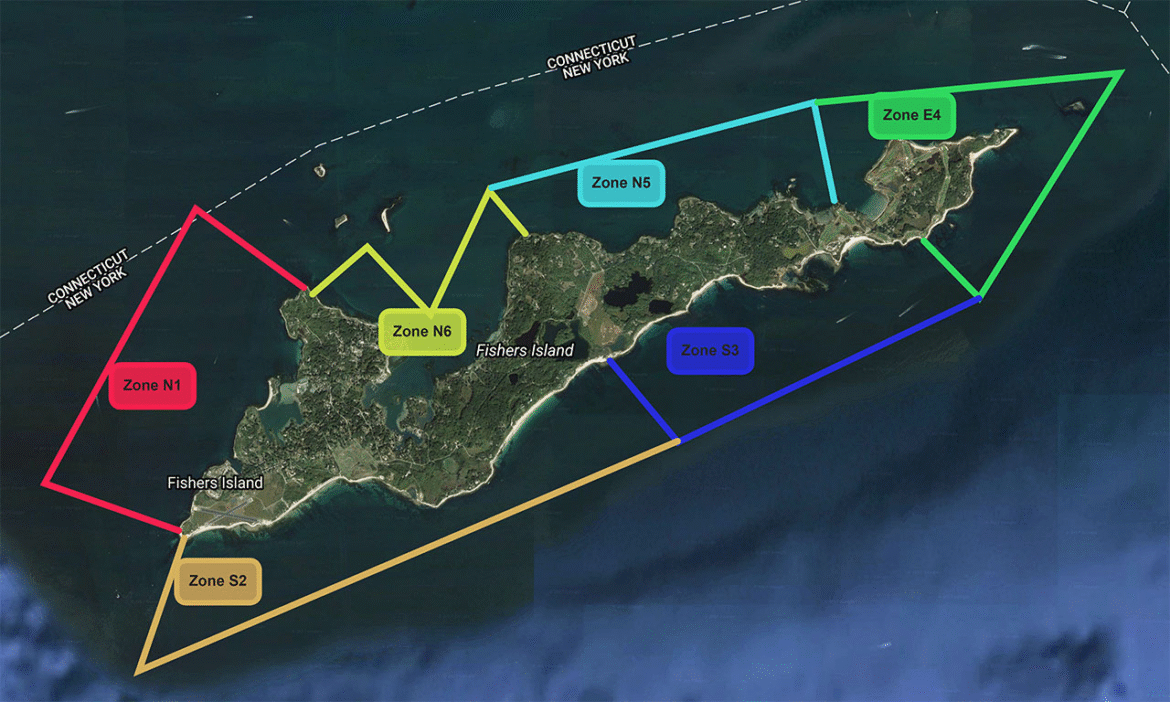
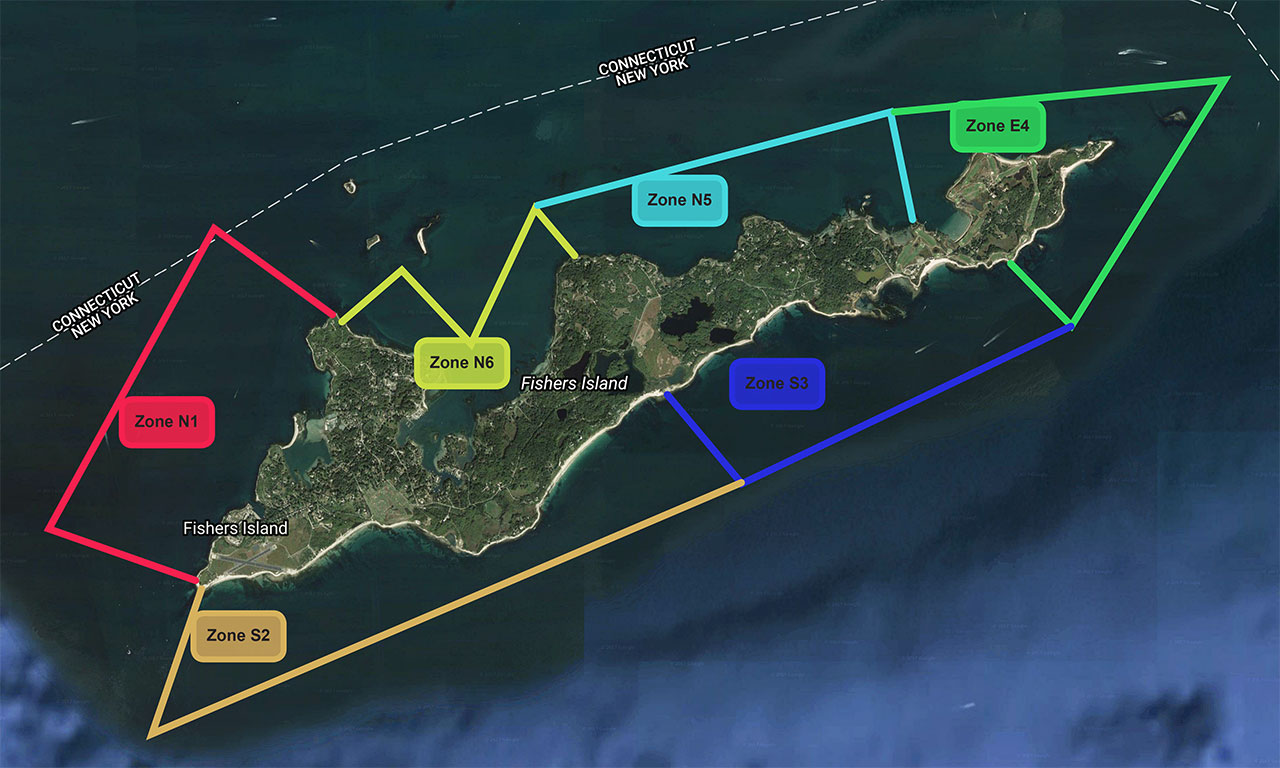
2021 Marine Debris – Zone Summary Report

ZONEWEIGHT (LBS)TIME (HOURS)
No Zone3425
E41071115.5
N11010123.5
N596977.5
N6994111
S22,258274
S31,275159
S4145
TOTAL7,651892.5

2021 Marine Debris – Monthly Summary Report

ZONEWEIGHT (LBS)TIME (HOURS)
JANUARY77175
FEBRUARY80568.5
MARCH1073101.5
APRIL868100
MAY512100
JUNE806102
JULY749104
AUGUST35150
SEPTEMBER76587.5
OCTOBER00
NOVEMBER00
DECEMBER951114
TOTAL7,651892.5

January 1, 2021 51 views
Marine Debris Annual Report

2020 Marine Debris Annual Report

by Anna White December 31, 2020

2020 Marine Debris – Monthly Summary Report

ZONE WEIGHT (LBS) TIME (HOURS)
JANUARY 832 56
FEBRUARY 1,442 54.5
MARCH 1,627 122
APRIL 613 62
MAY 1,154 95.5
JUNE 1,328 114.5
JULY 783 97.5
AUGUST 1,181 141.5
SEPTEMBER 755 84.5
OCTOBER 982 107
NOVEMBER 1,210 94
DECEMBER 1,317 66
TOTAL 13,224 1,095

Monthly Marine Debris Reports

  • Marine Debris March 2026

    April 1, 2026
  • Marine Debris Winter Reports

    February 27, 2026
  • Marine Debris November 2025

    February 27, 2026
  • Marine Debris October 2025

    October 1, 2025
  • Marine Debris September 2025

    September 1, 2025
  • Marine Debris August 2025

    August 1, 2025

Annual Reports

  • 2025 Marine Debris Annual Report

    March 17, 2026
  • 2024 Marine Debris Annual Report

    December 31, 2024
  • 2023 Marine Debris Annual Report

    December 31, 2023
  • 2023 Marine Debris Report

    January 1, 2023
  • 2022 Marine Debris Annual Report

    December 31, 2022

Marine Debris Stewards

  • Constant Battle Marine Debris

    March 18, 2018
  • John Peishoff’s 889th Lobster Pot

    October 1, 2017
  • Earthday EVERYday

    April 9, 2017
December 31, 2020 22 views
News

Nationwide Conservation Project Launched by Fishers Island Consultant Doug Tallamy

by Betty Ann Rubinow December 9, 2020

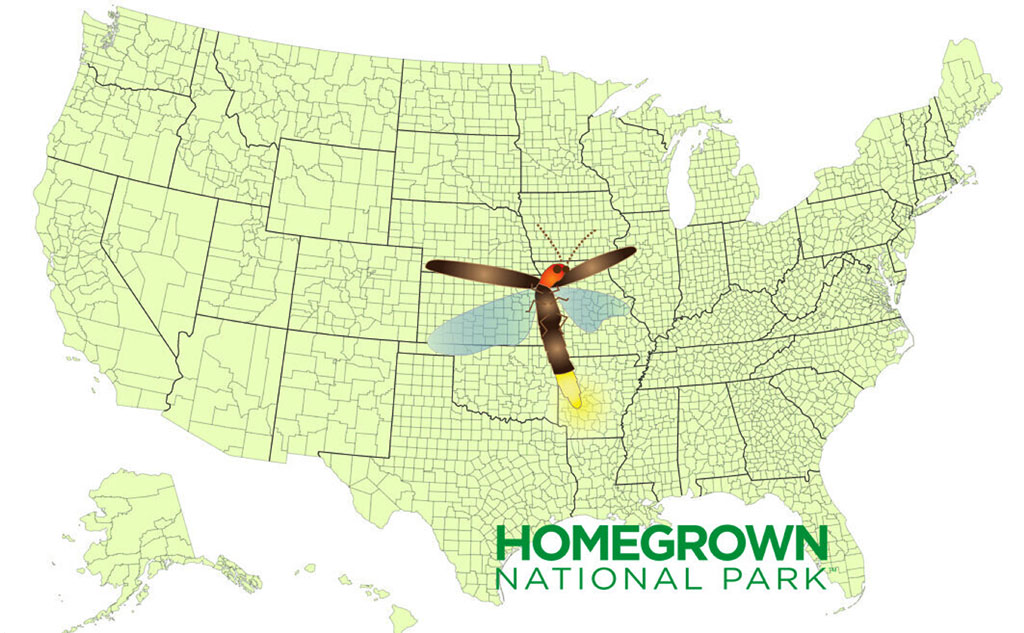
This map is an interactive community-based visual that will show each person’s contribution to planting native by state, county and zip code. It is a way for individuals to see their efforts as part of a greater whole, as part of a community that wants to do something purposeful and see tangible results.

Nationally recognized entomologist Doug Tallamy and business entrepreneur Michele Alfandari, have launched Homegrown National Park™, a program that encourages everyone with access to a patch of earth to help sustain biodiversity by removing most invasive plants and starting new habitats of native plants.

Doug Tallamy is a professor of entomology at University of Delaware and, for many years, has consulted with the Fishers Island Conservancy on its grassland restoration initiative in the Parade Grounds area. He has also advised Island landowners on the best way to begin planting native.

During his many visits to Fishers Island, Dr. Tallamy spoke about the vast wasteland of residential lawns in the United States and his hope to have landowners plant native species, even on only parts of the properties. This initiative at last formalizes his longtime goal of achieving 20 million acres of native plantings across the United States.

“This represents approximately half of the green lawns of privately-owned properties and is the largest cooperative conservation project ever conceived or attempted,” Dr. Tallamy said.

“Our National Parks, no matter how grand in scale are too small and separated from one another to preserve species to the levels needed.  Thus, the concept for Homegrown National Park™ is a bottom-up call-to-action to restore habitat where we live and work, extending national parks to our yards and communities. 

“Recent headlines about global insect declines, the impending extinction of one million species worldwide, and three billion fewer birds in North America are a bleak reality check about how ineffective our current landscape designs have been at sustaining the plants and animals that sustain us.

“We are at a critical point of losing so many species from local ecosystems that their ability to produce what sustains us–oxygen, clean water, flood control, pollination, pest control, carbon storage, etc.–will become seriously compromised.

“Homegrown National Park™-Start a new HABITAT™ has no political, religious, cultural or geographic boundaries, because everyone–every human being on this planet–needs diverse, highly productive ecosystems to survive,” Dr. Tallamy said.

Doug Tallamy and Michele Alfandari have launched Homegrown National Park™, a program that aims to cover 20 million acres of formerly green lawns with native plants that will attract native insects, a critical early step in our food chain. Dr. Tallamy has written, among other books, the award-winning Bringing Nature Home and the bestseller Nature’s Best Hope, both recommended as excellent holiday gifts!

December 9, 2020 42 views
News

Buoy Tree: Community Collaboration At Its Best

by Betty Ann Rubinow December 6, 2020

Buoy Tree: Community Collaboration At Its Best

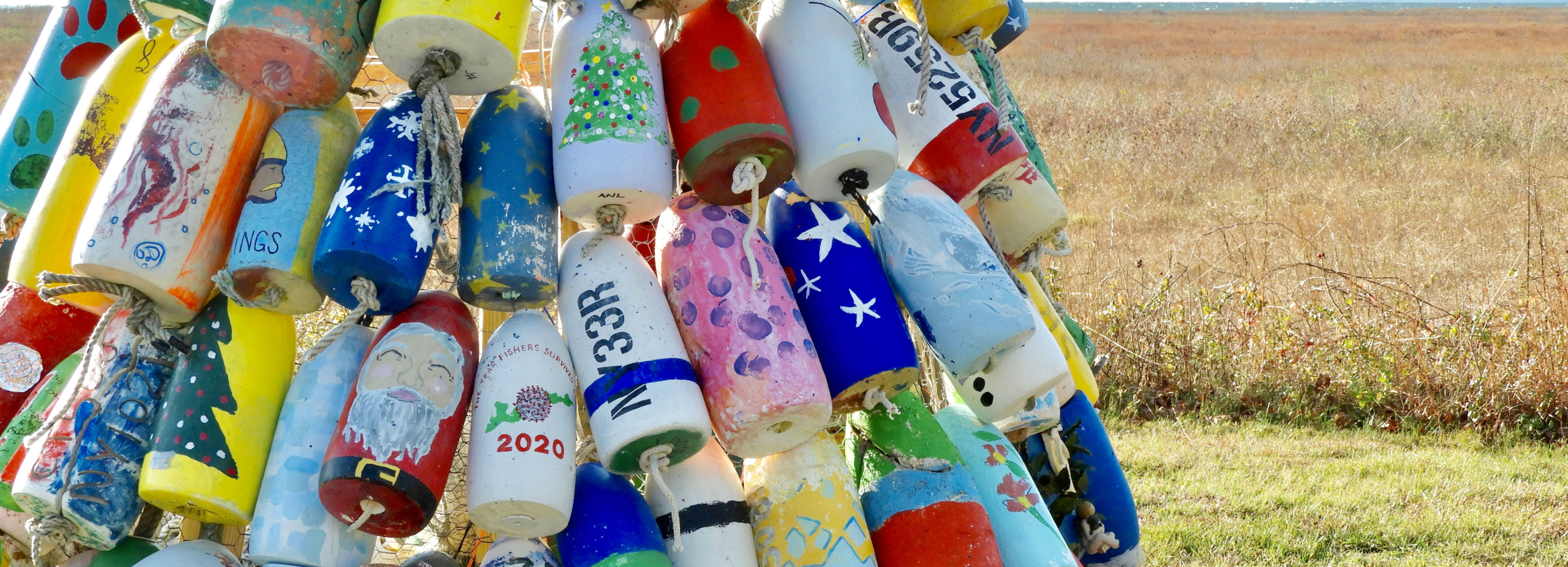
The Fishers Island community generously donated time and resources to create the festive Buoy Tree currently on display at the Parade Grounds. (l) First day of buoy installation Nov. 21. Jane Ahrens Photo (r) Buoy Tree nearly completed in early December. Gussie Foshay-Rothfeld Photo

A Buoy Tree has taken center stage on the Parade Grounds west of the State Troopers’ barracks. The tree, nearly completed in early December, exists due to the generous efforts of the Fishers Island community.

Last summer, fishers island.net Editor Jane Ahrens happened to see Michele Klimczak moving buoys out of the Fishers Island Conservancy maintenance shed. Michele clears marine debris from Fishers Island shores for FIConservancy, and the buoys were piling up.

“Michele hoped we could do something better than just toss the buoys into the dumpster,” Jane said. “So we Googled ‘recycle buoys’ and a bunch of Buoy Trees popped up. What a great idea, we thought!”

The first step was getting approval from FIFerry commissioners and FIConservancy President Tom Sargent. FIFerry District manages the Parade Grounds, which are owned by the Town of Southold. FIConservancy restored and maintains the Parade Grounds grasslands.

An informal committee, comprised of Jane, Michele, FIConservancy Executive Director Kristen Peterson and Nate Malinowski, set the project in motion.

Kristen started at Race Rock Garden Co. where Tom Kexel offered to build the support structure. David Burnham helped with building materials and also donated buoys that were in one of his bunkers.

“Our buoy collection continued to grow as Fishers Island Oyster Farm and numerous Island residents, including Joe Rogan and the Gaumonds, dropped off buoys to be painted,” Jane said. “Nate helped figure out how to attach the buoys to the tree, and I have added most of them. Fishers Island Yacht Club, with the help of Manager Beth Arsenault, donated a lot of rope for hanging the buoys, and John Ski gave us some as well.”

A small solar panel with three spotlights illuminate the tree. Jay Cushing and his team at the Electric Company repaired the socket at the base of the nearest streetlamp to supply electricity. When the tree is completed, strings of white lights donated by Our Lady of Grace Rummage, will circle the tree.

“The best part is that so many people have painted beautiful buoys for the tree, including Mrs. Sawyer’s art students from Fishers Island School. I have the names of about 60 people who have painted buoys, and there are more that have been dropped off but with no name,” Jane said.

“There are about 125 buoys on the tree so far. Every time I go to the tree, or open the trunk of my car, there are more buoys. Several have been painted and sent back to the Island—wonderful!”

December 6, 2020

December 6, 2020 33 views
News

Encountering a Coyote: What to Do

by Betty Ann Rubinow December 5, 2020
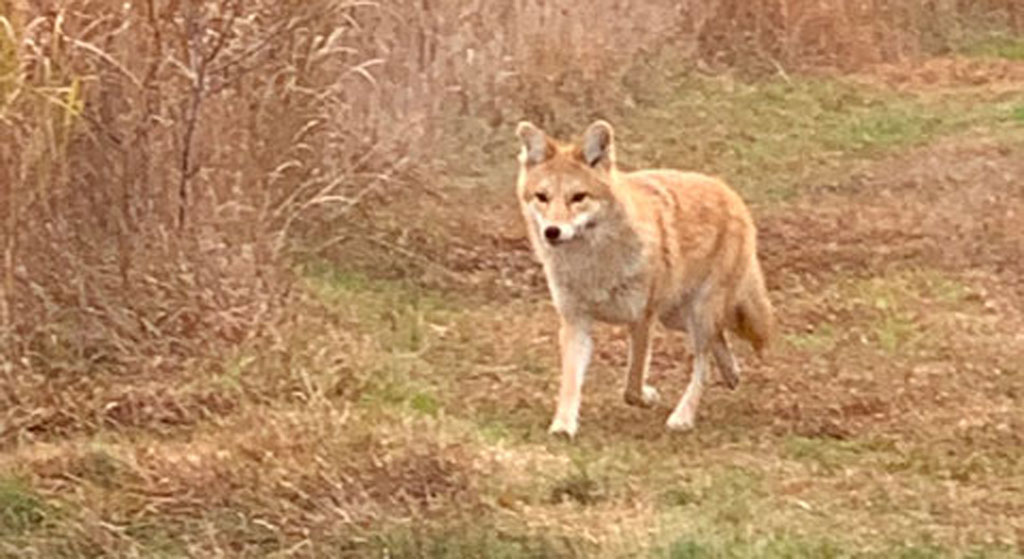
Coyote at Middle Farms Driving Range, Nov. 1, 2020. Prue Gary Photo
A young coyote killed a little dog late Saturday afternoon Oct. 31 at a residence on Clay Point Road at Cedar Ridge Road. The incident occurred 20 feet in front of the owner’s parked car, while the owner was unloading the vehicle. The coyote was not dissuaded by human activity or the presence of large dog. Please be aware of all your small pets.

More and more people have seen coyotes recently on Fishers – in their back yards, and while walking with and without their dogs. See a list below. If you have a sighting please email finyinfo@gmail.com and we will add it to the list.

What should you do if you encounter a coyote? It boils down to this advice:

  1. Leash your dog – Pick up and carry a small dog.
  2. Stand tall and assertive – Maintain eye contact.
  3. Haze the coyote until it leaves the area – make noise, stomp feet, flap jacket, wave flashlight.

Click here for a full report on coyote cautions and sightings on Fishers Island. Above information by Jane Ahrens.

December 5, 2020 30 views
News

Coyotes Have Made a Home on Fishers Island

by Betty Ann Rubinow December 5, 2020

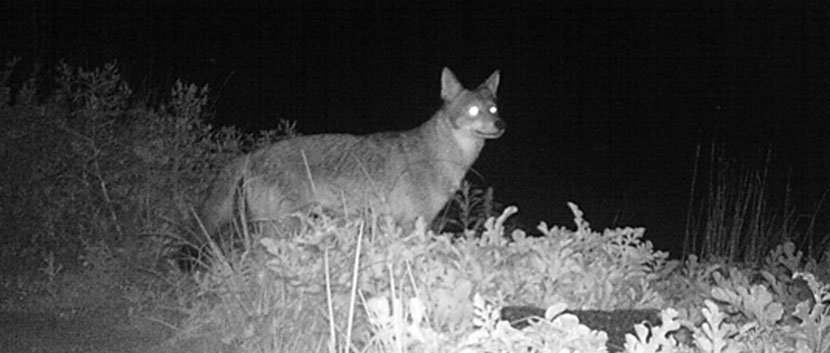
Coyote at night, Fishers Island. Dave Denison Photo

Story originally published Oct. 20, 2020, Southampton Press, 27east.com

By Mike Bottini

Last week, I had the pleasure of spending two days on Fishers Island, the easternmost of an archipelago of islands including Plum, Great Gull and Little Gull, located two miles south of the coast of Connecticut and 10 miles from the closest points to Long Island (Montauk and Orient). Despite its proximity to Connecticut, and sole ferry link to New London, it falls under the jurisdiction of Southold Town, Suffolk County, New York State.

A relatively small piece of glacial moraine, Fishers is a long, narrow piece of land measuring six miles in length and between 1.5 and 0.5 miles in width, with a total land mass of four square miles. For East Enders, by comparison, Shelter Island has 10 square miles of terra firma.

I had last visited the island in 2013, when I surveyed its fresh and tidal waterways for sign of the North American river otter. This time, my quarry was the Eastern coyote.

With the help of Ferguson Museum’s director, Pierce Rafferty, and island resident Terry McNamara, I had mapped several areas that they suggested I focus my survey efforts. Naturalist Tracy Brock, Dartmouth undergrad McKenna Gray, and James Hilton, an undergrad from Columbia University who is interning with the Long Island Coyote Study Group this fall, joined me in the field for day one.

Our goal was to determine suitable sites to collect coyote scats for a year-long study of Fishers’ coyote population. The scats were destined for a laboratory at the American Museum of Natural History, where staff mammologists and geneticists would analyze the material to determine the island coyotes’ diet, which shifts over the year, and the number of coyotes residing on the island.

DNA “fingerprinting” of these coyotes would also enable us to determine the source of the eastern Long Island coyotes: Did they trek east from Queens, bypassing lots of suitable, unoccupied habitat, or did they manage to swim the archipelago from Fishers to Orient?

Our first stop was the large grassland area on the western end of the island, called the “Parade Grounds,” adjacent to the small airport. We managed to collect four scats. All were composed of fruit and berry material, in stark contrast to all the scats collected from Long Island sites this summer and fall, which were entirely fur and bones.

Tracy Brock confirmed the Fishers coyotes’ appetite for fruit: Every single pear disappeared the night before she planned to harvest the fruits on her two quite small pear trees. There wasn’t a single pear left behind — and they had the nerve to leave pear-loaded scats along the adjacent driveway!

We also learned some interesting anecdotal information about the island’s fauna. On Fishers, deer hunters actually outnumber deer this year, and as deer hunting season approaches, the days are numbered for the one deer that resides on the island.

American mink, another Mustelid related to the otter, have found their way onto the island, and in recent years they have obviously bred successfully and are quite commonly seen.

Eastern cottontails, on the other hand, once the most commonly seen four-legged, wild mammal on the island, is no longer as plentiful. Most residents seem to suspect the coyote for that, but the mink is quite capable of making a dent in a relatively small island’s rabbit population.

What most surprised me was the notion that another Mustelid, the fisher (Pekania pennanti), has been sighted on the island. Also known as the fisher cat, despite its common name it does not fish for food and it does not share its otter and mink relatives’ penchant for swimming.

My sense is that, with only a slight difference in body length, the dark brown mink has been occasionally identified as the similarly shaped and colored, but larger, fisher.

We did not have as much luck searching the edges of the golf course property on the east end of the island, until we ran into a woman at one of the island’s trailheads. She directed us to a wooden bridge on the golf course, where we scraped a scat with fur, bones, claws and teeth into our collection bag. A nickel-sized ball of fur wedged firmly between two planks was a challenge to retrieve but was worth the effort: Inside was a small rodent skull.

Lunch break was well-timed, as a soaking torrent of rain passed over the island. Next stops were focused on wooded and grassland areas located in the middle of the island, appropriately named the “Middle Farms.” This area included several otter scent stations, which we checked, finding fresh scats composed of bones and scales, the latter measuring 1/16th of an inch in diameter, and most likely representing the remains of the ubiquitous mummichogs and striped killies that otters found in the adjacent tidal pond.

The earlier downpour seemed to prompt spring peepers out of their daytime resting spots, as a surprising number were noted moving atop the wet leaves of the forest floor. I’m not sure when this hardy, cold-tolerant, 1-inch-long tree frog commences its winter dormancy beneath an insulating layer of leaves, but the cold front may have prompted many to start searching for appropriate winter quarters.

Day two’s goal was to train interested island residents in the relatively simple process of collecting scat. Most important were measures to ensure that the genetic material in the scat did not get contaminated, and noting several key pieces of information on each collection bag.

Before setting out, we ran into Pierce Rafferty and a group of birders, all excited that the previous night’s cold front would prompt many birds to pass over the island en route to their southern wintering grounds. We later confirmed that they had a spectacular “hawk watch,” with kestrels, our smallest falcon, topping the list at 40 sightings for the day.

Two Fishers Island teachers were among the trainees, and they planned to get their students involved in the project. By day’s end, we had collected a total of 12 coyote scats and left the school with a remote camera for the students to experiment with. Perhaps they will prove me wrong and capture an image of a fisher.

In any event, the Fishers Island component of the coyote study is off to a great start.

December 5, 2020 27 views
News

New Fluorometer Meter Boosts Oceanography Studies at Fishers Island School

by Betty Ann Rubinow October 6, 2020

Fishers Island School Oceanography students use fluorometer donated by FIConservancy. Carol Giles Photo

FIConservancy has provided a grant to Fishers Island School to purchase a fluorometer, already in use by Oceanography students.

The meter will enable these students to measure phytoplankton population density. Quantifying seasonal changes in density will spark student discussion of how environmental factors such as temperature, fertilizer runoff and light intensity affect growth. This, in turn, will engage student learning and awaken their concern for the environment, said science teacher Carol Giles in a letter to FIConservancy.

“FIConservancy has supported the Fishers Island science program for many years,” Mrs. Giles said in her letter. “Your past purchase of binoculars has allowed our Oceanography class to enumerate the FI seal population and graph its variance throughout the year. The carbon dioxide and oxygen probes are again being utilized to further explore fauna carbon sequestering.”

The fluorometer grant comes from FIConservancy’s 25th Anniversary Grant Fund founded in celebration of 25 years of preserving and protecting our Island’s environment.

October 6, 2020 46 views
EventsNews

Join Us for the Fall 2020 Migratory Bird Count

by Betty Ann Rubinow September 14, 2020

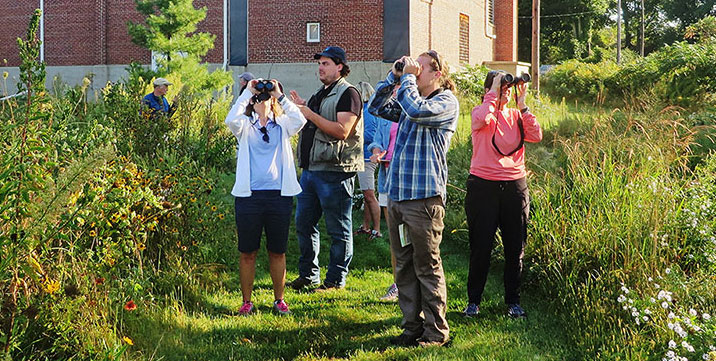
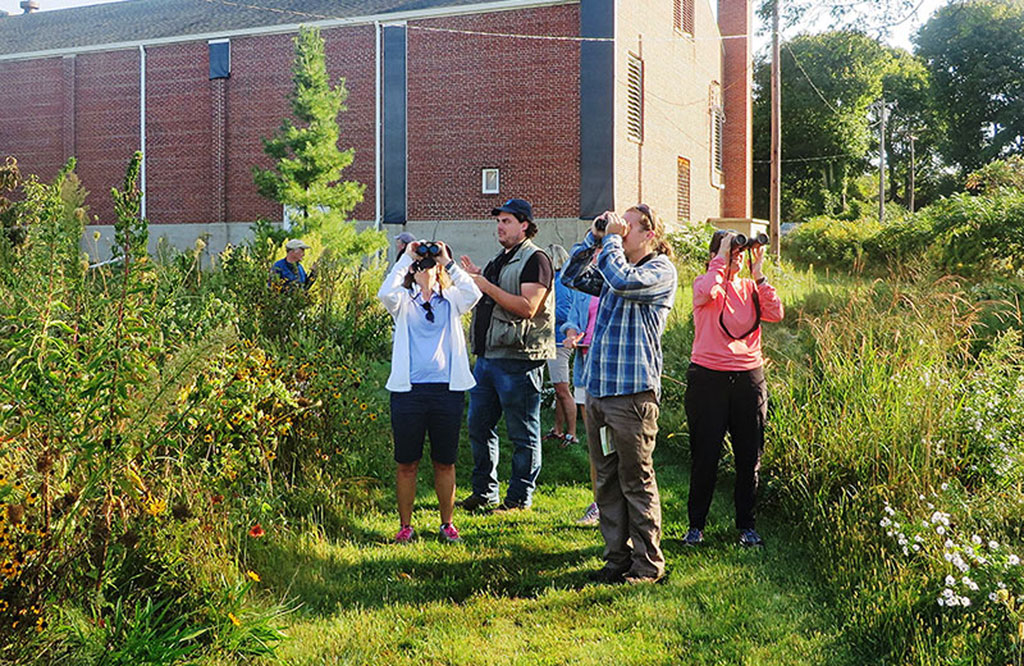
John Thatcher Native Garden (formerly Demonstration Garden) is a busy third stop during the Fall Migratory Bird Count.

Mark your calendars for the 2020 Fall Migratory Bird Count Saturday Sept. 19, 8 a.m.-10:30 a.m. Meet at the Island Community Center. Bring binoculars. Masks required.

Following Audubon bird count rules, birders will make 15 five-minute stops from West End to East End. At each timed stop, birders count birds and call out what they see.

The fall 2019 bird count began under overcast skies, with thick clouds and fog, but the weather this Saturday is predicted to be sunny, in the 60s!


September 14, 2020 34 views
Newer Posts
Older Posts

Upcoming Events

Notice
There are no upcoming events.

Keep in touch

Facebook Instagram Youtube

Recent Posts

  • What to Do if You Find a Stranded Animal

  • Update on Phragmites Work and New Wetlands Regulations

  • SPOTTED in New London!

  • 2025 Fall Migratory Bird Count Results

  • Fall 2025 Migratory Bird Count

  • FIRST Summer Highlights 2025

  • Shorebirds Take Flight- The 2025 Season Wrap-Up

  • Buzz Be Gone- Final Spray of the Season

  • Silver Eel–Race Point Coastal Trail Opens with Dedication to Janet Harvey

  • August Shorebird Update

Explore

    • Home
    • Who We Are
    • What We Do
    • How To Help
    • News
    • Events

Connect

    • Join Us
    • Donate
    • Contact Us
Facebook Instagram Youtube
© 2026 All Right Reserved. Fishers Island Conservancy
Fishers Island Conservancy
  • Home
  • Who We Are
    • Our Mission
    • Our History
    • Our People
    • Contact Us
  • What We Do
    • Shorebird Monitoring
    • Annual Bird Counts
    • Marine Debris Clean Up
    • Island Sentinels
    • Research and Survey Team
    • Grassland Restoration
    • Mosquito Control
    • Invasive Plant Management
  • How To Help
    • Donate
    • Join Us
  • News
  • Events
    • Calendar