Fishers Island Conservancy
  • Home
  • Who We Are
    • Our Mission
    • Our History
    • Our People
    • Contact Us
  • What We Do
    • Shorebird Monitoring
    • Annual Bird Counts
    • Marine Debris Clean Up
    • Island Sentinels
    • Research and Survey Team
    • Grassland Restoration
    • Mosquito Control
    • Invasive Plant Management
  • How To Help
    • Donate
    • Join Us
  • News
  • Events
    • Calendar
Saturday, April 11, 2026
Fishers Island Conservancy
  • Home
  • Who We Are
    • Our Mission
    • Our History
    • Our People
    • Contact Us
  • What We Do
    • Shorebird Monitoring
    • Annual Bird Counts
    • Marine Debris Clean Up
    • Island Sentinels
    • Research and Survey Team
    • Grassland Restoration
    • Mosquito Control
    • Invasive Plant Management
  • How To Help
    • Donate
    • Join Us
  • News
  • Events
    • Calendar
Fishers Island Conservancy
  • Home
  • Who We Are
    • Our Mission
    • Our History
    • Our People
    • Contact Us
  • What We Do
    • Shorebird Monitoring
    • Annual Bird Counts
    • Marine Debris Clean Up
    • Island Sentinels
    • Research and Survey Team
    • Grassland Restoration
    • Mosquito Control
    • Invasive Plant Management
  • How To Help
    • Donate
    • Join Us
  • News
  • Events
    • Calendar
Copyright 2026 - All Right Reserved
News

The Clearing Continues

by Betty Ann Rubinow June 14, 2019


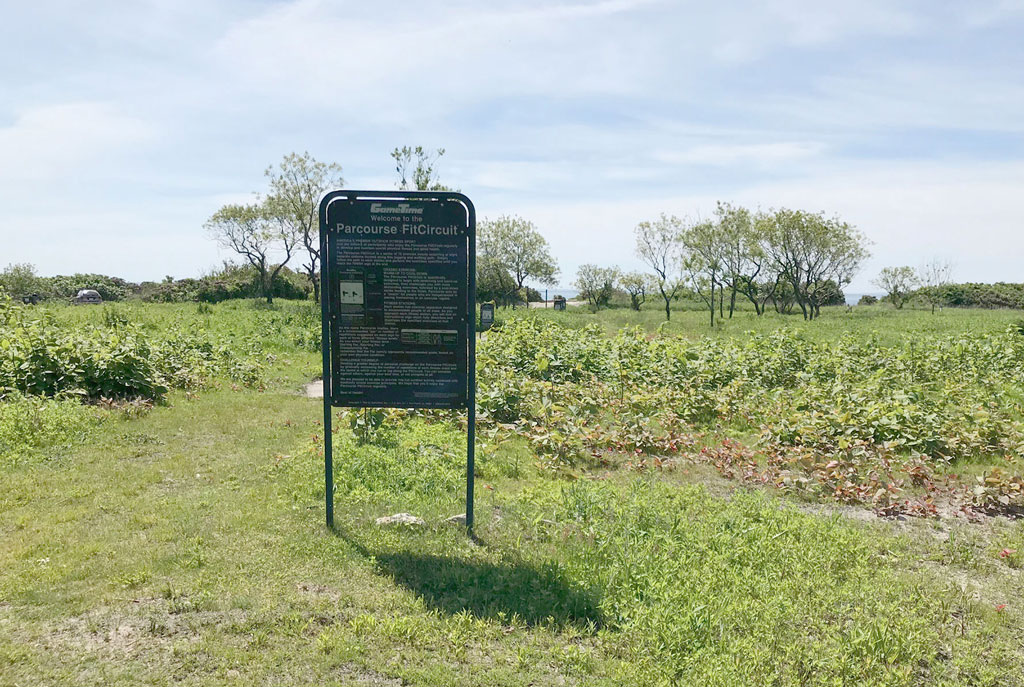
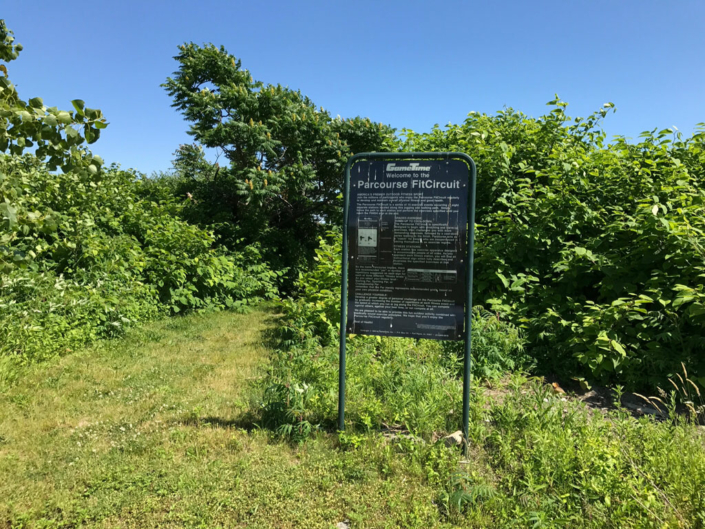
Before and After 


Pictures do not do justice to the amazing transformation along South Beach Road approaching the Parcourse FitCircuit. Individual stops along the circuit are now visible, as is access to South Beach in the distance.

Last winter, Jimmy Ski, on behalf of FIConservancy, cleared the area of tangled invasive vegetation and created nearby berms that now contain the remains of Southold Town work and detritus from the past 40-50 years, including road sweepings, rock piles, metal from cars, asphalt and washing machines. Jimmy removed 97 tons of concrete that was crushed and used for Island roads.

The new berms, covered by dirt, are already being reclaimed by grasslands on the Parade Grounds. FIConservancy has planted a warm season grass mix specifically created for Fishers Island by nationally-recognized University of Delaware entomologist Doug Tallamy, Joe Henderson and Tom Sargent.

The grasses in this recently-cleared parcel will likely take three years to become established.
June 14, 2019 18 views
News

Standing Up to Phragmites

by Betty Ann Rubinow June 9, 2019

Standing Up to Phragmites

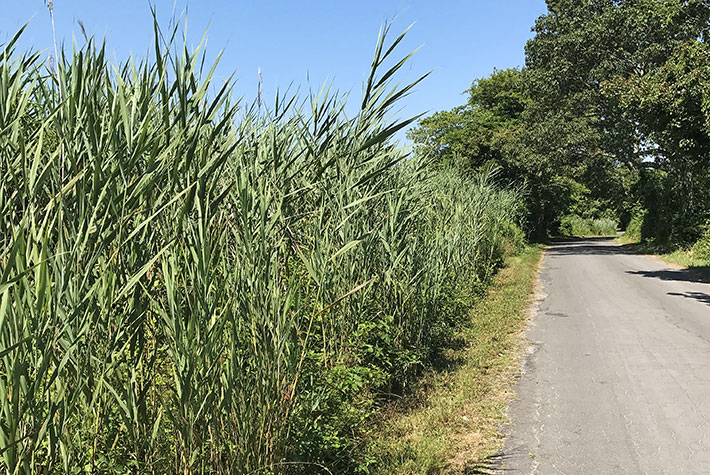
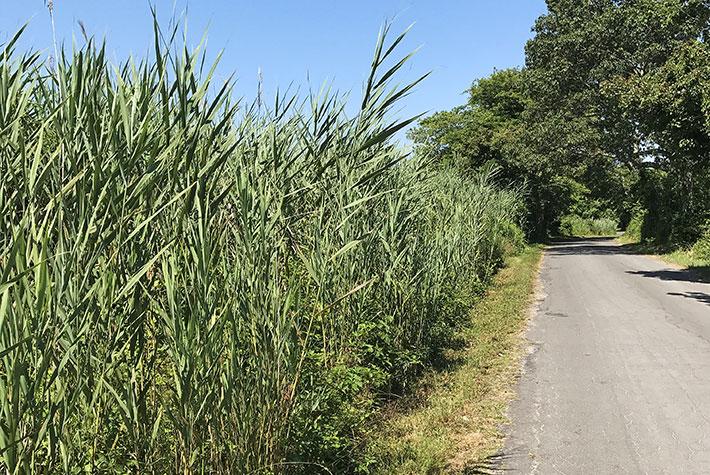
Phragmites line Wilderness Point Road. Fishers Island Gazette Photo

Phragmites: A relentless enemy.  The towering reeds grow an inch apart and are choking the Island’s tidal marshes, overtaking native vegetation and leaving no room for ducks, herons and egrets to land.

For years, Fishers Island’s wetlands and coastal areas have been mostly helpless against the onslaught of invasive phragmites, but FIConservancy has a plan.

This November, The Pond and Lake Connection, an aquatic services company, will begin a three-year treatment program to eradicate phragmites on 8.2 acres on the West End. This effort is part of FIConservancy’s overall restoration program to bring back native vegetation and eliminate invasive plant species.

The predicted success of this three-year plan is also meant to be a model for Island property owners who are looking for solutions to their own phragmites problems.

Four maps (above) indicate unchecked phragmites targeted by FIConservancy. Blue and purple areas will be treated. Green areas are not part of the FIConservancy initiative.

June 9, 2019 18 views
Field NotesFrom the FieldNews

Alone No More!

by Betty Ann Rubinow June 3, 2019

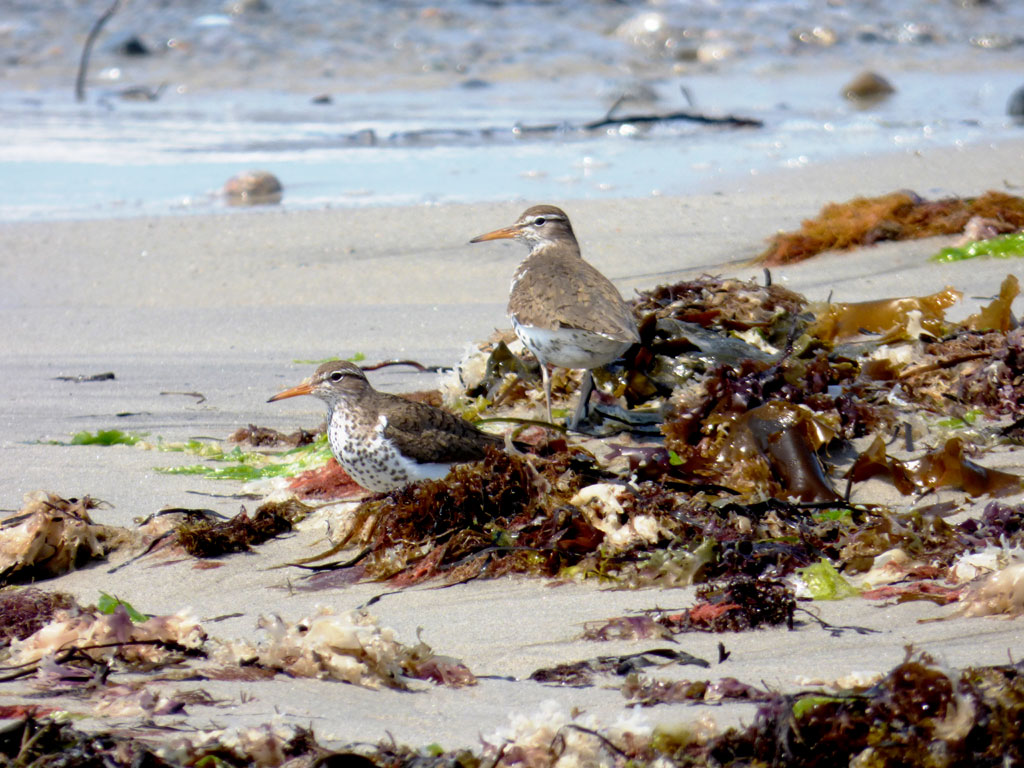
I am so happy to have seen a spotted sandpiper pair south of the airport runway on Sanctuary of Sands. A lone sandpiper has arrived every spring since 2015, and now there are a pair of these exquisite shorebirds!

According to the Cornell Lab of Ornithology:

The spotted sandpiper occurs across North America. It has richly spotted breeding plumage, a teetering gait, stuttering wingbeats and showy courtship dances.

Female spotted sandpipers arrive at breeding grounds early to establish and defend territory. Females also may mate with four different males at a time, but it is the male that incubates the eggs and cares for the young.

From the Field, Field Note Justine Kibbe June 3, 2019

June 3, 2019 21 views
Field NotesFrom the FieldNews

Protecting Killdeer Eggs

by Betty Ann Rubinow June 1, 2019

Protecting Killdeer Eggs

FIConservancy Naturalist Justine Kibbe reported:

“As Fishers Island prepares for a very busy July and August, it’s wonderful to witness the rallying of community to protect our precious wildlife.

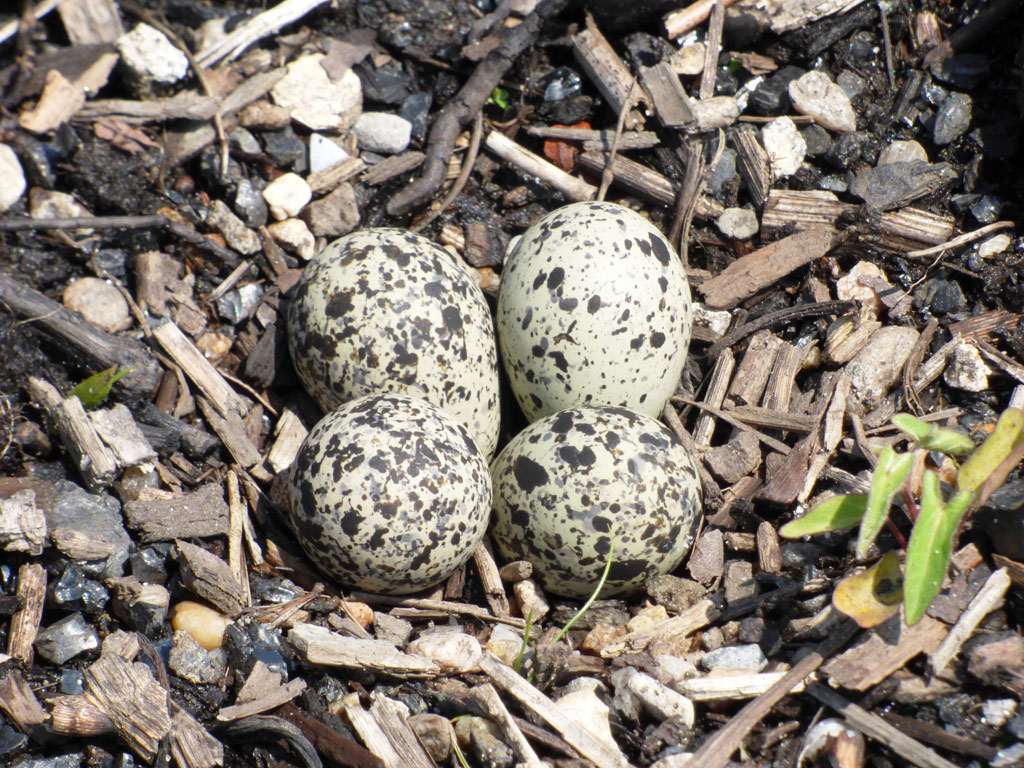
“Town of Southold Highway Dept. informed me of a tiny killdeer nest with a clutch of 4 delicate eggs hidden within the upland habitat of the Parade Grounds.

“Thank you to Islander Steffen Kucsera, who in the ‘busyness’ of his day, took the time to create a bit of a sanctuary and help direct truck traffic, keeping this dear Killdeer family out of harm’s way.”

June 1, 2019 20 views
Field NotesFrom the FieldNews

Birth Announcement

by Betty Ann Rubinow May 30, 2019

Birth Announcement

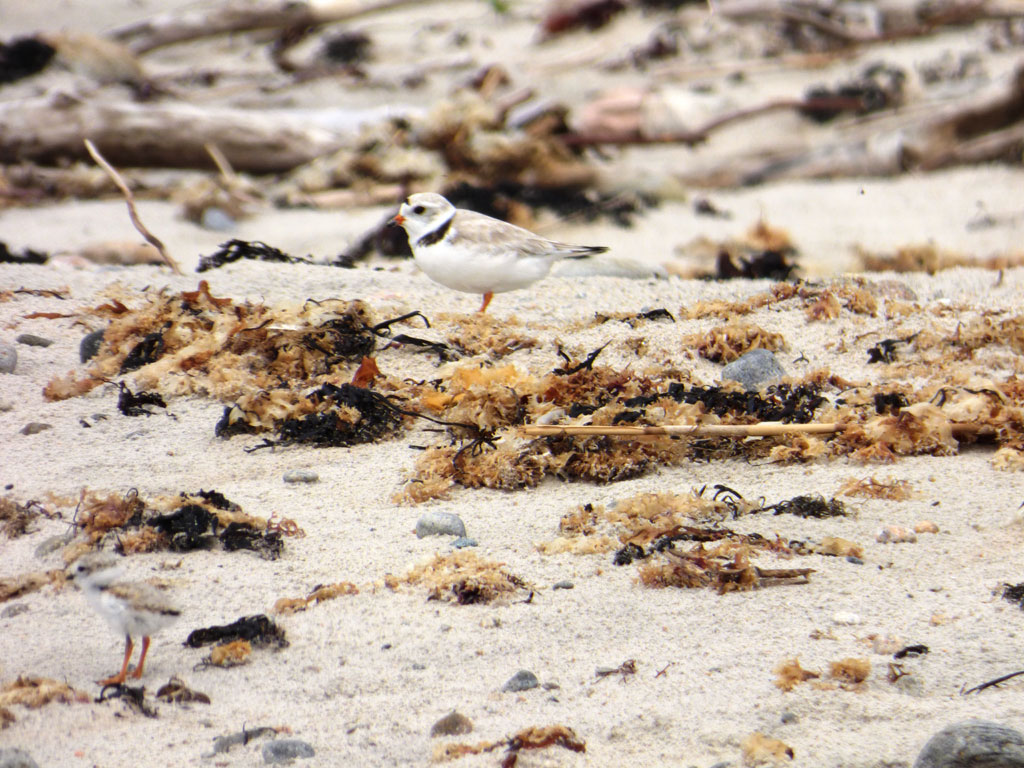
May 29, 2019: Congratulations Fishers Island! The community is pleased to announce the arrival of four Piping Plover chicks in Sanctuary of Sands on the south side of the airport runway. Please continue to leash all dogs walking in the area.

A piping plover pair returned to Fishers Island in early April. By early May, the female was nesting on her “scrape” in the Sanctuary of Sands area of South Beach. Camouflage-colored feathers help piping plovers disappear into the background. (Click on pictures to enlarge for an easier view of the chicks.)

There are fewer than 2000 pairs of “threatened” piping plovers on the Atlantic Coast.

Support our precious wildlife!

UPDATE, June 4, 2019: It now appears that there were two separate hatchings of piping plover chicks. One in the eastern tip of Sanctuary of Sands (described above) and a second hatching near the Race Point parking area with FIConservancy signage.

From the Field, Field Note, Justine Kibbe May 29, 2019

May 30, 2019 22 views
Field NotesFrom the Field

Coast is Clear

by Betty Ann Rubinow May 29, 2019

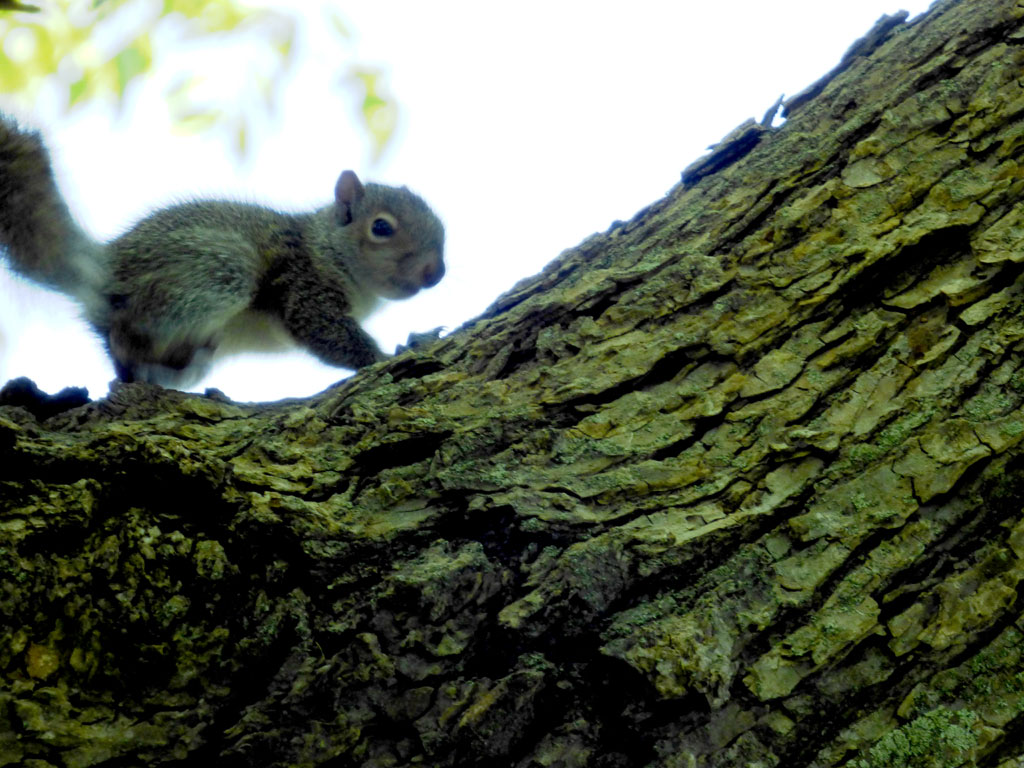
Safe under a leafy canopy, a baby Gray squirrel emerges from its comfy tree cavity to view its “big” new world: Fishers Island.

American Elm, Silver Eel Cove.

From the Field, Field Note, Justine Kibbe, May 29, 2019

May 29, 2019 22 views
Bird CountsNews

Record Number of Birds Sighted in 2019 Spring Migration Bird Count: 56 Species

by Betty Ann Rubinow May 25, 2019

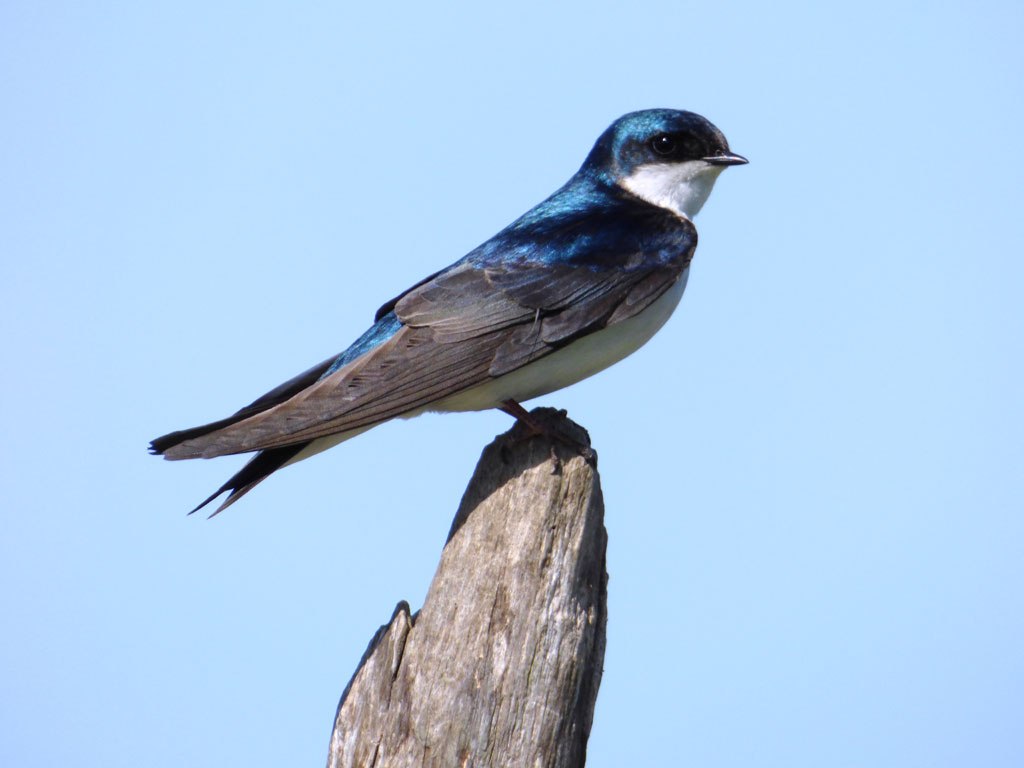
Tree Swallow. Justine Kibbe Photo

FIConservancy’s 2019 Spring Migration Bird Count took place Sun. May 19 under sunny skies. Eleven bird-watching enthusiasts traveled the Island from end to end, noting 56 species, which surpasses 2018’s record 55 observations.

Entomologist Adam Mitchell, Ph.D.*, along with the University of Delaware team of Emily Baisden and Will Aleida led the bird count. Dr. Mitchell provided a quick summary of this year’s findings:

“We had a very successful count, in spite of this spring’s weather, which was colder and wetter than usual. We observed 56 species of birds, beating last year’s spring migration count of 55 for the highest number of species reported.

“The count started strong with 11 participants heading down to Race Point, where we observed a flock of about 20 blue jays and yellow warblers among common yellowthroats foraging in the scrub for food. A red-tailed hawk sat patiently atop the Parade Grounds’ black gum tree while we proceeded with our count.

“Our second-to-last stop near the Fishers Island Club golf course provided us with a bird count first: a yellow-billed cuckoo. We also found a breeding pair of American redstarts and their nest, suggesting that some of the birds we encountered will be sticking around for the summer.

“Despite the good news, the unusual weather patterns this year led to a decrease in available habitat for many of our migrants. Colder temperatures delayed plants from ‘greening up’ (sprouting leaves), which in turn delayed the presence plant-feeding insects, an essential food source for songbirds.

“Birders have reported large congregations of birds at bird feeders, or feeding on fallow crops, to supplement the lack of food. Even though this year’s spring migration count was later than usual, many of the trees we observed were just beginning to leaf out, and the cherry trees were still in bloom.

“As we move into summer, things should return to normal, but it will be interesting to see how the birds on Fishers Island respond to this delay later in the season.”

Species Recorded for Spring 2019:
American crow
American goldfinch
American redstart
American robin
Baltimore Oriole
Barn swallow
Belted kingfisher
Black-capped chickadee
Black-throated green warbler
Blue jay
Blue-winged warbler
Brown-headed cowbird
Canada goose
Carolina wren
Cedar waxwing
Chimney swift
Chipping sparrow
Common eider
Common grackle
Common loon
Common yellowthroat
Double-crested cormorant
Eastern phoebe
Eastern towhee
European starling
Gray catbird
Great-crested flycatcher
Great egret
Greater black-backed gull
Green heron
Herring gull
House finch
House wren
Killdeer
Least tern
Mourning dove
Mute swan
Northern cardinal
Northern mockingbird
Northern parula
Orchard Oriole
Osprey
Red-bellied woodpecker
Red-eyed vireo
Red-tailed hawk
Redwing blackbird
Ring-necked pheasant
Song sparrow
Tree swallow
Tufted titmouse
White-breasted nuthatch
White-eyed vireo
Yellow warbler
Yellow-billed cuckoo
*Adam Mitchell, Ph.D., is Associate Wildlife Biologist, Assistant Professor of Entomology; Department of Wildlife, Sustainability, and Ecosystem Sciences; Tarleton State University, a Member of The Texas A&M University System
May 25, 2019 24 views
Field NotesFrom the Field

Least Tern

by Betty Ann Rubinow May 16, 2019

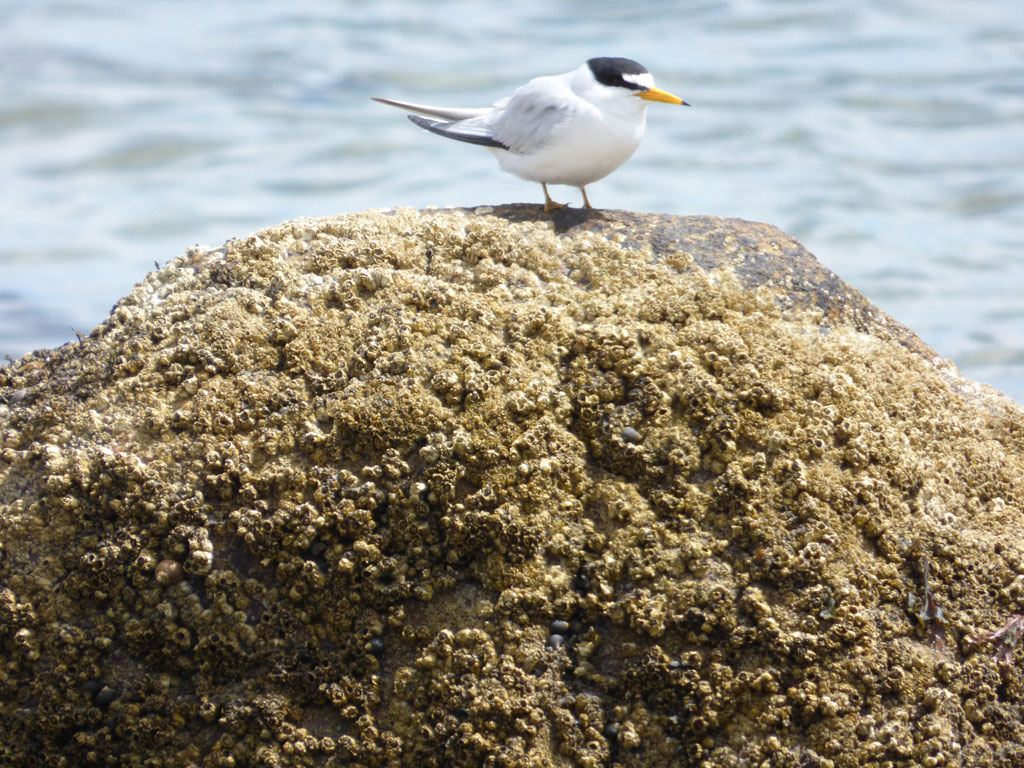
Sanctuary of Sands, Fishers Island.

Note the distinct yellow beak, white forehead and dark primaries (wing feathers) during this adult breeding time: March thru August.

PLEASE continue to kindly leash all “brigades” of dogs within Parade Grounds, welcoming the Least tern’s safe return to our Island.

From the Field, Field Note, Justine Kibbe, May 16, 2019

May 16, 2019 28 views
Field NotesFrom the FieldNews

Blue Jay Migration!

by Betty Ann Rubinow May 15, 2019

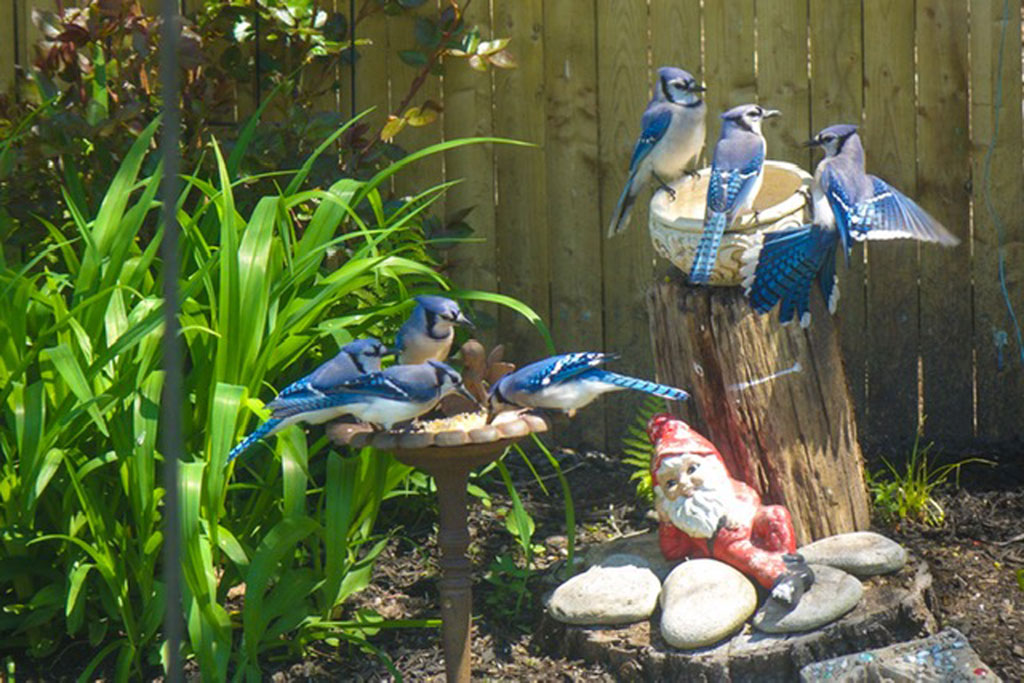
I’ve never seen anything like it! An actual blue jay migration!*

It all started Saturday May 11 at 10:45 a.m. Just a trickle at first, bright and bold Blue jays coursing over Silver Eel Cove. Then a steady stream of at least 40 noisy migrants flooded into the woods. Feathered crests bobbing on branches, their vocal cacophony swelled.

Community observations arrived shortly thereafter: Jackie Williamson up east had a dozen at her feeder by noon, and I saw another 2 dozen at 3 p.m., while bicycling to the Village Market.

Always grateful for remarks From the Field: Pierce Rafferty reported 16 Blue jays at his feeder May 14 at 6 a.m., and Marlin Bloethe captured and generously shared pictures of the initial landing.

* “A small proportion (Cornell estimates 20%) of the US blue jay population migrates south for the winter, whereas the majority of blue jays are year-round residents,” said entomologist Adam Mitchell, Ph.D.

“My guess is that storms moving northeast in early May, followed by a cold front, may have caused the jays migrating along the coastline to stopover on Fishers Island. This may be a boon for the Island in the future, as many species of bird will recall high-quality stopover sites when they migrate again. So we may want to be on the lookout for the jays next time for the fall migration.”

From the Field, Field Note, Justine Kibbe, May 15, 2019

May 15, 2019 25 views
Field NotesFrom the FieldNews

Nesting, Nesting…123!

by Betty Ann Rubinow May 7, 2019

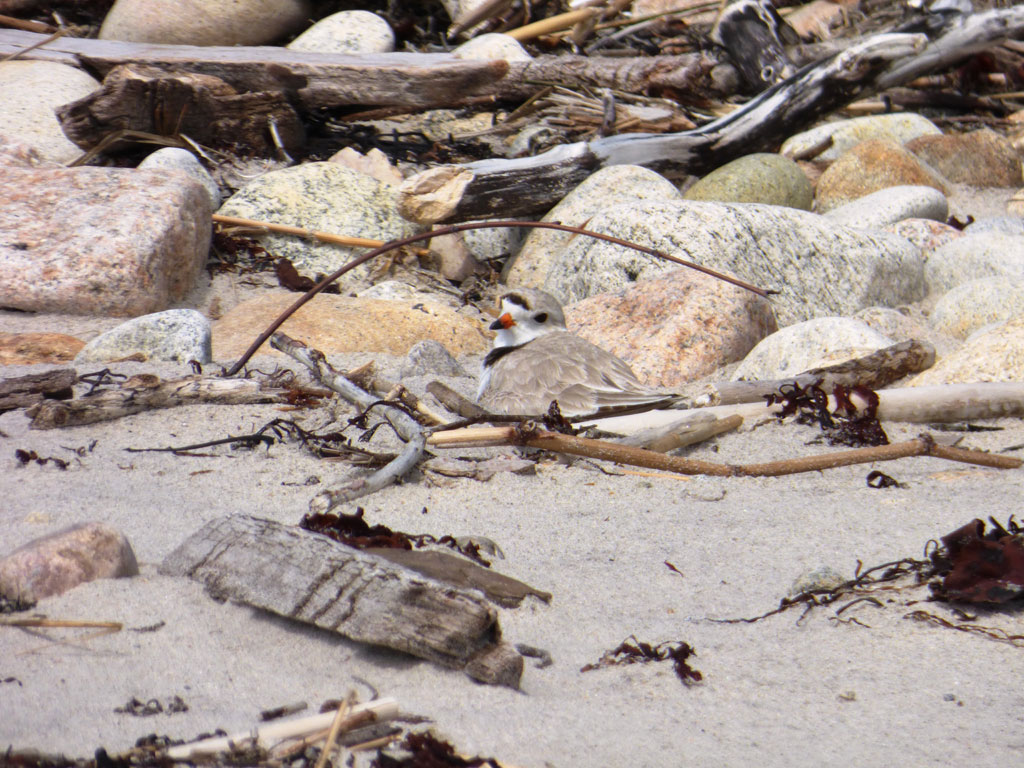
It took half an hour of scurrying around her South Beach “scrape” for this piping plover to finally settle down, because five killdeer were being pesty. There was a bit of territorial “drama”, before she returned to her—hopefully—clutch of eggs.

A piping plover pair returned to Fishers Island in early April. By early May the female was nesting on her “scrape” in the Sanctuary of Sands area of South Beach. Sandy-colored feathers help her to disappear into the background, particularly important since piping plovers are a “threatened” species.

There are fewer than 2000 pairs of piping plovers on the Atlantic Coast. Support our precious wildlife. Kindly continue to leash all dogs.

Sanctuary of Sands, West End, Fishers Island.

From the Field, Field Note, Justine Kibbe, May 7, 2019

May 7, 2019 23 views
Newer Posts
Older Posts

Upcoming Events

Notice
There are no upcoming events.

Keep in touch

Facebook Instagram Youtube

Recent Posts

  • What to Do if You Find a Stranded Animal

  • Update on Phragmites Work and New Wetlands Regulations

  • SPOTTED in New London!

  • 2025 Fall Migratory Bird Count Results

  • Fall 2025 Migratory Bird Count

  • FIRST Summer Highlights 2025

  • Shorebirds Take Flight- The 2025 Season Wrap-Up

  • Buzz Be Gone- Final Spray of the Season

  • Silver Eel–Race Point Coastal Trail Opens with Dedication to Janet Harvey

  • August Shorebird Update

Explore

    • Home
    • Who We Are
    • What We Do
    • How To Help
    • News
    • Events

Connect

    • Join Us
    • Donate
    • Contact Us
Facebook Instagram Youtube
© 2026 All Right Reserved. Fishers Island Conservancy
Fishers Island Conservancy
  • Home
  • Who We Are
    • Our Mission
    • Our History
    • Our People
    • Contact Us
  • What We Do
    • Shorebird Monitoring
    • Annual Bird Counts
    • Marine Debris Clean Up
    • Island Sentinels
    • Research and Survey Team
    • Grassland Restoration
    • Mosquito Control
    • Invasive Plant Management
  • How To Help
    • Donate
    • Join Us
  • News
  • Events
    • Calendar