Fishers Island Conservancy
  • Home
  • Who We Are
    • Our Mission
    • Our History
    • Our People
    • Contact Us
  • What We Do
    • Shorebird Monitoring
    • Annual Bird Counts
    • Marine Debris Clean Up
    • Island Sentinels
    • Research and Survey Team
    • Grassland Restoration
    • Mosquito Control
    • Invasive Plant Management
  • How To Help
    • Donate
    • Join Us
  • News
  • Events
    • Calendar
Saturday, April 11, 2026
Fishers Island Conservancy
  • Home
  • Who We Are
    • Our Mission
    • Our History
    • Our People
    • Contact Us
  • What We Do
    • Shorebird Monitoring
    • Annual Bird Counts
    • Marine Debris Clean Up
    • Island Sentinels
    • Research and Survey Team
    • Grassland Restoration
    • Mosquito Control
    • Invasive Plant Management
  • How To Help
    • Donate
    • Join Us
  • News
  • Events
    • Calendar
Fishers Island Conservancy
  • Home
  • Who We Are
    • Our Mission
    • Our History
    • Our People
    • Contact Us
  • What We Do
    • Shorebird Monitoring
    • Annual Bird Counts
    • Marine Debris Clean Up
    • Island Sentinels
    • Research and Survey Team
    • Grassland Restoration
    • Mosquito Control
    • Invasive Plant Management
  • How To Help
    • Donate
    • Join Us
  • News
  • Events
    • Calendar
Copyright 2026 - All Right Reserved
News

Time is Right to Attack Aggressively Invasive Mustard Garlic

by Betty Ann Rubinow May 14, 2020

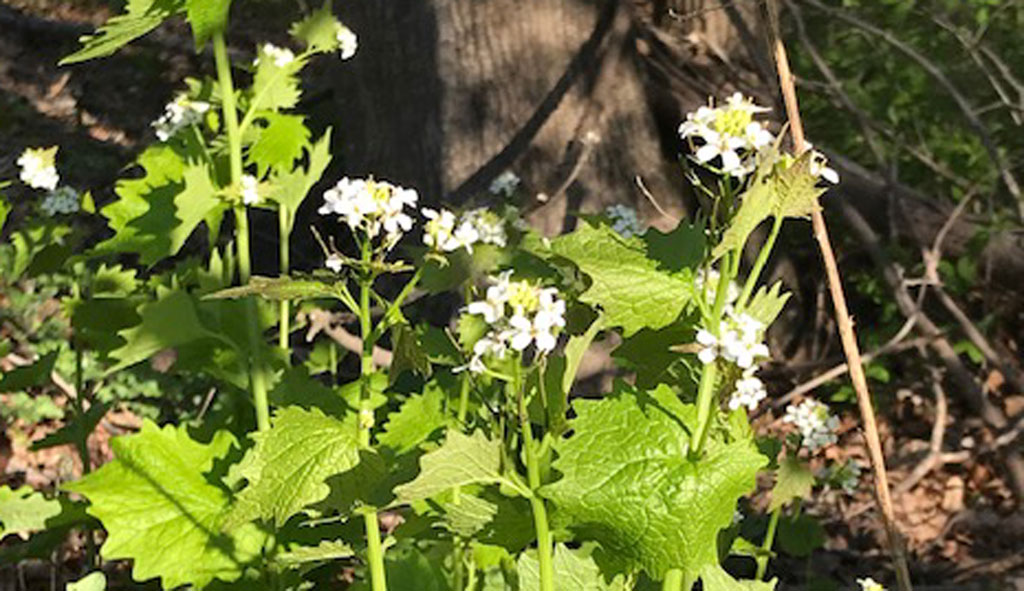
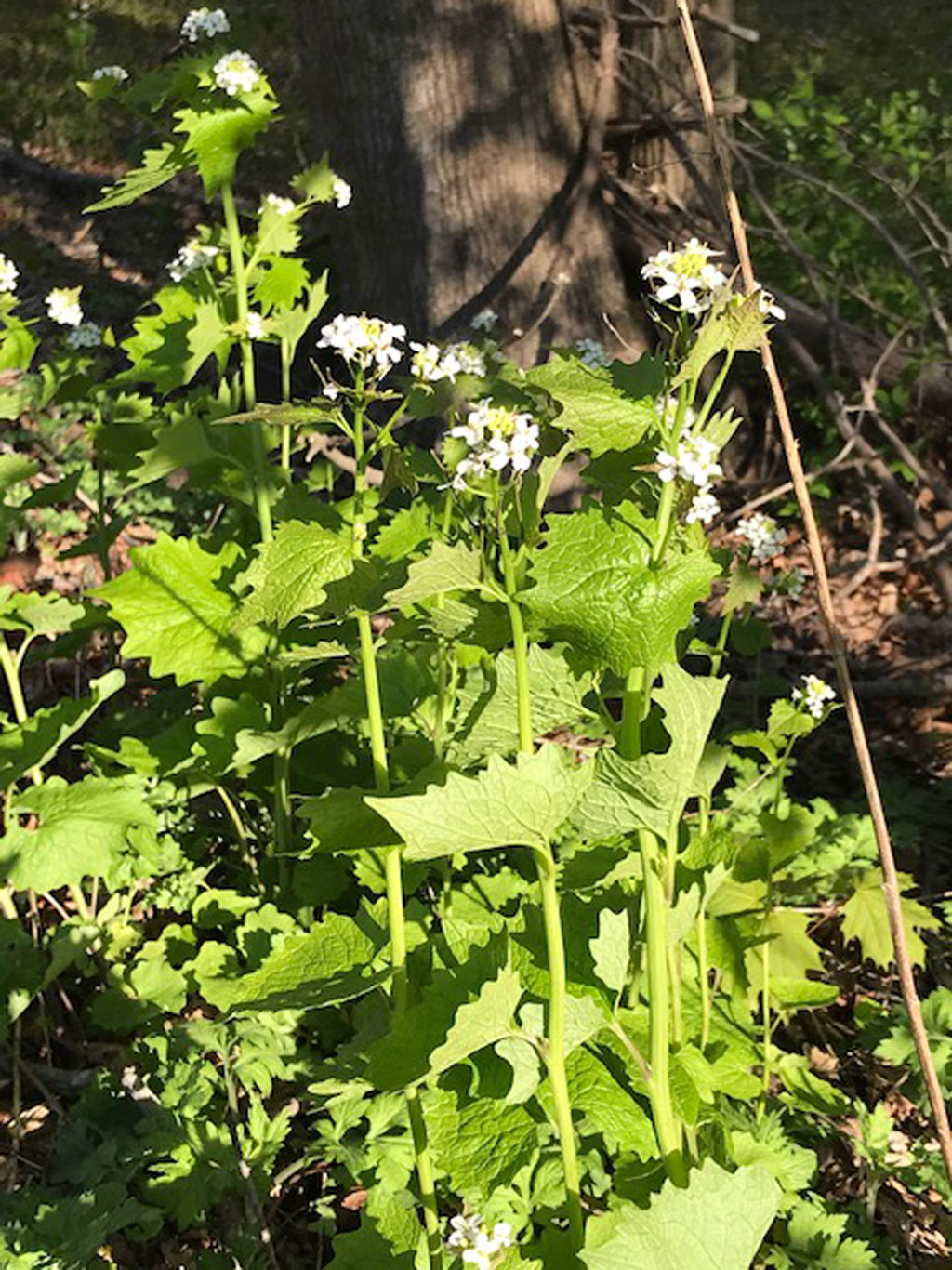
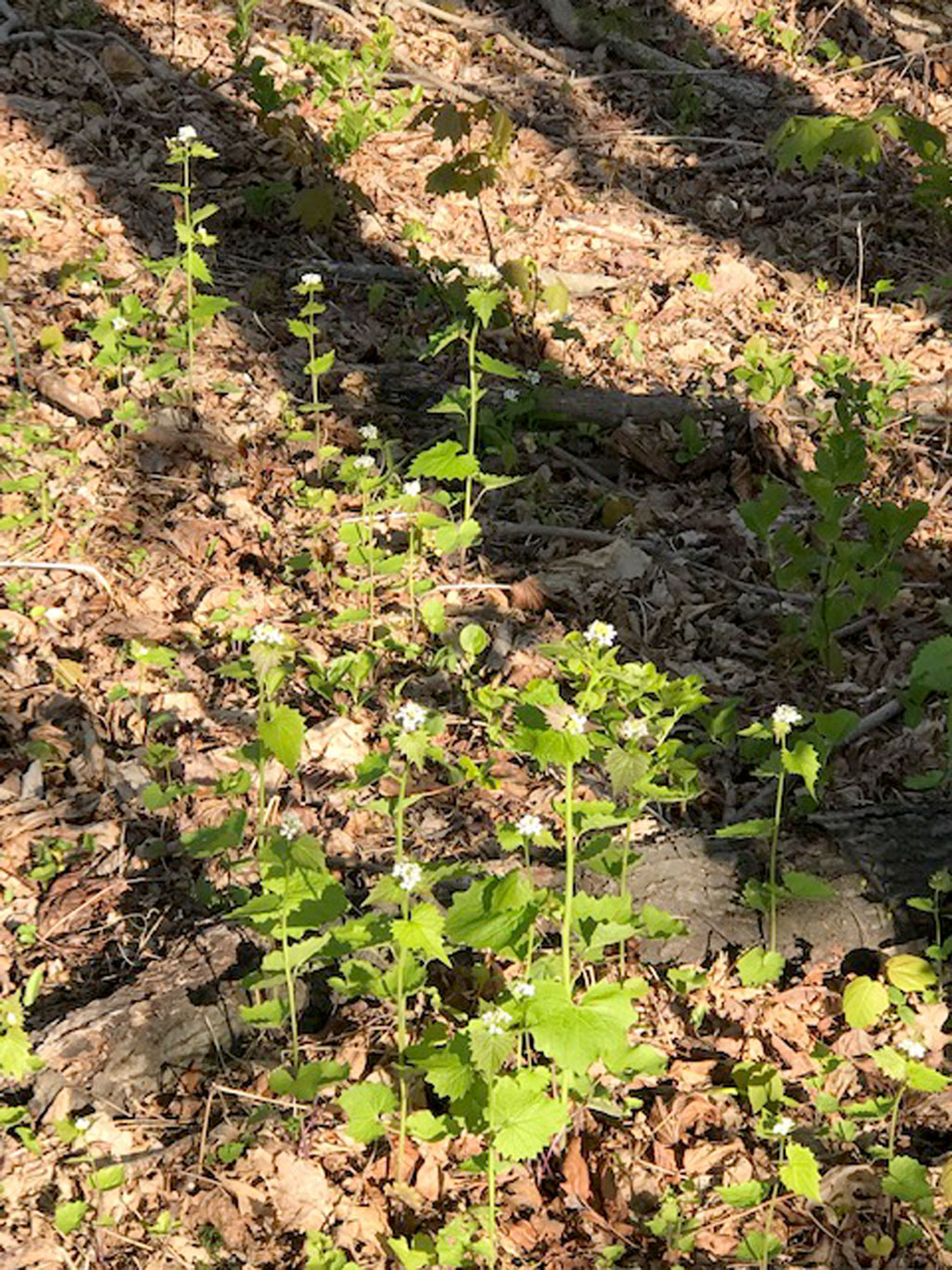
Garlic mustard invasive plant. Tom Sargent Photo

Fishers Island is awash in mustard garlic. This plant is a tenacious invasive weed that exudes a chemical through its roots that inhibits native plants from growing. The flowers are self-fertile and rarely wilt without producing a hoard of seeds.

“This stuff IS ALL OVER the Island. It is really easy to pull up and bag. It’s up to individual property owners to do their best to pull this weed before seed pods develop. Each plant produces 600 seeds that remain viable in the soil for five years or more,” said FIConservancy President Tom Sargent.

“Folks can even weed while taking a walk, although it’s hard for me to take a walk, because I am always stopping, pulling and bagging!”

Mustard garlic was brought to North America by early European settlers to use as medicine and food.
May 14, 2020 18 views
News

The Truth About Swans

by Betty Ann Rubinow May 1, 2020

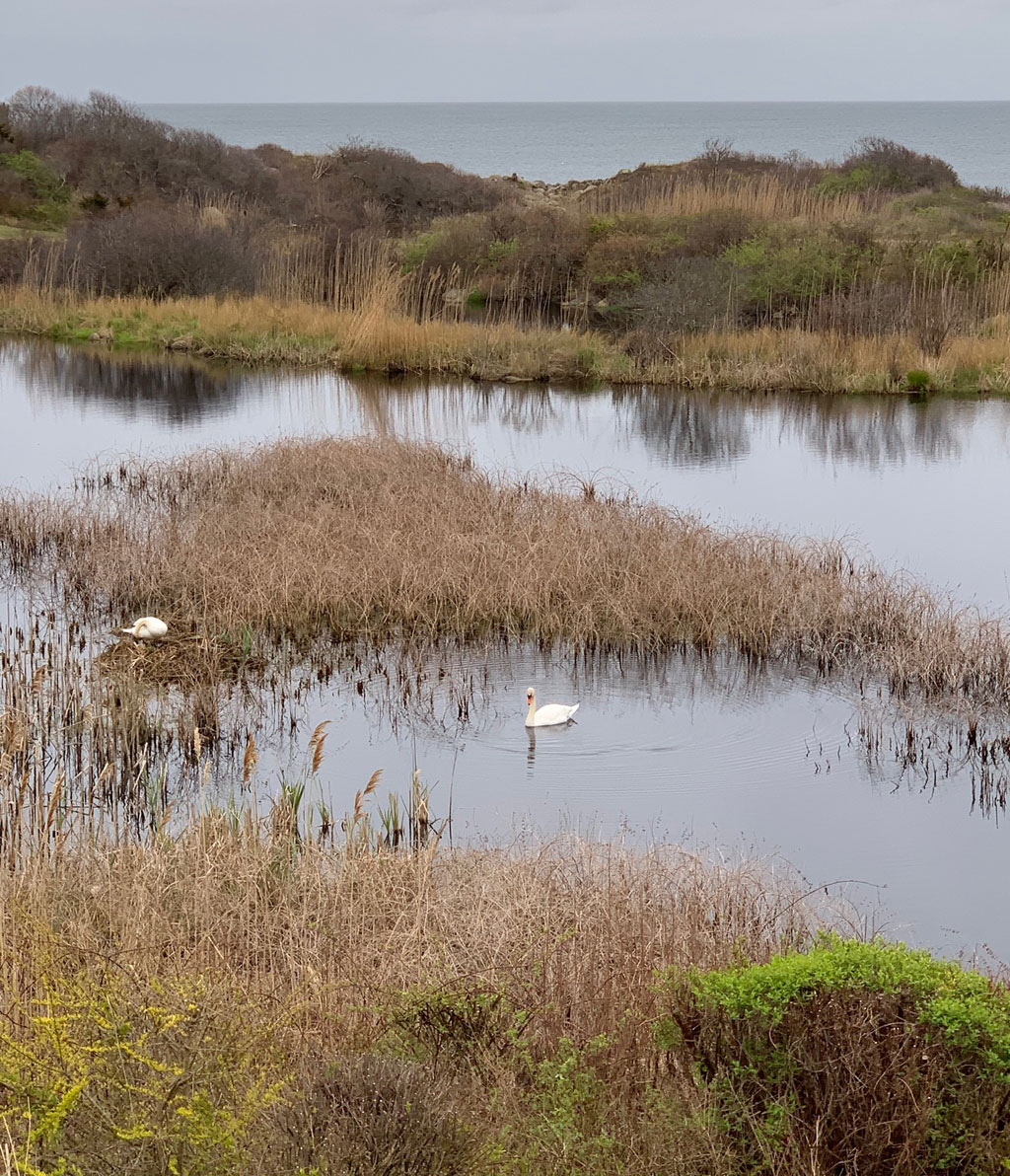
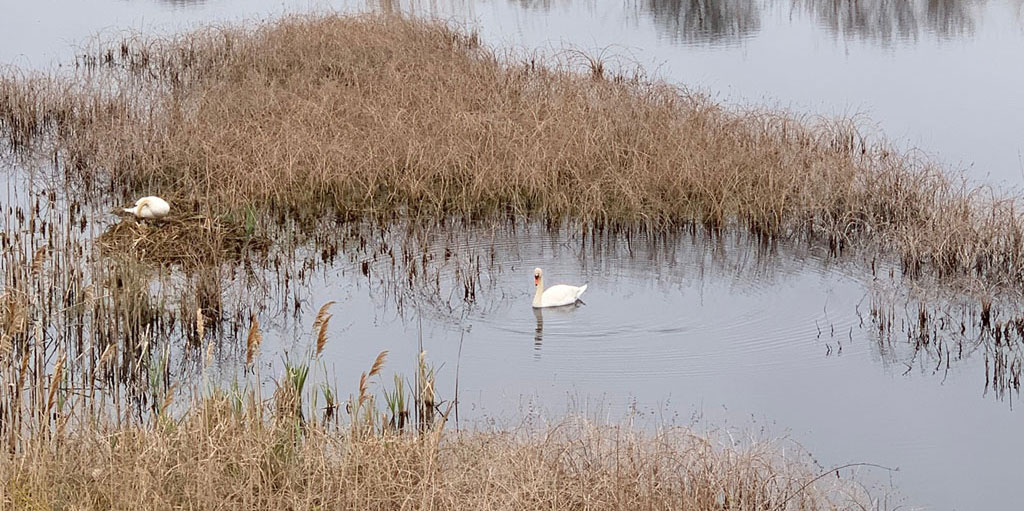
Nesting mute swans in late April near 4th hole at the Fishers Island Club golf course. Meredith Doyen Photo

It’s hard to resist the Hans Christian Andersen fairy tale, when an ugly duckling grows into the most beautiful swan in the pond.

Unfortunately, New York State’s largest bird can be aggressive to humans, and their voracious appetites often disturb local ecosystems, displacing native species.

Mute swans eat up to eight pounds of submerged aquatic vegetation, including eelgrass, daily. They sometimes completely uproot plants, and often, adult swans will uproot more plants than they actually consume.

Mute swans are not native to North America. They are descendants of swans brought to this country in the late 1800s through early 1900s to adorn large estates, city parks and zoos. They are now a “prohibited” invasive species, which prohibits the sale, importation, transport or introduction of this species in New York State.

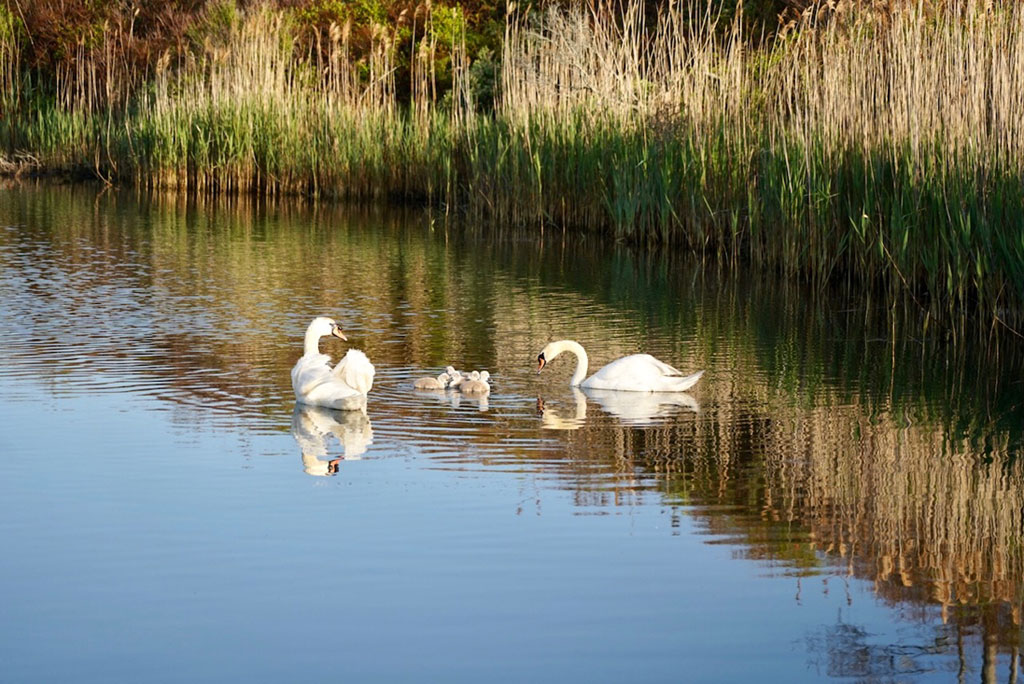
Swan family spotted May 22 at South Beach Pond. Marlen Bloethe Photo

May 1, 2020 24 views
News

Injured Adult Harp Seal Uses the Race for Rest & Recuperation

by Betty Ann Rubinow April 22, 2020

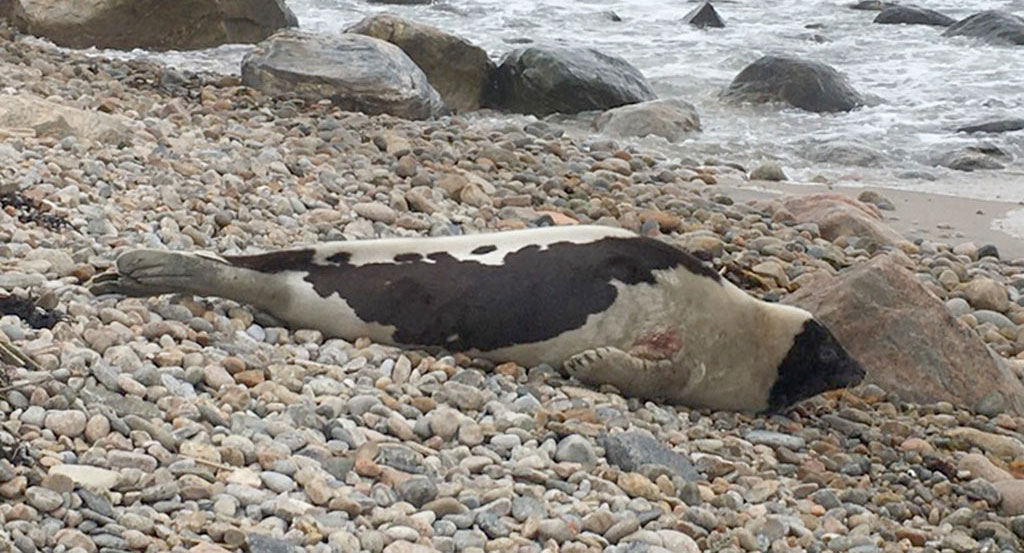
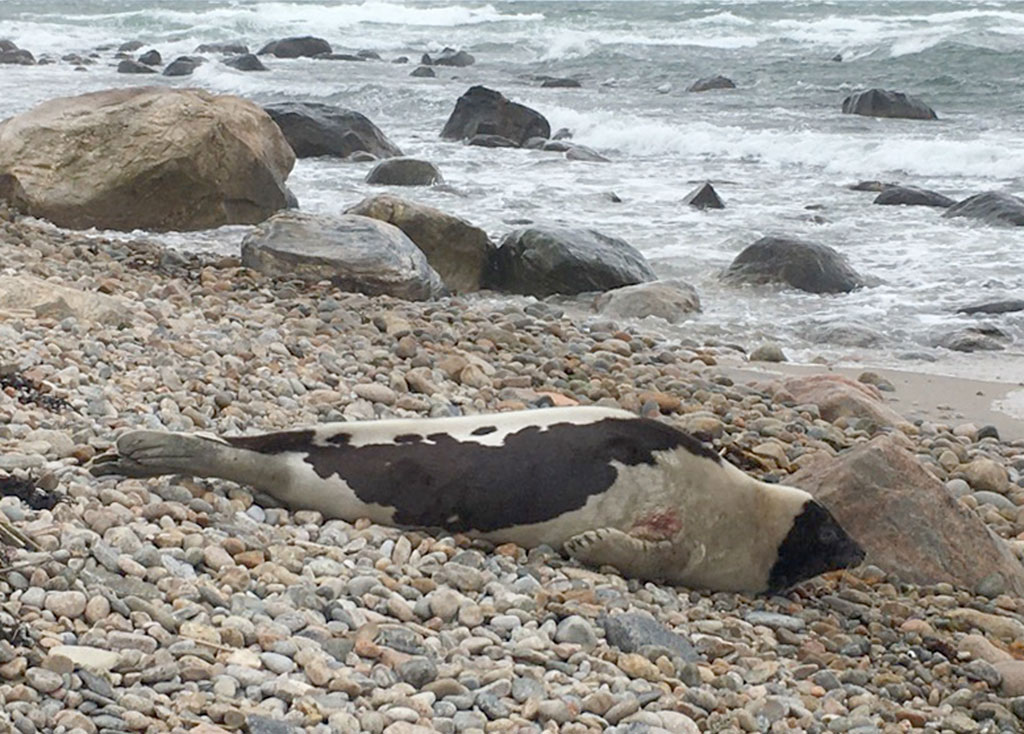
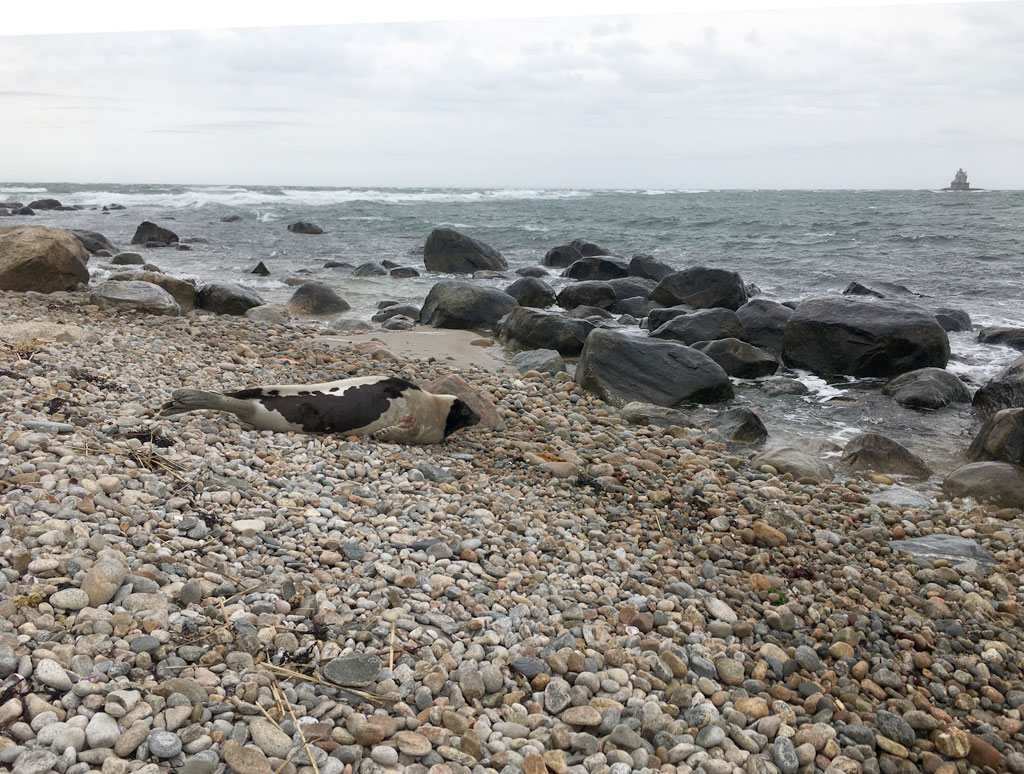
Adult harp seal, apparently injured, rests at the Race. In photo below, Race Rock Lighthouse in background gives perspective to first sighting of beached seal. Stephanie Hall Photo

This adult harp seal beached itself in high winds at the Race April 21. Stephanie Hall, monitoring the shoreline for FIConservancy, saw the seal and what appeared to be blood near its fin.

The first call is usually to Mystic Aquarium, but its rescue service has been suspended due to Covid-19. Not giving up, Stephanie’s next call was to the U.S. Coast Guard station in New London, which led her to Mystic Aquarium’s veterinarian, and then to The Riverhead Foundation for Marine Research and Preservation in Riverhead, N.Y.

The seal had returned to the water but then beached itself again near the end of the Elizabeth Field runway.

After viewing photos and a video that Stephanie sent to the Riverhead Foundation, Jill at the Foundation offered positive news: “Its injury doesn’t seem too concerning, and the video showed that he is resting comfortably. Hopefully, he will rest and be able to move on once the weather improves.”

Stephanie checked the next morning and the seal was gone.

April 22, 2020 18 views
Beach CleanupNews

Startling Statistic: Four Tons of Marine Debris Collected on FI Shores in 2019

by Betty Ann Rubinow March 7, 2020

Startling Statistic: Four Tons of Marine Debris Collected on FI Shores in 2019

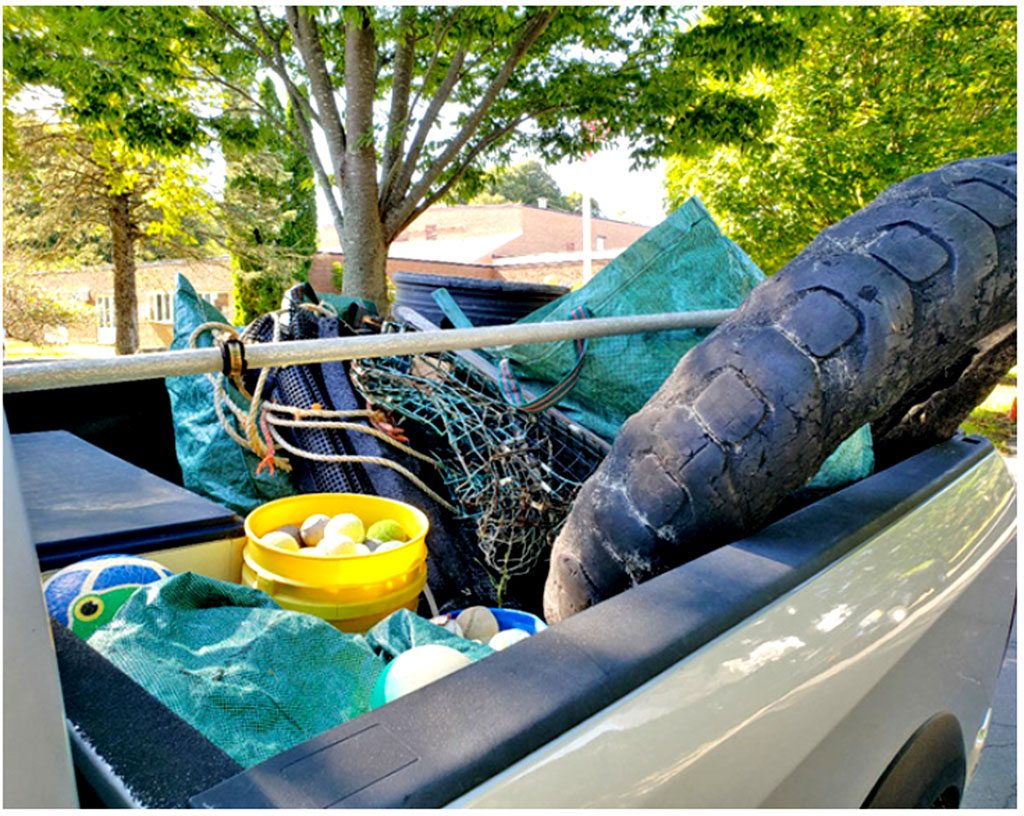
In 2019, Island resident Michele Klimczak collected an astounding 8441 pounds of marine debris from the shores of Fishers Island.

Michele is employed by FIConservancy to patrol multiple Island locations (listed below) and clear away marine debris. For example, on Feb. 20, 2019, Michele collected 49 lbs. of debris at the Hay Harbor Club Beach:

Approximately 35 plastic bags sticking out of low tide sand, plastic cups, silverware, containers, bottles, pens, straws, drink stirrers, frisbee, flip flop, mylar and rubber balloons, balloon ribbon, fishing line, string, rope pieces, broken toys, bottle caps, cans, netting, pail, med. Two large plastic pieces, hose/tubing, wire, broken styrofoam and cups, food containers, food/snack/candy wrappers, full bag of green beans, cigar tips, tampon applicators, drink cup lids, plastic gallon jugs.

Locations of FIConservancy Marine Debris Collection:

Latimer Light Beach, Clay Point Road Beaches, South Beach, Race, airport Beaches, Silver Eel Cove, Little Stony, beaches behind Money Pond, Chocomount Beach, South Dumpling Beaches, Dock Beach, Clay Point Road Beaches, beaches before Big Club, Chocomount Cove, Isabella Beach, Grey Gulls, Silver Eel Cove, Holiday House Beaches, Race Rock Beaches, Sanctuary of the Sands, Houghton Beach, South Dumpling Beaches, Little Stony, beach at bottom of Four Corners road, beach at stables, beaches to left of Castle Road, Hay Harbor Club Beach.

March 7, 2020 19 views
News

FIConservancy Partners with FIDCO in East End Habitat Restoration Project

by Betty Ann Rubinow February 23, 2020

FIConservancy Partners with FIDCO in East End Habitat Restoration Project

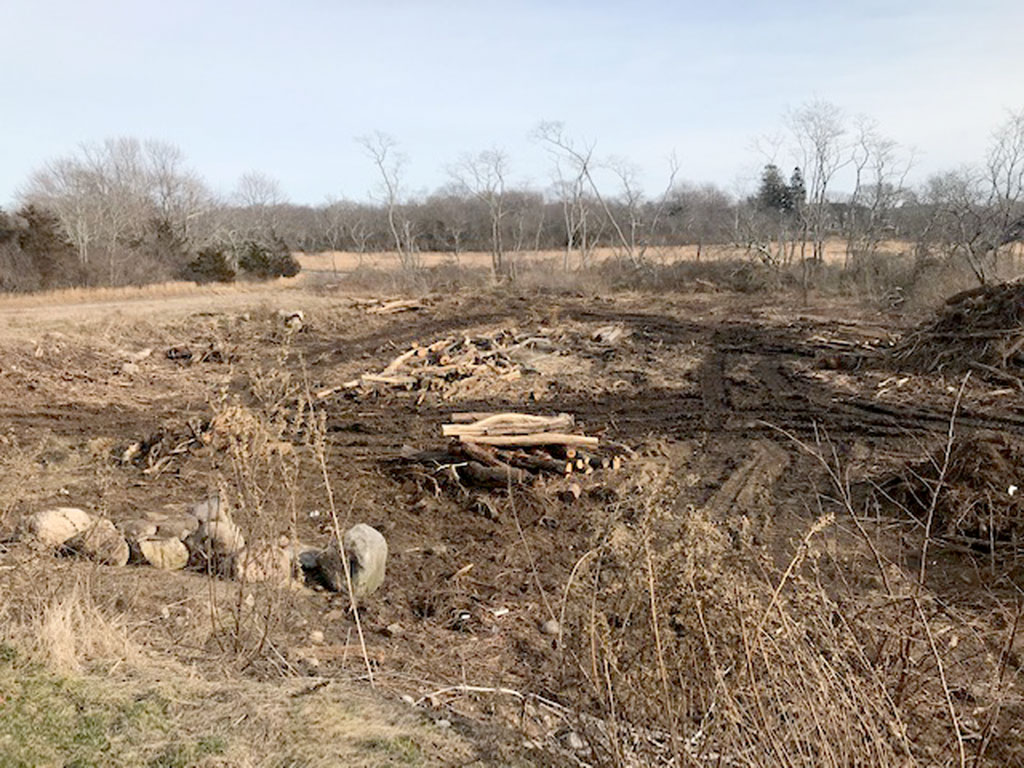
The Fishers Island Conservancy is working to extend the success of its West End grassland restoration initiative, and in partnership with FIDCO, has begun a habitat restoration project on the East End near Middle Farms.

The roughly three-acre parcel is bordered on the northeast by Cedar Ridge Road and on the southwest by East End Road. Nature prepared the land for clearing in October 2018, when an F1 tornado touched down at Wilderness Point, cutting a swath across Fishers Island.

“The parcel was covered with many broken locust and cedar trees as well invasive plant species such as Chinese privet, buckthorn and bush honeysuckle,” Conservancy President Tom Sargent said.

“The first step was to rid the plot of these plants. As of now, most of the vegetation has been cleaned up, and the area is nearly ready to be planted with a native grassland and wildflower mix from Ernst Seeds of Pennsylvania. There will also be site specific tree plantings of oak, cherry, cedar and possibly chestnut, which are all species native to the Island.

“A curtain ‘wall’ of preexisting vegetation will remain along East End Road and will be removed at a later date, as the rest of the parcel grows in.

“We are proud to be working with FIDCO for a small, but very important piece of habitat restoration, as the Fishers Island Conservancy celebrates its 35th year.”

February 23, 2020 16 views
News

Scientists Say “Climate Chaos” is Main Reason for Decline in Bumblebee Population

by Betty Ann Rubinow February 7, 2020

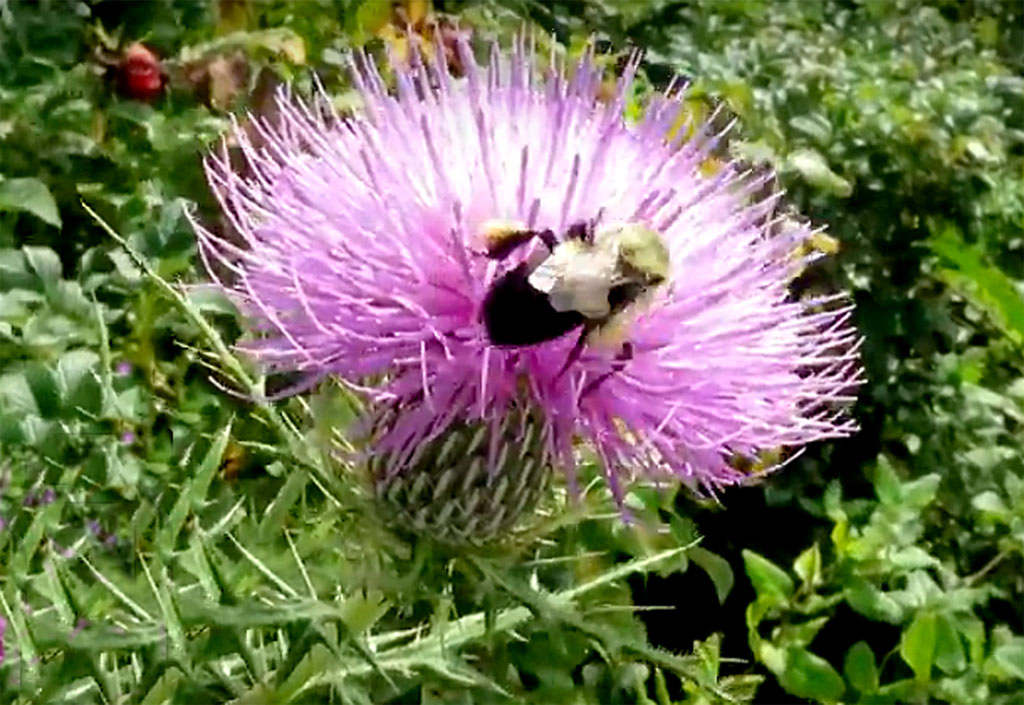
Bumblebee (Bombus impatiens), the eastern bumblebee, on thistle (a native plant) in Demonstration Garden.

A disturbing study published in Feb. 2019, found that more than 40 percent of the world’s insect species could go extinct over the next several decades due in large part to habitat loss, with chemical pollutants, invasive species and climate change as additional causes.

Now, a new study, published in the Feb. 7, 2020 journal, Science, makes a case for climate change as the principle driver of the potential extinction of bumblebees. Scientists said that observers in North America are nearly 50 percent less likely to see a bumblebee in any given area than prior to 1974.

Using a massive dataset, scientists found that bumblebees are less abundant in areas that have become hotter or have experienced extreme temperature swings in the last generation. The researchers concluded that “climate chaos” is the primary driver in the decline of bumblebees. Species are being pushed beyond temperatures they can tolerate, said the scientists.

According to National Geographic, bumblebees are suited to cooler weather, with fuzzy bodies and the ability to generate heat while flying. The last five years were the hottest ever recorded in the 139 years that the U.S. National Oceanic and Atmospheric Administration has tracked global heat.

Honeybees are critical to the propagation of nuts, fruits and vegetables and account for more than $15 billion in the U.S. economy.

February 7, 2020 14 views
Marine Debris Annual Report

2020 Marine Debris Report

by Beth Jepsen January 1, 2020

2020 Marine Debris – Monthly Summary Report

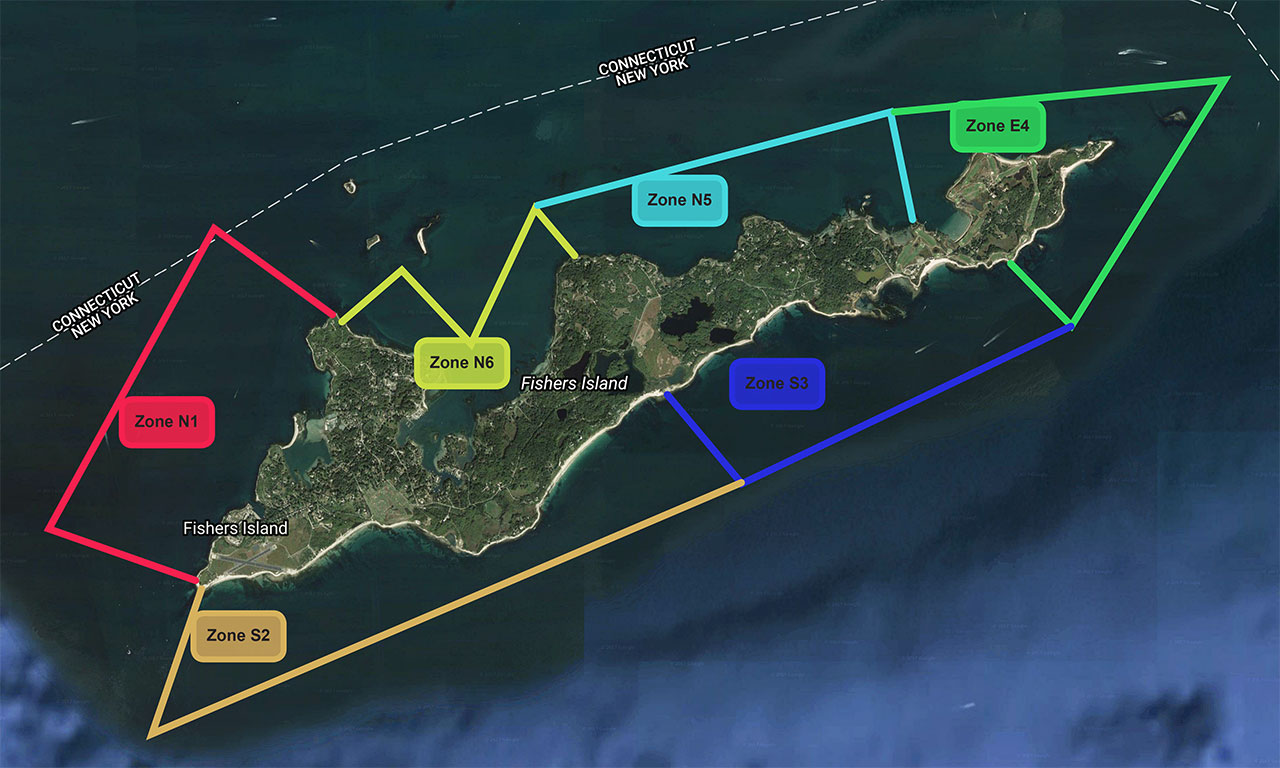
ZONEWEIGHT (LBS)TIME (HOURS)
JANUARY83256
FEBRUARY1,44254.5
MARCH1,627122
APRIL61362
MAY1,15495.5
JUNE1,328114.5
JULY78397.5
AUGUST1,181141.5
SEPTEMBER75584.5
OCTOBER982107
NOVEMBER1,21094
DECEMBER1,31766
TOTAL13,2241,095
January 1, 2020 32 views
News

Study Finds That Migratory Birds Cling to Diminishing Native Food Supply

by Betty Ann Rubinow December 30, 2019

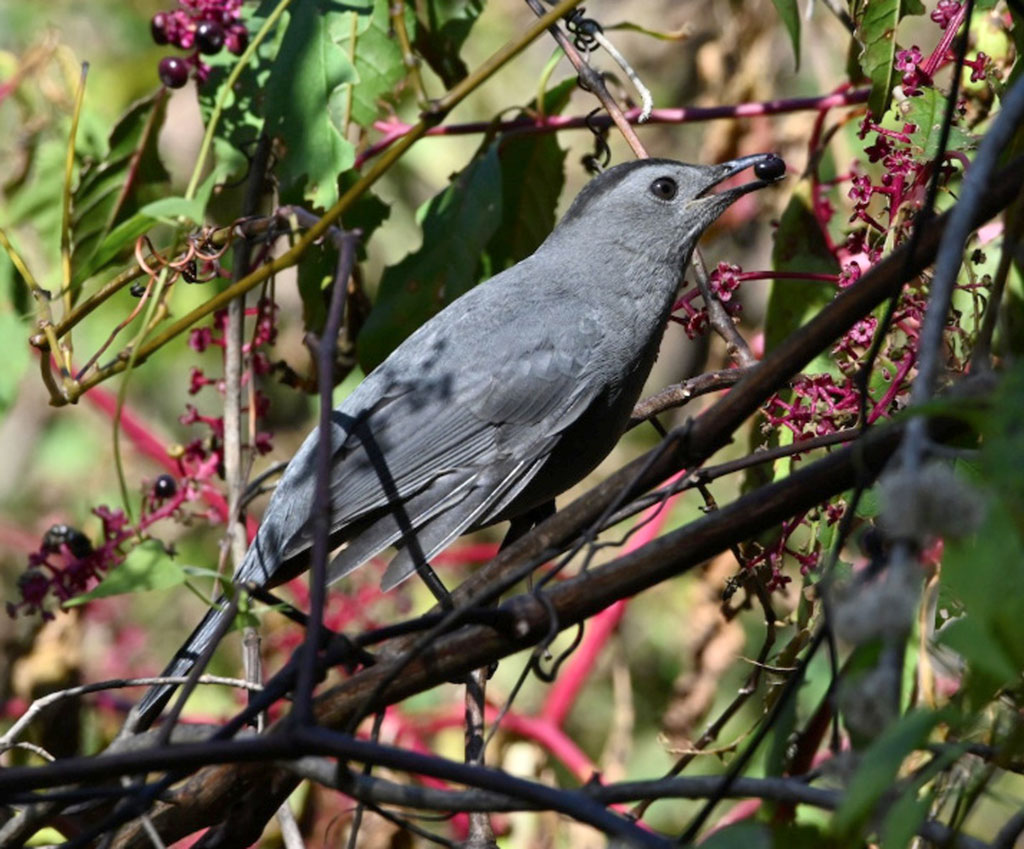
The Gray Catbird is typical of migratory birds that prefer the fruits of native plants, despite invasive plants dominating fruit availability in late-autumn. The Gray Catbird was among 45 species sighted in the 2019 Migratory Bird Count on Fishers Island. Ann Stinely photo for the Manomet Team Newsletter.

As migratory birds pass through stopover sites later in the season due to warming temperatures, will they begin to eat the abundant late-autumn fruit of invasive plant species rather than fruit from the diminishing number of native plants? The apparent answer is no.

This finding was the result of an in-depth study of bird-fruit interactions published in the Nov. 2019 issue of Biological Conservation, a leading international journal in the discipline of conservation science. A trio of scientists conducted their research at Manomet, a migratory stopover site for landbirds on the Atlantic coast, and a long-term bird banding site, located in Plymouth County, Mass.

Scientists observed both native and invasive wild plant species at Manomet during the 2014-15 autumn migration season and identified seeds from 469 fecal samples collected from songbirds captured during that time.

“Our results demonstrate that native fruits are an important food resource for birds during the autumn migration season and are unlikely to be replaced by abundant fruits of late-season invasive species under climate change,” scientists wrote in their study.

Twenty years ago, University of Delaware entomology professor and FIConservancy advisor, Doug Tallamy observed that insects prefer to eat native plants rather than invasives. Birds, in turn, feed on those insects, particularly when foraging for their young. This study adds striking evidence to the “native” connection, even in the face of a diminishing late-autumn native food supply due to the aggressive growth of invasive plant species.

December 30, 2019 24 views
News

Toxic Chemicals Dredged from Thames River Might Be Dumped Off Northeast Coast of FI

by Betty Ann Rubinow December 18, 2019

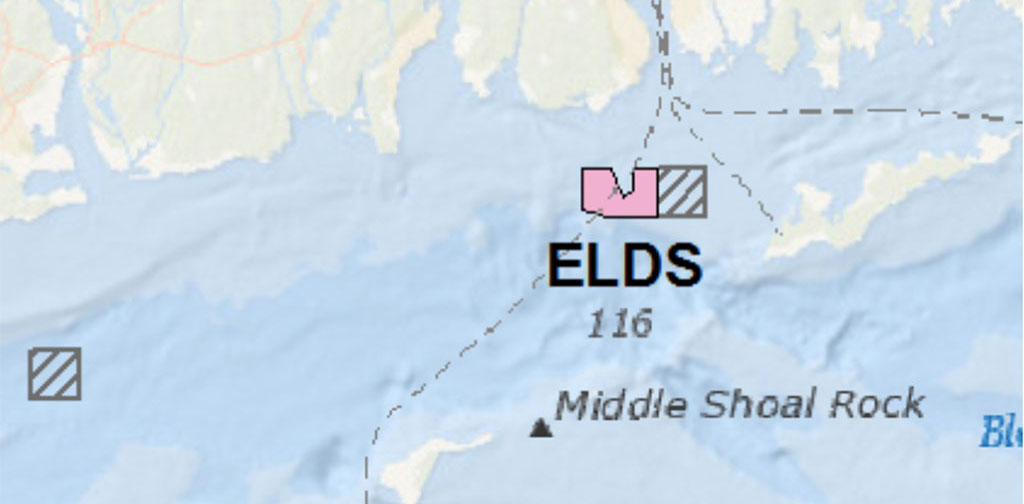
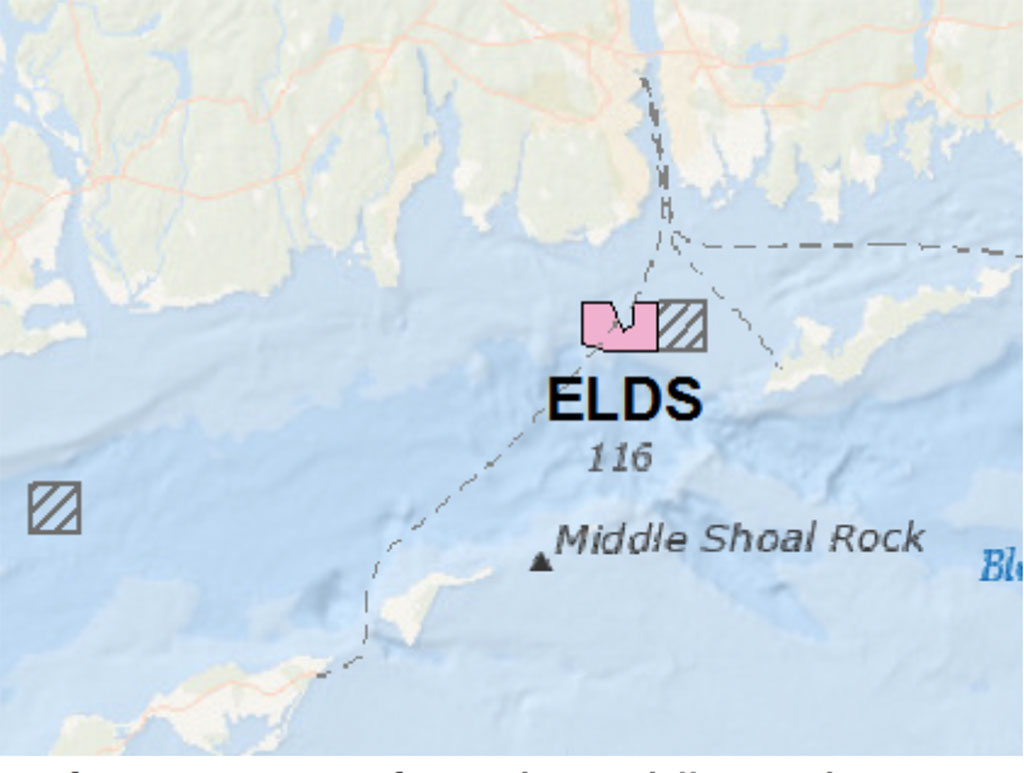
Pink area in above graphic was the former New London Disposal Site, expanded in recent years (striped area) to become Eastern Long Island Disposal Site (ELDS).

There is an open water dump site less than three miles off the northwest coast of Fishers Island, and wheels are in motion to use it as the dumping ground for 890,000 cubic yards of contaminated, fine-grained muck dredged from the bottom of the Thames River. The dredging will make way for a new class of ballistic missile submarines to be built at Electric Boat in Groton, Conn.

Nov. 29, 2019 was the final date for public comment on the proposed dredging. FIConservancy has a long history of objecting to dumping toxic dredge spoils at the head of the Race, where waters are shallow and tidal currents are among the strongest on the East Coast.

FIConservancy President Tom Sargent mailed a letter to the New York State Department of State expressing serious environmental concerns and explaining that our objections have never been about the fact of necessary dredging, rather where the dredge spoils will be dumped.

Click on the blue button below to read Mr. Sargent’s succinct, informative letter.


Read Here
December 18, 2019 21 views
News

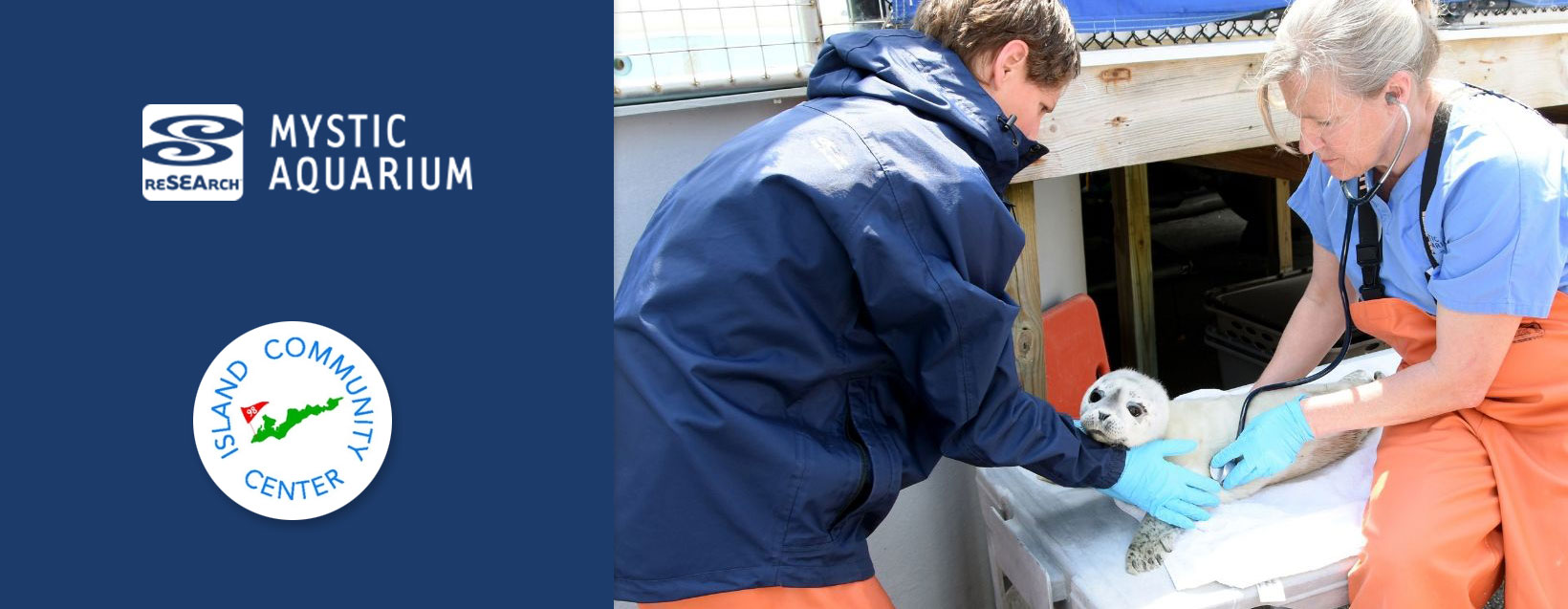
Mystic Aquarium Offers Animal Rescue Program at FI Community Center

by fic0n5erv November 15, 2019

Become a First Responder!

Please join us for a FREE 2-hour training at the Fishers Island Community Center, Saturday, December 14 from 1-3pm! First responders are vital to Mystic Aquarium’s Animal Rescue Program. The initial response helps to determine the status of an animal and helps them prepare for action when necessary.

Learn about federal regulations that ensure the safety of these animals. You will also learn how to identify Connecticut and Rhode Island’s marine mammal and sea turtle species.

The Animal Rescue Program training is free and open to all 18 years and older.

Class is contingent on at least 10 people registered no later than December 11. Registration is required through the Mystic Aquarium website (please do not email).

For more information on the Animal Rescue Program and to register to reserve your space, please visit the Mystic Aquarium website www.mysticaquarium.org.

Scroll down to the the “Dates & Registration” button.  This will take you to the registration site.

If you need to cancel your registration please call 860-572-5955 x520.

November 15, 2019 21 views
Newer Posts
Older Posts

Upcoming Events

Notice
There are no upcoming events.

Keep in touch

Facebook Instagram Youtube

Recent Posts

  • What to Do if You Find a Stranded Animal

  • Update on Phragmites Work and New Wetlands Regulations

  • SPOTTED in New London!

  • 2025 Fall Migratory Bird Count Results

  • Fall 2025 Migratory Bird Count

  • FIRST Summer Highlights 2025

  • Shorebirds Take Flight- The 2025 Season Wrap-Up

  • Buzz Be Gone- Final Spray of the Season

  • Silver Eel–Race Point Coastal Trail Opens with Dedication to Janet Harvey

  • August Shorebird Update

Explore

    • Home
    • Who We Are
    • What We Do
    • How To Help
    • News
    • Events

Connect

    • Join Us
    • Donate
    • Contact Us
Facebook Instagram Youtube
© 2026 All Right Reserved. Fishers Island Conservancy
Fishers Island Conservancy
  • Home
  • Who We Are
    • Our Mission
    • Our History
    • Our People
    • Contact Us
  • What We Do
    • Shorebird Monitoring
    • Annual Bird Counts
    • Marine Debris Clean Up
    • Island Sentinels
    • Research and Survey Team
    • Grassland Restoration
    • Mosquito Control
    • Invasive Plant Management
  • How To Help
    • Donate
    • Join Us
  • News
  • Events
    • Calendar